Whether a Basset Hound Has a Double Coat
It's a common misconception, looking at a Basset Hound's sleek, short fur, to wonder if they have one of those plush, insulating double coats. Many owners are surprised by the sheer volume of hair that comes off their seemingly short-haired companion, leading them to question the nature of their beloved hound's fur. This guide will dive deep into the unique characteristics of the Basset Hound's coat, clarifying exactly what kind of fur they possess and what that means for your daily care routine and their comfort in various climates.
Understanding the Basset Hound's Coat
When we talk about dog coats, there's a lot of jargon thrown around. Single, double, smooth, wire, dense – it can get confusing quickly. For Basset Hounds, their coat often gets mislabeled because it doesn't fit neatly into some common perceptions, especially regarding how much they shed.
The Definition of a Double Coat
Let's start by clarifying what a double coat actually is. A true double coat consists of two distinct layers of fur. You have a soft, dense undercoat that's primarily for insulation. Think of it like a down jacket – it traps air close to the body, keeping the dog warm in cold weather and helping to regulate temperature in heat by preventing the skin from getting directly exposed to sun. Then, over that, you have a coarser, stiffer outer coat, often called guard hairs. These guard hairs protect the undercoat and the skin from dirt, moisture, and UV rays.
Breeds like Siberian Huskies, German Shepherds, Labradors, and Golden Retrievers are classic examples of dogs with double coats. If you've ever owned one, you know the distinctive "blow out" they experience, often twice a year, where large clumps of undercoat come out, leaving a hairy tumbleweed trail in their wake. This intense shedding is the removal of that dense insulating layer as seasons change.
The Basset Hound's Unique Fur Structure
So, where does the Basset Hound fit into this? Despite the significant shedding, Basset Hounds generally do not possess a true double coat in the way breeds like a Husky or a Shepherd do. Instead, they have a short, smooth, hard, and very dense single coat. It might not look like much at first glance – no long, flowing locks or obvious fluff – but run your hand against the grain, and you'll feel just how thick and robust it is.
The Basset Hound's coat is designed for its original purpose: to protect it from briars, bushes, and weather while tracking through rough terrain. It's close-lying and resilient. While it's not made of distinct layers of undercoat and guard hairs like a double-coated breed, it is remarkably effective at providing some level of protection and insulation. It feels a bit like a sturdy brush, not silky or soft, and this density is often what leads people to mistakenly believe there's an undercoat involved.
Debunking the Double Coat Myth for Basset Hounds
It's easy to see why confusion arises about the Basset Hound's coat. They shed, they sometimes seem to "blow" their coat, and their fur, while short, is far from sparse. Let's break down these points of confusion.
Why the Confusion Exists
The primary reason for the double-coat confusion is the sheer volume of hair Basset Hounds shed. You wouldn't expect such a short-haired dog to leave so much evidence of its existence everywhere, would you? But they do. Their short, stiff hairs embed themselves in furniture, carpets, and clothing with remarkable tenacity. This constant, sometimes heavy, shedding can mimic the effect of a dog losing its undercoat. When you see your floor covered in what looks like a fine carpet of Basset fur, it's natural to assume there must be an insulating layer underneath that's being shed.
Additionally, while not a true "undercoat," the Basset's coat is very dense. This density can make it feel thicker than a typical single coat, further blurring the lines in an owner's mind. Some older breed descriptions might even use terms like "dense coat" which can be misinterpreted as "double coat."
Seasonal Shedding and "Coat Blow" in Bassets
While Basset Hounds don't experience a dramatic "coat blow" like a Northern breed, they definitely have seasons where their shedding intensifies. You might notice a heavier shed in spring as they prepare for warmer weather, and again in the fall to make way for a fresh, thicker coat for winter. However, unlike double-coated breeds where you might literally pull out handfuls of fluffy undercoat, with a Basset, it's more of a constant, pervasive release of individual short, stiff hairs.
These hairs, due to their texture, can be incredibly difficult to remove from upholstery and fabrics. It's a particular kind of shedding frustration that Basset owners know all too well! It’s important to understand that this isn’t a sign of an underlying health issue, but rather a normal characteristic of the breed's coat. The phrase The Short Basset Hound Coat That Still Sheds Everywhere truly captures the essence of this reality.
Practical Implications for Basset Hound Care
Knowing your Basset Hound's coat isn't double-layered has direct implications for how you care for them, from grooming routines to how you protect them from the elements.
Grooming for a Single, Dense Coat
Even though they don't have a fluffy undercoat, regular grooming is absolutely essential for a Basset Hound. Their dense, hard coat still benefits immensely from consistent brushing. You'll want to use tools designed to remove loose hair from a short, dense coat, such as a rubber curry brush or a shedding blade, followed by a bristle brush to smooth everything down. A good grooming session can significantly reduce the amount of hair floating around your house. I personally find that a good quality rubber curry mitt, easily found on Chewy or Amazon, works wonders for loosening those stubborn, short hairs. Aim for brushing two to three times a week, more often during seasonal shedding periods.
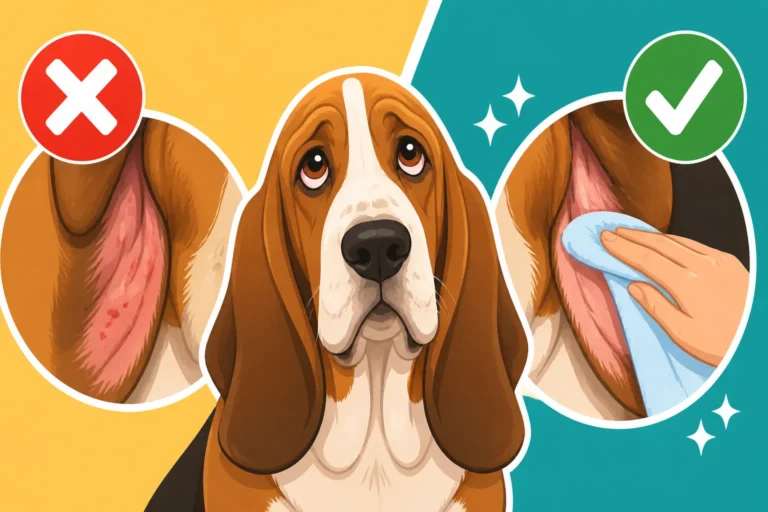
Bathing frequency depends on your Basset's lifestyle. If they're regularly romping in the mud (which, let's be honest, is a Basset Hound specialty), you might bathe them more often. Generally, once a month or every 6-8 weeks is sufficient. When bathing, choose a mild dog shampoo that won't strip their natural oils. We've talked about Which Shampoo Suits a Basset Hound before, and it’s important to find one that supports healthy skin and coat without causing dryness. Always ensure you rinse thoroughly, as shampoo residue can irritate their skin, especially in their folds. Speaking of folds, don't forget Cleaning the Folds a Basset Hound's Face Is Made Of – that's a whole other grooming adventure!
Protection from Elements
Since your Basset Hound lacks that thick, insulating undercoat, you'll need to be more mindful of their comfort in extreme temperatures.
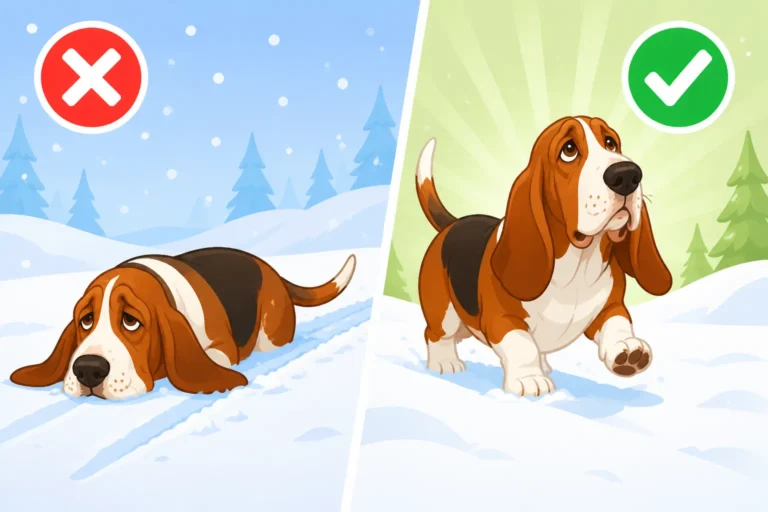
In cold weather, their short coat offers some protection, but it's not enough for prolonged exposure, especially if they're not actively moving. You'll often find them shivering surprisingly quickly. A warm sweater or coat is a smart investment, particularly for older Bassets or those with health issues. When considering Whether a Basset Hound Needs a Coat in Winter, the answer is often a resounding yes for many scenarios. Their low-slung bodies also mean their chest can drag through snow or wet leaves, making them even colder.
In hot weather, while they don't have a thick undercoat to contend with, their dense, dark coat (for many colors) can absorb heat. Their body shape and general lower energy levels also make them prone to overheating. Avoid exercising them during the hottest parts of the day and always provide plenty of fresh water and shade. Keep an eye out for signs of heat stress, as Whether a Basset Hound Overheats in Summer is a very real concern.
Managing Allergies and Skin Health
The dense nature of a Basset Hound's single coat, combined with their characteristic wrinkles and folds, can create a specific set of challenges for skin health. Their coat doesn't breathe as easily as some other short-haired breeds with looser fur. This can trap moisture and heat against the skin, especially in humid environments, potentially leading to skin issues.
Regular grooming helps with air circulation to the skin. Beyond that, pay close attention to the condition of their skin. Whether a Basset Hound Gets Seborrhea, for example, is a common concern due to their naturally oily skin. Look for any redness, flakiness, or unusual odors underneath their coat or in their folds. Diet plays a crucial role too; a good quality diet with appropriate fatty acid supplements can support skin barrier health. If you notice persistent skin issues, a vet visit is always warranted to rule out allergies or infections.
Common Coat Questions and Concerns
Living with a Basset Hound means navigating their unique coat characteristics. Let's tackle some frequently asked questions and concerns that often pop up.
Shedding Management Strategies
Let's be real: Basset Hounds shed. A lot. It's not a question of if they shed, but how much, and How Much Hair a Basset Hound Leaves on Furniture can be quite astounding for a short-coated dog. Since they don't have a seasonal "blow out" of an undercoat, their shedding is more of a consistent, year-round affair, sometimes intensifying.
Here are a few strategies:
- Consistent Brushing: This is your number one defense. Regular brushing with a rubber curry comb will remove a surprising amount of loose hair before it ends up on your sofa.
- Quality Diet: A well-balanced diet rich in omega fatty acids can support a healthy coat, which in turn can reduce excessive shedding. Brands like Ollie often focus on fresh ingredients that contribute to overall coat health. You might also consider supplements like fish oil. Whether a Basset Hound Needs Fish Oil is a good question to discuss with your vet, but many owners find it beneficial for coat luster.
- Good Grooming Habits: Regular baths (but not too frequent) keep the skin healthy, and a healthy skin often means a healthier, less shedding coat.
- Environmental Control: Invest in a good vacuum cleaner, lint rollers, and washable couch covers. There's no escaping the Basset glitter, but you can manage it.
Coat Health as an Indicator of Overall Well-being
Your Basset Hound's coat is a fantastic barometer for their general health. A healthy Basset Hound typically has a shiny, resilient, and relatively smooth coat. It might not be glossy like a Labrador's, but it should look robust.
If you notice changes in their coat, such as:
- Dullness or Dryness: This can indicate dietary deficiencies, dehydration, or an underlying health issue like hypothyroidism.
- Excessive Oiliness or Flakiness: This could point to conditions like seborrhea or other skin problems. Whether a Basset Hound's Skin Is Oily is a common trait, but excessive oiliness with odor is not.
- Patchy Hair Loss or Thinning: This is a red flag and should prompt a vet visit immediately. It could be due to allergies, parasites (fleas, mites), fungal infections, or hormonal imbalances.
Always keep an eye on your Basset's coat. A sudden change is usually a sign that something else is going on, and a trip to the vet is in order to get them checked out. Keeping track of their overall health contributes to What a Basset Hound Costs a Year to Keep, as prevention and early intervention for health issues often save money in the long run.
Disclaimer
This article is for general informational purposes only and does not constitute professional advice. Laws, prices and regulations vary by location and change over time. Consult a qualified professional for guidance on your specific situation.