Thrombopathia and the Basset Hound That Will Not Clot
It's absolutely heartbreaking to see your beloved Basset Hound experience a bleed that just won't stop, or to find unexplained bruises on their body. Many owners face a terrifying journey of uncertainty when their dog's blood simply doesn't clot as it should. This comprehensive guide is here to shed light on thrombopathia, a specific bleeding disorder common in Basset Hounds, offering deep insights into its causes, symptoms, diagnosis, and most importantly, how to manage this challenging condition to give your furry friend the best possible life.
Understanding Thrombopathia in Basset Hounds
When you hear the term "bleeding disorder," it can sound incredibly frightening, and for good reason. Thrombopathia is one such condition that specifically impacts Basset Hounds, making them prone to excessive bleeding. It's not a condition where there aren't enough platelets (the tiny cells responsible for forming clots), but rather a problem with how those platelets function. Imagine having all the bricks you need to build a wall, but they just won't stick together. That's essentially what's happening with a thrombopathic Basset Hound's platelets.
What is Thrombopathia?
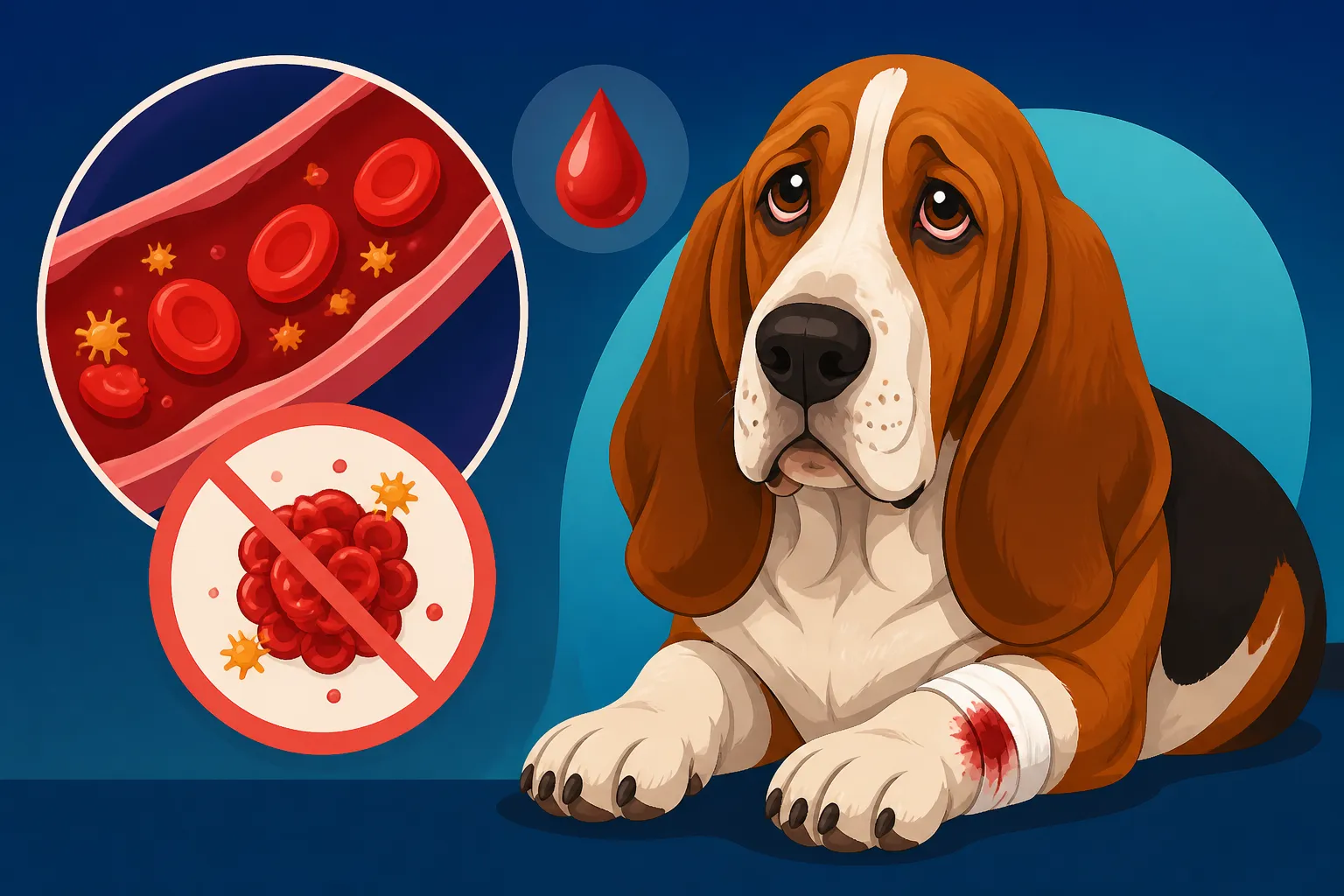
Thrombopathia is a primary platelet function defect. In simpler terms, the platelets, which are crucial for the initial plug that stops bleeding, don't work correctly. Normally, when a blood vessel is injured, platelets are immediately activated. They change shape, stick to the injured vessel wall, and then stick to each other, forming a plug. This initial plug is then reinforced by other clotting factors to create a stable blood clot. With thrombopathia, the platelets might be present in normal numbers, but they fail to perform their job of aggregating (sticking together) or adhering to the damaged blood vessel effectively. This means even a minor cut, a bump, or an internal injury can lead to prolonged or excessive bleeding, which can be alarming and potentially life-threatening.
This isn't just a minor inconvenience; it's a serious health concern. Affected dogs can bleed spontaneously from various sites, including their gums, nose, or into their joints and gastrointestinal tract. Even seemingly routine procedures like nail trims or blood draws can become complicated. It's a condition that requires constant vigilance and a deep understanding from owners to prevent dangerous situations. Without functional platelets, the body's natural defense against blood loss is severely compromised, putting the Basset Hound at a much higher risk for significant hemorrhage.
The Genetic Link: Why Basset Hounds Are Prone
The reason Basset Hounds are particularly susceptible to thrombopathia is rooted in their genetics. This specific form of thrombopathia is an inherited autosomal recessive disorder. This means that a Basset Hound must inherit two copies of the defective gene—one from each parent—to be affected by the condition. If a dog inherits only one copy of the defective gene and one normal gene, they are considered a "carrier." Carriers typically do not show symptoms of the disease themselves but can pass the gene on to their offspring. This makes breeding practices incredibly important, as unsuspecting breeders could perpetuate the condition in future generations.
The genetic mutation responsible for Basset Hound thrombopathia has been identified, which is a huge step forward for diagnosis and responsible breeding. This particular mutation affects the receptor on the surface of the platelets that is crucial for their aggregation. Because it's a known genetic defect, we now have the tools to perform genetic testing to identify affected dogs and carriers, which is invaluable for preventing the condition. Understanding this genetic basis helps explain What Thrombopathia Means for a Basset Hound and why it specifically impacts this beloved breed, rather than being a random occurrence.
Recognizing the Early Signs
Identifying thrombopathia early can be challenging because the signs can be subtle, especially in puppies. Often, the first indications might be prolonged bleeding after a routine procedure, like teething, vaccination, or a tail docking. A puppy might have unusually severe bruising from minor bumps during play. Owners might notice small, pinpoint red or purple spots on the skin or gums, known as petechiae, which are indicative of capillary bleeding. Another common sign is nosebleeds (epistaxis) that seem to happen without obvious trauma or take a long time to stop.
Sometimes, the signs are much less obvious, such as a dog seeming lethargic or having a decreased appetite due to internal bleeding that isn't immediately visible. Joint swelling and pain can indicate bleeding into the joints. It's crucial for Basset Hound owners to be extremely observant of any unusual bleeding, bruising, or changes in their dog's behavior, especially if they haven't been screened for this condition. Early recognition and veterinary intervention can make a significant difference in managing episodes and preventing severe complications.
The Visible Signs of a Bleeding Disorder
Once you're aware of thrombopathia, you start to see the world through a different lens when it comes to your Basset Hound's health. What might seem like a typical rough-and-tumble scrape for another dog could be a major red flag for a Basset with a clotting issue. The visible signs are often the first, and sometimes most terrifying, indicators that something is amiss with their blood's ability to clot.
Bruising and Petechiae: More Than Just Bumps
One of the most common and easily identifiable signs of thrombopathia in Basset Hounds is excessive bruising or the presence of petechiae. Bruises (ecchymoses) occur when blood leaks from damaged blood vessels under the skin, creating a discolored patch. In a dog with thrombopathia, these bruises can appear much larger, darker, and more extensive than what you'd expect from a minor bump or knock. They might also appear in unusual places or without any clear memory of injury. Your Basset might jump off the couch or bump into a table, and suddenly have a noticeable bruise that seems to spread.
Petechiae are even more specific and indicative of a serious underlying clotting problem. These are tiny, pinpoint red, purple, or brown spots that look like a rash and occur when capillaries (the smallest blood vessels) leak blood into the skin or mucous membranes. You might notice them on your dog's belly, inside their ear flaps, on their gums, or on the whites of their eyes. Unlike a rash, petechiae do not blanch or fade when you press on them. Their presence is a strong signal that the platelets are not effectively sealing off minor capillary leaks, and it warrants immediate veterinary attention. Regularly checking these areas, especially the gums and inner ears, can help you catch these subtle but critical signs early.
Prolonged Bleeding: When a Small Cut Becomes a Big Worry
Perhaps the most alarming symptom for many owners is prolonged or excessive bleeding from minor wounds. A simple scratch from a rose bush or a small cut on the paw pad that would normally stop bleeding in minutes can turn into a persistent trickle or flow that continues for much longer in a thrombopathic Basset Hound. This isn't just about external injuries. You might notice your Basset Hound bleeding excessively after losing a puppy tooth, during a routine nail trim, or if they accidentally bite their tongue while eating.
Gingival bleeding, or bleeding from the gums, is another common concern. Even healthy gums can bleed a little with vigorous chewing or brushing, but for a dog with thrombopathia, the bleeding can be more substantial and take an extended period to subside. Imagine trying to brush your Basset's teeth, only to have their mouth fill with blood that won't stop. This kind of experience highlights the gravity of the condition and the constant need for caution in daily life. Whether a Basset Hound Bleeds After Surgery is another critical concern, as internal and external bleeding risks are significantly elevated after any invasive procedure.
Internal Bleeding: The Hidden Dangers
While external bleeding and bruising are visible, internal bleeding presents a more insidious threat because it can be much harder to detect. Blood can accumulate within body cavities, joints, or organs, leading to a range of non-specific symptoms that might initially baffle both owner and vet. For instance, bleeding into a joint can cause swelling, pain, lameness, and a reluctance to move, symptoms that could easily be mistaken for arthritis or a strain. However, in a younger Basset Hound or one with a known clotting issue, this should immediately raise a red flag for a hemarthrosis (blood in the joint).
Bleeding into the gastrointestinal tract can manifest as black, tarry stools (melena) due to digested blood, or fresh blood in the stool if the bleeding is lower down. Vomiting blood, though less common, is another severe sign. If bleeding occurs in the chest or abdominal cavity, your dog might show signs of weakness, pale gums, rapid breathing, a distended abdomen, or collapse due to significant blood loss. These situations are medical emergencies and require immediate veterinary intervention. Early detection of internal bleeding often relies on observing subtle changes in your dog's energy levels, appetite, or bathroom habits, underscoring the importance of knowing your Basset Hound's normal behavior intimately.
Diagnosing Thrombopathia: Getting to the Bottom of It
When you suspect a bleeding disorder in your Basset Hound, the urgency to get a clear diagnosis is paramount. It’s a terrifying feeling, seeing those unexplained bruises or that persistent trickle of blood, and you need answers quickly to provide the right care. Thankfully, veterinary medicine has advanced, offering specific tests to pinpoint thrombopathia and differentiate it from other clotting issues.
Initial Veterinary Assessment and Blood Work
Your journey to diagnosis usually begins with a thorough physical examination by your veterinarian. They’ll look for visible signs like petechiae on the gums or abdomen, assess any ongoing bleeding, and palpate for swelling or tenderness that might indicate internal bleeding. They'll also ask you a lot of questions about your Basset Hound’s medical history, any recent injuries, medications, and when you first noticed the bleeding symptoms. This detailed history is crucial as it helps narrow down the possibilities.
Following the physical exam, routine blood work is almost always the next step. A complete blood count (CBC) is standard. This test will tell your vet about the number of red blood cells, white blood cells, and importantly, the platelet count. In cases of thrombopathia, the platelet count is usually normal. This is a key differentiator from other bleeding disorders where low platelet counts (thrombocytopenia) are the primary issue. If the platelet count is normal but there’s evidence of bleeding, it strongly suggests a platelet function problem rather than a platelet number problem, nudging the diagnostic path towards conditions like thrombopathia. However, a normal platelet count on a CBC doesn't confirm thrombopathia; it just points in that direction.
Specialized Testing: The Key to Confirmation
Because the issue in thrombopathia isn't the number of platelets but their ability to work correctly, specialized tests are needed to confirm the diagnosis. The most definitive test for Basset Hound thrombopathia is a genetic test. Since the specific mutation responsible for the condition in Basset Hounds has been identified, a simple cheek swab or blood sample can be sent to a specialized veterinary laboratory to check for the presence of the defective gene. This test can identify affected dogs (two copies of the gene) and carriers (one copy of the gene), which is incredibly precise and helpful for both diagnosis and breeding decisions. Whether Thrombopathia Can Be Tested in a Basset Hound is a question every potential owner or breeder should ask.
Beyond genetic testing, your vet might recommend platelet function tests. These tests assess how well the platelets are aggregating or adhering. One common method is a buccal mucosal bleeding time (BMBT) test, where a small, standardized incision is made on the inside of the dog’s lip, and the time it takes for the bleeding to stop is measured. A prolonged BMBT in a dog with a normal platelet count strongly suggests a platelet function disorder. More sophisticated tests might include platelet aggregometry, which directly measures how platelets clump together in response to different stimulating agents. These specialized tests often require samples to be sent to reference laboratories and might not be available at every veterinary clinic.
Differentiating from Other Bleeding Disorders
It's vital to differentiate thrombopathia from other conditions that can cause bleeding because the treatments and prognoses can vary significantly. One of the most common inherited bleeding disorders in dogs is Von Willebrand Disease (vWD). Similar to thrombopathia, vWD causes a defect in clotting, but it's due to a deficiency or abnormality of Von Willebrand factor, a protein essential for platelet adhesion and the formation of a stable clot. While the symptoms can overlap, the underlying mechanism is different. Genetic tests are available for vWD as well, and it's important to rule it out. Whether a Basset Hound Gets Von Willebrand Disease is a pertinent question, as some breeds can be predisposed to both.
Other possibilities include hemophilia (Factor VIII or IX deficiency), though less common in Basset Hounds, or acquired bleeding disorders like severe liver disease, anticoagulant rodenticide poisoning, or immune-mediated thrombocytopenia (where the body destroys its own platelets, leading to a low platelet count). The initial blood work, especially the platelet count, helps guide the veterinarian. If the platelet count is low, then thrombocytopenia is the focus. If the platelet count is normal, then platelet function disorders like thrombopathia or vWD become the prime suspects. Your vet will piece together all the clinical signs, genetic history, and test results to arrive at an accurate diagnosis, which is the foundation for effective management.
Managing a Basset Hound with Thrombopathia
Discovering your Basset Hound has thrombopathia is certainly alarming, but it’s far from a death sentence. With careful management, proactive measures, and a strong partnership with your veterinarian, many Basset Hounds with thrombopathia can lead fulfilling, happy lives. The key is understanding the condition thoroughly and implementing strategies to minimize bleeding risks and respond effectively when incidents occur.
Minimizing Risk: Daily Care and Environmental Adjustments
Living with a thrombopathic Basset Hound means being constantly aware of potential hazards that could lead to injury and subsequent bleeding. This starts with creating a safe home environment. Sharp edges on furniture should be padded, and any areas where your dog might get rough-and-tumble during play should be monitored. Think about installing soft, non-slip flooring or rugs in areas where your Basset is most active, as slips and falls can lead to bruising or joint bleeds. Consider keeping their nails trimmed very short to avoid snagging, but do so with extreme caution or have a vet do it, as even a quick can cause prolonged bleeding. You might want to explore alternatives to traditional nail clippers, such as a Dremel, which can be less traumatic if done carefully.
Outdoor adventures also need a careful approach. Leashed walks are a must to prevent them from bolting into traffic or rough terrain. Avoid dog parks or situations where rough play with other dogs could lead to accidental injury. If your Basset Hound loves to explore, keep them away from thorny bushes, sharp rocks, or uneven ground. Even a simple chew toy should be evaluated – hard, brittle toys could splinter and cause oral injuries. Opt for softer, durable chew toys instead. The goal isn't to wrap your Basset in cotton wool, but to make thoughtful adjustments that reduce the likelihood of injury without completely stifling their joy.
Emergency Protocols: When Bleeding Occurs
Despite your best efforts to prevent injuries, accidents can happen. It's crucial to have a clear emergency protocol in place. If your Basset Hound starts bleeding, remain calm. Panic won't help your dog. For external cuts or wounds, apply firm, direct pressure with a clean cloth or sterile gauze. Maintain this pressure for at least 5-10 minutes without peeking, as disturbing the nascent clot can restart the bleeding. If the bleeding is from a limb, elevating it slightly above the heart can help. For nosebleeds, try to keep your dog calm and apply a cold compress to the bridge of the nose. Do not tilt their head back.
However, if bleeding is prolonged, heavy, or if you suspect internal bleeding (e.g., lethargy, pale gums, distended abdomen, lameness without obvious injury), it's an emergency. Contact your veterinarian immediately or head straight to the nearest emergency veterinary clinic. Time is of the essence in these situations. It's a good idea to have your vet's number and the emergency clinic's number programmed into your phone. Also, make sure anyone caring for your Basset Hound (dog walker, pet sitter) is fully aware of their condition and your emergency plan. Discussing these scenarios with your vet beforehand can help you feel more prepared and less overwhelmed in a crisis.
Medication and Support: What the Vet Might Prescribe
While there’s no cure for genetic thrombopathia, there are several medical approaches to support your Basset Hound during a bleeding episode or to manage risks. The primary treatment for significant bleeding is often supportive care. This can include blood transfusions, particularly if your dog has lost a large volume of blood and is anemic. Transfusions provide healthy, functional platelets that can temporarily improve clotting ability. If available, platelet-rich plasma or fresh frozen plasma might be used.
In some cases, antifibrinolytic drugs like aminocaproic acid or tranexamic acid may be prescribed. These medications work by preventing the breakdown of blood clots, thereby helping to stabilize any clots that do form. They can be particularly useful before or after planned procedures or during acute bleeding. For pain associated with joint bleeds or other injuries, your vet will select pain relief that does not interfere with platelet function, as many common NSAIDs (non-steroidal anti-inflammatory drugs) can actually worsen bleeding. Aspirin, for instance, is a definite no-go for any dog with a bleeding disorder. Always ensure your vet knows about your Basset's thrombopathia before any new medication is prescribed. Whether a Basset Hound Should Avoid Aspirin is a critical piece of knowledge for any owner.
Surgical Considerations and Thrombopathia
The thought of your Basset Hound needing surgery is stressful enough, but when you add thrombopathia into the mix, it elevates the concern significantly. Any invasive procedure, from a routine spay to an emergency operation, carries a higher risk of complications due to their impaired clotting ability. This necessitates careful planning, thorough communication with your veterinary team, and specialized precautions.
Pre-Surgical Screening: Why It's Crucial
Before any surgical procedure, whether it's elective or emergency, comprehensive pre-surgical screening for a Basset Hound is not just recommended, it's absolutely essential. This goes beyond the standard blood work that might be done for other dogs. For a Basset Hound, it should explicitly include testing for thrombopathia, especially if their genetic status is unknown. This is where genetic testing shines, providing a definitive answer to whether your dog is affected or a carrier. Whether a Basset Hound Should Be Tested Before Neutering is a question that highlights the importance of this screening. Knowing their status beforehand allows the veterinary team to prepare adequately.
In addition to genetic testing, a buccal mucosal bleeding time (BMBT) should always be performed, even if the genetic test is negative for thrombopathia, as other underlying issues could still be present. This test gives a practical assessment of the dog's platelet function on the day of surgery. If the BMBT is prolonged, or if the dog is known to be thrombopathic, the surgical team can take necessary precautions, such as having blood products (whole blood, plasma, or platelet concentrate) on hand, administering antifibrinolytic drugs pre-emptively, and planning for meticulous hemostasis (stopping bleeding) during the procedure. This proactive approach significantly reduces the risk of life-threatening hemorrhagic complications during or after surgery.
Anesthesia and Post-Operative Care
Anesthesia itself needs careful consideration for a thrombopathic Basset Hound. While the anesthetic drugs don't directly impact clotting, the stress of surgery and the potential for prolonged procedures can affect the body's systems. The veterinary team will typically opt for the safest anesthetic protocols, aiming for minimal blood pressure fluctuations and a smooth recovery. During surgery, meticulous attention to hemostasis is paramount. Surgeons will use techniques like electrocautery, ligatures, and careful dissection to minimize blood loss. Every cut, every stitch, needs to be done with the awareness that the patient's blood isn't clotting normally.
Post-operative care is equally critical. The recovery period is when many bleeding complications can become apparent. Your Basset Hound will need to be closely monitored for any signs of internal or external bleeding, such as swelling at the incision site, excessive bruising, pale gums, lethargy, or weakness. Pain management is vital, but as mentioned, pain medications must be carefully selected to avoid those that impair platelet function. Strict rest and confinement will be prescribed to prevent any activity that could dislodge clots or cause new bleeding. This might mean kennel rest, limited bathroom breaks on a leash, and preventing jumping or rough play for an extended period. The vigilance continues long after your Basset Hound returns home.
The Risks of Routine Procedures
It's not just major surgeries that pose a risk. Even routine or seemingly minor procedures can become precarious for a Basset Hound with thrombopathia. Dental cleanings, for example, often involve scaling below the gumline, which can cause bleeding. For a thrombopathic dog, this bleeding can be difficult to control and may require the same pre-surgical precautions as a major operation. Similarly, deep ear cleanings, biopsies, tumor removals, or even extensive wound repairs require careful planning.
Elective procedures like spaying or neutering, which are often considered standard for most dogs, carry significant risks for affected Basset Hounds. The incisions, the dissection of blood vessels, and the post-operative recovery period all present opportunities for excessive bleeding. This is why thorough screening is so important. Knowing your dog's thrombopathia status allows the vet to have blood products ready and to consider alternative surgical methods that might further reduce bleeding risk. Understanding these heightened risks empowers you as an owner to make informed decisions and ensure your Basset Hound receives the safest care possible for every procedure, no matter how minor it seems. Whether a Basset Hound Bleeds After Surgery is a question you'll constantly be asking yourself, and your vet, in these situations.
Living with a Thrombopathic Basset Hound
Welcoming a Basset Hound with thrombopathia into your life, or discovering the condition later, certainly adds a layer of responsibility and concern. It requires dedication, but it’s entirely possible for these wonderful dogs to live full and happy lives. It’s about adapting, educating yourself, and being their fiercest advocate.
Quality of Life: Ensuring Comfort and Happiness
Despite the challenges, ensuring a high quality of life for your thrombopathic Basset Hound is paramount. This means finding a balance between protecting them from injury and allowing them to enjoy being a dog. While rigorous, high-impact activities might be off-limits, engaging their incredible nose and providing mental stimulation is crucial. Nose work games, like hiding treats around the house or using snuffle mats, can be excellent outlets for their energy and instincts without the risk of physical trauma. Gentle, leashed walks on safe, even terrain are often fine, allowing them to sniff and explore to their heart's content. These activities keep them physically fit without overexertion.
Comfort also extends to their environment. A soft, supportive bed is essential, reducing pressure points and providing a safe, cozy space. Ensuring they have easy access to food and water without needing to jump or stretch awkwardly can prevent accidental bumps. Regular, gentle handling from a young age can help them become accustomed to examinations, making vet visits less stressful. Your emotional support and unwavering patience will be their greatest comfort, helping them feel secure and loved despite their unique health needs.
Breeder Responsibility and Genetic Counseling
The existence of genetic conditions like thrombopathia underscores the profound importance of responsible breeding practices. Reputable Basset Hound breeders are acutely aware of this condition and actively work to prevent its propagation. They will utilize genetic testing to screen all potential breeding dogs, ensuring that they do not breed affected dogs or carriers with other carriers. The goal is to produce litters free of thrombopathia. If both parents are carriers, there is a 25% chance of offspring being affected, a 50% chance of being carriers, and a 25% chance of being clear. Understanding this genetic counseling is key.
If you are considering getting a Basset Hound puppy, always inquire about genetic testing for thrombopathia. Ask to see the genetic test results of both parents. A responsible breeder will be transparent and proud to share this information. They should also be able to explain the implications of carrier status and how they manage their breeding program to avoid producing affected puppies. This proactive approach by breeders is the most effective way to reduce the incidence of thrombopathia in the Basset Hound population and ensures that future generations are as healthy as possible. The Health Tests a Basset Hound Breeder Should Run should definitely include thrombopathia screening.
Financial Implications and Pet Insurance
Managing a Basset Hound with thrombopathia can, unfortunately, come with significant financial implications. The costs can quickly add up, from specialized diagnostic tests and emergency veterinary visits to potential blood transfusions and ongoing supportive medications. Regular monitoring and preventative care might also be more intensive. A single emergency bleeding episode requiring hospitalization and transfusions could easily run into thousands of dollars. What a Basset Hound's Emergency Surgeries Cost can be a huge burden without proper planning.
This is where pet insurance can be an invaluable lifeline. Investing in a comprehensive pet insurance plan early, before any signs of thrombopathia appear, is highly recommended. Policies from providers like Healthy Paws can help offset the considerable costs of diagnostics, treatments, and emergency care for conditions like thrombopathia. It’s important to understand the specifics of any policy, including deductibles, reimbursement percentages, and what constitutes a pre-existing condition, as most policies won't cover conditions diagnosed before enrollment or during a waiting period. Carefully researching options and selecting a robust plan can provide much-needed peace of mind, allowing you to focus on your Basset Hound's care rather than worrying about the veterinary bills. While specific exclusions can sometimes apply, a good provider like Healthy Paws aims to cover a broad range of accidental injuries and illnesses, which can be critical for a dog with a chronic condition. For families managing a Basset Hound, financial foresight, potentially including pet insurance, is as crucial as medical care planning. Additionally, having a dedicated emergency fund, even if you have insurance, is always a wise decision to cover any unexpected costs or co-pays. Insuring a Basset Hound Against Eyes, Ears and Backs often includes coverage for other health issues.
Preventing the Spread: Breeding Responsibly
The fight against inherited diseases like thrombopathia in Basset Hounds isn't just about managing affected dogs; it's crucially about preventing future generations from suffering. Responsible breeding practices are the cornerstone of this prevention, ensuring that the health and welfare of the breed remain a top priority.
Screening Potential Breeding Dogs
The most effective way to prevent the spread of thrombopathia is through diligent genetic screening of all Basset Hounds intended for breeding. As an autosomal recessive disorder, even seemingly healthy carriers can pass the gene to their offspring. Therefore, every potential breeding dog should undergo a genetic test for Basset Hound thrombopathia. This test is straightforward, usually involving a simple cheek swab or blood sample, and provides definitive results: clear, carrier, or affected.
A responsible breeder will only breed dogs that are clear of the condition, or, if they choose to breed a carrier, they will only breed them with a dog that is genetically clear. This "clear to carrier" pairing will produce no affected puppies, though approximately half of the puppies will be carriers. These carrier puppies should then also be tested, and if kept for breeding, only bred to clear dogs. By adhering to these strict testing and pairing guidelines, breeders can systematically reduce the prevalence of the defective gene in the breed population and ensure that no affected puppies are born. This commitment to genetic health is a hallmark of an ethical breeding program. Whether an Untested Basset Hound Litter Is Worth Buying should raise serious concerns for prospective owners.
Understanding Carrier Status
The term "carrier" often causes confusion and sometimes unnecessary alarm. A Basset Hound that is a carrier for thrombopathia has inherited one copy of the defective gene and one normal copy. Because the condition is recessive, these dogs typically do not exhibit any clinical signs of the disease themselves; their normal gene provides enough functional platelets. They are, for all intents and purposes, healthy dogs. However, they carry the potential to pass the defective gene on to their offspring.
Understanding carrier status is vital for breeding decisions. While breeding two carriers together is strongly discouraged (as it can produce affected puppies), breeding a carrier with a genetically clear dog is a viable option for responsible breeders who wish to maintain valuable bloodlines. Any puppies from such a pairing would need to be tested themselves to identify which are clear and which are carriers. This careful management ensures that the genetic diversity of the breed is maintained while actively working to reduce the incidence of the disease. Whether a Carrier Basset Hound Bleeds is a common question, and the answer is usually no, as they are asymptomatic.
The Importance of Reputable Breeders
When looking for a Basset Hound, choosing a reputable breeder is perhaps the single most important decision you'll make for your future dog's health. A reputable breeder prioritizes the health and temperament of their dogs above all else. They will be transparent about genetic testing, including thrombopathia, and openly share health clearances for both parents. They will understand the intricacies of inherited conditions and breed accordingly.
They will also be a valuable resource for you, offering ongoing support and advice throughout your dog's life. A good breeder will screen potential buyers, ensure puppies are well-socialized, and provide a health guarantee. Beware of breeders who cannot provide health testing results, breed many different types of dogs, or seem more interested in making a quick sale than ensuring a good home and healthy puppy. Investing in a puppy from a responsible, health-conscious breeder not only reduces the risk of inherited diseases like thrombopathia but also ensures you're bringing home a well-adjusted and genetically sound companion. What a Basset Hound Puppy Costs From a Real Breeder often reflects the extensive health testing and care invested in the parents and puppies.
Disclaimer
This article is intended for informational purposes only and does not constitute veterinary advice. While we strive to provide accurate and up-to-date information, it should not be used as a substitute for professional medical advice, diagnosis, or treatment from a qualified veterinarian. Always seek the advice of your veterinarian or other qualified health provider with any questions you may have regarding a medical condition or the health and welfare of your pet. Never disregard professional veterinary advice or delay in seeking it because of something you have read in this article.