Whether Snow Sticks to a Basset Hound’s Undercarriage
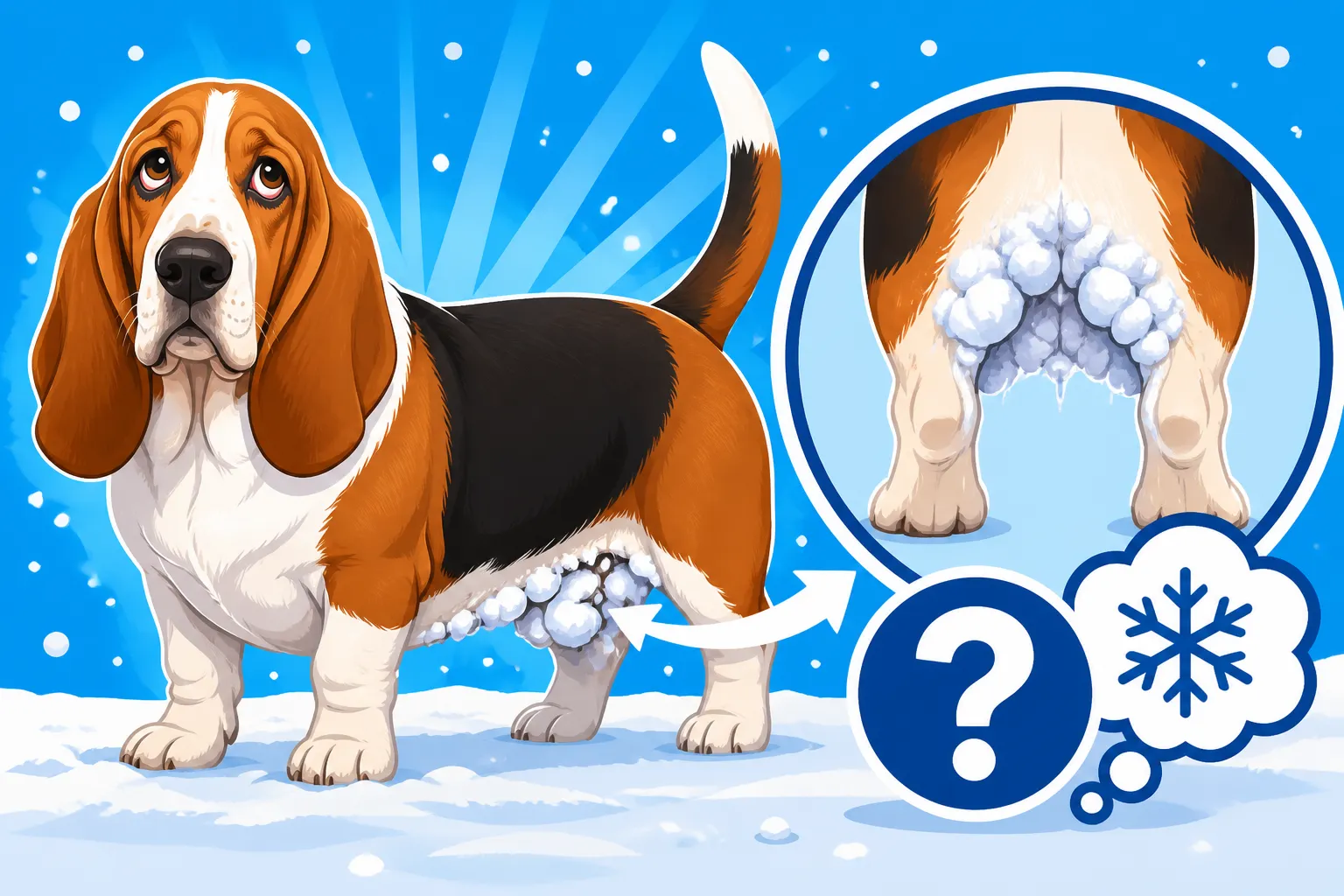
It’s a scenario many Basset Hound owners know all too well: you head out for a lovely winter walk, picturing your cheerful hound trotting through a pristine blanket of white, only to return home with a dog looking more like a walking snowdrift than a dignified hound. The truth is, due to their unique build, snow absolutely loves to cling to a Basset Hound’s undercarriage, turning a pleasant stroll into an uncomfortable, icy ordeal. This comprehensive guide will delve into why this happens, the challenges it presents, and, most importantly, how you can help your beloved Basset navigate snowy conditions with greater ease and comfort.
Understanding the Basset Hound's Unique Build and Snow Challenges
Our Basset Hounds are truly one-of-a-kind, built for trailing scent with their incredible noses close to the ground. While this anatomical marvel makes them exceptional at their original purpose, it also creates some particular challenges when it comes to navigating the elements, especially snow. Their distinctive features, which we adore, can become magnets for the white stuff, leading to discomfort and potential issues.
The Low-Slung Body: A Snow Magnet
There's no getting around it – Basset Hounds are lowriders of the dog world. Their short, sturdy legs and deep chests mean their entire underside, from chest to belly and beyond, is incredibly close to the ground. When you're out walking in anything more than a dusting of snow, this means their entire undercarriage acts like a snowplow, constantly collecting snow. It gets pushed up against their fur, where body heat starts to melt it. This wet snow then quickly refreezes, forming hard, icy clumps that can be incredibly painful and heavy.
Imagine trying to walk with dozens of ice cubes clinging to your belly fur, tugging at your skin with every step. That's essentially what your Basset experiences. This isn't just a minor annoyance; it can make them hesitant to move, shorten walks significantly, and even lead to raw, irritated skin if the ice isn't removed gently and promptly. The sheer volume of snow that can accumulate can be shocking, turning your dog into a lumpy, snow-encased creature.
The Short, Dense Coat: Not Always a Shield
While a Basset Hound's coat is short and dense, it's not quite the weatherproof armor of, say, a Siberian Husky. The short hairs can easily trap moisture, and in snowy conditions, this translates directly to trapped snow and ice. Instead of shedding snow like some double-coated breeds, their fur tends to hold onto it, allowing those dreaded ice balls to form. The density of the coat, while offering some insulation, also provides more surface area for the melting and refreezing cycle to take hold.
You might think a short coat would be less prone to snow accumulation, but it's often the opposite for breeds like the Basset with their body shape. The combination of their low stature and the way their fur holds moisture makes them particularly susceptible. It's a bit like trying to run through wet cement – the short, dense nature of their coat just grips onto the snow, especially in areas where it's pressed repeatedly against the ground or other parts of their body.
Those Magnificent, Trailing Ears: Another Snow Collection Point
Ah, the Basset's ears! Long, velvety, and undeniably charming, they are also another prime candidate for snow and ice accumulation. As your Basset moves, their ears often sweep the ground, just as they would for scent. In snowy conditions, this means they're constantly dragging through the snow, picking up moisture and tiny bits of ice. Like their undercarriage, these long ears can quickly become heavy with frozen snow, adding to their discomfort.
Beyond the weight, icy ears can become stiff and painful. If ice balls form around the tips or along the edges, it can restrict their movement and even cause cracking or chaffing of the delicate skin. It's a good reminder that Whether a Basset Hound's Ear Flap Gets Torn can be a concern not just from accidents, but from prolonged exposure to harsh elements and accumulated ice. Keeping those glorious ears clean and free of ice isn't just about aesthetics; it's a vital part of their winter care.
Why Snow Accumulates and What It Means for Your Basset
The physics of snow sticking to your Basset Hound's fur is fascinating, if frustrating for us owners! It's not just that they're low to the ground; it's a dynamic interplay of temperature, moisture, and friction that turns a beautiful snowy landscape into a Basset-owner's annual dilemma. Understanding this process helps us better protect our hounds.
The Mechanism of Snow and Ice Ball Formation
When your Basset trots through snow, especially wet, clumpy snow that's around freezing point, a few things happen. First, the snow is physically pressed against their fur by their movement and their low body. Second, your Basset's natural body heat starts to melt this snow. This creates a thin layer of water. As they continue to move, this water then comes into contact with colder snow or air, causing it to refreeze. This refreezing isn't uniform; it creates little balls of ice that incorporate the fur. The more they move, the more snow and ice accumulate around these initial frozen bits, building up into larger, harder ice balls, particularly on their legs, belly, and chest.
This process is exacerbated by the Basset's body shape. Their ample skin folds, especially around the neck and chest, can also trap snow and moisture, leading to ice formation in these sensitive areas. The friction of their legs rubbing against their body, and their ears sweeping the ground, only helps to pack the snow more tightly and encourage this melt-and-refreeze cycle. It's a vicious cycle that quickly turns soft snow into painful, hard lumps.
Discomfort and Potential Injuries
The immediate and most obvious consequence of snow accumulation is discomfort. Those ice balls aren't light, and they tug at the fur and skin. This can lead to:
- Chafing and Irritation: The constant rubbing of hard ice against soft skin can cause redness, rawness, and irritation, particularly in the armpits, groin, and between the toes.
- Painful Walking: The weight and discomfort can make your Basset reluctant to walk, causing them to lift their legs unusually high or try to shake the ice off, which is often fruitless. You might find that The Basset Hound That Will Not Walk Any Further on a snowy day is simply trying to tell you they're in pain.
- Cracked Pads: While less directly related to ice balls, prolonged exposure to cold and wet conditions, combined with the stress of ice in paw fur, can contribute to dry, cracked paw pads, which are incredibly painful. You'll want to be vigilant in Looking After a Basset Hound's Feet and Nails during winter.
- Hypothermia Risk: Though less common with just snow accumulation, if your Basset gets thoroughly soaked and covered in ice, especially an older or more delicate hound, their body temperature can drop, leading to serious health issues. Whether a Basset Hound Feels the Cold is a real concern, and heavy, wet snow makes them much colder.
The Dangers of Road Salt and Chemical De-icers
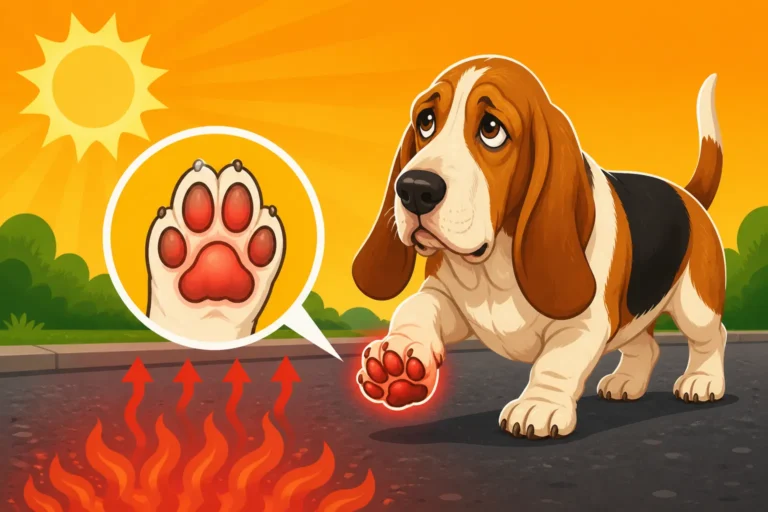
Beyond the natural snow and ice, the chemicals we use to manage icy sidewalks and roads pose a significant threat to our Basset Hounds. Road salt and various chemical de-icers are harsh and corrosive. When your Basset walks through these substances, they not only stick to their paws but can also become embedded in the snow and ice that clings to their undercarriage and belly.
If ingested – which is highly likely as Bassets often lick their paws and fur to clean themselves – these chemicals can cause stomach upset, vomiting, diarrhea, and in severe cases, even kidney damage. Furthermore, direct contact with their skin can cause chemical burns, irritation, and dryness on their paw pads and between their toes. The burning sensation alone is enough to make any walk miserable for them. This is why a thorough post-walk cleaning routine is absolutely non-negotiable in winter, especially if you live in an urban or suburban area where these chemicals are heavily used.
Practical Solutions for a Snowy Basset Hound Walk
The good news is that while snow sticking to your Basset Hound's undercarriage is a common problem, there are plenty of practical steps you can take to minimize the discomfort and keep your hound happy and healthy through the winter months. A little preparation goes a long way!
Proactive Protection: Gear and Preparation
Being proactive before you even step outside is key to a more comfortable snowy adventure.
- Paw Protection: The most immediate line of defense for paws is booties. This might sound silly for a Basset, but quality dog boots can prevent ice balls from forming between their toes, protect against road salt, and provide better grip. Brands like Ruffwear or Muttluks offer durable options that you can often find on Chewy or Amazon. Make sure they fit snugly but aren't too tight, and introduce them slowly indoors before expecting your Basset to enjoy a full walk in them. Alternatively, a good paw balm or wax, like Musher's Secret, can create a protective barrier on their pads, though it won't prevent ice balls in fur as effectively as boots.
- Protective Clothing: This is where a good winter coat or snowsuit comes in. Look for one that covers a significant portion of their undercarriage and chest to prevent snow from directly accumulating on their fur. A waterproof or water-resistant material is ideal. Many manufacturers, including those found on Amazon, now make dog jackets specifically designed for deeper-chested, shorter-legged breeds that offer good belly coverage. This helps reduce how much Whether a Basset Hound's Chest Drags in Snow actually impacts them.
- Trimmed Fur: While you shouldn't shave your Basset, keeping the fur between their paw pads and around their belly a bit shorter can help reduce the surface area for snow and ice to cling to. A quick trim with blunt-nosed scissors before winter sets in can make a surprising difference.
Here's a quick comparison of popular protection methods:
| Protection Method | Pros | Cons | Best For |
|---|---|---|---|
| Dog Booties | Excellent paw protection, prevents ice balls | Can be hard to fit, some dogs resist them, may fall off | Heavy snow, icy conditions, salted pavements |
| Paw Wax/Balm | Easy to apply, natural feel | Less protection from ice balls in fur, needs reapplication | Light snow, dryness prevention |
| Winter Coat/Suit | Protects undercarriage, provides warmth | Can be bulky, some dogs dislike wearing clothes | Deep snow, very cold weather, long walks |
| Trimmed Paw/Belly Fur | Reduces snow retention, no extra gear needed | Requires regular maintenance, not full protection | General winter maintenance |
Post-Walk Cleanup: The Essential Routine
After every snowy walk, no matter how short, a dedicated cleanup routine is crucial. This isn't just about tidiness; it's about your Basset's health and comfort.
- Immediate Removal of Ice Balls: As soon as you get inside, gently remove any ice balls. Don't pull them out, as this can be extremely painful for your dog. Instead, use warm water to melt them or gently work them out with your fingers. A warm, damp cloth held against the icy clumps can speed up the melting process. You can even use a small, rounded dog comb to carefully tease them apart once they've started to soften.
- Thorough Paw and Leg Wash: Even if your Basset wore booties, their lower legs and paws will have been exposed. Use a small basin of lukewarm water to wash off any remaining snow, ice, or most importantly, road salt and chemicals. Pay close attention to between the toes and around the pads. A quick rinse with a detachable showerhead in the tub works wonders.
- Drying is Key: After washing, thoroughly dry your Basset, especially their paws, belly, and ears. Moisture left in these areas can lead to skin irritation, fungal infections, or even exacerbate cold. Towel-dry vigorously, and for those long ears, ensure they are completely dry, as Whether a Basset Hound's Ears Should Be Dried After a Bath extends to snowy adventures too. A quick pass with a low-heat hairdryer can be helpful, but always keep it moving and monitor the temperature.
- Check for Irritation: While drying, take a moment to inspect your Basset's skin. Look for any redness, cuts, cracks on their paw pads, or signs of irritation from the cold or chemicals. Early detection allows for prompt treatment and prevents minor issues from becoming major problems.
Managing Severe Snow Conditions
Sometimes, the snow is just too deep or too icy for a comfortable walk, even with all the gear. It’s important to recognize when it’s best to limit outdoor exposure for your Basset.
- Shorter, More Frequent Outings: Instead of one long walk, consider several very short trips outside just for potty breaks. This limits their exposure to the snow and ice. You might find that How Far a Basset Hound Should Walk drastically changes in winter.
- Clear a Path: If you have a yard, clear a specific, safe path for your Basset to do their business. This reduces the amount of time they have to plow through deep snow and minimizes undercarriage accumulation. You can even use a pet-safe de-icer on these paths if necessary, but always check labels for dog safety.
- Indoor Activities: When outdoor conditions are truly miserable, pivot to indoor activities. Engage their amazing nose with scent work games like hiding treats around the house, or invest in puzzle toys. Even a gentle game of fetch in a hallway can burn off some energy. Whether an Old Basset Hound Still Needs Walks might be a valid concern, but for any Basset, adapting to indoor activities when conditions are poor is a must.
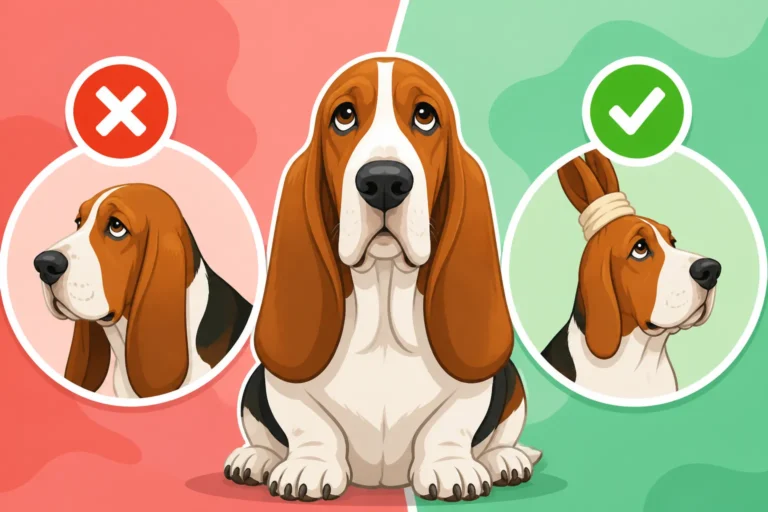
- Consider a "Snood": For those magnificent ears, a snood can be a game-changer. It holds their ears up and out of the snow and mud, keeping them cleaner and preventing ice from accumulating on the delicate ear leather. What a Snood for a Basset Hound Costs is a small price to pay for ear protection and comfort. You can find various snood options on sites like Amazon or Chewy.
Keeping Your Basset Safe and Happy in Winter
Beyond just dealing with snow on their undercarriage, winter brings a host of other considerations for our Bassets. Their unique physique and characteristics mean we need to think holistically about their care when the temperatures drop.
Recognising Signs of Cold and Discomfort
It's vital to be able to read your Basset's cues, as they can't simply tell us they're cold or uncomfortable. If you notice any of these signs, it's time to cut the walk short and get them warmed up:
- Shivering: This is the most obvious sign, indicating they are struggling to maintain their body temperature.
- Reluctance to Move: If your Basset slows down, tries to turn back, or refuses to walk altogether, it's a clear signal they are unhappy, likely due to cold or pain from ice balls.
- Lifting Paws: Repeatedly lifting a paw, holding it up, or limping can indicate cold, pain from ice, or irritation from salt on their pads.
- Whining or Crying: Any vocalisation of distress is a strong indicator that something is wrong.
- Hunching or Tucking Tail: These are classic signs of a dog trying to conserve body heat or indicating discomfort.
- Pale Gums: In severe cases of hypothermia, their gums may appear pale. This is an emergency.
Remember that Whether a Basset Hound Needs a Coat in Winter isn't just about looking fashionable; it's a practical consideration for their health and well-being, especially for those who feel the cold more acutely.
Alternative Winter Activities
When the snow is piling up and the wind is howling, it's tempting to just let your Basset be a couch potato. While they excel at that, they still need mental and physical stimulation.
- Indoor Scent Games: Capitalize on their strongest asset – their nose! Hide treats in various places around the house, making them work to find them. Use snuffle mats or puzzle feeders from Chewy to challenge their minds. This can be surprisingly tiring for them.
- Training Sessions: Winter is a great time to brush up on obedience cues or teach new tricks. Short, positive reinforcement training sessions can keep their minds sharp and engaged.
- Playdates: If your Basset is social, consider arranging indoor playdates with a dog friend at a warm, pet-friendly location or a friend's home.
- Treadmill Training (with caution): For some Bassets, especially those accustomed to it, a treadmill can be an option for exercise, but it must be introduced very slowly and carefully, always supervised, and never forced. This is certainly not for every hound.
General Winter Wellness
Keeping your Basset healthy in winter extends beyond just managing snow. It involves looking at their overall care routine.
- Nutrition and Hydration: Ensure they have access to fresh water at all times. If they're exercising less, you might need to slightly adjust their food intake to prevent unnecessary weight gain, as Why a Heavy Basset Hound Breaks Down Faster is a serious consideration for their joints. Brands like Ollie offer fresh, balanced food options that can contribute to overall health and vitality, which is important for maintaining body temperature and a healthy coat in cold weather.
- Joint Care: Cold weather can exacerbate joint stiffness and discomfort, especially in older Bassets or those prone to conditions like elbow or hip dysplasia. Talk to your vet about whether joint supplements might be beneficial for your hound during these colder months.
- Veterinary Check-ups: A pre-winter check-up can be beneficial, especially for senior Bassets, to ensure they are in good health to face the colder temperatures and any potential challenges that might arise. Your vet can advise on specific concerns you might have regarding their breed-specific health issues.
Winter can be a beautiful and fun time to enjoy with your Basset Hound, provided you take the necessary precautions. By understanding their unique needs and preparing for the challenges snow presents, you can ensure your beloved hound stays comfortable, safe, and happy, no matter how much white stuff falls.
Disclaimer
This article is for general informational purposes only and does not constitute professional advice. Laws, prices and regulations vary by location and change over time. Consult a qualified professional for guidance on your specific situation.