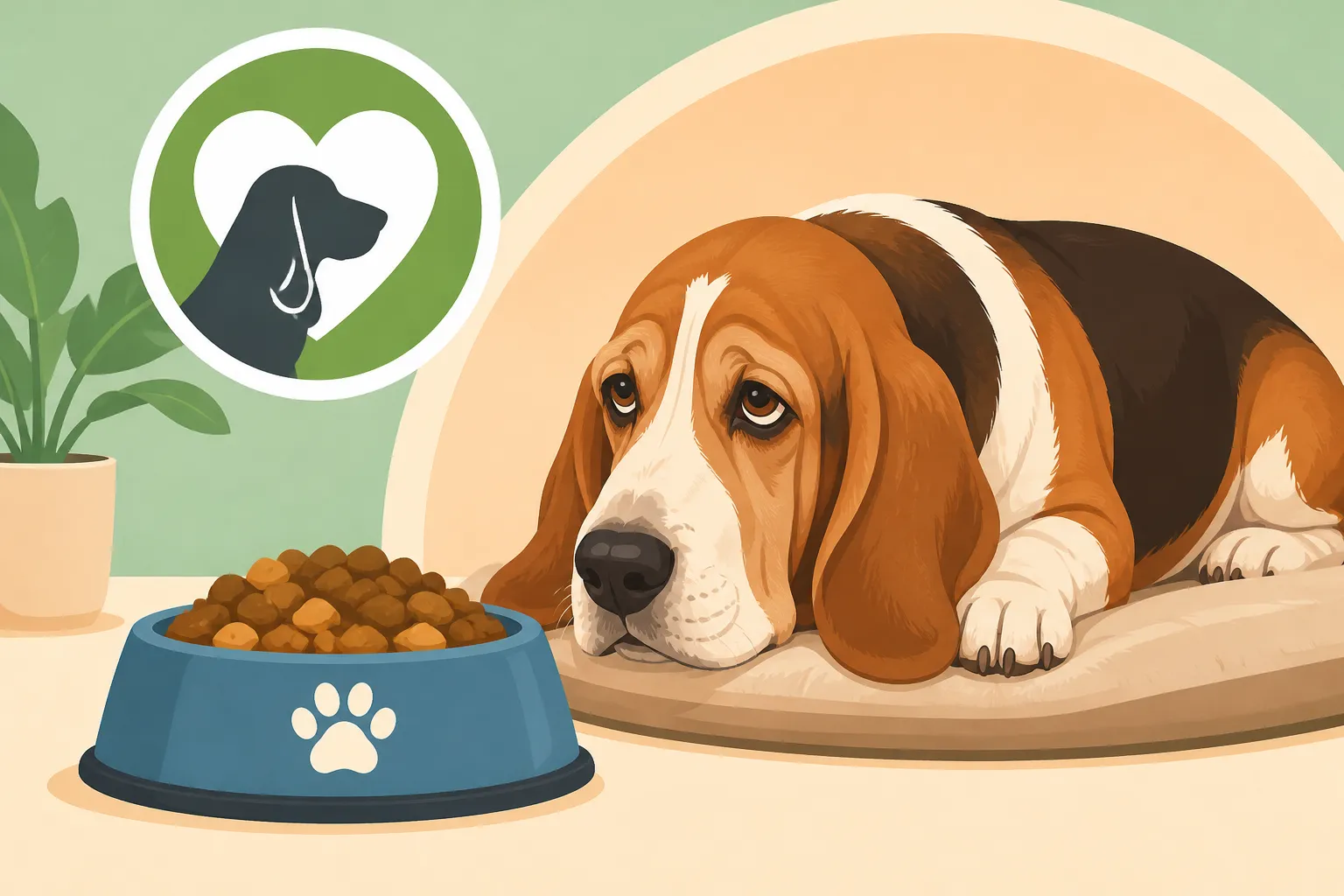
Feeding an Old Basset Hound That Has Slowed
It’s a bittersweet moment when you start to notice your beloved Basset Hound slowing down. Those once boisterous, scent-driven dashes become a more leisurely shuffle, and the boundless energy of youth gives way to longer naps. When their activity level drops, one of the biggest challenges we face as Basset owners is figuring out how to adjust their diet to keep them healthy and comfortable in their golden years. This guide will walk you through the essential considerations for feeding an older Basset Hound who isn't quite as spry as they once were, ensuring they get the right nutrition without packing on extra pounds or missing out on vital support.
Understanding Your Senior Basset Hound's Changing Nutritional Needs
As your Basset Hound eases into their senior years, their body undergoes a lot of changes, and their dietary needs shift right along with them. It’s not just about less running; it’s a whole internal recalibration that requires a thoughtful approach to their dinner bowl. Ignoring these changes can lead to a host of problems, from unnecessary weight gain that burdens their already characteristic joints to a lack of essential nutrients for maintaining muscle mass.
Slowing Metabolism and Reduced Activity
One of the most significant shifts in an aging Basset Hound is a noticeable decrease in their metabolic rate. Think of it like a car shifting from a highway cruise to city driving – it just doesn't burn as much fuel. Couple this with the fact that many older Bassets naturally become less active; they might skip the long sniffing excursions in favor of a shorter potter around the garden, or spend more time snoozing on their orthopedic bed than chasing squirrels. This combination means that the same amount of food they ate in their prime can now quickly lead to excess weight.
It’s a common trap many of us fall into. We remember how much they used to devour, how active they were, and we want to keep them happy. But those extra calories, even just a few kibbles more each day, accumulate surprisingly fast. This is why paying close attention to portion sizes and the calorie content of their food becomes paramount. A heavy Basset Hound isn't just a big Basset Hound; it’s a Basset Hound whose skeletal structure and joints are under constant strain, potentially exacerbating issues like Arthritis in a Basset Hound at Seven or The Back Trouble a Basset Hound Is Built Into.
Muscle Loss and Joint Health
Another subtle but critical change in senior Basset Hounds is a natural tendency towards sarcopenia, which is age-related muscle loss. You might notice their hindquarters looking a little less robust, or they might struggle a bit more to get up from a lying position. To combat this, older Bassets actually need a good amount of high-quality protein in their diet. It might seem counterintuitive if you're thinking "lower calories," but protein helps maintain muscle mass, which is crucial for supporting their joints and overall mobility.
Beyond muscle, their joints themselves, which have already carried a substantial, unique frame for years, start to show more wear and tear. This is where supplements and specific dietary ingredients can really shine. Many senior dog foods are formulated with ingredients like glucosamine and chondroitin, which are building blocks for cartilage and can help support joint health. Omega-3 fatty acids, often found in fish oils, are also fantastic for reducing inflammation and keeping those joints as limber as possible. It's about providing the internal support their body needs to keep moving, even if it's at a slower pace. You want to give them every advantage to stay comfortable and mobile as they age, especially if they are starting to show The Signs a Basset Hound Is Getting Old.
Adjusting Their Diet: What to Look For in Senior Dog Food
When it comes to feeding an old Basset Hound who has slowed, it's not just about feeding less; it's about feeding smarter. The market for senior dog food has grown tremendously, and for good reason. These specialized formulas are designed to address the nuanced needs of aging pups, providing a balanced diet that supports their changing bodies without overfeeding them.
Lower Calorie, Higher Protein
The ideal senior dog food for a Basset Hound who has slowed down will typically have a lower calorie count per serving than an adult formula. This helps prevent unwanted weight gain, which as we know, can put immense stress on their short, stout legs and long backs. However, as discussed, "lower calorie" shouldn't mean "lower protein." In fact, quite the opposite. Look for foods that maintain a good, high-quality protein content. This helps preserve lean muscle mass, which is vital for strength and mobility in older dogs. Ingredients like real chicken, turkey, or lamb as the first few ingredients are excellent indicators of quality protein sources.
When you're browsing options, whether it's on Chewy or at your local pet supply store, take a moment to compare the "guaranteed analysis" on the back of the bags. You're looking for that sweet spot where the calories are moderated, but the protein percentage remains robust. Don't be afraid to ask your vet for specific recommendations, as they can tailor advice to your Basset's individual health profile.
Joint Supplements and Omega Fatty Acids
As their joint health becomes a primary concern, choosing a food fortified with joint-supporting ingredients can make a real difference. Glucosamine and chondroitin sulfate are the dynamic duo often cited for cartilage support and repair. These aren't cures for arthritis, but they can certainly help maintain joint fluidity and reduce discomfort. Think of it as giving their hardworking joints a little extra cushion and lubrication from the inside out.
Beyond glucosamine and chondroitin, look for foods rich in omega-3 fatty acids, especially EPA and DHA. These are powerful natural anti-inflammatories, which can ease the aches and pains associated with aging joints. Fish oil is a common source, so you might see ingredients like salmon oil, flaxseed, or even specific algal oils listed. If your chosen food doesn't have sufficient levels, you can always supplement with a separate fish oil product, readily available on Amazon or through pet supply retailers. It's all about making sure those precious joints stay as comfortable as possible for your Basset Hound. Whether a Basset Hound Needs Joint Supplements is a question many owners ponder, and for seniors, the answer is often a resounding yes.
Digestibility and Fiber
An aging digestive system can sometimes be less efficient than it once was. You might notice changes in stool quality or even occasional bouts of constipation or upset stomach. Senior dog foods often contain prebiotics and probiotics to support a healthy gut microbiome, which can improve digestion and nutrient absorption. Additionally, a moderate amount of fiber is beneficial. Too much fiber can reduce nutrient absorption, but the right amount helps maintain regular bowel movements, preventing constipation which can be uncomfortable for an older dog.
Consider easily digestible carbohydrate sources like sweet potatoes, brown rice, or oats. Avoid foods with excessive fillers or artificial ingredients that might be harder for an older, more sensitive stomach to process. Some owners even turn to fresh food delivery services like Ollie, which offer gently cooked, human-grade meals that can be incredibly palatable and easy on the digestive system for senior dogs, often leading to better stool quality and overall vitality.
Practical Strategies for Feeding a Slowed Senior Basset
Once you've chosen the right food, how you feed your Basset Hound is just as important as what you feed them. Older dogs often have unique quirks or challenges that require a bit more thought and a gentle approach during mealtime.
Portion Control and Meal Frequency
This is perhaps the single most crucial aspect of feeding a slowed senior Basset. Because their metabolism has dipped, they simply don't need as many calories. Start by consulting the feeding guidelines on your chosen senior dog food, but consider them a starting point. Many Basset Hounds tend towards being a bit chunky, and it's all too easy for them to become overweight.
A good strategy is to divide their daily allowance into two smaller meals, maybe even three if your Basset struggles with larger portions or has a sensitive stomach. This can also help prevent them from feeling too hungry throughout the day. If your Basset is a notorious food gulper, a slow feeder bowl from Chewy or Amazon can be a lifesaver, making them work a little harder for their meal and preventing indigestion. Regularly reassess their weight; if they're gaining, slightly reduce the portion, and if they're looking a bit too lean (less common for Bassets!), you can slowly increase it. The goal is to keep them at their ideal body weight, which is critical for What Extra Weight Does to a Basset Hound.
Making Food Appealing
Some senior Bassets can become a bit finicky with their food, or they might have dental issues that make crunchy kibble uncomfortable. If your Basset Hound starts turning up their nose at mealtime, there are a few tricks you can try:
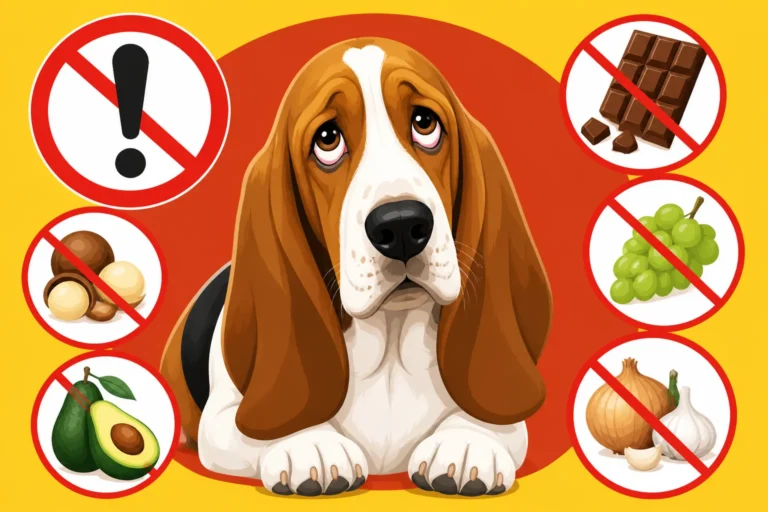
- Add Warm Water or Broth: A little warm water or low-sodium chicken/beef broth can soften kibble and release aromas, making it more palatable. Ensure the broth is dog-safe and free of onions or garlic.
- Mix in Wet Food: A spoonful of high-quality wet senior dog food mixed with their kibble can greatly enhance appeal. Just remember to account for the added calories.
- Gently Cooked Add-ins: Small amounts of plain, cooked chicken, lean ground beef, or scrambled egg can be irresistible toppers. Again, moderation is key to avoid unbalancing their diet or adding too many calories.
- Dental Health: If chewing seems painful, consider switching to a softer kibble, or a mixture of wet and dry food. Regular dental check-ups are essential, as Whether a Basset Hound Gets Dental Disease is a common issue that can make eating difficult.
Monitoring Weight and Body Condition
Regularly monitoring your Basset Hound's weight and body condition is absolutely paramount. It’s not enough to guess. You can weigh your Basset at home if you have a suitable scale, or pop into your vet's office for a quick weigh-in during off-peak hours. Aim for weekly or bi-weekly checks, especially when you're first adjusting their diet.
Beyond the number on the scale, learn to assess their body condition. You should be able to easily feel their ribs with slight pressure, and they should have a discernible waist when viewed from above, even with the Basset's famously thick build. Their tummy should tuck up slightly, rather than hanging low. If you can't feel their ribs, or they look round like a sausage, it's time to reduce their portions. On the flip side, if their ribs are very prominent, they might need a bit more food. Your vet can provide guidance on Keeping a Basset Hound at Its Correct Weight and help you understand what a healthy weight looks like for your individual dog.
Here's a quick guide to body condition scoring:
| Score | Description | What You See/Feel | Action |
|---|---|---|---|
| 1-2 | Underweight | Ribs, spine, pelvic bones easily visible/felt. No fat. | Increase food, consult vet. |
| 3 | Ideal Weight | Ribs easily felt, waist visible, tummy tucks up. | Maintain current diet. |
| 4-5 | Overweight/Obese | Ribs hard to feel, no waist, sagging tummy. | Reduce food, increase exercise, consult vet. |
Hydration and Special Considerations
It’s not just about solid food; how your Basset Hound stays hydrated and what other health considerations come into play are also critical for their comfort and well-being as they age.
Encouraging Water Intake
Just like us, older dogs can sometimes become less diligent about drinking enough water, or their thirst drive might decrease. Proper hydration is vital for kidney function, joint lubrication, and overall health. Here are a few ways to encourage your Basset to drink more:
- Multiple Water Bowls: Place several bowls around the house in easily accessible locations.
- Fresh Water Daily: Always provide fresh, clean water. Clean the bowls regularly to prevent bacterial buildup.
- Water Fountains: Some dogs are enticed by the running water of a pet fountain, which can also help keep the water aerated and cooler. These are readily available from retailers like Chewy.
- Add Water to Food: As mentioned before, adding warm water or broth to their kibble can increase their daily fluid intake.
- Ice Cubes: Many Basset Hounds enjoy crunching on ice cubes, which can be a fun way to get more water into them on a warm day.
Addressing Dental Health
Dental disease is incredibly common in older dogs, and it can seriously impact their willingness to eat. Painful gums, loose teeth, or infections can make chewing kibble a real ordeal. Regular veterinary dental check-ups are essential, and professional cleanings may be recommended.
If your Basset Hound has significant dental issues, transitioning to a softer diet (wet food, rehydrated kibble, or even fresh food) might be necessary. Dental chews can help with plaque prevention if their teeth are healthy enough to chew them, but always choose appropriate sizes and monitor your dog. You don't want them to choke or further damage compromised teeth. Many popular brands offer senior-friendly dental chews, which you can find on Amazon.
Recognizing When to Seek Vet Advice
While this guide offers general advice, every Basset Hound is an individual, and their specific needs can vary. It’s crucial to maintain regular veterinary check-ups for your senior Basset. They can detect underlying health issues that might be affecting appetite, weight, or mobility. Things like thyroid problems, kidney disease, or even certain cancers can manifest as changes in appetite or weight.
If you notice any of the following, it's time to call your vet:
- Sudden or unexplained weight loss or gain.
- Persistent refusal to eat or drink.
- Vomiting or diarrhea.
- Difficulty chewing or excessive drooling.
- Increased thirst or urination.
- Changes in energy levels that seem beyond normal aging, such as The Old Basset Hound That Cannot Get Off the Floor.
- Any new lumps, bumps, or sores in their mouth.
Your veterinarian is your best partner in navigating your Basset Hound's senior years. They can provide tailored dietary recommendations, prescribe necessary medications for conditions like arthritis, and help you ensure your beloved companion enjoys their golden years with as much comfort and joy as possible. By being proactive and attentive to their evolving needs, you can help your old Basset Hound stay happy, healthy, and full of that classic Basset charm, even as they take life at a slightly slower pace.
Disclaimer
This article is for general informational purposes only and does not constitute professional advice. Laws, prices and regulations vary by location and change over time. Consult a qualified professional for guidance on your specific situation.