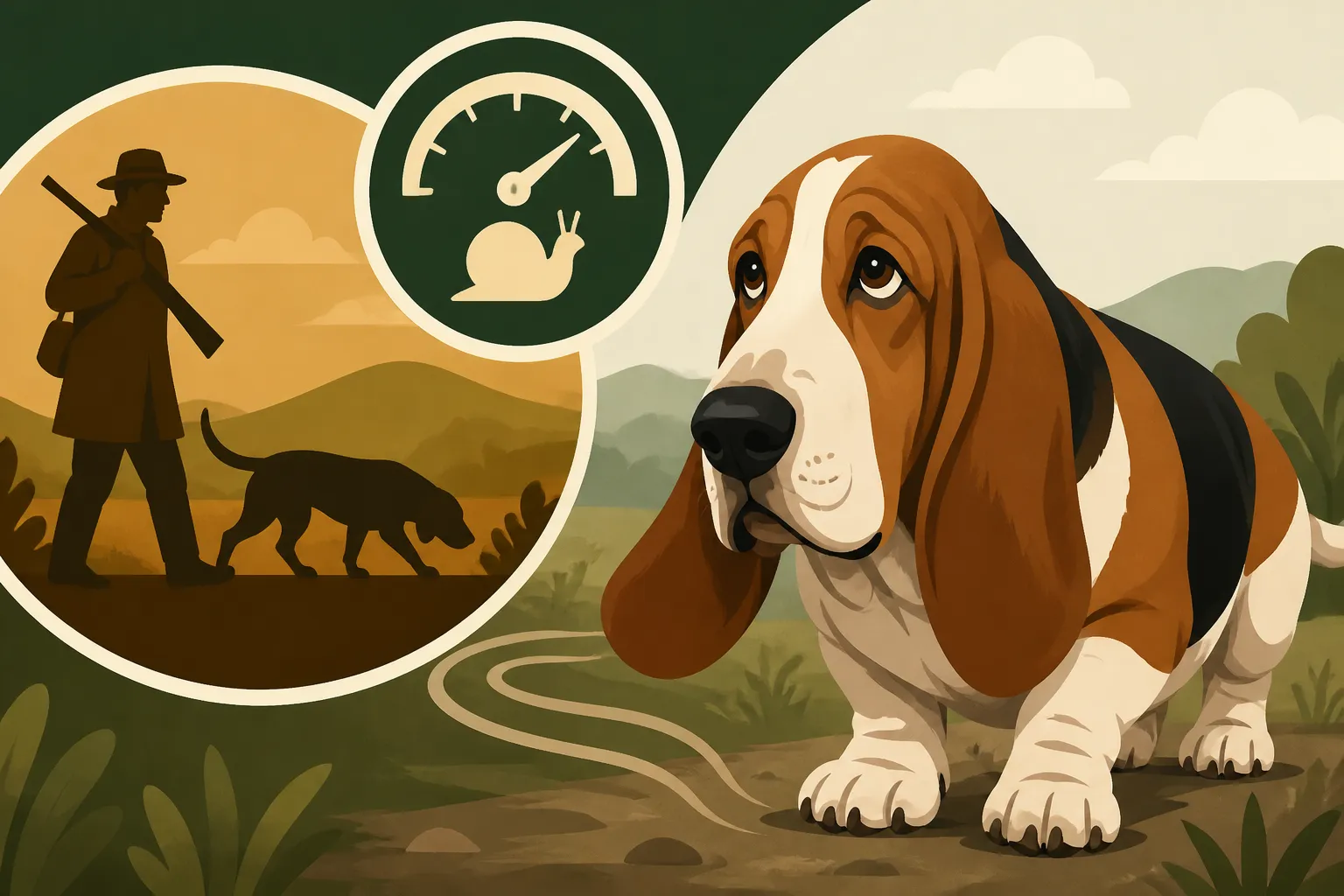
Why French Hunters Wanted a Slow Hound
You've probably looked at a Basset Hound, with those impossibly short legs and that slow, deliberate waddle, and wondered how on earth this breed was ever considered a hunting dog. It's easy to assume that speed is everything in the field, but for the French hunters who developed this remarkable breed centuries ago, "slow" wasn't a flaw – it was a highly sought-after, defining characteristic. This guide will dive into the fascinating history and practical reasons why a leisurely pace was, and still is, a Basset Hound's greatest asset in the pursuit of quarry.
The Historical Need for a 'Bas' Hound
Imagine a time before motorized vehicles, before sophisticated firearms that allowed hunters to take down game from a distance. Hunting was a much more intimate, physically demanding affair, often conducted on foot or horseback. This environment dictated the kind of dog a hunter needed, and for many, the speedy, far-ranging hounds weren't always the most practical choice.
Hunting Before Firearms: The Need for Foot Hunters
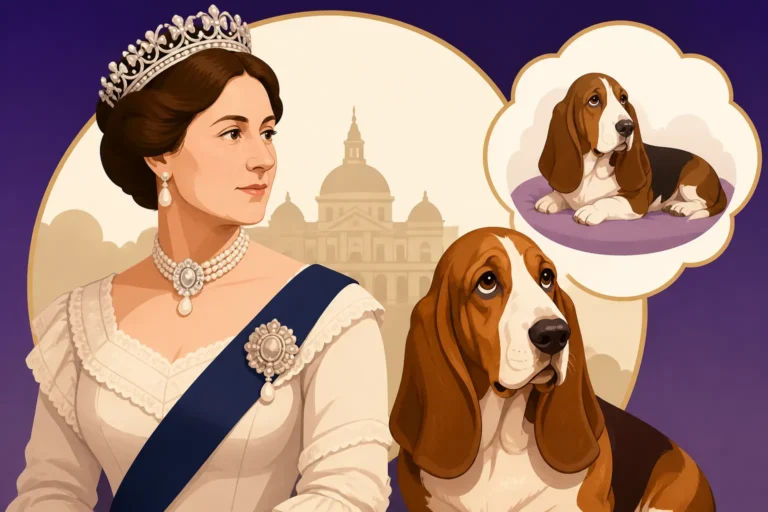
In medieval and Renaissance France, hunting was both a sport and a necessity. While the nobility might have grand hunts with large packs of swift hounds and horses, the common hunter, or those tracking smaller game in dense undergrowth, needed a different approach. They were often on foot, navigating difficult terrain, and trying to secure a meal, not just enjoy a spectacle. A hound that bolted ahead, disappearing quickly and covering vast distances, would be a nightmare to follow and control. It could easily flush game out of reach or into areas where it couldn't be retrieved.
Think about the thick forests and tangled brambles of the French countryside. A hunter on foot would struggle to keep up with a dog built for speed. What was needed was a dog that could meticulously pick up a scent and follow it at a pace that allowed the human hunter to stay close, observe, and ultimately intervene effectively. This closer partnership was crucial for success and safety when relying on simpler weapons like nets, spears, or bows. The dog wasn't just finding the game; it was holding the trail, allowing the hunter to strategically approach.
The Role of the Scent Hound in Early European Hunts
Scent hounds, like the ancestors of our modern Basset Hounds, were invaluable. Their incredible noses could unravel complex scent trails, even those that were old or faint. However, the efficacy of that nose was often at odds with speed. A fast hound might overshoot a subtle turn in the trail or miss a crucial detail because it was moving too quickly. The priority wasn't a quick chase, but an undeniable, accurate track.
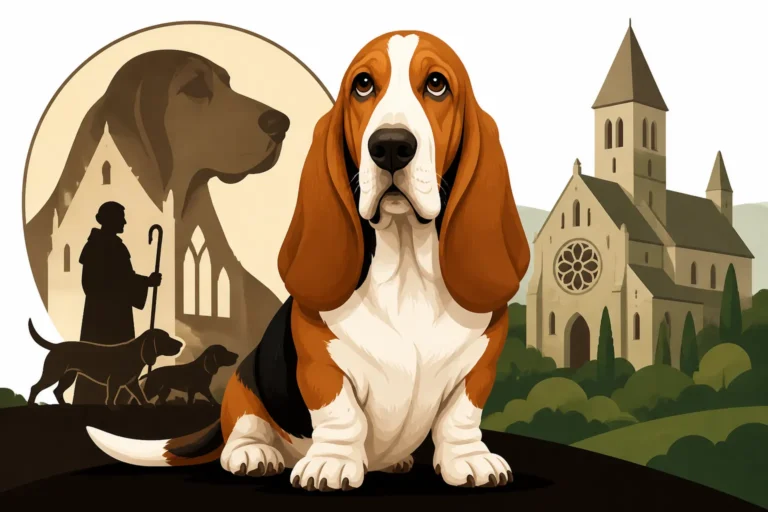
These early French hunters understood that while a speedy hound might be thrilling to watch, it rarely resulted in consistent game retrieval for a foot hunter. They needed a dog that could methodically work a line, allowing them to conserve their own energy while still covering ground efficiently. The "bas" (French for "low") breeds emerged from this exact need – dogs that were close to the ground, with phenomenal noses, and a pace that was perfectly aligned with a human walking alongside them. This was a deliberate breeding choice, not an accidental outcome. The genetic trait known as Achondroplasia Explains a Basset Hound's Shape, giving them their distinct short legs, was actually advantageous for this kind of work.
Understanding the Basset's Unique Hunting Style
The Basset Hound's body is a masterclass in adaptation for scent work at a walking pace. Every feature, from its long ears to its heavy frame, contributes to its ability to excel in its original purpose: tracking game slowly but surely. It’s a style that prioritizes precision and persistence over raw speed.
The Unmatched Nose: A Basset's Primary Tool
The Basset Hound’s olfactory capabilities are truly legendary. We often talk about how dogs have amazing noses, but the Basset is in an elite class, often cited as having a nose second only to the Bloodhound. This incredible sense of smell isn't just about detecting scent; it's about discriminating between layers of scent, following a specific trail even when other animal scents crisscross it. Their deep, resonant bay helps hunters locate them when they're deep in the brush and focused on a trail. How Good a Basset Hound's Nose Actually Is is a testament to centuries of selective breeding.
Consider a Basset on a trail. Its nose is pressed to the ground, constantly sampling, processing, and interpreting a complex tapestry of odors. This requires focus and an unhurried approach. A dog moving quickly would lift its head more often, disturbing the scent cone, and missing crucial information. The Basset's low-slung body keeps its nose perpetually in the prime scent-gathering zone, ensuring maximum contact with the ground-level scent particles. This dedication to the trail is why Why a Basset Hound Stops Hearing You When It Smells Something is a common, and often frustrating, trait for owners today.
The Importance of a Slow, Steady Pace for Tracking
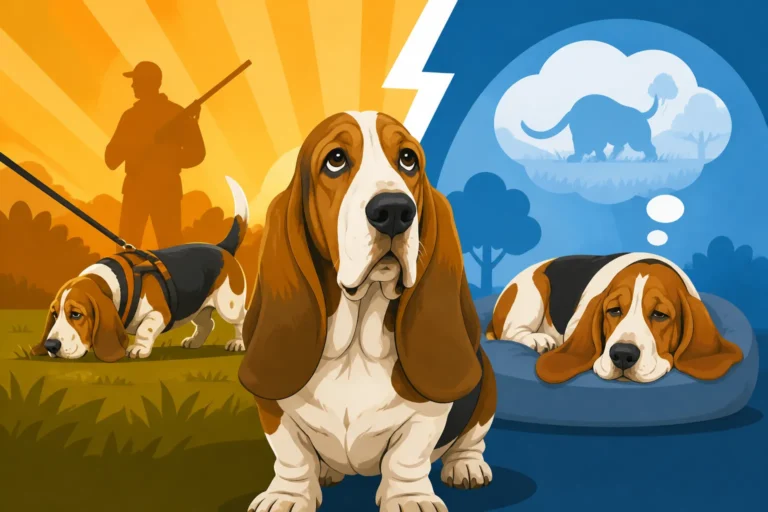
For hunters, a slow and steady pace means reliability. A Basset Hound isn't going to blast through a field and scare away all the game. Instead, it meticulously follows the trail, giving the hunter ample time to react and position themselves. This is particularly crucial when hunting small game like rabbits or pheasants in dense cover, where sudden movements can easily send the quarry scattering. The Basset's job isn't to catch the game itself, but to track it relentlessly to its hiding spot or to where the hunter can take over.
This deliberate speed also helps prevent the dog from overrunning the scent. Imagine a deer or rabbit taking a sharp turn or doubling back. A fast dog might run right past this crucial point, losing the trail entirely. A Basset, however, is much more likely to detect these subtle shifts because it's moving at a speed that allows its powerful nose to work without being overwhelmed. It's a method of hunting that emphasizes thoroughness and patience, a stark contrast to the high-speed chases often associated with other hound breeds. This is why Whether a Basset Hound Trails With Its Nose on the Ground is not just a habit, but a fundamental part of its hunting effectiveness.
The Practical Advantages of a Deliberate Hound
The benefits of a slow hound extended far beyond just accurately following a scent. For the practical hunters of yesteryear, it was about efficiency, control, and maximizing their chances of a successful outcome in challenging conditions. These dogs were tools, and their design made them superior tools for specific tasks.
Keeping Pace with the Hunter
One of the most immediate and obvious advantages of a slow hound was that the hunter could actually keep up with it. Picture trudging through thick woods, thorny bushes, and uneven terrain. If your dog is miles ahead, what good is its phenomenal nose? The Basset Hound, by design, moves at a human's walking pace. This meant constant communication was possible, and the hunter could always be close enough to intervene, encourage, or redirect the dog as needed.
This close proximity was vital for managing the hunt, especially when trying to pinpoint where the game was holed up. It allowed for quick decision-making and prevented the dog from chasing game out of the huntable area. For the average hunter, this wasn't about competitive speed; it was about a predictable, manageable process that led to a successful conclusion. Imagine the frustration of a dog flushing game a quarter-mile away, or worse, out of your land entirely. With a Basset, that wasn't a problem.
Ensuring a Successful and Controlled Hunt
A controlled hunt is a successful hunt, and a slow hound inherently offers more control. The Basset's methodic pace allows hunters to stay abreast of the situation, anticipate the game's movements, and execute their own strategy. This contrasts sharply with a chaotic chase, which, while exciting, can often lead to lost game or dangerous situations. The Basset's deliberate tracking allows for precision, which is particularly valuable when hunting elusive or wary prey.
Furthermore, a slower pace means less energy expenditure for both dog and hunter over long periods. These hunts could last for hours, sometimes all day. A dog that burns itself out quickly is useless. The Basset's low-energy, persistent approach meant it could work for extended durations, diligently following a scent without tiring. This endurance, combined with its unparalleled nose, made it an incredibly effective and reliable partner. This kind of stamina, while not fast, is still a form of Exercise for an Old Basset Hound, demonstrating their inherent capability for sustained effort.
Managing the Pack Dynamics
Even when hunting in a small pack, the Basset's slower speed was an advantage. If you have multiple dogs, all working at different speeds, the pack can quickly scatter, making coordination impossible. A pack of Bassets, all moving at a similar, deliberate pace, can work together seamlessly to unravel a scent trail. This communal effort ensures that if one dog momentarily loses the scent, another is right there to pick it up.
A uniform pace reduces chaos and increases the overall effectiveness of the hunting party. It also makes it easier for the human hunter to oversee the entire group, responding to each dog's bay or body language. This cohesive pack dynamic was invaluable in areas with dense cover where line of sight might be limited, relying heavily on auditory cues and the steady progress of the hounds. Whether Basset Hounds Hunted in Packs is part of their history, showing how their "slowness" facilitated group cooperation.
Physical Traits Engineered for Slow, Precise Work
The Basset Hound’s distinctive appearance isn’t just charming; it’s a living blueprint of its original purpose. Every fold, every heavy bone, and every elongated ear serves a functional role in its slow, scent-driven hunting method. It truly is a marvel of form meeting function.
Short Legs and Heavy Bone: Built for Endurance, Not Speed
At first glance, a Basset Hound’s short legs might seem like a disadvantage, especially for a hunting dog. However, they are perfectly suited for navigating dense undergrowth and uneven terrain. Their low stature allows them to push through thickets and brambles that might impede taller dogs, keeping their nose right on the ground where the freshest scent lies. The heavy bone structure, especially in their legs, gives them incredible stability and endurance, enabling them to work tirelessly for hours without tiring or easily getting injured. This is why Why a Basset Hound's Legs Are So Short is directly linked to their hunting effectiveness.
Their powerful, albeit short, legs also provide a strong base for their heavy bodies. A Basset Hound isn't a lightweight dog; they carry significant muscle and bone, making them surprisingly substantial for their height. This allows them to move with a powerful, lumbering gait that, while not fast, is exceptionally robust and persistent. They don't leap or bound; they methodically place each paw, conserving energy while ensuring every step counts on the trail. This build contributes to concerns like Whether a Basset Hound's Body Length Is a Welfare Problem if not managed well today, but historically, it was a valuable asset.
The Ears and Dewlap: Scent Enhancers, Not Aerodynamics
The Basset Hound's famously long, pendulous ears are far more than just cute. They play a critical role in enhancing their scenting abilities. As the Basset moves, its ears drag along the ground, effectively sweeping and funneling scent particles directly towards its nose. This action concentrates the scent, making it easier for the dog to pick up and follow even the faintest trails. This is why Whether a Basset Hound's Ears Stir Scent Toward Its Nose is a fascinating aspect of their anatomy. Imagine a natural "scent broom" collecting all the aromatic information for their incredible nose!
Similarly, the copious loose skin, particularly the dewlap around their neck and chin, isn't just for aesthetics. This loose skin helps to trap and hold scent particles close to the Basset's face, creating a localized scent chamber that further aids in concentration. As they move, the folds of skin gently swish, disturbing and lifting scent from the ground directly into their nostrils. This combination of specialized ears and dewlap forms an incredible bio-engineered system for maximizing scent detection at ground level, reinforcing the wisdom of their original breeders. You can even find specialized bowls on Chewy designed to keep those long ears out of food and water, highlighting how integral these features are to the breed's identity.
Here's a quick comparison of a Basset Hound's hunting traits versus a faster hound:
| Trait | Basset Hound | Faster Hound (e.g., Greyhound, Foxhound) |
|---|---|---|
| Speed | Slow, deliberate, persistent | Fast, quick pursuit |
| Scenting | Exceptionally strong, ground-focused, meticulous | Strong, but often air-scenting, broader range |
| Endurance | High stamina for long, steady work | High stamina for bursts of speed, can tire faster |
| Control | Easy to follow on foot, maintains close proximity | Can outrun hunter, harder to control in dense cover |
| Terrain | Excels in dense undergrowth, heavy cover | Better suited for open fields |
| Primary Role | Tracking, flushing to hunter, precision | Chasing, running down game, speed |
The Legacy of Slowness: From Field to Family Home
While the Basset Hound's hunting prowess is legendary, their "slowness" has translated beautifully into their role as beloved family companions today. The very traits that made them exceptional hunters also make them wonderfully adaptable and endearing pets. The transition from working dog to couch potato might seem significant, but the core characteristics remain.
The Enduring Charm of the Basset's Temperament
The patience and persistence required for their original hunting role have endowed Basset Hounds with a famously calm and tolerant temperament. They are known for their easygoing nature, rarely getting agitated or excitable. This makes them fantastic family dogs, often incredibly gentle and patient with children and other pets. The "stubborn" streak that many owners encounter is often just a manifestation of their single-minded focus on scent – if their nose is engaged, the rest of the world fades away. This isn't defiance; it's instinct. It’s why Whether a Basset Hound is Stubborn or Just Not Interested is a common question.
Their deliberate pace also means they are generally lower energy than many other breeds, making them suitable for various living situations, including apartments, as long as they get their daily constitutional and plenty of sniffy walks. They are content to lounge around, often found snoozing in sunbeams, but are always ready for an adventure if a compelling scent presents itself. This balance of calm and curiosity makes them wonderfully engaging companions. Their relatively low need for intense physical exercise is why Whether a Basset Hound Needs Any Real Exercise is often misunderstood.
Modern Adaptations of a Hunter's Traits
While most Basset Hounds today aren't actively hunting game, their innate talents are still celebrated and utilized. Nose work and tracking sports are incredibly popular activities that tap into the Basset's natural abilities, providing mental stimulation and an outlet for their powerful sense of smell. These activities allow them to engage in their ancestral work in a fun, controlled environment, which can be immensely satisfying for both dog and owner. Many owners find that enrichment toys and puzzle feeders, easily found on Chewy, are fantastic ways to engage their Basset's nose.
Even in everyday life, their keen sense of smell provides endless entertainment. A walk in the park isn't just a walk; it's a grand olfactory adventure, where every blade of grass tells a story. While The Recall a Basset Hound Will Never Reliably Give You on a scent trail is a challenge, it's also a reminder of the incredible drive that was once so prized. Understanding this history helps us appreciate our Bassets for who they are: dogs bred for a very specific, slow, and scent-driven purpose, whose charming quirks are a direct legacy of their historical role. Ensuring they have comfortable, supportive beds, perhaps even orthopedic ones from Chewy, also helps manage the impact of their unique build over their lifetime.
Disclaimer
This article is for general informational purposes only and does not constitute professional advice. Laws, prices and regulations vary by location and change over time. Consult a qualified professional for guidance on your specific situation.