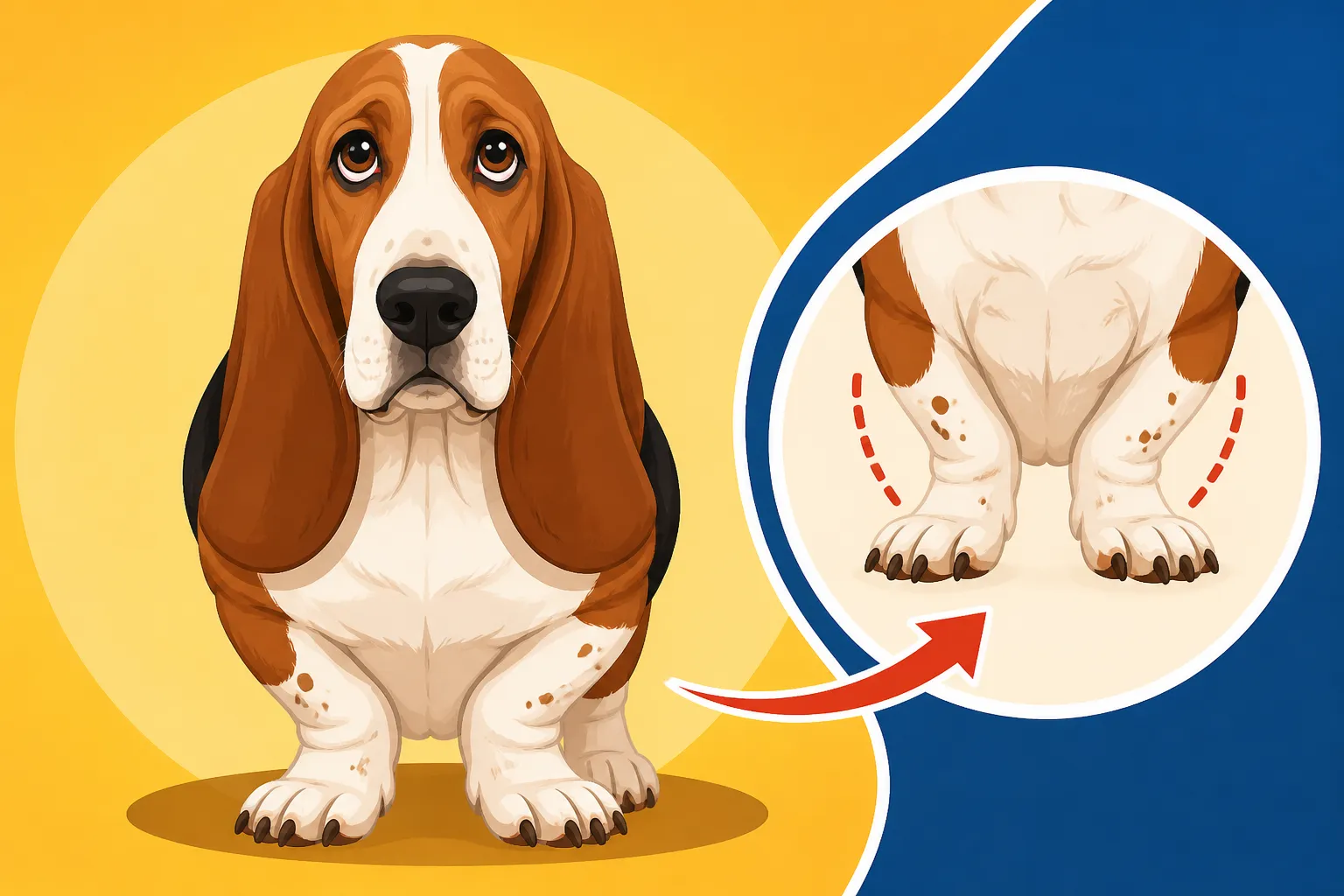
Why a Basset Hound’s Front Legs Bow Inward
It's a common sight that makes many new Basset Hound owners pause and wonder: those distinctively bowed front legs. You look at your charming, low-slung companion with their long ears and soulful eyes, and then down at their sturdy, yet undeniably curved, front limbs, and a little worry might creep in. Are they supposed to look like that? Is it healthy? This guide is here to unravel the mystery behind the Basset Hound's unique physique, explaining why their front legs bow inward and how you can ensure your beloved hound lives a comfortable, happy life with this special conformation.
The Genetic Blueprint: Achondroplasia and the Basset Hound's Unique Form
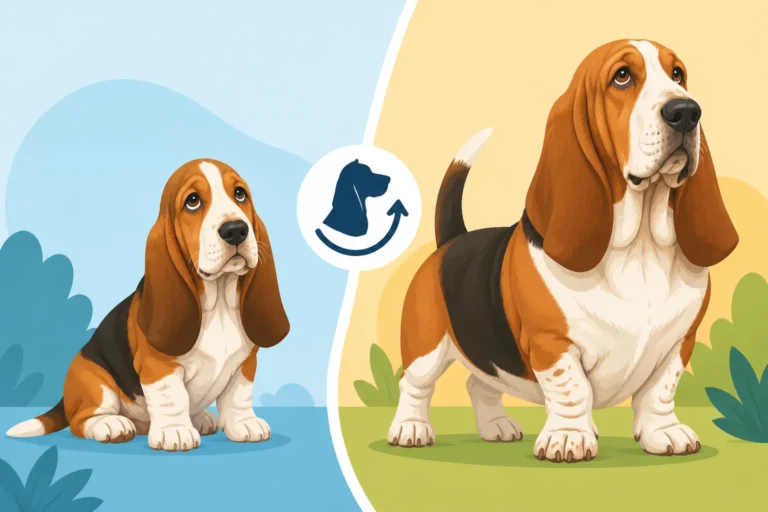
When you see those famously bowed front legs on a Basset Hound, you're looking at a key characteristic of the breed, not a flaw. This distinctive shape is a result of a genetic trait known as achondroplasia, a form of chondrodysplasia. It sounds like a big, intimidating word, but in simple terms, it's a genetic condition that affects the growth of long bones, leading to shorter limbs. For breeds like the Basset Hound, Dachshund, and Corgi, this trait was intentionally selected for over generations to create their low-to-the-ground body type. It's what makes a Basset, a Basset!
What Achondroplasia Actually Means for Bone Growth
Achondroplasia in dogs isn't the same as the human form of dwarfism, but it shares the underlying principle: the cartilage cells that would normally develop into long bones don't grow as much or as quickly. This results in bones that are shorter and often thicker than those of non-chondrodysplastic breeds. Imagine the long bones in the legs – the radius and ulna in the forearm, for example. In a Basset Hound, these bones develop differently, leading to their reduced length and the characteristic inward curve or bow. This isn't a disease; it's the very foundation of their breed standard.
It's crucial to understand that while it's a genetic mutation, it's been so deeply ingrained and selected for in the Basset Hound that it's now considered a normal, defining characteristic of the breed. It's not something that happened by accident in recent times; it’s part of their ancient heritage. Knowing this can alleviate some of the initial concern when you first observe your Basset's legs. This isn't a weakness, but a carefully cultivated trait that defines their look and, historically, their function. You might want to read more about Whether Achondroplasia Explains a Basset Hound's Shape.
How This Trait Shapes the Basset Hound's Overall Structure
The bowed front legs are just one piece of the puzzle that makes up the Basset Hound's distinct silhouette. The achondroplasia affects all their long bones, contributing to their famously long body, short stature, and powerful, heavy bone structure. This means their entire build is adapted to be low to the ground. The large paws, which often turn out slightly, also play a role in their stability and ability to track scent. This combination of features gives them their unique waddling gait and allows them to navigate dense undergrowth with ease.
Think about the overall image: a deep chest, powerful neck, and that low-slung body. All these elements work together, and the bowed front legs are integral to this design. The broad, low chest allows for powerful lungs to sustain long hours of trailing, while the sturdy, short legs provide the leverage and stability needed to push through tough terrain. It’s a design for purpose, not just aesthetics, even if those aesthetics are undeniably charming. This is definitely part of The Crooked Front a Basset Hound Is Built On.
Function Over Form: The Hunting Heritage of the Basset Hound's Stance
While their appearance might seem peculiar to some, every aspect of the Basset Hound's conformation, including those bowed front legs, was developed with a specific purpose in mind: hunting. These hounds were bred to be efficient, relentless trackers, and their unique build is perfectly suited for that task. They weren't designed for speed or agility in the way a Greyhound might be, but rather for endurance, meticulous scent work, and a pace that human hunters could easily follow on foot.
Built to Trail a Scent Close to the Ground
A Basset Hound's entire body is a finely tuned scent-detecting machine. Their long, pendulous ears sweep scents towards their powerful nose, their loose skin (especially the dewlap) helps trap scent particles, and their low stature keeps their nose perpetually close to the ground, where scents linger most strongly. The bowed front legs contribute significantly to this. By keeping their body low, they minimize the distance between their nose and the trail, making them incredibly effective at following even faint or old scents.
Imagine trying to follow a subtle scent trail in thick woods or over uneven ground with long, straight legs. You'd be constantly lifting your head, missing nuances. The Basset's low-slung body and bowed legs allow them to keep their head down and focus intently on the ground, literally plowing through obstacles if needed. This dedication to scent is so strong that once they're on a trail, the world fades away, and they become single-minded in their pursuit. It’s part of Why a Basset Hound Stops Hearing You When It Smells Something.
Designed for a Hunter on Foot
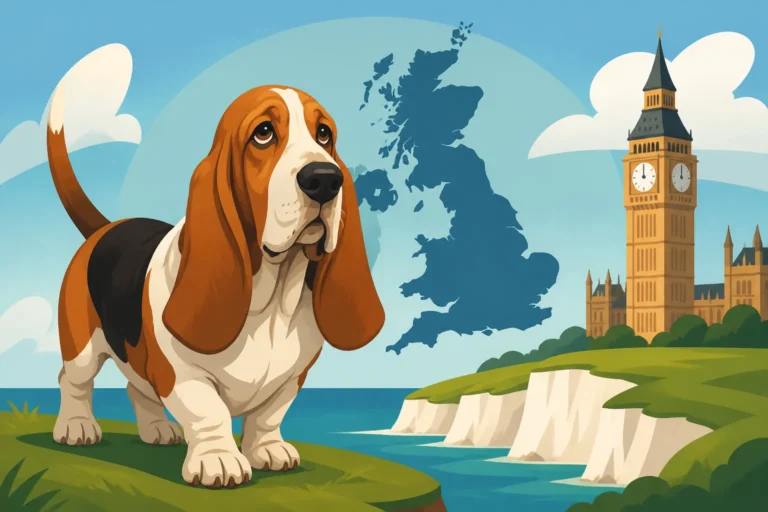
Historically, Basset Hounds were developed in France to allow hunters to follow on foot. Unlike faster hounds that might outpace a walking hunter, the Basset's deliberate, methodical pace, dictated in part by its short, bowed legs, made it an ideal companion. This slower speed ensured that the hunter could keep up, allowing for successful tracking and flushing of small game, predominantly rabbits and hares. The bowed legs provide immense stability and strength for pushing through underbrush rather than running over it.
This means that their distinctive gait, a rolling, waddling walk, is not a sign of weakness but rather a testament to their strength and purpose. They might not win any races, but they are incredibly tenacious and can cover long distances at a steady pace, unwavering from their quarry's scent. It's a reminder that beauty in the dog world is often tied to historical function, and the Basset Hound is a prime example of this working aesthetic.
Health Considerations Related to Basset Hound Conformation
While the bowed front legs are a natural and defining characteristic of the Basset Hound, it's also true that their unique conformation can predispose them to certain health concerns. As responsible Basset owners, it's vital to be aware of these potential issues so you can provide the best possible care and support for your companion throughout their life. It's not about fearing their natural build, but understanding how to best manage it.
Joint Stress and the Risk of Arthritis
The shortened, heavy-boned legs and low body mean that a Basset Hound's joints experience different stresses than those of a dog with a more conventional build. This can make them more prone to conditions like arthritis, especially as they age. Their elbows, in particular, can be susceptible to issues. Elbow dysplasia, for instance, is a common concern where the elbow joint doesn't form correctly, leading to pain, lameness, and eventual arthritis. Why One Basset Hound in Seven Has Bad Elbows delves deeper into this issue. It's not an inevitable fate for every Basset, but it's a risk factor that diligent breeders test for and owners should monitor.
Regular veterinary check-ups are key to catching any signs of joint discomfort early. Your vet can advise on appropriate supplements, medications, or lifestyle adjustments to help manage joint health. Early intervention can make a significant difference in your Basset's long-term comfort and mobility. Don't hesitate to discuss any limping, stiffness, or reluctance to exercise with your vet.
The Critical Role of Weight Management
For a Basset Hound with their unique skeletal structure, maintaining a healthy weight isn't just about looking good; it's paramount for their joint health. Every extra pound places exponentially more strain on those already hardworking joints, especially in the bowed front legs and the long spine. An overweight Basset is far more likely to develop painful arthritis earlier in life and experience more severe symptoms. What Extra Weight Does to a Basset Hound is a must-read for any Basset owner.
Monitoring your Basset's weight diligently is one of the most impactful things you can do for their well-being. This means careful portion control, measuring food, and being mindful of treats. It's easy to overfeed a Basset because they always seem hungry, but their health depends on your discipline. Consult your veterinarian for guidance on your Basset's ideal weight and how much to feed them. Chewy offers a wide selection of weight management dog foods and accurate measuring cups to help you keep your Basset at their prime weight.
Recognizing Signs of Discomfort or Strain
Your Basset Hound can't tell you in words if their legs or joints are bothering them, so it's up to you to be a keen observer. Look for subtle changes in their behavior or movement that might indicate discomfort. This could include:
- Limping or favoring a leg: Even a slight limp after exercise.
- Stiffness: Especially noticeable after resting or first waking up.
- Reluctance to jump or use stairs: They might hesitate or seek alternatives like a ramp.
- Difficulty getting up or lying down: Slower, more labored movements.
- Changes in gait: A more pronounced waddle, or an uneven stride.
- Licking or chewing at their paws or joints: This can be a sign of pain or irritation.
- Changes in personality: Becoming more withdrawn, grumpy, or less enthusiastic about walks.
If you notice any of these signs, a vet visit is in order. It's always better to investigate potential issues early rather than waiting until they become severe.
Proactive Care for Your Basset Hound's Bowed Legs
Understanding the genetic basis and potential challenges of your Basset Hound's bowed front legs empowers you to be a proactive owner. There's a lot you can do to support their unique structure and help them lead a long, comfortable, and happy life. It's all about tailoring their environment and routine to their specific needs.
Appropriate Exercise and Activity Levels
While Basset Hounds aren't built for marathons or high-impact agility, they absolutely need regular, moderate exercise to keep their muscles strong and support their joints. Short, consistent walks are ideal. Aim for a couple of 20-30 minute walks per day, rather than one long, strenuous outing. The goal is to build endurance and muscle tone without putting excessive strain on their joints.
Avoid activities that involve a lot of jumping, sharp turns, or running on hard surfaces for extended periods. Instead, consider sniffing games, gentle leash walks in parks, or even some low-impact scent work that engages their brilliant nose without stressing their body. Remember, their mental stimulation from scent work can be just as tiring as physical exercise! You might wonder How Far a Basset Hound Should Walk or Whether a Basset Hound Needs Any Real Exercise, and the answer is usually 'more than you think, but less intensely'.
Nutritional Support for Joint Health
Beyond maintaining a healthy weight, the right nutrition can play a significant role in supporting your Basset Hound's joint health. Many premium dog foods formulate diets with ingredients aimed at joint support, such as glucosamine and chondroitin. You can also discuss joint supplements with your veterinarian. These supplements often come in chewable forms or as additives to their food.
There are many reputable brands available that focus on canine joint health. When looking for supplements or specialized food, consider checking out options on Chewy, where you can often find detailed ingredient lists and customer reviews to help you make an informed decision alongside your vet's advice. Omega-3 fatty acids, often found in fish oil, can also be beneficial for their anti-inflammatory properties. Always introduce new supplements or foods gradually and under veterinary guidance to ensure they're appropriate for your individual Basset. Whether a Basset Hound Needs Joint Supplements is a question worth exploring with your vet.
Environmental Modifications for Comfort and Safety
Making a few adjustments around your home can significantly reduce the wear and tear on your Basset Hound's joints and spine. Their short legs and long backs make jumping on and off furniture, or navigating stairs, particularly risky.
- Ramps and Steps: Invest in ramps or pet steps for access to elevated surfaces like beds, sofas, or even your car. This eliminates the jarring impact of jumping down, which can exacerbate joint issues and put strain on their spine. The Ramps, Beds and Gates a Basset Hound Needs provides excellent ideas for home modifications.
- Orthopedic Beds: A high-quality orthopedic dog bed provides crucial support for their heavy bodies and joints, especially for older Bassets or those prone to stiffness. Look for beds with dense foam that won't flatten over time.
- Non-Slip Flooring: If you have hard, slippery floors, consider adding rugs or runners in high-traffic areas. This provides better traction, preventing slips and falls that could lead to injury.
- Lifting Techniques: If you need to lift your Basset, always support their chest and hindquarters simultaneously to distribute their weight evenly and protect their long back. Never lift them by their front legs or under their armpits. How to Lift a Basset Hound Safely is a great resource for this.
These simple modifications can make a world of difference in your Basset Hound's daily comfort and long-term joint health. It's about recognizing their unique needs and adapting your home to suit them, ensuring they can move about freely and safely without unnecessary strain.
Here's a quick overview of some proactive care steps:
| Care Area | Actionable Steps | Benefits |
|---|---|---|
| Weight Management | Measure food accurately, limit treats, regular vet weigh-ins. | Reduces strain on joints, less risk of early arthritis. |
| Exercise | Short, frequent walks; low-impact activities; scent games. | Builds muscle support, prevents stiffness, mental stimulation. |
| Joint Supplements | Consult vet for appropriate glucosamine, chondroitin, Omega-3s. | Supports cartilage health, reduces inflammation. |
| Home Environment | Ramps for furniture/car, orthopedic bed, non-slip rugs. | Prevents jumping injuries, provides joint support during rest. |
| Regular Vet Checks | Annual exams, discuss any changes in mobility or behavior. | Early detection of joint issues, personalized advice. |
| Grooming | Regular nail trims to ensure proper footfall and comfort. | Prevents splayed toes and abnormal weight distribution on paws. |
By taking these steps, you're not just reacting to problems but actively creating an environment that celebrates and supports the distinct physiology of your Basset Hound, allowing them to thrive with their wonderfully bowed front legs.
Disclaimer
This article is for general informational purposes only and does not constitute professional advice. Laws, prices and regulations vary by location and change over time. Consult a qualified professional for guidance on your specific situation.