What Nobody Warns a Basset Hound Buyer About
A Basset Hound can look like an easygoing, low-maintenance companion: short legs, soft eyes, and a slow stroll around the block. The surprises often arrive later—in the form of stubborn scent-tracking, enthusiastic baying, drool on the sofa, and care routines that need to happen even when you are tired. This guide explains the everyday realities to consider before bringing one home.
The easygoing look can hide a determined hound
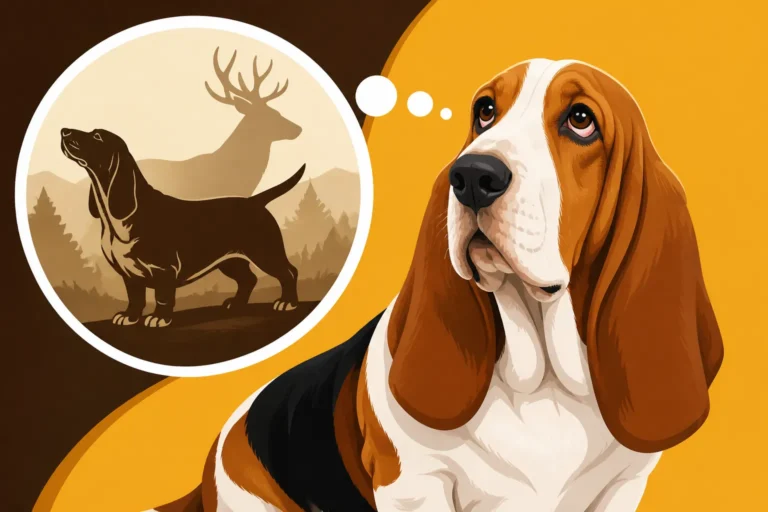
A Basset Hound may hear you and still follow its nose
Basset Hounds were bred to follow scent. That instinct can be charming when your dog methodically investigates a patch of grass, but it can also take over a walk. Your dog may stop at a scent trail, lean into the leash, or seem to forget that you are calling. That is not necessarily defiance. Often, the smell is more interesting than the cue you have just given.
This is why a fenced area or a secure leash matters. An open gate, a squirrel, or a trail leading toward a road can turn a relaxed outing into a frightening chase. Recall training is worthwhile, but it is safer to treat it as a skill to practice—not a guarantee that your dog will come back reliably when absorbed in a scent. A long line gives a hound room to investigate while keeping you connected.
It helps to plan walks around what a Basset Hound enjoys rather than expecting a brisk march. Give your dog time to sniff, reward check-ins, and practice turning with you in quiet places before trying busier routes. For a fuller look at this instinct, see The Nose That Puts a Basset Hound Second to a Bloodhound and The Recall a Basset Hound Will Never Reliably Give You.
“Lazy” does not mean no exercise or training
Basset Hounds often enjoy long naps, but a sleepy dog still needs movement, enrichment, and some training. Without suitable outlets, a bored hound may become noisier, raid the trash, or keep sniffing around for something to do. Food puzzles, scent games, and short, positive training sessions can make a difference without asking your dog to run like an athletic breed.
Their motivation can be uneven. A Basset Hound might respond quickly when a treat is involved, then lose interest when the session gets repetitive or the environment becomes distracting. Keep lessons brief, reward the behavior you want, and practice in manageable settings. Scolding or repeating a cue louder rarely makes an interesting scent less interesting.
Also, take refusals to walk seriously. A dog who plants their feet may be distracted, but they may also be tired, hot, sore, or reluctant because of an uncomfortable surface. Watch for changes in gait, energy, or willingness to move, and ask a veterinarian about new or persistent changes. Whether a Basset Hound Is Stubborn or Just Not Interested explores why cooperation can be more complicated than it looks.
The daily care is more involved than the silhouette suggests
Long ears and facial folds need regular attention
Those beautiful ears are part of the breed’s appeal, but they can also make routine care harder. Ear flaps may collect dirt and moisture, and a dog who dislikes having its ears handled can turn cleaning into a wrestling match. Get your puppy used to gentle checks early: touch the ear briefly, offer a reward, and stop before your dog becomes uncomfortable. Build up gradually instead of trying to complete a full cleaning routine all at once.
Check for a change in smell, redness, discharge, swelling, or persistent head shaking. These signs deserve veterinary advice rather than repeated home cleaning. The right routine depends on your individual dog; over-cleaning or putting products into an irritated ear without guidance may make the problem worse. If your veterinarian recommends a cleaner, follow the directions and ask what to do if your dog seems painful.
Some Basset Hounds also have facial or skin folds that need checking and gentle cleaning. The important part is drying the area thoroughly afterward. If a fold stays damp or becomes red, sore, or smelly, contact your veterinarian rather than assuming it is simply normal dog odor. Start with The Twice Weekly Ear Ritual a Basset Hound Owner Signs Up For and Cleaning the Folds a Basset Hound's Face Is Made Of to understand the routines these features can involve.
Drool, shedding, and muddy undercarriages are part of the home picture
A short coat can still leave hair on clothes, rugs, and the car upholstery. Regular brushing helps remove loose hair, but it will not make the shedding disappear. A washable throw on the sofa, a brush kept near the door, and a lint roller in the hallway can save frustration. If you are shopping for grooming basics, Chewy is one place owners may look for brushes and dog-safe cleaning supplies; choose items suited to your dog rather than buying a full kit you may not use.
Drool varies from dog to dog, but it is wise to expect some. A Basset Hound may leave wet patches near the water bowl, shake drool onto a nearby wall, or bring a damp chin over to greet you. Keep a few washable towels where your dog rests, and wipe the mouth area when needed. If drooling changes suddenly or comes with trouble eating, pawing at the mouth, or other signs of distress, get veterinary advice.
Rainy walks can bring home more than wet paws. Because the body sits low, the chest and belly may brush through damp grass, leaves, and mud. A quick towel-down after a walk can protect the floors and give you a chance to check the skin, paws, and belly. Chewy may also carry washable mats or towels, but the practical goal is simply to have an easy-to-clean spot ready by the door.
The body needs sensible handling and a safe home setup
Short legs do not make a Basset Hound lightweight
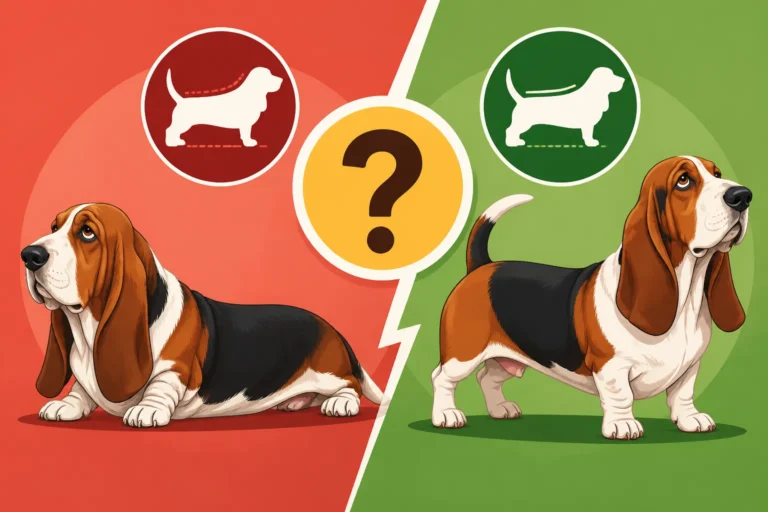
A Basset Hound’s low height can create a misleading impression. Many are solid, heavy dogs, and lifting one awkwardly can be uncomfortable for both dog and person. If you need to lift your dog, support the chest and hindquarters rather than picking them up under the front legs. Practice calmly when your dog is relaxed, and ask your veterinary team to demonstrate a safe technique if you are unsure.
Think about access before your dog comes home. A ramp may help with getting into a vehicle or reaching a favorite resting place, while gates can prevent repeated stair use or unsupervised leaps from furniture. Put rugs or runners on slippery floors so your dog has better footing. These changes are especially useful in a home where the dog likes to launch off a sofa or race to the front door.
You do not have to turn your home into a padded obstacle course. Focus on the risks your dog actually encounters: the car boot, a steep flight of stairs, a slick kitchen floor, or a bed they jump onto repeatedly. Ask your veterinarian for advice if your dog has a history of back trouble, limping, or difficulty getting up. The Back Trouble a Basset Hound Is Built Into and Whether a Basset Hound Should Use a Ramp offer more detail on protecting a long, low body.
Weight management is a practical health habit
Basset Hounds are often very interested in food. Those hopeful eyes can make it difficult to stick to a measured meal, particularly when family members are sharing snacks. Agree on feeding rules at home, measure meals consistently, and include treats in the day’s overall ration. A small piece of food offered repeatedly by several people can add up without anyone feeling as though they gave the dog much.
Keep food and rubbish out of reach. A nose-led dog may investigate an unattended plate on the coffee table or discover a bin that seemed secure enough. In a household with children, explain that the dog should not be fed from the table and should be left alone while eating. Clear routines are easier for everyone than trying to persuade a determined hound to ignore a tempting smell.
Your veterinarian can help you judge body condition and set a suitable feeding plan, especially if your dog needs to lose weight or has another health concern. Chewy may be convenient for comparing food formats or arranging routine supplies, but the food itself should suit your dog’s age, health, and veterinary guidance. For specific body-condition tips, see What Extra Weight Does to a Basset Hound and Keeping a Basset Hound at Its Correct Weight.
The best match is a household ready for the real dog
Noise and independence can affect neighbors and schedules
Basset Hounds can bay or howl, sometimes in response to a sound, a scent, excitement, or being left alone. One dog may be relatively quiet while another has a voice that carries through a home. If you live in an apartment or share walls, ask the breeder or rescue what they have observed about the dog’s vocal habits, and think carefully about how you would handle noise before it becomes a neighbor complaint.
A Basset Hound may also find long stretches alone difficult. A predictable routine, gradual practice with short absences, and appropriate enrichment can help, but a food puzzle is not a substitute for addressing serious distress. If your dog howls, paces, or damages things when you leave, consider a veterinarian or qualified behavior professional. It is kinder and more effective to investigate the cause than to assume the dog is being difficult.
Before choosing a puppy or adult dog, be honest about your household’s daily schedule. Who will provide bathroom breaks, walks, company, and care if your workday runs late? A breed’s affectionate reputation does not mean every individual will be content alone for hours. The Bay a Basset Hound Uses and the Neighbors Hear and Whether a Basset Hound Suits a Full Time Worker can help you think through those questions.
A realistic buyer checklist beats falling for the ears
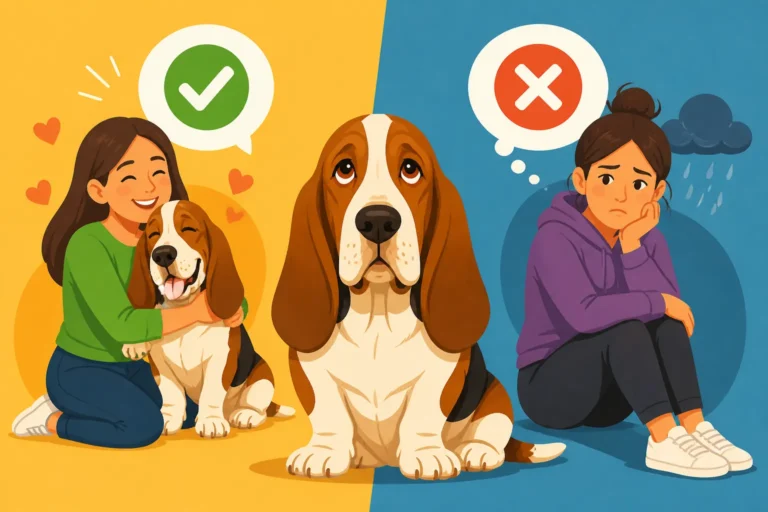
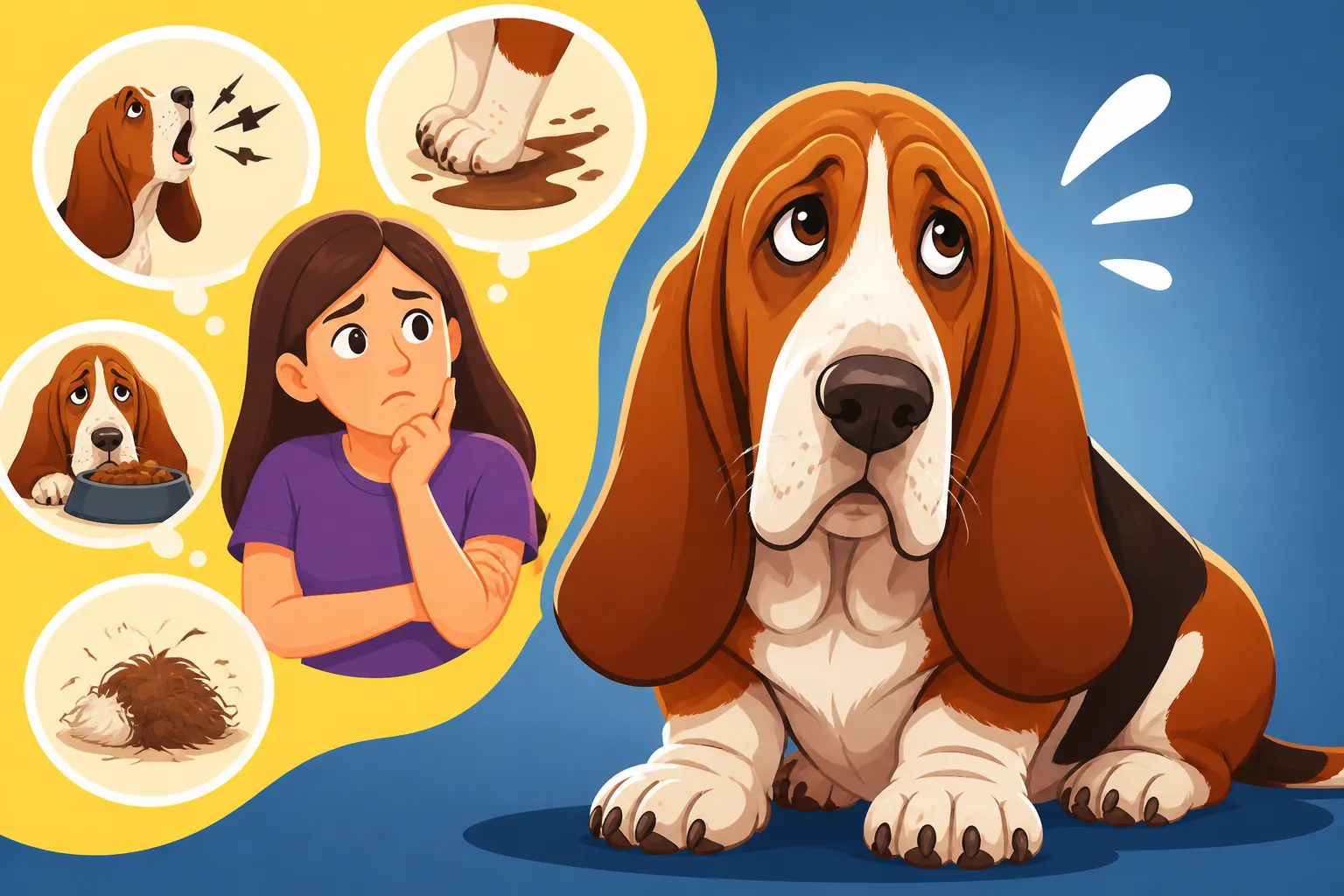
It is easy to picture a Basset Hound curled beside the fireplace and forget the less photogenic parts of ownership. Before committing, imagine the ordinary Tuesday: an early walk in drizzle, muddy paws at the door, an ear check before work, a dog who stops to smell every tree, and a food-motivated companion watching you eat dinner. If those details sound manageable—and even a little funny—you may be a good fit.
Ask breeders or rescue organizations about the dog’s health history, temperament, care needs, and what support is available after adoption. For a puppy, ask what health screening has been done and what records you will receive. For an adult dog, ask about its behavior when left alone, comfort with handling, known medical needs, and experience with children or other pets. Answers will not predict everything, but they can help you prepare.
Use this table as a starting point for matching the breed’s everyday needs to your home:
| What to consider | What it can look like at home | A practical preparation |
|---|---|---|
| Scent drive | Stopping on walks and following smells | Use a secure leash and practice recall in safe places |
| Ear and fold care | Regular checks and careful cleaning when needed | Get your dog comfortable with gentle handling |
| Shedding and drool | Hair on fabric and damp spots near resting areas | Keep washable covers and towels handy |
| Body shape and weight | A sturdy dog who may need help with access | Plan safe lifting, footing, and furniture access |
| Baying and time alone | Noise or distress when the dog is isolated | Build a gradual alone-time routine and assess your housing |
| Food enthusiasm | Begging, scavenging, or weight gain | Measure meals and make household feeding rules |
Owning a Basset Hound is not about accepting every difficulty without help. It is about choosing with clear eyes, setting up routines early, and asking for professional guidance when health or behavior changes. For a broader look at the household fit, read The Household a Basset Hound Actually Fits and What Basset Hound Owners Wish They Had Known.
Disclaimer
This article is for general informational purposes only and does not constitute professional advice. Laws, prices and regulations vary by location and change over time. Consult a qualified professional for guidance on your specific situation.