Whether a Basset Hound’s Red Eye Is an Emergency
Waking up to your Basset Hound's usually soulful, sleepy eyes looking red and inflamed can send a jolt of panic through any devoted owner. Is it just a bit of dust, or something serious demanding immediate attention? We've all been there, wondering if we're overreacting or if it's a true emergency that warrants a late-night vet visit. This guide is here to help you navigate the common causes of red eyes in Basset Hounds, understand the crucial differences between minor irritations and urgent situations, and know precisely when to seek immediate veterinary care to protect your beloved companion's vision and comfort.
Understanding Why a Basset Hound's Eyes Can Turn Red
A red eye in a Basset Hound can range from a fleeting irritation to a sign of a serious, vision-threatening condition. Their unique facial structure, with those wonderfully droopy eyelids and deep-set eyes, makes them particularly susceptible to certain issues, and understanding the common culprits is the first step toward knowing how to react.
Common, Less Urgent Causes
Sometimes, a red eye isn't a full-blown emergency, but rather a sign that something is mildly bothering your Basset. These are the situations where you might observe, offer some gentle care, and see if things improve.
- Environmental Irritants and Minor Allergies: Just like us, Basset Hounds can get dust, pollen, or a stray piece of grass in their eyes. Their low-slung bodies and long ears, which often sweep the ground, make them magnets for debris. A little irritation from rolling around in the yard or a bit of dust stirred up indoors can cause a mild redness that usually resolves on its own within a few hours. Seasonal allergies can also manifest as red, itchy eyes, often accompanied by sneezing or pawing at the face. If you notice your Basset Hound's eyes watering or appearing mildly red after a walk in a field, it could be a simple irritant.
- Slight Irritation from Long Ears Dragging: Those iconic, magnificent ears that give Basset Hounds their charm can also, ironically, contribute to eye irritation. As they sniff along the ground, those long ears can sweep up dirt, dust, and even twigs, which can then easily transfer to their low-set eyes. It's a daily hazard of being a Basset! This might lead to a mild, transient redness, especially if they've been particularly enthusiastic about following a scent trail. Keeping the fur around their eyes trimmed and their ears clean can sometimes help minimize this type of irritation.
- Dry Eye (Keratoconjunctivitis Sicca – KCS): While not immediately an emergency, KCS is a chronic condition that can start with subtle redness and become quite serious if left untreated. It occurs when a dog's tear glands don't produce enough tears to keep the eyes moist, leading to dryness, irritation, and eventually, damage to the cornea. The eyes might look chronically red, sometimes with a thick, yellowish discharge. It’s a slow burn condition that can eventually cause significant discomfort and even blindness if ignored. Regular vet check-ups can often catch this early.
More Serious Underlying Conditions
These are the conditions that genuinely warrant prompt attention, as they can cause significant pain, permanent damage, or even vision loss if not addressed quickly. Basset Hounds are predisposed to a few of these, making vigilance all the more important.
- Conjunctivitis: This is an inflammation of the conjunctiva, the pink membranes lining the eyelids and covering the white part of the eye. It can be caused by bacteria, viruses, or allergies. Bacterial conjunctivitis often presents with a thick, colored discharge (yellow or green) along with redness and swelling. Viral conjunctivitis might have a clearer, watery discharge, while allergic conjunctivitis usually involves intense itching and often affects both eyes. It's common for Basset Hounds to get this due to their droopy eyelids allowing more exposure to irritants.
- Corneal Ulcers or Abrasions: The cornea is the clear outer layer of the eye. An ulcer or abrasion is essentially an open sore on this surface. These are incredibly painful and can be caused by trauma (e.g., scratching the eye on a branch), foreign objects, or even severe dry eye. Signs include intense redness, squinting, excessive tearing, and sometimes a cloudy appearance to the cornea. Given their low-to-the-ground sniffing habits, Basset Hounds are at a higher risk of corneal injuries.
- Glaucoma: This is one of the most serious and painful causes of a red eye, especially in Basset Hounds, who are unfortunately prone to it. Glaucoma is characterized by increased pressure inside the eye, which can rapidly damage the optic nerve and lead to irreversible blindness. The signs can come on suddenly and include intense redness, a dilated pupil, a cloudy or bluish appearance to the cornea, and obvious pain (squinting, pawing at the eye, lethargy). Early detection and treatment are absolutely critical with glaucoma. You can read more about The Glaucoma a Basset Hound Inherits and What Open Angle Glaucoma Does to a Basset Hound to understand this condition better.
- Uveitis: This is an inflammation of the uvea, the middle layer of the eye. It can be caused by systemic diseases, infections, trauma, or immune-mediated conditions. Symptoms often include redness, pain, a constricted pupil, and a cloudy or hazy appearance to the front of the eye. Uveitis can be a sign of a larger health problem and requires careful diagnosis.
- Foreign Objects: Sometimes, a small seed, thorn, or piece of grit can become lodged in the eye, causing severe irritation, redness, and pain. It's often accompanied by excessive tearing and persistent pawing at the face. Trying to remove a foreign object yourself can cause more harm, so it’s best left to a veterinarian.
- Eyelid Conformation Issues (Entropion/Ectropion): Basset Hounds are well-known for their beautifully loose skin and droopy eyelids, which, while endearing, can lead to structural issues. Whether a Basset Hound's Droopy Eyelids Cause Trouble is a very real concern.
- Entropion: This is when the eyelid rolls inward, causing the eyelashes or hair to rub against the cornea. It's incredibly painful and can lead to ulcers, chronic irritation, and scarring. You'll see redness, tearing, squinting, and often a visible inward curl of the eyelid margin.
- Ectropion: The opposite, where the eyelid rolls outward, exposing the delicate conjunctiva. While usually less immediately painful than entropion, it leaves the eye vulnerable to dryness, irritation, and foreign bodies, leading to chronic redness and discharge. Both conditions often require surgical correction to prevent ongoing issues and protect the eye.
Spotting the Signs of an Ocular Emergency
Knowing the difference between a minor irritation and a true emergency is paramount. When it comes to your Basset's eyes, a "wait and see" approach can sometimes lead to irreversible damage.
What Constitutes an Urgent Situation
Certain symptoms scream "emergency" and should prompt you to call your veterinarian or an emergency animal hospital immediately. These signs indicate significant pain or a rapidly progressing condition that could threaten your dog's vision.
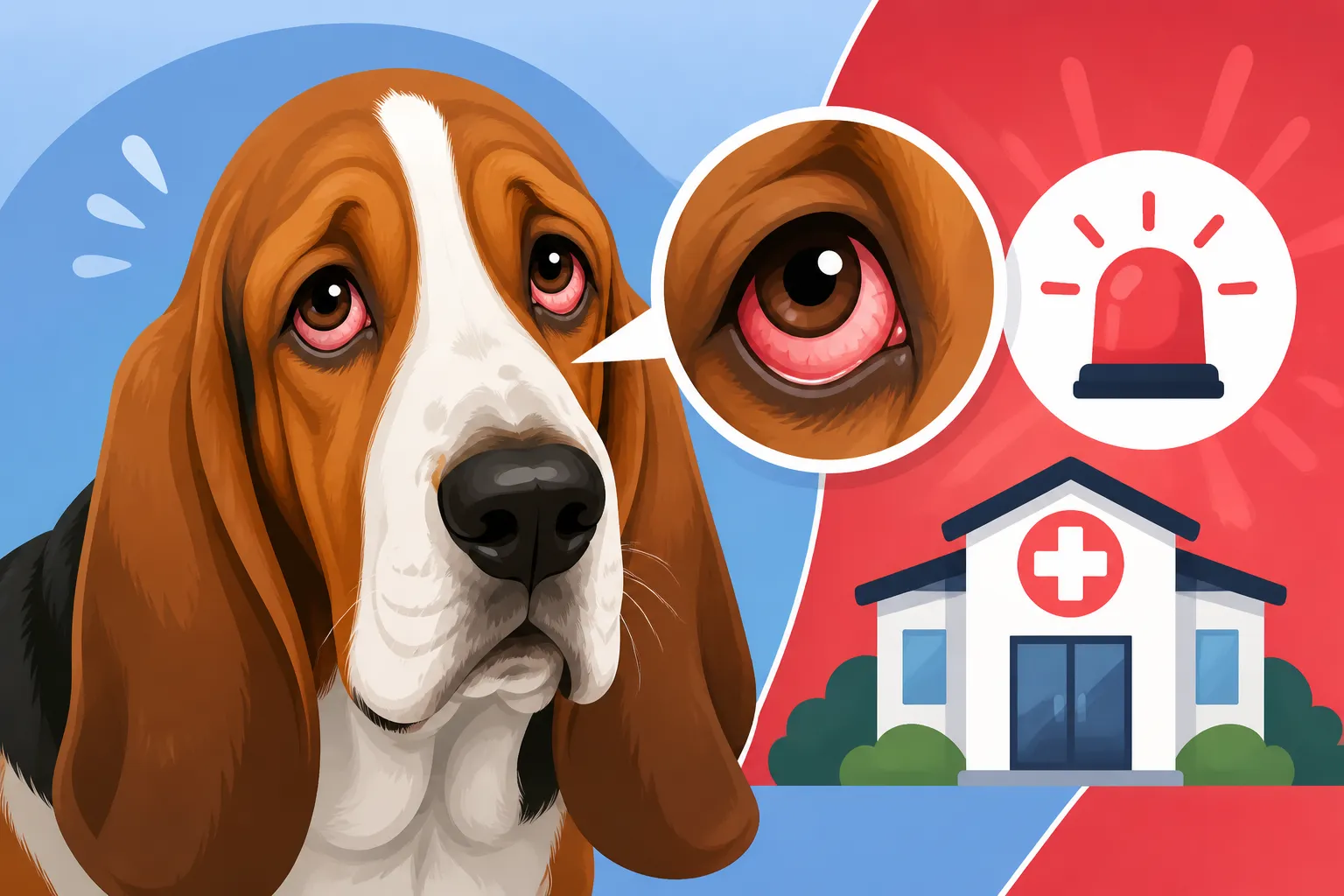
- Sudden Onset, Severe Redness: If one or both of your Basset's eyes suddenly become intensely red, almost bloodshot, and it's much worse than just a mild pinkness, it's a huge red flag. This kind of acute inflammation can be indicative of glaucoma, severe trauma, or a deep infection.
- Squinting, Pawing at the Eye, Obvious Pain: Any indication that your Basset Hound is in pain is an emergency. This includes constant squinting, holding the eye shut, rubbing their face against furniture, or repeatedly pawing at the affected eye. Pain suggests significant irritation, inflammation, or damage to the delicate structures of the eye. They might also become withdrawn, lose their appetite, or generally act unlike themselves due to discomfort.
- Cloudiness, Discharge (Especially Thick, Colored), Bulging: Changes in the appearance of the eye itself, beyond just redness, are serious. A cloudy or bluish tint to the cornea often points to fluid buildup, which can be seen with glaucoma or severe ulcers. Any thick, pus-like (yellow, green, or even bloody) discharge is a strong sign of infection. If the eyeball itself appears to be bulging or significantly enlarged, this is a classic sign of acute glaucoma and requires immediate veterinary intervention. The First Signs of Glaucoma in a Basset Hound outlines these critical symptoms in more detail.
- Vision Loss: If your Basset Hound suddenly starts bumping into objects, is hesitant to move around, or appears disoriented, especially in unfamiliar environments or low light, they may be experiencing acute vision loss. This is a terrifying symptom and demands immediate veterinary care, as some causes of sudden blindness, like glaucoma, require rapid treatment to have any chance of preserving vision.
- Rapid Progression: A rapidly worsening situation, where symptoms intensify over a matter of hours, is always an emergency. If a mildly red eye quickly becomes painfully bloodshot, cloudy, or accompanied by severe discharge, don't delay.
Differentiating Urgent from "Wait and Watch" Scenarios
It can be tough to decide if you need to drop everything and rush to the emergency vet or if it’s okay to monitor your dog until your regular vet opens. Here’s a quick comparison to help you make that call.
| Symptom Category | "Wait and Watch" (Call Regular Vet During Hours) | Urgent (Seek Emergency Vet Immediately) |
|---|---|---|
| Redness | Mild, pinkish, affects conjunctiva (inner eyelid), often temporary. | Intense, bloodshot, deep red in the white of the eye, sudden onset. |
| Discharge | Clear, watery, small amount of crusting, especially upon waking. | Thick, yellow, green, bloody, excessive tearing, or mucopurulent discharge. |
| Pain/Discomfort | No squinting, normal behavior, occasional pawing (e.g., to clear an irritant). | Persistent squinting, holding eye shut, constant pawing, rubbing, withdrawal, sensitivity to light. |
| Eye Appearance | Clear cornea, pupil size normal, no visible foreign objects. | Cloudy, hazy, bluish cornea; visible foreign object; bulging eyeball; pupil dilated or irregular. |
| Vision | Normal behavior, no signs of bumping into things. | Bumping into objects, disoriented, hesitant to move, sudden changes in navigation. |
| Progression | Stable or slowly improving over a few hours. | Rapidly worsening symptoms within a few hours. |
Remember, when in doubt, it’s always better to err on the side of caution. A quick phone call to your vet can often help you assess the situation. Sometimes, what seems minor could be the early stage of something serious. For example, Whether a Basset Hound's Red Eye Is an Emergency can easily be misjudged if you aren't familiar with all the potential underlying conditions.
Immediate Actions and When to Head to the Vet
Once you’ve assessed the situation, knowing what steps to take can make a real difference in your Basset Hound’s comfort and outcome.
First Aid and Observation at Home
For minor irritations, there are a few things you can do at home, but always proceed with caution and be ready to escalate to professional care.
- Gentle Cleaning (Saline Solution Only): If you suspect a mild irritant or dust, you can gently flush your Basset’s eye with a sterile saline solution made specifically for eyes (like human contact lens saline solution, not saline nasal spray). Avoid tap water, which can contain contaminants and sting. Use a soft, clean cloth or cotton ball to wipe away any discharge from the inner corner of the eye outwards. Do not rub the eye itself.
- Restricting Pawing (E-Collar if Necessary): If your Basset Hound is pawing or rubbing at their eye, it's crucial to stop them from causing further damage. An Elizabethan collar (e-collar or "cone of shame") might be necessary, even for short periods, to prevent self-trauma. This is particularly important if you suspect an abrasion or ulcer.
- Avoid Over-the-Counter Human Eye Drops: This is a big one. Never use human eye drops designed to reduce redness (like Visine or similar products) on your dog. These drops often contain vasoconstrictors that can mask underlying problems, cause irritation, or even be toxic to pets. Likewise, avoid any medicated drops prescribed for a previous issue or another animal, as the wrong medication can severely worsen certain eye conditions.
- Taking Photos/Videos for the Vet: Before you head out, snap a few clear photos or even a short video of the affected eye, especially if the symptoms are intermittent or hard to describe. This can be incredibly helpful for your vet in diagnosing the issue, as the eye might look different by the time you arrive at the clinic. Note down when symptoms started, how they've progressed, and anything else you've observed.
Navigating Emergency Vet Visits
When the signs point to an emergency, time is often of the essence. Don’t hesitate.
- When to Call the Emergency Vet Immediately: If your Basset Hound exhibits any of the urgent symptoms discussed above – severe pain, sudden vision loss, bulging eye, thick discharge, cloudy cornea, or rapidly worsening condition – pick up the phone and call your emergency veterinary clinic right away. Describe the symptoms clearly and let them know you're on your way. They can prepare for your arrival and provide initial advice. Do not wait for your regular vet's office to open if it's after hours.
- Importance of Early Intervention, Especially for Glaucoma: This cannot be stressed enough for Basset Hounds. Glaucoma is a true ocular emergency. Every hour counts. Delaying treatment for even a few hours can mean the difference between saving your dog's vision and permanent blindness. Glaucoma is intensely painful, and the damage it causes is irreversible. What Open Angle Glaucoma Does to a Basset Hound is a devastating condition, and early intervention is the only way to manage it.
- Discussing Costs and Insurance: Emergency vet visits, especially for eye conditions that might require specialized diagnostics or surgery, can be expensive. Conditions like glaucoma might require ongoing medication or even surgery. This is where pet insurance, like a comprehensive plan from Healthy Paws, can be a real lifesaver, helping to cover unexpected costs. It's always a good idea to understand your policy beforehand, so you're not scrambling during a stressful emergency. For a more in-depth look at potential costs, you might find information on What Glaucoma Surgery Costs a Basset Hound Owner helpful.
Preventing Future Red Eye Episodes
An ounce of prevention is worth a pound of cure, especially with our Basset Hounds and their delicate eyes. Proactive care can help minimize risks and catch issues early.
Routine Eye Care for Basset Hounds
Making eye care a regular part of your Basset Hound's routine can go a long way in preventing problems.
- Daily Checks: Get into the habit of checking your Basset’s eyes daily. Look for redness, discharge, squinting, or any changes in appearance. This quick check can become part of your morning cuddles or evening wind-down routine. It helps you notice subtle changes early, before they escalate. Pay particular attention to the whites of their eyes and the inner lining of their eyelids.
- Regular Cleaning of Eye Folds: Basset Hounds have those lovely, loose facial folds that can trap moisture, dirt, and bacteria, leading to irritation that can spread to the eyes. Gently clean these folds with a damp, soft cloth or a veterinarian-approved facial wipe. Make sure to dry the area thoroughly afterward to prevent moisture buildup, which can foster yeast or bacterial growth. This meticulous care is similar to what you might do for The Skin Under a Basset Hound's Folds elsewhere on their body.
- Yearly Eye Pressure Checks: Given the Basset Hound's predisposition to glaucoma, asking your veterinarian for a yearly eye pressure check (tonometry) is a wise preventative measure. This simple, non-invasive test can detect elevated eye pressure before clinical signs of glaucoma become obvious, allowing for earlier intervention. For more information, consider reading Whether a Basset Hound Needs a Yearly Eye Pressure Check.
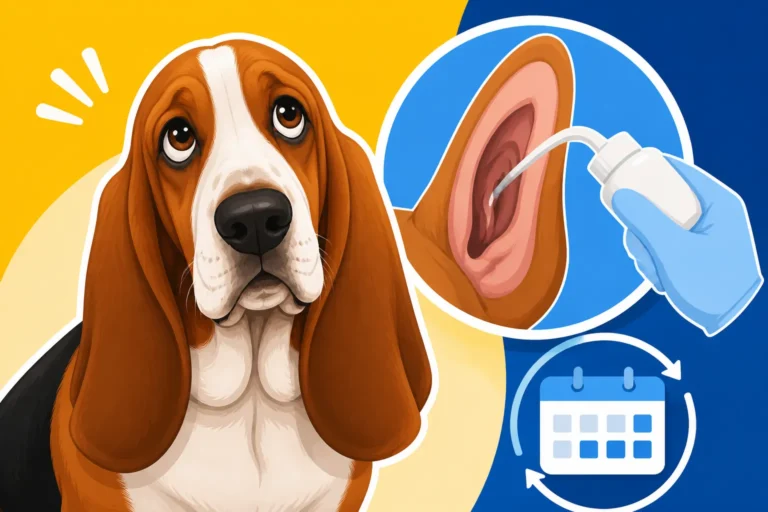
- Keeping Ears Clean to Prevent Secondary Issues: While seemingly unrelated, a Basset Hound's long, heavy ears can contribute to eye issues. Ear infections can sometimes lead to head shaking and scratching, which can indirectly cause trauma or irritation to the eyes. Additionally, the same environmental factors that cause ear trouble can also irritate the eyes. Adhering to The Twice Weekly Ear Ritual a Basset Hound Owner Signs Up For can therefore have a beneficial ripple effect on overall head and facial health, including the eyes.
Addressing Breed-Specific Predispositions
Understanding and proactively managing the inherent traits of the Basset Hound breed is key to their long-term eye health.
- Ectropion/Entropion Management: If your Basset Hound shows signs of eyelids rolling inward (entropion) or outward (ectropion), discuss corrective surgery with your vet. While it might seem drastic, these surgeries can alleviate chronic pain, prevent corneal damage, and significantly improve your dog's quality of life. Many owners wonder Whether a Basset Hound Gets Entropion or Whether a Basset Hound Gets Ectropion, and sadly, the answer is often yes, making vigilance essential.
- Glaucoma Screening for Breeding Animals: If you are considering breeding your Basset Hound, or if you purchased your Basset from a breeder, it is crucial that the parent dogs have undergone appropriate health screenings, including comprehensive eye exams to check for glaucoma. Responsible breeders will be transparent about these tests. This helps reduce the incidence of inherited eye conditions in future generations. You can learn more about this by reading Whether a Basset Hound Breeder Screens for Glaucoma.
- Diet and Supplements That May Support Eye Health: While not a cure-all, a balanced diet rich in antioxidants, omega-3 fatty acids, and specific vitamins can support overall eye health. Talk to your vet about high-quality dog foods and potential supplements that might benefit your Basset Hound’s vision and reduce inflammation. Some general supplements aimed at overall joint and immune health, which a good pet insurance like Healthy Paws might cover as part of a wellness plan (check your specific policy), can also indirectly support eye health.
By staying observant, acting quickly when necessary, and maintaining a proactive approach to eye care, you can help ensure your Basset Hound’s beautiful, expressive eyes remain healthy and comfortable for years to come.
Disclaimer
This article is intended for informational purposes only and does not constitute medical advice. Always consult with a qualified veterinarian for any health concerns or before making any decisions about your Basset Hound's medical care.