Whether a Basset Hound’s Legs Are Too Short to Be Sound
One of the most common worries new Basset Hound owners, or even seasoned ones, have is looking at those famously short, bowed legs and wondering, "Are they really sound? Can these little stubs genuinely support such a substantial body without causing problems?" It's a completely valid concern, as the Basset Hound's unique physique, while charming and iconic, does come with its own set of structural considerations. This guide will delve deep into the realities of their anatomy, the potential challenges it presents, and how you can best support your beloved Basset to live a long, comfortable life.
Understanding the Basset Hound's Unique Anatomy
Let's be honest, a Basset Hound's silhouette is unmistakable: long body, huge ears, soulful eyes, and those incredibly short legs. It's what makes them, well, them! But this distinctive build isn't just for looks; it’s a direct result of their historical purpose and a genetic trait that warrants our understanding.
The Science Behind Their Short Stature: Achondroplasia
The scientific term for the Basset Hound's short legs and disproportionate body is chondrodysplasia, more commonly known as dwarfism. This isn't a disease in itself, but rather a genetic condition that affects the growth plates of long bones, causing them to stop growing prematurely. In essence, while their body develops normally in length, their limbs remain short and often develop a bowed appearance. This is a characteristic that was selectively bred for centuries ago, making it a hallmark of the breed rather than a defect to be avoided. You might find it interesting to read more about Whether Achondroplasia Explains a Basset Hound's Shape and how this genetic trait defines many popular breeds, including Dachshunds and Corgis.
It’s crucial to understand that this isn't some random mutation; it's a deeply embedded part of their genetic makeup. Reputable breeders work to ensure that while the short legs are present, the dog's overall conformation is still as sound as possible within the breed standard. The goal is a functional, healthy Basset, not one whose extreme traits cause suffering. The bones are dense and sturdy, but the altered proportions do place different stresses on their joints compared to a long-legged breed.
The Historical Purpose of Their Build: Scent Hounds
Why would anyone breed a dog with such short legs? The answer lies in their original job description: scent trailing. Basset Hounds were developed in France, primarily by monks, to track game like rabbits and deer. Their low-slung bodies meant their noses were always close to the ground, maximizing their ability to pick up and follow a scent trail.
Imagine trying to follow a quick rabbit through dense undergrowth on horseback. A faster, long-legged dog might outpace the hunter. But a Basset, with its deliberate pace and unwavering focus on the scent, allowed hunters on foot or horseback to keep up. Their deep chests and powerful musculature, despite the short legs, gave them the endurance needed for long days of tracking. The short legs weren't a flaw; they were a feature, specifically designed for a very specific type of hunting. This historical context helps us appreciate that their build, while posing challenges, was carefully cultivated for a purpose.
How Their Structure Impacts Movement
Due to their unique proportions, Basset Hounds don't move like other dogs. Their long, heavy bodies and short legs mean they have a distinctive, rolling gait. Their large, loose-jointed front assembly (shoulders, elbows, and forelegs) allows for a surprisingly flexible movement, which is essential for navigating varied terrain. However, this flexibility, combined with their weight, can also contribute to certain vulnerabilities.
For example, their short legs mean they have a lower center of gravity, which helps with stability when tracking. But it also means they have to work harder to navigate obstacles like stairs or jump onto furniture, putting extra strain on their joints and spine. Understanding their movement patterns is the first step in creating a safe and supportive environment for them. It’s not just about their legs being short; it’s about the whole picture of how that shortness impacts their entire skeletal system and how they interact with the world around them.
Common Leg and Joint Issues Associated with Short Legs
While their short legs were an intentional design for hunting, the reality is that this conformation, combined with a Basset Hound's often heavy bone structure and potential for weight gain, does predispose them to certain orthopedic and spinal issues. It's not a guarantee that every Basset will develop these, but knowing what to look for and how to mitigate risks is vital.
Elbow Dysplasia and Front Leg Concerns
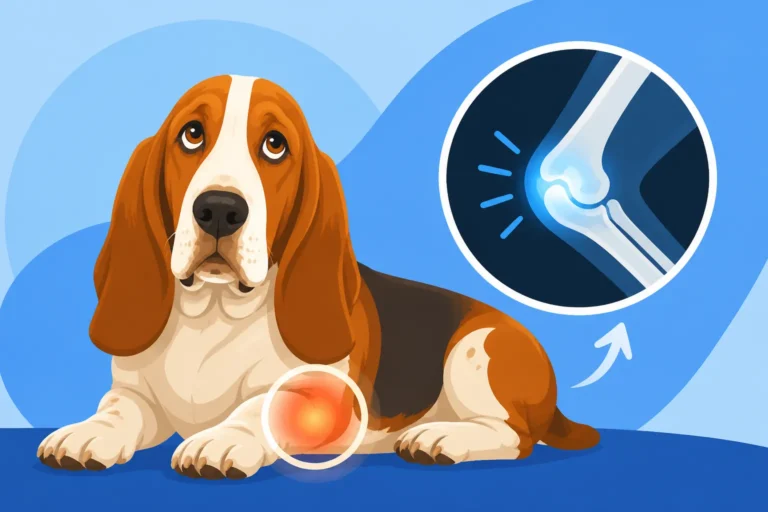
Elbow dysplasia is a common inherited condition in many larger and chondrodysplastic breeds, and Basset Hounds are definitely on that list. It refers to several developmental abnormalities of the elbow joint that can lead to pain, lameness, and ultimately arthritis. Because a Basset Hound's short, bowed front legs bear a significant portion of their body weight, any imperfection in the elbow joint can become a major problem. You might have heard people say Why One Basset Hound in Seven Has Bad Elbows, and it's because this condition is unfortunately prevalent.
The symptoms often start subtly: a slight limp after exercise, stiffness when getting up, or an unwillingness to jump. As the condition progresses, you might see more pronounced lameness, changes in gait, and even muscle wasting in the affected limb. Early diagnosis is key, often involving X-rays, to explore treatment options ranging from pain management and joint supplements to surgical intervention in more severe cases. A Basset Hound's legs are sturdy, but they aren't impervious to the wear and tear or developmental issues that can arise from their unique mechanics. It's a prime example of why getting a puppy from a reputable breeder who screens for Elbow Dysplasia in a Basset Hound is so important.
Back Health and Intervertebral Disc Disease (IVDD)
Perhaps even more concerning than elbow issues is the risk of back problems, specifically Intervertebral Disc Disease (IVDD). Their long backs, coupled with those short legs, create a mechanical disadvantage. The intervertebral discs, which act as cushions between the vertebrae, are prone to degeneration and herniation in chondrodysplastic breeds. When a disc ruptures or slips, it can press on the spinal cord, causing immense pain, nerve damage, and in severe cases, partial or complete paralysis. This is genuinely The Back Trouble a Basset Hound Is Built Into.
Symptoms of IVDD can vary widely, from mild back pain and reluctance to move, to a sudden inability to use their hind legs. You might notice a Basset being unusually still, yelping when touched, or dragging their back paws. It’s a terrifying experience for any owner. Preventative measures, such as avoiding high-impact activities like jumping off furniture and using ramps or steps, are critical. If you suspect IVDD, it's an emergency. Timely veterinary intervention, which could include strict crate rest, medication, or even spinal surgery, significantly impacts recovery. Many owners learn firsthand about Intervertebral Disc Disease in a Basset Hound and how devastating it can be.
Arthritis and Joint Wear and Tear
Over time, the cumulative stress on a Basset Hound's joints from their unique conformation can lead to the development of osteoarthritis. Even without a specific underlying condition like dysplasia or IVDD, the simple mechanics of their body carrying a heavy frame on short legs means their joints work harder. This wear and tear, often exacerbated by factors like obesity, can manifest as chronic pain, stiffness, and reduced mobility as they age.
Arthritis can impact any joint, but it's particularly noticeable in their elbows, hips, and spine. Imagine an older Basset who struggles to get up after a nap, is slow on walks, or seems less enthusiastic about playtime. These are often the tell-tale signs of arthritis setting in. While it's an inevitable part of aging for many dogs, proactive management can significantly improve their quality of life. This includes maintaining a healthy weight, providing joint supplements (like glucosamine and chondroitin), regular low-impact exercise, and pain management prescribed by your vet. It's a sad reality that Arthritis in a Basset Hound at Seven is not uncommon, making early preventative care incredibly important.
Managing and Supporting Your Basset Hound's Leg Health
The good news is that while Basset Hounds are predisposed to certain structural issues, there's a lot you can do as an owner to help them stay healthy, comfortable, and sound throughout their lives. It truly is about understanding their needs and adapting their environment and care routines accordingly.
Maintaining a Healthy Weight is Crucial
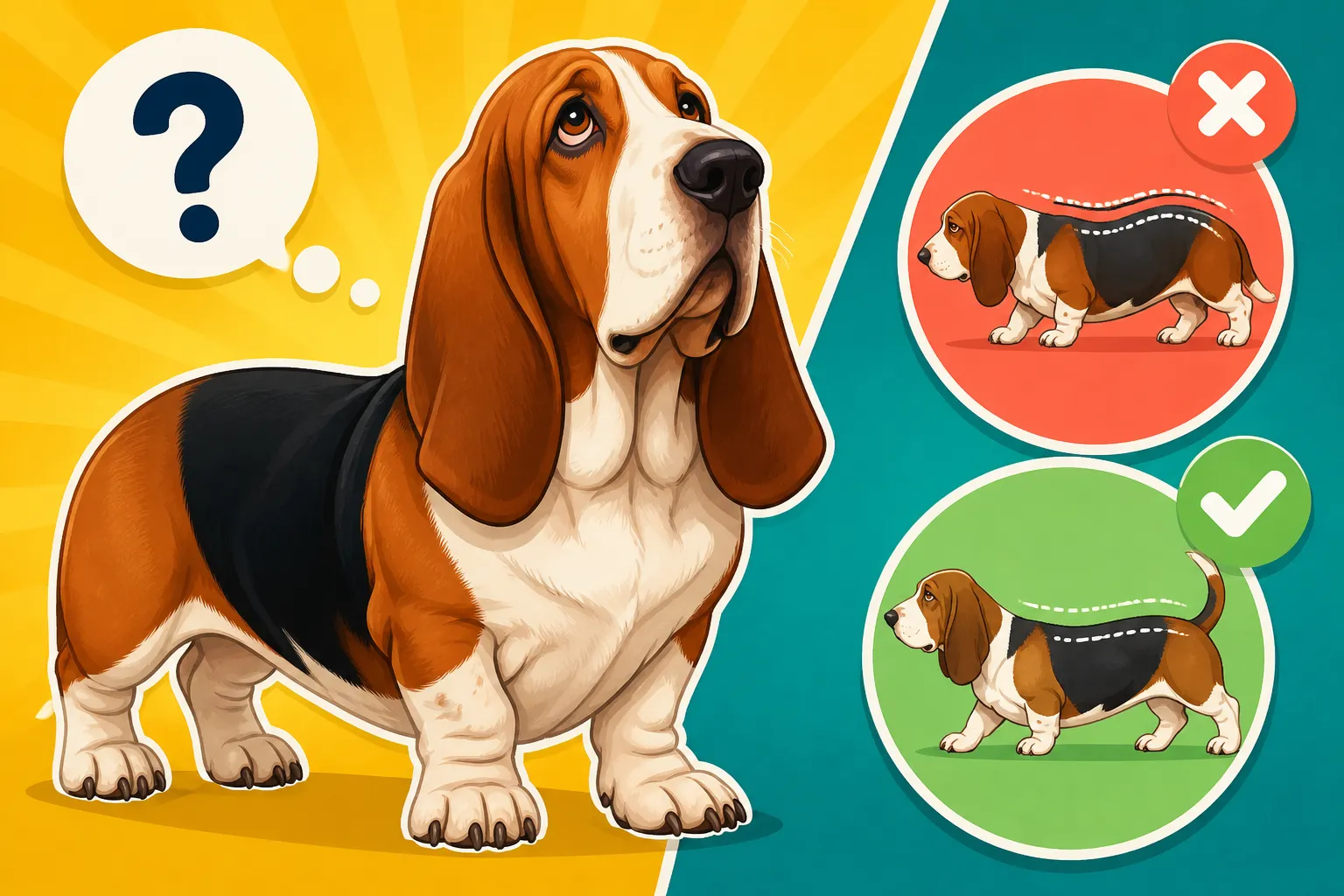
This cannot be stressed enough: keeping your Basset Hound at a lean, healthy weight is the single most impactful thing you can do for their joint and back health. Every extra pound places exponentially more stress on their already compromised joints and spine. Think of it like a person with a bad back carrying a heavy backpack all the time – it only makes things worse. You can tell What Extra Weight Does to a Basset Hound when you see them struggling.
A healthy Basset should have a visible waistline when viewed from above, and you should be able to feel their ribs easily with light pressure, without them protruding too much. If they're rotund and their ribs are hard to find, it’s time for a diet. This isn't just about vanity; it's about prolonging their lifespan and improving their quality of life. Consult your veterinarian for guidance on appropriate calorie intake and a safe weight loss plan. Even small changes can make a huge difference in Keeping a Basset Hound at Its Correct Weight.
Environmental Modifications for Safety
Your home environment plays a massive role in protecting your Basset Hound's delicate back and joints. Their short legs mean that even a small jump can put undue stress on their spine, potentially triggering an IVDD episode.
Here are some essential modifications:
- Ramps and Steps: Invest in dog ramps or sturdy pet steps for accessing furniture (beds, sofas) and vehicles. This eliminates dangerous jumping. Many owners wonder Whether a Basset Hound Should Use a Ramp, and the answer is almost always yes.
- Restrict Stair Access: If you have stairs, consider using baby gates to limit your Basset's access, especially for young puppies and seniors. If they must use stairs, supervise them closely and teach them to go slowly.
- Non-Slip Surfaces: Slippery floors (hardwood, tile) can be treacherous. Their broad chests and short legs make it hard for them to gain traction, leading to slips and falls that can injure their back or legs. Place rugs or runners in high-traffic areas.
- Proper Lifting Techniques: If you need to lift your Basset, always support both their front and hindquarters evenly. Never lift them by their front legs or under the chest without supporting their rear. It's vital to learn Whether a Basset Hound Should Be Lifted Under the Chest to avoid injury.
Making these simple changes can significantly reduce the risk of injury and discomfort, allowing your Basset to move more safely and confidently within their home.
Appropriate Exercise and Activity Levels
Basset Hounds aren't marathon runners, but they do need regular, moderate exercise to maintain muscle tone, joint flexibility, and a healthy weight. The key is appropriate exercise – low-impact and consistent.
- Daily Walks: Two to three shorter walks (20-30 minutes each) on a leash are usually ideal. Let them sniff and explore; this is mental enrichment for a scent hound! Avoid forced running, jumping, or intense agility work that puts strain on their joints.
- Scent Work: Engage their incredible noses with scent games, puzzle toys, or even beginner scent work classes. This provides mental stimulation without excessive physical stress.
- Swimming: If your Basset enjoys water (and many don't, thanks to those heavy bones and long ears!), swimming can be an excellent non-weight-bearing exercise. Always supervise them closely and ensure they wear a life vest.
- Avoid Extreme Activities: Steer clear of dog parks where rough play or sudden stops and starts could lead to injury. Similarly, high-impact activities like frisbee catching are not suitable for their build.
The goal is to keep them active and engaged without overexerting their unique bodies. Listen to your Basset; if they start to lag or show signs of discomfort, it's time to rest. Consistency is more important than intensity.
When to Seek Veterinary Help
Despite all your best efforts, sometimes issues still arise. Knowing when to call the vet and understanding what to expect during diagnosis and treatment is paramount for any Basset Hound owner. Don't hesitate to seek professional advice if you notice anything out of the ordinary.
Recognizing Signs of Pain or Discomfort
Basset Hounds are notorious for their stoic nature; they often hide pain surprisingly well. This means you, as their owner, need to be extra vigilant and learn to recognize subtle cues that indicate discomfort.
Look out for any of these changes in behavior or physical signs:
- Reluctance to Move: Hesitation to jump, climb stairs, or even get up from a lying position.
- Changes in Gait: Limping, favoring a limb, a more pronounced "rolling" walk, or dragging paws.
- Vocalization: Whining, yelping when touched, or uncharacteristic growling.
- Lethargy: Sleeping more than usual, less interest in play or walks.
- Personality Changes: Increased irritability, snapping, or withdrawal.
- Changes in Appetite: Eating less due to discomfort.
- Physical Signs: Swelling in joints, tenderness to touch, shivering, or holding a limb awkwardly.
If you observe any of these signs, especially if they are persistent or sudden, it’s a clear signal that something is amiss, and a vet visit is warranted. Early intervention can make a huge difference in prognosis and comfort.
Diagnostic Tools and Treatment Options
When you visit the vet with concerns about your Basset's legs or back, they will typically start with a thorough physical examination, observing their gait and palpating their joints and spine.
Common diagnostic tools include:
- X-rays: These are often the first line of defense to visualize bones and joints, detect signs of arthritis, dysplasia, or spinal abnormalities.
- MRI or CT Scans: If a spinal injury like IVDD is suspected, these advanced imaging techniques provide detailed cross-sectional images of soft tissues, allowing for precise localization of disc herniations.
- Joint Fluid Analysis: In some cases of severe arthritis or infection, a sample of joint fluid may be taken.
Treatment options vary depending on the diagnosis:
- Conservative Management: For mild cases of arthritis or IVDD, this can include strict crate rest, anti-inflammatory medications, pain relievers, muscle relaxants, and sometimes physical therapy.
- Surgery: For severe dysplasia, disc herniations, or other structural issues, surgical intervention may be necessary to alleviate pain and restore function. This can be a significant undertaking, both medically and financially.
- Rehabilitation: Post-operative care or chronic pain management often includes physical therapy, hydrotherapy, laser therapy, and acupuncture to improve mobility and comfort.
The Role of Preventative Care and Insurance
Investing in preventative care and pet insurance can save you a lot of heartache and financial strain in the long run. Regular veterinary check-ups are essential, even if your Basset seems perfectly healthy. Your vet can monitor their weight, assess their gait, and discuss age-appropriate supplements or preventative measures.
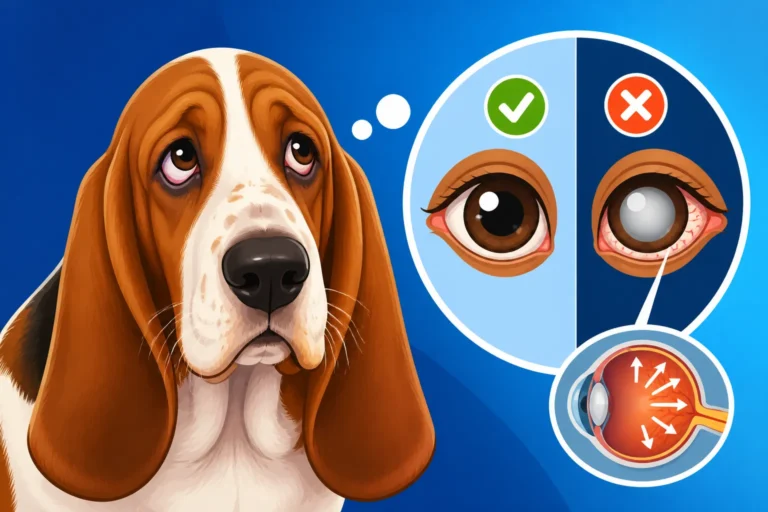
Considering pet insurance is a smart move for Basset Hound owners. Given their predispositions to orthopedic and spinal issues, the costs associated with diagnostics (like MRIs) and treatments (like surgery or long-term medication) can quickly add up. A good pet insurance plan, like those offered by Healthy Paws, can provide immense peace of mind, allowing you to make medical decisions based on what's best for your dog, rather than being limited by cost. When considering a policy, look for one that specifically covers inherited and chronic conditions, as well as emergency care. Reading up on Insuring a Basset Hound Against Eyes, Ears and Backs can help you understand what to look for in a policy.
It’s about being proactive. Regular vet visits, maintaining a healthy lifestyle, and having a financial safety net in place mean you’re ready for whatever those adorable, short legs might encounter over their lifetime.
| Condition | Primary Affected Area | Common Symptoms | Preventative Measures | Potential Treatments |
|---|---|---|---|---|
| Elbow Dysplasia | Elbow joints (front legs) | Limping, stiffness, reluctance to move, pain on palpation | Responsible breeding, weight management, moderate exercise | Pain relief, joint supplements, physical therapy, surgery |
| Intervertebral Disc Disease (IVDD) | Spine (back) | Back pain, weakness in hind legs, paralysis, yelping | Weight control, ramps/steps, avoiding jumping, harness use | Strict rest, anti-inflammatories, muscle relaxants, surgery, rehabilitation |
| Osteoarthritis | Various joints (hips, elbows, spine) | Chronic pain, stiffness, reduced mobility, difficulty rising | Weight management, joint supplements, controlled exercise, non-slip floors | Pain management (medication), physical therapy, supplements, therapeutic diets |
Disclaimer
The information provided in this article is for general informational purposes only and is not a substitute for professional veterinary advice. Always consult with a qualified veterinarian for any health concerns or before making any decisions about your Basset Hound's medical care.