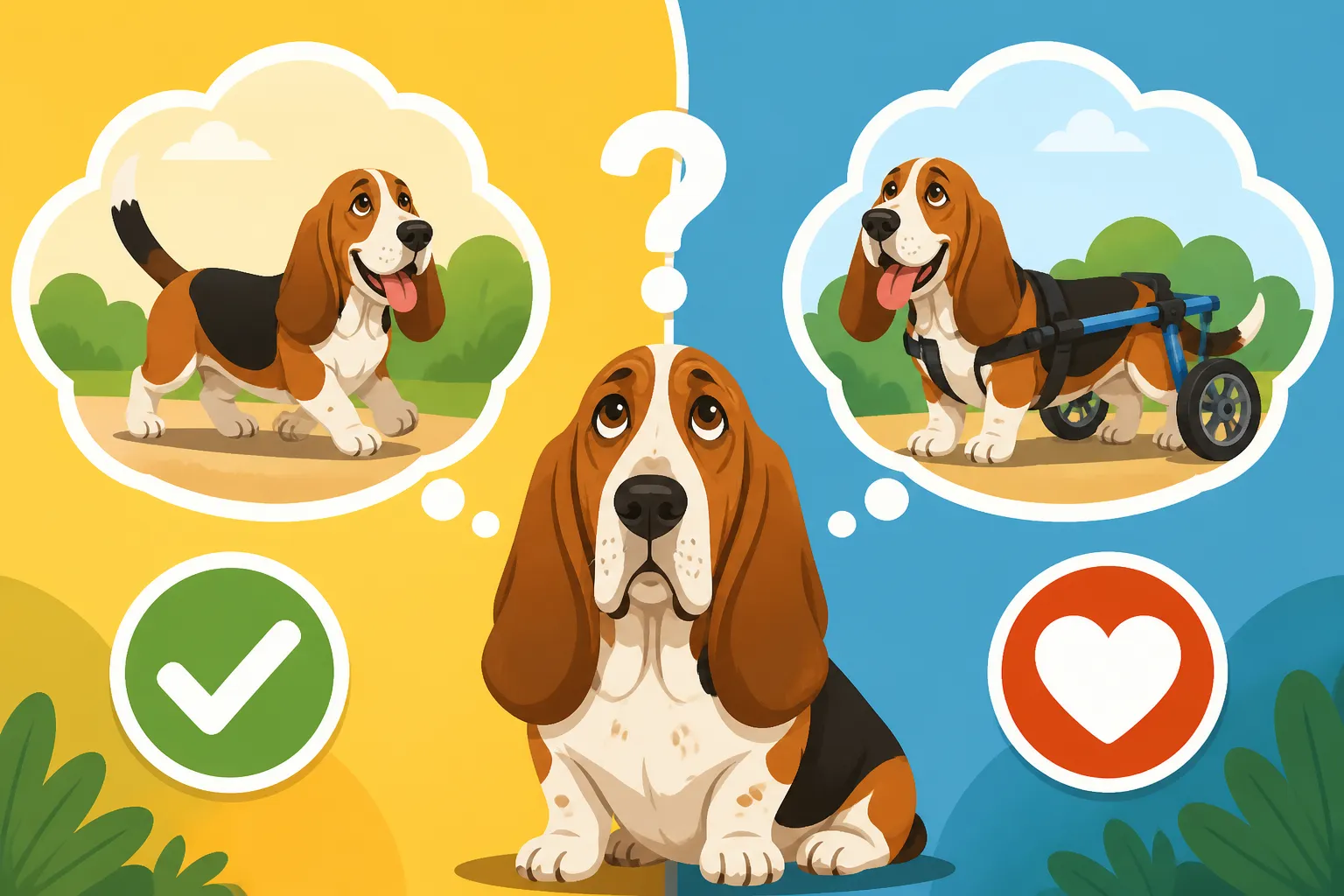
Whether a Basset Hound Needs a Cart
It's absolutely heart-wrenching to watch your beloved Basset Hound, once so full of waddling energy and joyful sniffs, begin to struggle with the simplest movements. The sight of them hesitating to stand, stumbling on their short legs, or dragging their hind paws can fill any devoted owner with a mix of sadness and helplessness. You start to wonder, is there something more I can do? This comprehensive guide is here to explore whether a mobility cart could be the lifeline your Basset Hound needs to regain some independence and joy in their golden years or after an unexpected injury.
The Heartbreaking Reality of Basset Hound Mobility Issues
Basset Hounds are undeniably charming with their long, droopy ears and soulful eyes, but their unique physical build, while endearing, unfortunately predisposes them to a host of mobility challenges. Many owners find themselves grappling with these issues sooner or later, and it's a frustrating, often painful, journey for both dog and human.
Why Basset Hounds Are Prone to Back and Joint Problems
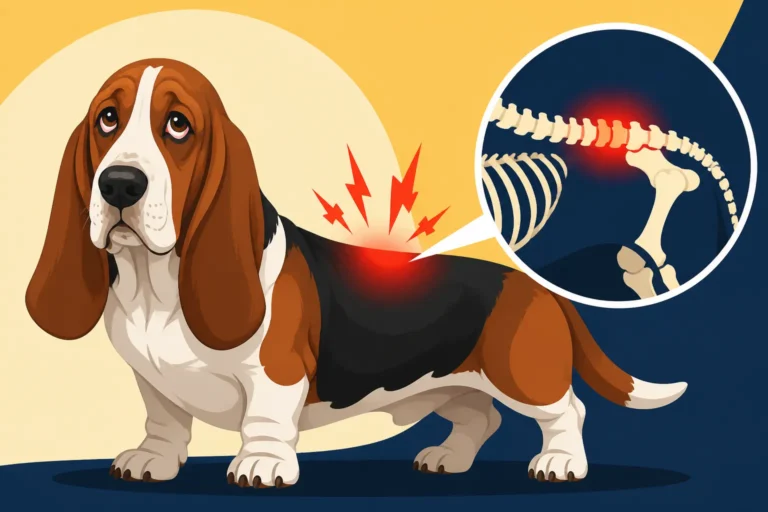
Let's be real, Basset Hounds are built for scent work, not for Olympic gymnastics. Their distinctive low-slung, long-backed bodies with those stout, bowed legs are a double-edged sword. While perfect for keeping their noses to the ground and tracking a scent for miles, this conformation places immense stress on their spinal columns and joints. Think about it: a long body supported by relatively short limbs means their spine bears a significant load, making them incredibly susceptible to conditions like Intervertebral Disc Disease (IVDD). It's a common and unfortunate truth that The Back Trouble a Basset Hound Is Built Into is practically part of their genetic blueprint, making mobility issues a frequent concern for the breed.
Furthermore, their substantial bone structure and often stocky build mean they carry a fair bit of weight for their height. This natural predisposition, coupled with even a few extra pounds, can severely exacerbate any existing joint or spinal weakness. It’s a sad reality that What Extra Weight Does to a Basset Hound can accelerate the breakdown of cartilage and bone, leading to earlier onset and more severe arthritis, making movement even more painful and difficult. We strive to keep them at their ideal weight, but sometimes genetics and age just catch up.
Recognizing the Signs of Mobility Decline
It’s crucial to be vigilant and recognize the subtle (and not-so-subtle) signs that your Basset Hound is struggling with mobility. Often, the first indications are a general reluctance to engage in activities they once loved, like chasing squirrels or even just getting up to greet you at the door. You might notice them moving more slowly, lagging behind on walks, or struggling to climb stairs. This could be the start of The Old Basset Hound That Cannot Get Off the Floor, a painful situation that signals deeper issues.
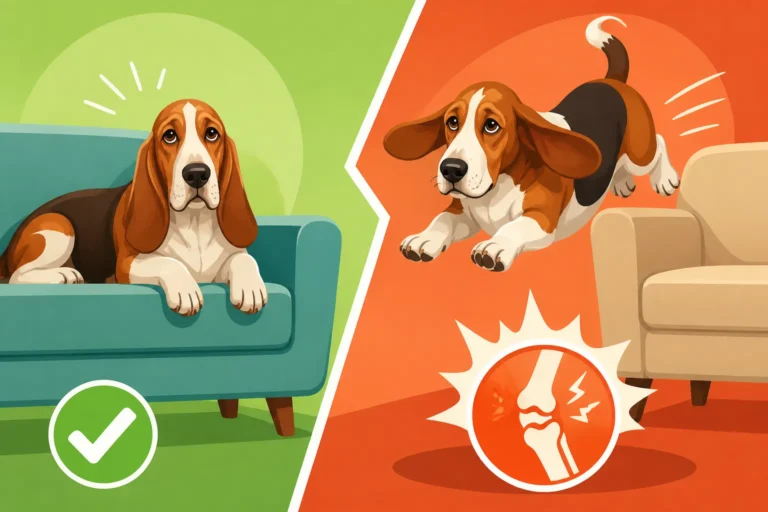
As conditions progress, the signs become more evident. They might hesitate before jumping onto the sofa (something they probably shouldn't be doing anyway, but we'll get to that!), or they might struggle to shift their weight when going from lying down to standing. You might observe a wobble or weakness in their hindquarters, perhaps even a scuffing of their back paws as they walk. Sometimes, they might cry out in pain when touched in certain areas or when attempting to adjust their position. Eventually, for some, the struggle to stand independently becomes a daily challenge, becoming a clear indicator that Whether an Old Basset Hound Struggles to Stand is a serious concern requiring intervention. Observing these changes early can help you seek veterinary advice and explore solutions before the situation becomes critical.
Common Conditions Leading to Cart Consideration
While general aging can lead to stiffness and reduced mobility, certain medical conditions are more likely to necessitate the use of a mobility cart for your Basset Hound. These conditions often directly impact their ability to use their hind legs, making a cart a game-changer for their quality of life.
Intervertebral Disc Disease (IVDD)
IVDD is probably the most notorious culprit when it comes to Basset Hound mobility issues. This condition occurs when the cushions between the vertebrae in their spine (the intervertebral discs) degenerate and rupture or protrude into the spinal canal. This puts pressure on the spinal cord, leading to pain, nerve damage, and in severe cases, partial or complete paralysis. It’s a terrifying diagnosis that can come on suddenly, leaving your Basset Hound unable to use their back legs.
The severity of IVDD can vary greatly, from mild back pain that responds to rest and medication, to full paralysis requiring emergency surgery. Owners often face a difficult decision: pursue expensive surgery, manage conservatively, or consider other long-term aids. Even with surgery, a full recovery isn't always guaranteed, and some dogs may still have residual weakness or nerve damage. Understanding Whether a Basset Hound's Disc Surgery Is Worth It is a critical discussion to have with your vet, considering the financial, emotional, and physical toll it can take on everyone involved. For Bassets with severe IVDD leading to paralysis, especially in the hind limbs, a cart often becomes the most viable option to restore some form of independent movement and prevent secondary complications from immobility.
Severe Arthritis and Degenerative Joint Disease
Beyond spinal issues, severe arthritis and degenerative joint disease can dramatically impact a Basset Hound’s ability to move comfortably. Given their body type, their hips, elbows, and even their shoulders can be prone to the wear and tear of aging, or genetic predispositions like elbow dysplasia. We've all seen dogs slow down as they age, but for a Basset Hound with their heavy frame, advanced arthritis can be crippling. This can become particularly noticeable as Arthritis in a Basset Hound at Seven or older starts to set in, transforming once-eager walks into painful shuffles.
While medications, supplements, and physical therapy can manage arthritis for a long time, there comes a point for some Bassets where the pain and loss of joint function are so severe that their hind legs simply can't support their body weight. Even simple tasks like standing up or relieving themselves become monumental efforts. In these advanced stages, a cart can offload the pressure on their aching joints, allowing them to move without the agony, and providing much-needed exercise and mental stimulation.
Injury and Other Neurological Conditions
Life can throw unexpected curveballs, and sometimes an injury can lead to sudden and severe mobility loss. A fall, an accident, or even an unfortunate twist can result in spinal trauma or nerve damage that leaves a Basset Hound with impaired hind limb function. Beyond traumatic injuries, other neurological conditions, though less common than IVDD or arthritis, can also cause progressive weakness or paralysis. These could include certain types of strokes, tumors affecting the spinal cord, or degenerative myelopathy, although the latter is rarer in Basset Hounds than in some other breeds.
For these dogs, especially if the damage is permanent or recovery is slow and incomplete, a cart offers a way forward. It's truly incredible to witness Whether a Paralyzed Basset Hound Walks Again with the aid of a well-fitted cart, giving them a new lease on life and restoring a sense of normalcy and purpose that immobility had stolen. It's about empowering them to explore and interact with their world again, even if it's in a slightly different way.
Is a Cart the Right Choice for Your Basset Hound?
Deciding to get a mobility cart for your Basset Hound is a significant step, and it's one that involves careful consideration, veterinary consultation, and a deep understanding of your dog's individual needs and personality. It's not a decision to be taken lightly, but for the right dog, it can be life-changing.
Assessing Your Basset Hound's Needs and Prognosis
The absolute first step is always a thorough veterinary examination. Your vet will assess your Basset's overall health, pinpoint the exact cause of their mobility issues, and discuss the prognosis. A cart is typically most beneficial for Basset Hounds with hind limb weakness or paralysis, but who still have good strength in their front legs and core. They need to be able to propel themselves forward using their front limbs while the cart supports their rear.
Your vet might recommend imaging like X-rays or an MRI to get a clearer picture of spinal issues, especially if IVDD is suspected. Understanding the extent of nerve damage and the likelihood of recovery is crucial. It's also important to consider your dog's age and general health. A Basset Hound with other serious health conditions might not be a good candidate for the energy and adjustment required to use a cart. Discussing the long-term outlook and quality of life is paramount. You need to be honest about whether a cart will truly enhance their life or simply prolong discomfort.
Exploring Alternatives and Supportive Care
Before jumping straight to a cart, it's worth exploring all the available alternatives and supportive therapies. For many Basset Hounds with mild to moderate mobility issues, a combination of these strategies can make a huge difference, sometimes delaying or even negating the need for a cart.
Physical therapy, often including hydrotherapy (underwater treadmill), can be incredibly effective in building muscle strength, improving flexibility, and managing pain. It's an investment, but many owners find it pays dividends in their dog's comfort and mobility. If you're wondering What Physical Therapy Costs a Basset Hound Owner, it's wise to discuss this with your vet and a canine rehabilitation specialist early on. Acupuncture and chiropractic care are also options that some owners find beneficial.
Weight management is critical. As we discussed, even a little extra weight can be detrimental. Ensuring your Basset Hound is at their ideal weight can significantly reduce strain on their joints and spine. Environmental modifications are also key: using Whether a Basset Hound Should Use a Ramp instead of stairs, laying down non-slip rugs on slick floors, and providing a supportive, comfortable orthopedic bed can greatly improve their daily life. Simple things like Helping an Old Basset Hound Onto the Couch safely with a ramp can prevent further injury. Pain management through NSAIDs or other medications is often an ongoing part of care. When considering the financial implications of long-term care, including potential physical therapy, specialized foods, and medications, looking into pet insurance like Healthy Paws can provide much-needed peace of mind, helping to cover unexpected costs.
Understanding Different Types of Carts
If, after exploring all options, a cart seems like the right path, you'll find there are different types designed for various needs:
- Rear-Support Carts: These are the most common type for Basset Hounds. They support the hindquarters, lifting the back legs off the ground (or allowing them to touch for exercise/proprioception) while the front legs do the walking. They are ideal for dogs with hind limb weakness, paralysis, or severe pain in the hips or lower spine.
- Full-Support (Four-Wheel) Carts: Less common for Basset Hounds, these carts support all four limbs. They are typically used for dogs with weakness or paralysis in both front and hind limbs, or severe instability.
- Custom vs. Off-the-Shelf: Many companies offer standard-sized carts, but for a Basset Hound's unique proportions, a custom-fitted cart might be necessary to ensure optimal comfort and support. Companies like Walkin' Wheels or Eddie's Wheels are well-known brands that offer a range of options, from adjustable standard models to fully custom-built carts. The fit is absolutely critical – a poorly fitting cart can cause pressure sores, discomfort, or even hinder movement.
| Feature | Rear-Support Cart | Full-Support Cart |
|---|---|---|
| Typical Use | Hind limb weakness/paralysis | All four limb weakness/paralysis, severe instability |
| Basset Hound Suitability | Most common and often ideal | Less common, usually for more severe conditions |
| Mobility Aid | Front legs propel, rear legs supported | Provides full body support, minimal self-propulsion |
| Adjustability | Many adjustable models available | Often more specialized/customizable |
| Cost | Varies, generally less than full-support custom | Higher, especially for custom builds |
| Benefits | Restores independent walking, exercise, mental stimulation | Allows severely disabled dogs to move, reduces pressure sores |
Integrating a Cart into Your Basset Hound's Life
Getting a cart is just the beginning. The next, and arguably most important, phase is helping your Basset Hound adjust to their new wheels and thrive with their newfound mobility. This requires patience, consistency, and a whole lot of love.
The Acclimation Process
Don't expect your Basset Hound to immediately take to their cart like a duck to water. It's a brand-new sensation, and they might be confused, hesitant, or even resistant at first. The key is to introduce the cart gradually and positively. Start with short sessions, just a few minutes at a time, in a quiet, familiar environment. Distractions should be minimal.
Use plenty of high-value treats and praise. Make the cart a source of good things! Let them sniff it, touch it, and then gently place them in it. At first, they might just stand there, looking bewildered. That's okay! Encourage them with treats and gentle words. Once they tolerate being in it, encourage a few steps. You might need to guide them initially, holding a treat in front of their nose to coax them forward. Consistency is vital, and those short, positive sessions will gradually build their confidence. Remember, it's a marathon, not a sprint. Celebrate every tiny victory, from their first hesitant step to a full-on waddle around the yard.
Daily Care and Maintenance for a Cart-User
Life with a Basset Hound in a cart means some adjustments to their daily routine and care. Prevention is always better than cure, especially when it comes to potential complications.
- Pressure Sore Prevention: The cart can cause pressure points, especially in the armpits or groin area. Regularly check these areas for any redness, irritation, or hair loss. Padding on the cart straps can help, and ensuring a perfect fit is crucial.
- Hygiene: Basset Hounds with hind limb paralysis or weakness often have issues with bladder and bowel control. This means careful attention to hygiene to prevent urine scald or skin infections. Regular cleaning, using absorbent pads, and potentially expressing their bladder will be necessary.
- Continued Physical Therapy: Even with a cart, maintaining muscle mass and joint health is important. Your vet or a canine rehabilitation specialist can recommend passive range of motion (PROM) exercises, stretching, and massage to do daily. This helps prevent muscle atrophy and keeps their joints supple, complementing the cart's support.
- Cart Maintenance: Carts need regular checks. Ensure all straps are secure and properly adjusted. Wheels can get dirty or worn, and parts might need occasional lubrication or replacement.
- Insurance Considerations: The ongoing costs associated with a cart, potential physical therapy, medications, and general care for a mobility-challenged Basset Hound can add up. Having a good pet insurance policy, like those offered by Healthy Paws, can be incredibly beneficial in managing these expenses and ensuring you can always provide the best care for your beloved companion without financial strain.
The Emotional Impact on Owners and Basset Hounds
Bringing a cart into your Basset Hound's life is a journey with emotional highs and lows. It's easy to feel overwhelmed by the initial challenges, the constant monitoring, and the feeling that your dog is "different." However, the overwhelming sentiment from owners who have made this choice is often one of profound relief and joy. Seeing your Basset Hound, who was once immobile or struggling immensely, suddenly "run" and explore again is an unparalleled feeling.
They may garner some curious glances or questions from strangers, but these interactions often turn into opportunities to educate others about canine mobility aids and the resilience of dogs. The commitment is significant, requiring time, effort, and sometimes financial resources, but the bond you forge through this experience often deepens. It’s a testament to your love and dedication, and your Basset Hound will undoubtedly reward you with endless affection, grateful sniffs, and renewed zest for life. The ability to chase a scent or simply enjoy a stroll in the park again is a priceless gift.
Disclaimer
The information provided in this article is for general informational purposes only and is not a substitute for professional veterinary advice. Always consult with a qualified veterinarian for any health concerns or before making any decisions related to your pet's health or treatment.