How Much a Basset Hound Should Weigh
It’s a common frustration among Basset Hound owners: you look at your beloved, low-slung companion, and you’re just not sure if they’re at a healthy weight. Their unique, heavy-boned build and adorably droopy appearance can make it incredibly difficult to tell. This guide will help you understand what a healthy Basset Hound really looks like, how to assess their body condition accurately, and why maintaining that ideal weight is paramount for their long-term health and happiness.
Understanding the Basset Hound's Unique Build
Basset Hounds are truly one-of-a-kind dogs, and their distinctive physique often leads to misunderstandings about their ideal weight. They're not built like a slender sighthound, nor are they meant to be a fluffy lapdog. Their structure is purpose-built for scent work, and it's this very structure that makes weight assessment tricky.
More Than Just "Chunky"
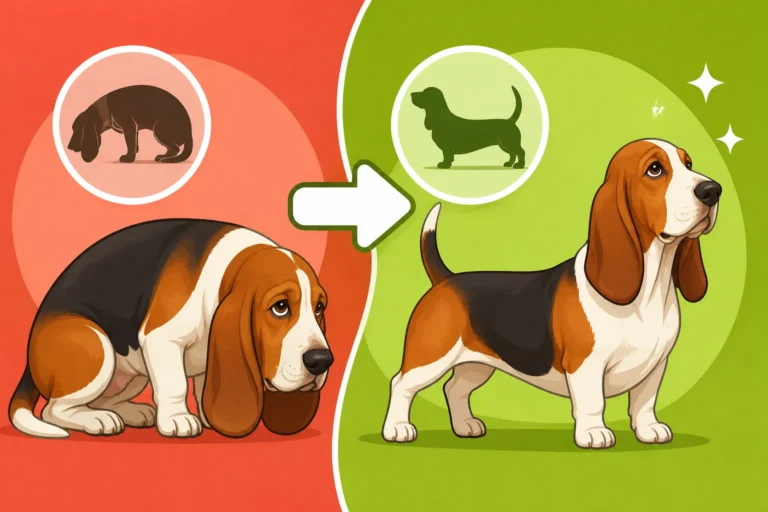
The biggest misconception about Basset Hounds is that they are supposed to be naturally chunky or portly. While they are indeed heavy-boned and muscular, with a deep chest and a long, substantial body, this doesn't equate to carrying excess fat. Many people mistake the breed's natural substance for being overweight, leading to them feeding their Basset too much, often with good intentions. Their loose skin, particularly around their neck and chest, can also create an illusion of greater bulk than is actually present, further muddying the waters for concerned owners.
It’s easy to look at those sad, soulful eyes and feel guilty for not giving them another treat, but that extra treat quickly adds up. They might look like they're just "built that way," but there's a fine line between a heavily built dog and an overweight one. A truly healthy Basset Hound should have a discernible waist and ribs that are easy to feel, even if they aren't visibly prominent. This is a crucial distinction that many owners struggle with, especially when faced with the breed’s undeniable charm and propensity for food-motivated antics.
Breed Standard Guidelines
While the official breed standards from organizations like the American Kennel Club (AKC) don't typically provide specific weight ranges, they do describe the ideal conformation that implies a healthy body condition. For Basset Hounds, the standard emphasizes a dog that is "powerful, massive and heavy-boned, on short legs." It also notes that the dog should be "in proportion throughout." This "proportion" is key. It means that while they are undeniably solid, they shouldn't look like a sausage on legs.
The standard also describes the Basset Hound's gait as "unhurried but powerful," suggesting a dog that moves with ease and purpose, not one burdened by extra weight. A Basset Hound's short legs are already working hard to carry their substantial body, and any additional pounds make this task even more arduous. A breeder aiming for the standard will strive for dogs with good muscle tone and condition, not flab. When you speak to reputable breeders, they often emphasize that a healthy Basset should be lean and fit, despite their heavy appearance, to ensure they can perform the work they were originally bred for.
The Ideal Weight Range for Your Basset Hound
Determining the exact "ideal weight" for a Basset Hound isn't as simple as consulting a chart, because just like people, Bassets come in different sizes and builds within the breed. However, there are general ranges and, more importantly, a practical method you can use at home to ensure your furry friend is at their best.
Averages and Individual Variation
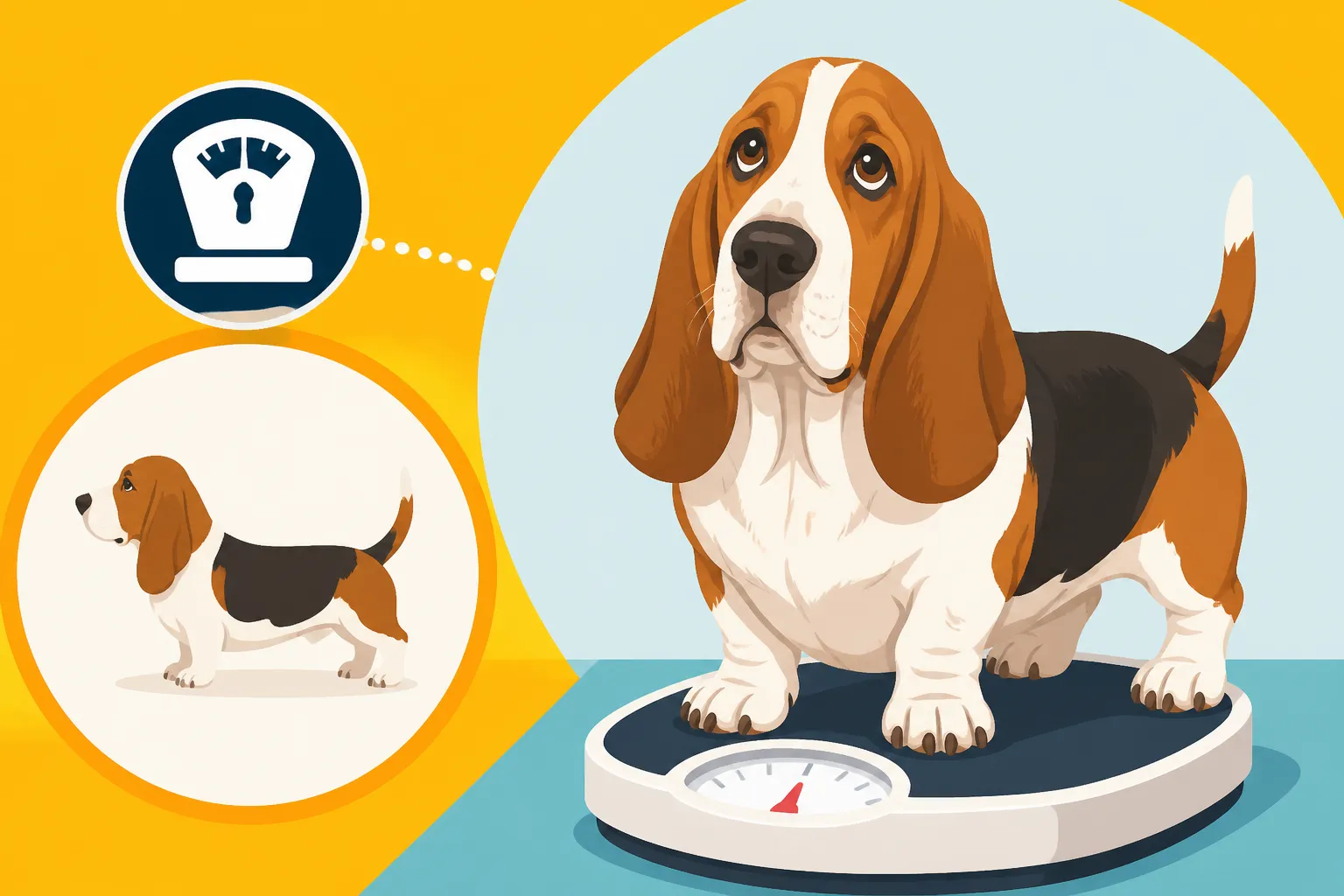
For an adult Basset Hound, a general weight range typically falls between 40 to 65 pounds (18 to 29 kg). However, this is a broad spectrum, and individual factors play a huge role. Males are generally larger and heavier than females, and there can be significant differences even between littermates. Some Bassets simply have a more massive bone structure than others.
For example, you might have a petite female Basset that is perfectly healthy at 45 pounds, while a larger male could be lean and fit at 60 pounds. Conversely, a male Basset weighing 70 pounds might appear "normal" to some, but could actually be significantly overweight for its frame. It’s crucial not to fixate solely on the number on the scale. A better approach is to consider your individual dog’s frame, muscle mass, and age. A growing puppy will have different needs than a senior dog, and an athletic Basset regularly engaging in scent work will carry its weight differently than a more sedentary house pet.
The Body Condition Score BCS
This is where the Body Condition Score (BCS) comes in as your most valuable tool. The BCS is a hands-on assessment that helps you gauge your dog's fat reserves, giving you a more accurate picture of their health than a simple weigh-in. Most vets use a 5-point scale (where 3 is ideal) or a 9-point scale (where 4-5 is ideal).
Here’s how to perform a quick BCS check at home:
- Feel the Ribs: Gently run your hands along your Basset's sides. You should be able to easily feel their ribs without pressing hard. They shouldn't be visibly prominent or "poky," but you shouldn't have to search for them under a layer of fat. If you can't feel the ribs at all without really pushing, your Basset is likely carrying too much weight.
- Look for a Waistline: Stand above your Basset and look down at their back. You should see a slight indentation, or "waist," behind their ribs where the abdomen narrows. For Basset Hounds, this can be subtle due to their long body, but it should still be present. If their body forms a straight line from ribs to hips, or bulges outwards, they are probably overweight.
- Check the Abdominal Tuck: When your Basset is standing, observe their profile from the side. Their belly should tuck up slightly from their rib cage to their hind legs. It shouldn't hang low or be distended. A noticeable sag or "pendulous" belly is a strong indicator of excess weight.
Body Condition Score Chart (5-Point Scale Example)
| Score | Description | Implications |
|---|---|---|
| 1 | Emaciated: Ribs, spine, pelvic bones, and all bony prominences visible from a distance. Obvious loss of muscle mass. | Severely underweight, usually due to illness or malnourishment. Requires urgent veterinary intervention. |
| 2 | Underweight: Ribs easily palpable and visible. Top of lumbar vertebrae visible. Pelvic bones becoming prominent. Minimal fat. Obvious waist and abdominal tuck. | Too thin. May indicate inadequate food, high metabolism, or underlying health issues. Consult your vet to rule out illness and adjust diet. |
| 3 | Ideal: Ribs easily palpable without excess fat covering. Waist easily noted when viewed from above. Abdominal tuck evident. | This is the goal! Your Basset Hound is at a healthy weight, which supports optimal health and longevity. |
| 4 | Overweight: Ribs palpable with difficulty; moderate fat covering. Waist discernible but not prominent. Abdominal tuck absent. Fat deposits over lumbar area and base of tail. | Carrying excess weight. Increased risk of health problems. Time to adjust diet and exercise. This is a common state for many Bassets and often goes unnoticed. |
| 5 | Obese: Ribs not palpable under heavy fat cover; heavy fat deposits over lumbar area, face, and base of tail. Abdominal distention or no waist. Obvious pendulous abdomen. | Significantly overweight. High risk of severe health issues. Immediate veterinary consultation and a strict weight management plan are essential. This greatly impacts their ability to move and enjoy life. |
Aim for a BCS of 3 (on a 5-point scale) or 4-5 (on a 9-point scale). This ensures they have enough muscle and energy without the burden of extra fat. Regularly checking their BCS, perhaps weekly, will help you stay on top of any creeping weight gain.
The Dangers of Being Overweight
It might seem harmless, a little extra padding on your Basset, but for a breed already predisposed to certain structural and health issues, excess weight can quickly turn into a significant problem. The consequences aren't just cosmetic; they profoundly affect your Basset's quality of life and lifespan.
Joint and Back Strain
Basset Hounds are famous for their long backs and short, powerful legs. This unique skeletal structure makes them particularly susceptible to joint issues and back problems. When a Basset carries extra weight, it puts immense strain on their joints, especially their elbows and hips, increasing the likelihood and severity of conditions like Elbow Dysplasia in a Basset Hound. Imagine carrying a backpack filled with bricks all day, every day – that's what a few extra pounds feel like to your Basset's frame.
Their long, heavy spine is also highly vulnerable. Excess weight significantly increases the risk of Intervertebral Disc Disease in a Basset Hound, or IVDD, where the discs between the vertebrae bulge or rupture. This can lead to excruciating pain, nerve damage, and even paralysis. Treating IVDD can be incredibly expensive and often requires extensive recovery and rehabilitation. Preventing this strain is far easier and kinder than treating it. You can learn more about The Back Trouble a Basset Hound Is Built Into to understand the full scope of this vulnerability.
Even minor weight increases can exacerbate existing conditions or bring on early onset Arthritis in a Basset Hound at Seven. Their joints wear down faster, causing chronic pain and reducing their mobility, which then makes it harder for them to exercise, creating a vicious cycle of weight gain and further joint degradation.
Other Health Complications
Beyond skeletal issues, being overweight opens the door to a host of other serious health problems. Just like in humans, obesity in dogs is linked to:
- Diabetes: Excess fat cells can lead to insulin resistance, making your Basset more prone to developing diabetes, a condition requiring lifelong management with insulin injections and dietary changes.
- Heart Disease: Carrying extra weight forces the heart to work harder to pump blood throughout the body, stressing the cardiovascular system and potentially leading to heart failure over time.
- Breathing Difficulties: Obese Basset Hounds often have fat deposits around their respiratory organs, making it harder for them to breathe, especially during exercise or in warm weather. You might notice them panting excessively even after minimal exertion.
- Reduced Lifespan: Numerous studies confirm that Whether an Overweight Basset Hound Lives Shorter is indeed true. Dogs maintained at a healthy weight live an average of two years longer than their overweight counterparts. For a breed with an average lifespan of The Ten to Twelve Years a Basset Hound Lives, every healthy year counts.
- Increased Risk During Anesthesia: If your Basset ever needs surgery, being overweight can significantly increase the risks associated with anesthesia and the complexity of the procedure.
- Skin Fold Infections: While not directly caused by weight, excess skin folds can become more prominent and prone to moisture and yeast infections when a Basset is overweight, making it harder to keep them clean and dry.
- Other Conditions: There's also an increased risk of issues like certain cancers and even conditions like Whether a Basset Hound Gets Bloat (Gastric Dilatation-Volvulus), though the link here is less direct than with joint issues.
The cost of treating these conditions can also be a huge burden. Having a robust pet insurance plan, like one from Healthy Paws, can certainly help cushion the financial blow if your Basset develops a weight-related illness. They often cover unexpected accidents and illnesses, which can be a real lifesaver when dealing with conditions that might arise or be exacerbated by carrying too many pounds.
The Impact of Extra Weight on Quality of Life
Beyond the specific medical diagnoses, think about the day-to-day life of an overweight Basset Hound. They're less able to run and play with gusto. Walks become a chore instead of an adventure. They might struggle to get up from a lying position, especially as they age, and jumping onto a sofa or into a car becomes impossible without assistance. This reduced mobility translates directly into a lower quality of life, fewer opportunities for mental stimulation through exploring scents, and a general lack of joy and energy.
It's heartbreaking to see a Basset Hound who should be enjoying life, sniffing every interesting smell, instead struggling to keep up or constantly looking tired. Why a Heavy Basset Hound Breaks Down Faster is not just about physical health, but about their spirit too. Keeping them at a healthy weight allows them to be the happy, curious, and comfortable companions they were born to be.
Achieving and Maintaining a Healthy Weight
So, you've assessed your Basset and realized they might be carrying a few too many pounds. Don't despair! Getting your Basset Hound to a healthy weight and keeping them there is entirely achievable with consistency, patience, and a bit of a strategy. It's an investment in their long and happy life with you.
Diet and Portion Control
This is, hands down, the most critical factor in managing your Basset's weight. It’s easy to overestimate how much food a Basset Hound truly needs, especially given their enthusiasm for eating anything and everything.
- Measure Everything: Ditch the guesswork. Use a kitchen scale or a precise measuring cup for every meal. Don't just "eyeball" it. Even a small handful of extra kibble at each meal can add hundreds of calories a day.
- Choose the Right Food: Consult your veterinarian about the best food for your Basset's age, activity level, and weight goals. Sometimes, a "weight management" or "light" formula might be recommended, which typically has fewer calories and higher fiber to help them feel full. While premium foods can sometimes seem more expensive upfront, remember What Feeding a Basset Hound to the Right Weight Costs is often less than the vet bills for obesity-related illnesses.
- No Free-Feeding: Basset Hounds are notoriously food-motivated and will often eat until the bowl is empty, regardless of how full they are. Free-feeding (leaving food out all day) is a recipe for weight gain. Stick to two measured meals a day, or even three smaller meals if recommended by your vet.
- Calorie-Count Treats: Treats contribute significantly to daily caloric intake. Reduce them or switch to low-calorie options like small pieces of carrot, green beans, or plain cooked chicken. Remember, treats should never make up more than 10% of their daily calories. Consider using a portion of their regular kibble as training rewards.
- Beware of Scraps: It's tempting to share your food, but human food is often high in calories, fats, and ingredients that aren't good for dogs. Resist those pleading eyes at the dinner table!
Appropriate Exercise
While diet is primary, exercise plays a vital supporting role. Basset Hounds aren't marathon runners, but they do need regular, consistent activity to burn calories, build muscle, and maintain joint health.
- Consistent Daily Walks: Aim for at least two moderate walks a day, 20-30 minutes each. The pace should be brisk enough to get their heart rate up without overexerting them. Remember, Bassets are scent hounds, so allowing them time to sniff during walks is crucial for mental enrichment, but ensure they're still moving for a good portion of the walk.
- Scent Work: Engage their natural instincts! Games like "find the treat" (with approved low-calorie treats) or structured nose work classes can provide excellent mental and physical exercise without high impact. This can be especially useful for Getting Weight Off a Basset Hound That Will Not Exercise readily.
- Avoid High-Impact Activities: Due to their unique build, activities involving a lot of jumping or intense running are not ideal for Basset Hounds and can put excessive strain on their joints and back. Stick to walking, gentle trotting, and sniffing games.
- Weather Considerations: Be mindful of the weather. Bassets can overheat quickly in hot weather and their low bodies can get very cold in snow. Adjust walk times and duration accordingly.
- Start Slowly: If your Basset is very overweight or out of shape, start with short, gentle walks and gradually increase the duration and intensity as their stamina improves. Pushing them too hard too fast can lead to injury.
Regular Vet Checks and Monitoring
Your veterinarian is your best partner in your Basset Hound's weight management journey. They can help you set realistic goals, rule out underlying medical conditions that might contribute to weight gain (like hypothyroidism), and create a personalized plan.
- Annual Wellness Exams: These are crucial for overall health monitoring. Your vet will perform a BCS, weigh your dog, and discuss any concerns you have.
- Weight Check Appointments: If your Basset needs to lose a significant amount of weight, schedule regular weigh-ins and BCS checks with your vet tech, perhaps monthly, to track progress and make adjustments.
- Discuss Supplements: Your vet might recommend joint supplements, especially if your Basset is older or has existing joint issues, to help support their mobility during weight loss.
- Utilize Insurance: Having pet insurance like Healthy Paws can be incredibly reassuring. While they typically don't cover routine wellness exams or pre-existing conditions related to weight, they can be invaluable if your Basset develops a serious illness or injury that is exacerbated by or indirectly linked to their weight. For instance, if severe arthritis or IVDD requires expensive diagnostics or surgery, having insurance can ease the financial burden significantly. It's a smart way to prepare for the unexpected health challenges that can sometimes accompany a breed with a specific build and tendencies for certain conditions.
Keeping a Basset Hound at Its Correct Weight is an ongoing commitment, but the rewards are immeasurable: a happier, more active, and healthier companion who will be by your side for as many years as possible.
Disclaimer
The information provided in this article is for general informational purposes only and is not intended as a substitute for professional veterinary advice. Always consult with a qualified veterinarian for any health concerns or before making any decisions related to your Basset Hound's diet, exercise, or medical treatment.