Whether a Rescue Basset Hound Arrives Overweight
Bringing a rescue Basset Hound home is an incredibly rewarding experience, full of love and new beginnings, but it often comes with a unique set of challenges. One of the most common issues many new rescue parents face is discovering their beloved floppy-eared friend is carrying a bit more weight than is healthy, often a direct result of their previous life experiences. This guide is here to walk you through understanding why a rescue Basset Hound might be overweight, the health implications, how to assess their condition, and practical, compassionate steps you can take to help them achieve a healthier weight and a happier life.
The Common Reality of Overweight Rescue Basset Hounds
It's a tough truth that many dogs entering rescue situations aren't in peak physical condition, and for Basset Hounds, this often means being overweight. Their endearing, somewhat mournful eyes and their natural love for food can sometimes lead to well-meaning but ultimately harmful overfeeding. When they come into rescue, their history might be a mystery, but the impact of that history on their waistline is often undeniable.
Past Environments and Feeding Habits
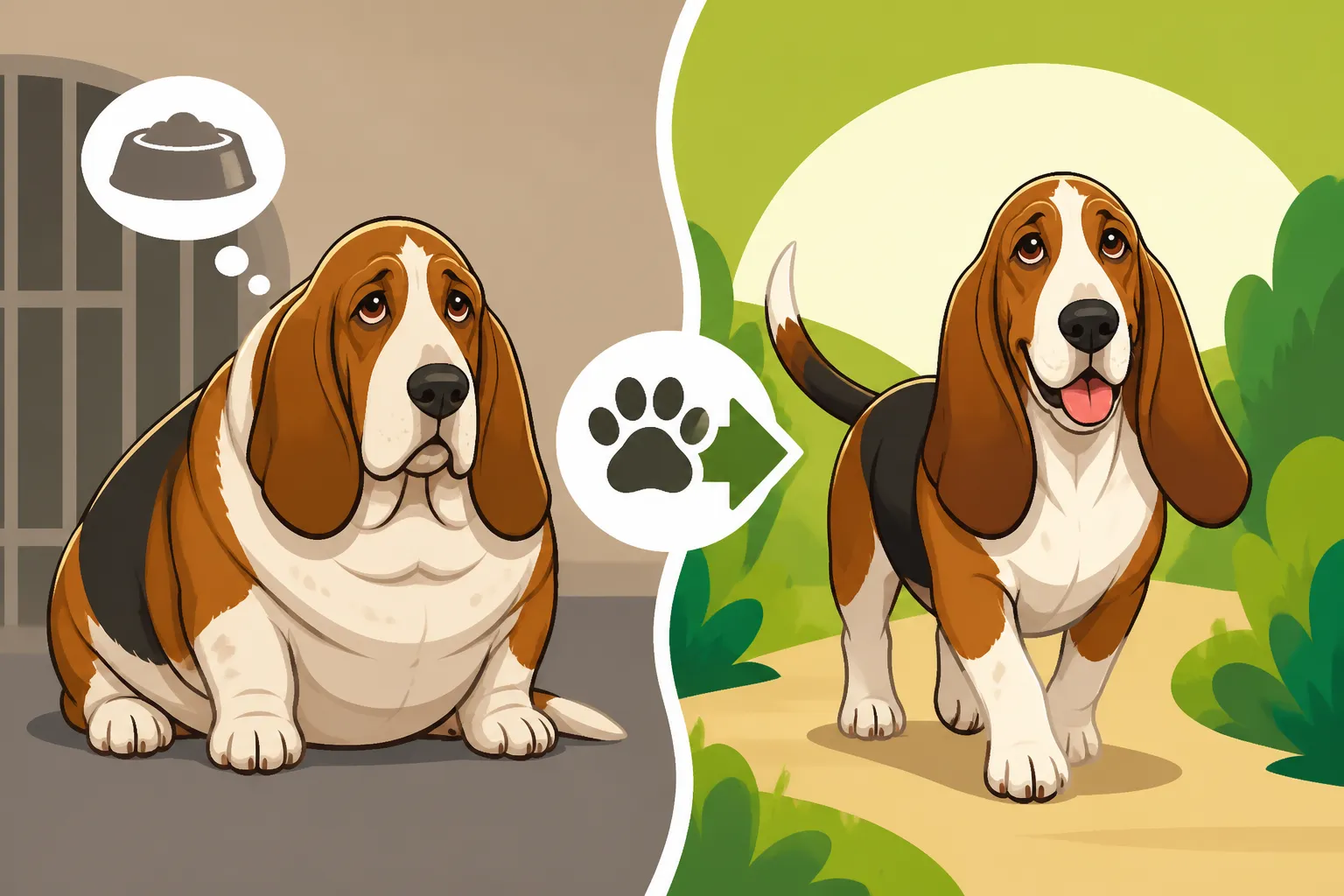
Think about the journey a rescue Basset Hound might have had. Some come from situations of neglect, where food was scarce, leading to opportunistic eating habits once food becomes available. They might have learned to gobble down whatever they could, whenever they could, in fear of it disappearing. When they then land in a loving foster home or their forever home, the generous and consistent food supply can cause them to rapidly gain weight, especially if their new family isn't fully aware of their history or the breed's propensity for weight gain. It's often a heartbreaking cycle of past trauma manifesting in current physical struggles.
On the other hand, some rescue Bassets come from homes where they were simply overfed out of love or ignorance. A plump Basset might look cuddly, but it's far from healthy. Perhaps their previous owners thought a little extra weight was harmless, or they simply couldn't resist those pleading eyes at the dinner table. These dogs have often become accustomed to large portions, frequent treats, and little exercise, habits that are difficult to break but absolutely essential for their long-term well-being. It's not uncommon to find a rescue who has had free-choice access to kibble or copious table scraps for years, leading directly to them being overweight.
Stress, Comfort Eating, and Lack of Exercise
The transition to a new environment can be incredibly stressful for any dog, and Basset Hounds are no exception. Moving from a shelter or previous home to a new family can trigger anxiety, and for some dogs, just like people, food becomes a source of comfort. This can manifest as increased begging, sneaking food, or simply eating more if it's available. It's a natural coping mechanism, but one that needs careful management to prevent further weight gain or even exacerbate existing issues.
Furthermore, a common thread in the lives of many overweight rescue Basset Hounds is a significant lack of appropriate exercise. Their unique build – short legs, long back, and heavy bone – means they aren't built for strenuous activity, but they absolutely need regular, moderate exercise to stay healthy. If a Basset has been confined to a small yard, kept primarily indoors, or simply not walked consistently, their caloric intake, even if seemingly modest, quickly outpaces their energy expenditure. This imbalance, combined with the stress of their past, creates a perfect storm for weight gain. Understanding Why a Heavy Basset Hound Breaks Down Faster really highlights the urgency of addressing these issues.
Understanding the Health Risks of Extra Weight in Basset Hounds
It’s easy to look at an overweight Basset Hound and just see a cuddly, happy-go-lucky dog. But as an owner, it’s crucial to understand that extra weight is not benign; it actively contributes to a host of serious health problems. For a breed already predisposed to certain conditions due to their unique conformation, carrying excess pounds can drastically shorten their lifespan and diminish their quality of life.
Joint and Spinal Strain
Basset Hounds are iconic for their long bodies and short, sturdy legs. While adorable, this build inherently places considerable stress on their joints and spine. When you add extra weight to this equation, it’s like asking an already overburdened structure to carry an even heavier load. Every extra pound increases the strain on their elbows, hips, and especially their long, vulnerable backs. Conditions like Elbow Dysplasia in a Basset Hound and Intervertebral Disc Disease in a Basset Hound become far more likely or severe when compounded by obesity.
Imagine your Basset Hound struggling to get up from a comfortable nap, or hesitating before attempting a small step. This isn't just them being "lazy"; it's often a sign of discomfort, exacerbated by the weight pressing down on aching joints. The cartilage in their joints wears down faster, leading to painful arthritis, and the discs in their spine are under constant compression, increasing the risk of a debilitating disc herniation. This can lead to significant pain, mobility issues, and costly veterinary interventions, impacting both your dog and your wallet.
Increased Risk of Chronic Conditions
Beyond structural problems, carrying extra weight opens the door to a multitude of other chronic health conditions in Basset Hounds. Just like in humans, obesity is a precursor to several systemic diseases in dogs. Diabetes, for example, becomes a much higher risk when a dog is overweight, as their body struggles to process sugars efficiently. Managing canine diabetes involves daily insulin injections, special diets, and constant monitoring, which is a significant commitment.
Furthermore, an overweight Basset Hound is more prone to heart disease and respiratory problems. The extra fat deposits around their organs can impede their function, making their heart work harder and their lungs less efficient. This can manifest as reduced stamina, difficulty breathing, especially in warmer weather, and a general lethargy that can be mistaken for normal aging. Understanding What Extra Weight Does to a Basset Hound really drives home the importance of weight management for their overall health. Liver issues, certain types of cancers, and a weakened immune system are also more prevalent in obese dogs, tragically shortening their potential The Ten to Twelve Years a Basset Hound Lives.
Respiratory and Mobility Challenges
The distinctive Basset Hound shape, with a deep chest and short stature, can make breathing challenging enough for some individuals. When extra fat accumulates around their chest cavity and abdomen, it restricts lung expansion, making every breath more labored. This is particularly noticeable during even moderate activity or in warm weather, where they might pant excessively and struggle to cool themselves down effectively.
Mobility is also severely compromised. An overweight Basset might find it difficult to move around comfortably, jump onto furniture (even if they shouldn’t be jumping!), or navigate stairs. This loss of mobility isn't just an inconvenience; it can lead to a sedentary lifestyle, which in turn perpetuates the weight problem and muscle loss. It's a vicious cycle that can quickly deteriorate their quality of life. An older, overweight Basset might even reach a point where they struggle with The Old Basset Hound That Cannot Get Off the Floor, which is incredibly distressing for both dog and owner. Simple joys like a leisurely sniffy walk become a chore, and their mental well-being can suffer from the inability to explore and engage with their environment.
Assessing Your Rescue Basset Hound's Current Weight
Once your rescue Basset Hound has settled in, one of the most proactive steps you can take is to accurately assess their current weight and body condition. It’s not just about the number on the scale; it's about their overall physique. Many owners struggle with this, as Basset Hounds inherently have a lot of loose skin and a robust build, making it hard to tell what’s healthy and what’s extra.
The Rib and Waistline Check
The best way to assess your Basset Hound’s weight at home is through a combination of visual cues and a hands-on examination. Don't be fooled by their loose skin, which can make them look heavier or rounder than they are. What you're looking for is evidence of their underlying bone structure.
First, the rib check: gently run your hands along your dog's sides. You should be able to feel their ribs quite easily, almost like running your fingers over a Venetian blind, with just a slight covering of fat and skin. If you have to press firmly to feel the ribs, or if you can't feel them at all, your Basset is likely overweight. Conversely, if the ribs are extremely prominent and visible without touching, they might be underweight, which is less common in rescue Basset Hounds but still possible.
Next, look at their waistline and abdominal tuck. From above, when your Basset is standing, you should see a discernible waistline, an indentation behind their rib cage. From the side, their abdomen should tuck up slightly, rather than sagging or appearing convex. Many Bassets will have some loose skin under their belly, which is normal for the breed, but a distinct sag of fat indicates excess weight. Their loose skin can be deceiving, so focusing on the rib cage and the overall shape from above and the side is key.
Here's a quick reference table for assessing your Basset Hound's body condition:
| Body Condition Score | Ribs | Waistline/Tuck | Overall Appearance |
|---|---|---|---|
| Underweight | Easily visible, no fat covering | Pronounced tuck, severe | Bones very prominent, sunken abdomen |
| Ideal | Easily felt with slight fat covering | Visible tuck, well-proportioned | Lean, muscular, active |
| Overweight | Difficult to feel, moderate fat covering | Little or no tuck, broad | Rounder shape, some fat over hips and base of tail |
| Obese | Cannot feel, heavy fat covering | No tuck, sagging abdomen | Very round, large fat deposits, difficulty moving |
Consulting Your Veterinarian
While at-home checks are a great starting point, nothing replaces a professional evaluation. Your veterinarian is your best partner in assessing your rescue Basset Hound’s weight and overall health. During an examination, your vet will perform a thorough physical assessment, weigh your dog on an accurate scale, and discuss their body condition score with you. They can differentiate between healthy muscle and fat deposits and will consider the breed's specific conformation.
Your vet can also rule out any underlying medical conditions that might contribute to weight gain, such as hypothyroidism, which can make Keeping a Basset Hound at Its Correct Weight incredibly difficult, even with diligent diet and exercise. They might recommend blood tests to check thyroid function or other metabolic indicators. More importantly, they can help you establish a realistic target weight and create a tailored weight loss plan that is safe and effective for your individual Basset Hound, taking into account their age, activity level, and any pre-existing health issues. This initial consultation is crucial and forms the foundation of a successful weight management journey.
Strategies for Helping an Overweight Rescue Basset Hound
Helping an overweight Basset Hound shed those extra pounds requires patience, consistency, and a multi-pronged approach. There’s no magic bullet, but with dedication, you can make a profound difference in their health and happiness. The key is to make sustainable changes to their diet and exercise routine that become part of their daily life.
Crafting a Balanced Diet Plan
Diet is arguably the most critical component in weight loss for Basset Hounds. Since these dogs are masters of looking perpetually hungry, it’s easy to fall into the trap of overfeeding. The first step is to transition to a high-quality, vet-recommended weight management dog food. These foods are typically lower in calories but higher in fiber, helping your dog feel full without consuming excess energy. Brands like Ollie offer fresh, portion-controlled meals that can be an excellent option for precise calorie management, or you can find a wide variety of specialized kibble options available through retailers like Chewy.
Work with your vet to determine the ideal daily caloric intake for your Basset Hound’s target weight. Stick to this portion strictly, measuring food precisely rather than eyeballing it. Divide their daily ration into two or three smaller meals to help manage hunger and metabolism throughout the day. If you use treats for training or just because you love them, ensure they are low-calorie options, like small pieces of carrot, green beans, or specialized diet treats, and remember to account for these calories in their daily total. Avoid table scraps entirely, as they often contain hidden fats and calories and can disrupt your dog's balanced nutrition. It's truly amazing how quickly those extra bits add up. This is also why understanding What Feeding a Basset Hound to the Right Weight Costs can be eye-opening.
Tailored Exercise Regimes
Basset Hounds aren't built for marathons, but they absolutely need regular, consistent exercise to maintain a healthy weight and muscle mass. The goal isn't intense, high-impact activity, which can be detrimental to their joints and backs, but rather moderate, enjoyable movement. Aim for two to three shorter walks daily, around 15-20 minutes each, instead of one long, arduous trek. These walks should be at a comfortable pace for your dog, allowing plenty of time for their incredible noses to explore.
Consider incorporating low-impact activities like scent games in the yard, where they can use their natural abilities to sniff out scattered kibble or treats, providing mental stimulation along with physical movement. If a Basset has severe joint issues, a vet-approved swimming program can be an excellent non-weight-bearing exercise. Always be mindful of the weather; Basset Hounds can overheat quickly in hot temperatures and their low-slung bodies can get chilled in winter. Gradually increase the duration and intensity of exercise as your Basset's fitness improves. Consistency is far more important than intensity when it comes to helping them lose weight and build stamina. If you find your Basset struggling to walk, it might be an indicator that they need Whether a Basset Hound Should Use a Ramp to access furniture or the car safely, reducing impact on their joints.
Addressing Behavioral Eating
Sometimes, a Basset Hound’s weight issue isn't just about calories in vs. calories out; it's also about behavior. Many rescue Bassets develop behavioral eating patterns stemming from past experiences – anxiety, boredom, or resource guarding. If your Basset constantly begs, whines for food, or attempts to steal food from counters or trash cans, it's essential to address these behaviors proactively.
Ensure your Basset has a consistent routine for feeding and potty breaks, as predictability can reduce anxiety. Provide plenty of appropriate chew toys and mental enrichment activities to combat boredom. Snuffle mats, puzzle feeders, or even just scattering their kibble in the yard can turn mealtime into a stimulating activity. If your Basset is a notorious food thief, secure all food sources and teach a strong "leave it" command. It's tough, but firmness here is a kindness. For persistent anxiety or deep-seated behavioral issues related to food, consulting with a certified professional dog trainer or a veterinary behaviorist can provide invaluable strategies and support. Remember, a full Basset is often a happier Basset, but a healthy Basset is always the goal, and that means breaking unhealthy associations with food.
Long-Term Management and Preventative Care
Getting your rescue Basset Hound to a healthy weight is a significant achievement, but it's just the beginning. Long-term management and preventative care are crucial to ensure they maintain that healthy weight and enjoy a vibrant life. This ongoing commitment involves regular monitoring, adjusting their routine as needed, and considering supportive therapies.
Regular Monitoring and Adjustments
Weight management is a dynamic process, not a one-time fix. Your Basset Hound’s metabolism, activity level, and dietary needs will change over time, particularly as they age. Continue to perform the rib and waistline check regularly, ideally once a month. Weigh your Basset Hound every few weeks at home or at your vet’s office to track their progress and ensure they aren't slowly creeping back up in weight. Many veterinary clinics are happy for you to pop in just for a quick weigh-in between appointments, often at no charge.
Based on these regular checks, be prepared to adjust their food portions or exercise intensity. If they start to gain a little, slightly reduce their food intake or increase their activity. If they're struggling to maintain weight, a slight increase might be needed. Your vet can provide guidelines for these adjustments. Remember, even a pound or two can make a big difference for a Basset Hound, particularly concerning their joints and back. Don't become complacent once they reach their ideal weight; consistency is paramount in maintaining it for the long haul. This proactive approach is part of What a Basset Hound Needs Every Day to thrive.
The Role of Supplements and Supportive Therapies
As your Basset Hound gets older, or if they have existing joint issues, supportive therapies and supplements can play a vital role in their long-term comfort and mobility, especially if they’ve carried extra weight for a period. Joint supplements containing ingredients like glucosamine, chondroitin, and omega-3 fatty acids can help support cartilage health and reduce inflammation. Discuss these options with your veterinarian to determine if they are appropriate for your specific Basset Hound and to choose reputable brands.
Beyond supplements, consider other supportive therapies. Regular, gentle physical therapy exercises recommended by a vet or a canine rehabilitation specialist can strengthen muscles around joints and improve flexibility. Massage can also help with muscle stiffness. For Bassets prone to pain, especially in their back, your vet might suggest anti-inflammatory medications or other pain management strategies. This is where a good pet insurance plan, like those offered by Healthy Paws, can be incredibly valuable, helping to cover the costs of ongoing vet visits, medications, and specialized therapies that might be needed to keep your Basset comfortable and active throughout their life. It's about investing in their quality of life, ensuring they remain as pain-free and mobile as possible.
Disclaimer
This article is for general informational purposes only and does not constitute professional advice. Laws, prices and regulations vary by location and change over time. Consult a qualified professional for guidance on your specific situation.