What a Basset Hound Learns in a Week
If you've ever found yourself wondering how quickly your floppy-eared companion will pick up new tricks, you're not alone. Many Basset Hound owners become frustrated when their dog doesn't seem to grasp a new command instantly, often leading them to question their training methods or even their dog's intelligence. This comprehensive guide will help you understand the unique learning pace of a Basset Hound and set realistic expectations for what your charming, scent-driven friend can realistically learn in a single week.
Understanding the Basset Hound Learning Curve
It’s easy to look at those soulful eyes and assume a Basset Hound is either exceptionally brilliant or hopelessly dim-witted when it comes to training. The truth, as with most things Basset, is a bit more nuanced. They aren't slow learners in the traditional sense, but their motivations and priorities are distinctly different from many other breeds.
The Basset Hound's Unique Motivation and Drives
Basset Hounds were bred for one primary purpose: tracking scent. Their entire physical and mental makeup is geared towards following a trail, often for hours on end, without distraction. This deep-seated instinct means their noses are king, and anything that takes away from that olfactory mission is secondary. When you're trying to teach "sit" or "stay," and a fascinating scent wafts by, your Basset's brain is naturally hardwired to prioritize the scent over your request. It’s not a defiance of your authority as much as it is an overwhelming genetic imperative.
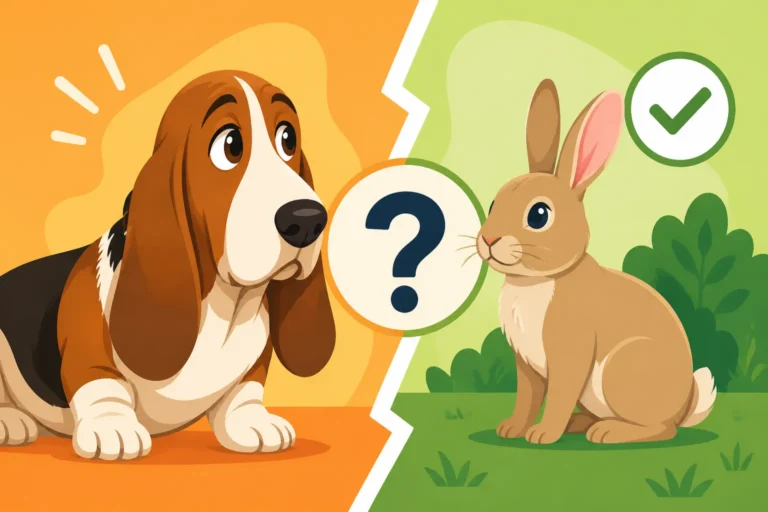
This means that while a Golden Retriever might be eager to please you with a speedy retrieve, your Basset is thinking, "Is there food involved? Or perhaps a rabbit trail?" Understanding What Actually Motivates a Basset Hound is crucial. High-value, irresistible treats are often your best friend. Small pieces of cheese, cooked chicken, or hot dogs can often cut through the scent fog better than kibble or verbal praise alone. They are food-motivated, yes, but only for truly good food. Praise certainly helps, but it needs to be paired with something tangible and delicious, especially in the early stages of learning.
Dispelling the "Stubborn" Myth
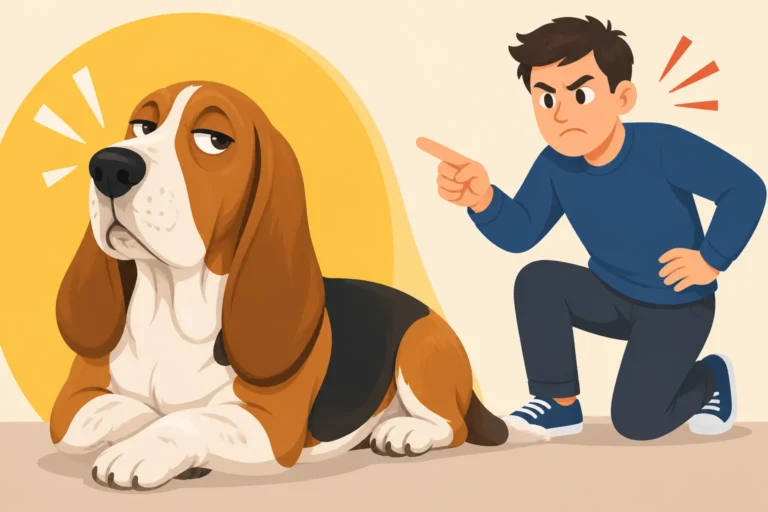
The word "stubborn" gets thrown around a lot when people talk about Basset Hounds. It’s a label that often unfairly maligns a breed that is simply highly independent and incredibly focused on its primary drive: scent. They don't have the same intense desire to please their human as some other breeds, which can be misinterpreted as stubbornness. Instead, they are calculating. "What's in it for me?" is often their internal monologue.
Think of it less as defiance and more as an internal cost-benefit analysis. If sitting gets them a piece of chicken, great! If ignoring you and following that amazing squirrel scent is more rewarding, then the chicken loses its appeal in that moment. This means that consistency in your rewards and making the desired behavior always more rewarding than the alternative is key. This isn't to say they can't be trained; quite the contrary. It just means you have to approach their training with a deep appreciation for their ancestral purpose. You might also find it helpful to read Whether a Basset Hound Is Stubborn or Just Not Interested to further understand this aspect of their personality.
Setting Realistic Expectations for Weekly Progress
When embarking on the training journey with your Basset Hound, especially a puppy, it's vital to adjust your expectations. This isn't a race, it's a marathon with lots of interesting smells along the way. Impatience will only lead to frustration for both of you.
The "One Command, One Week" Rule of Thumb
While every dog is an individual, a good rule of thumb for Basset Hounds, especially during foundational training, is to aim for solid comprehension of one new, simple command per week. This isn't about perfectly executing it every single time in every single environment – that comes later with generalization – but rather understanding the basic cue and performing it reliably in a low-distraction setting. For example, in week one, you might focus solely on "sit." By the end of that week, your Basset should consistently sit when cued, perhaps 80% of the time, in your living room.
This pace allows for plenty of repetition, positive reinforcement, and short, frequent training sessions that cater to their attention span. Trying to cram multiple new behaviors into a few days will likely overwhelm your Basset, leading to disinterest and making them even less likely to cooperate. Remember, a Basset Hound isn't going to learn quickly if they're bored or confused. Short, sweet sessions keep things fun and engaging. You might find that Short Sessions Suit a Basset Hound more than long, drawn-out drills.
Building Blocks: Consistency Over Speed
Consistency is king in Basset Hound training. It’s far more important that you practice "sit" for five minutes, three times a day, every single day, than it is to have one epic 30-minute session once a week. They thrive on routine and predictability. This repetition solidifies the association between your cue, their action, and the reward. Don't fall into the trap of thinking they've "got it" after a few successful reps and then slack off. Without consistent reinforcement, especially in the early stages, new behaviors can quickly fade.
This also means that everyone in the household needs to be on the same page, using the same cues and rewarding in a similar manner. If one person uses "sit" and another uses "bottom," your Basset will be confused. If one person gives a treat every time and another only sometimes, the motivation dwindles. Think of training as building with Lego blocks – each block needs to be firmly placed before you can stack the next one on top. If you try to rush, the whole tower will tumble. This consistent approach is a hallmark of successful The First Year With a Basset Hound Puppy training.
Practical Weekly Training Focus Areas
Knowing what to focus on each week can make a huge difference in your Basset Hound's progress and your sanity. We’ll outline a general progression, but always be prepared to adjust based on your individual dog's enthusiasm and comprehension.
Week 1: Foundation Cues (Name Recognition, Sit)
The very first "command" isn't even a command; it's teaching your Basset Hound to respond to their name. This is foundational for everything else. Start in a quiet environment. Say their name in a happy tone, and immediately give a high-value treat and praise when they look at you. Repeat this dozens of times in short bursts. Once they reliably turn to you when their name is called, you've established a vital communication channel.
Next up, "sit." This is a fantastic starter cue because it's a natural dog behavior, easily lured, and provides a calm, polite default position. Hold a treat near their nose and slowly move it back over their head. As their nose follows the treat, their rear end will naturally lower to the ground. The moment their bottom touches, say "Sit!" and pop the treat into their mouth, followed by enthusiastic praise. Do this in very short sessions – 2-3 minutes at a time, several times a day. Your Basset Hound will typically learn the physical motion quickly, but the verbal cue association takes repetition. Tools like those offered by BAXTER & Bella, with their structured online programs, can be great for guiding you through these initial steps, ensuring you're building a solid foundation from day one.
Week 2: Leash Manners and House Training Reinforcement
Once "sit" is underway, week two can introduce the basics of loose-leash walking and continued house training efforts. A Basset Hound's nose is a powerful engine, and without training, they will pull you down the street in pursuit of every interesting smell. Whether a Basset Hound Pulls Hard for Its Size is a common concern, and the answer is usually a resounding yes! Start practicing loose-leash walking in a low-distraction area, like your backyard. Every time the leash slackens, mark the behavior with a verbal "yes!" or a clicker, and reward them. If they pull, simply stop moving until the leash goes slack again. This teaches them that pulling gets them nowhere.
House training is an ongoing process, especially with puppies. Continue to take them out frequently, especially after waking, eating, and playing. Celebrate successes enthusiastically. If accidents happen indoors, clean them calmly without punishment. Bassets can sometimes be a little slower to house train than other breeds, so patience is key. For more in-depth guidance on this, consider resources like How Long a Basset Hound Puppy Takes to House Train.
Incorporating Scent Work and Enrichment Daily
Remember, a Basset Hound's superpower is its nose. Training should never be just about obedience; it should also be about fulfilling their breed-specific needs. Incorporate scent work into your daily routine from week one. This isn't just "extra" but a crucial component of their mental well-being and a fantastic way to tire them out. Hiding treats around the house for them to find, using a snuffle mat, or engaging in simple "find it" games with a hidden toy are all excellent activities. You can find a vast array of engaging and durable snuffle mats on Amazon, perfect for stimulating your Basset's incredible sense of smell.
This mental engagement helps satisfy their hunting instincts and can actually make them more receptive to other training. A tired, mentally stimulated Basset Hound is often a calmer, more cooperative Basset Hound. For ideas on how to channel their natural abilities, explore Whether a Basset Hound Takes to Scent Work. These activities provide constructive outlets for their intense drive, rather than letting them find less desirable outlets like destroying furniture or ceaseless baying.
Common Pitfalls and How to Overcome Them
Every Basset Hound owner encounters challenges. Anticipating these common hurdles can help you navigate them with grace and prevent them from derailing your training efforts.
The Scent Trail Distraction
This is perhaps the biggest battle you'll face. Your Basset Hound's nose is incredibly powerful, and once it latches onto a scent, the outside world (including you) can simply cease to exist. Whether a Basset Hound ignores you on a scent is a question many owners ponder, and the answer is often "yes." This isn't personal; it's instinct. It’s why Whether a Basset Hound Should Ever Be Off Leash is almost always answered with a resounding "no" in unfenced areas.
To overcome this, you need to work with their nose, not against it. In distracting environments, your rewards need to be even higher value. Practice recall in progressively more distracting settings, always starting with low distractions. Use a long line, easily found on Amazon, for safety in open but contained areas. If your Basset gets too engrossed in a scent, don't scream or yank the leash. Instead, use a happy, high-pitched noise to break their focus, and once they glance at you, immediately reward with that super-special treat. Sometimes, a quick change of direction can also help to reset their focus. The key is to teach them that you are the source of even better things than the environment offers.
Avoiding Training Burnout for You and Your Basset
Training is a marathon, not a sprint, and it requires dedication from both ends of the leash. It's easy for owners to get frustrated if progress seems slow, or for Bassets to get bored if sessions are too long or repetitive. Remember that Whether a Basset Hound Learns Slowly is often a misinterpretation of their selective motivation.
Keep sessions short, sweet, and positive. End every session on a high note, even if it means doing one easy command they already know perfectly. If you're feeling frustrated, take a break. Your Basset will pick up on your tension. Similarly, if your Basset is disengaging, stop. Forcing them to continue will only create negative associations with training. Sometimes, a change of scenery or a different type of reward can re-energize a session. Vary your training. Mix in scent games, short bursts of obedience, and fun tricks. If you're struggling, consider an online program like those offered by BAXTER & Bella, which provide structured lessons and support, helping you stay consistent and engaged. And don't forget to take breaks for cuddles – those are always a win-win with a Basset!
Here's a sample weekly training focus to help you structure your efforts:
| Week | Primary Focus Area | Key Behaviors / Goals | Recommended Session Lengths / Frequency | Essential Tools / Tips |
|---|---|---|---|---|
| 1 | Name Recognition & Sit | Respond to name, sit reliably in quiet spot | 3-5 mins, 5-6 times/day | High-value treats, positive vocal praise |
| 2 | Loose Leash Walking & Recall | Walk without pulling (low distraction), come when called (short distance) | 5-7 mins, 4-5 times/day | Harness (front clip often helpful), long line for recall, super high-value treats |
| 3 | Stay & Down | Hold "sit-stay" for 5 sec, "down" on cue | 5-7 mins, 4-5 times/day | Practice in different spots, maintain high reward value |
| 4 | Leave It & Drop It | Ignore tempting item, release an item | 5-7 mins, 3-4 times/day | Use less desirable items first, then higher value |
| 5+ | Generalization & Proofing | Practice all commands in new environments, with distractions | Ongoing, integrate into daily life | Short bursts during walks, varied locations, different people giving commands |
Remember, this is just a guide. Some Basset Hounds might grasp things faster, others slower. The most important thing is to enjoy the journey with your unique and charming companion.
Disclaimer
This article is for general informational purposes only and does not constitute professional advice. Laws, prices and regulations vary by location and change over time. Consult a qualified professional for guidance on your specific situation.