Whether a Basset Hound Puppy Bites Hard
Oh, the joy of a new Basset Hound puppy! Those floppy ears, those soulful eyes, that distinctive waddle… and then, those needle-sharp puppy teeth latching onto your fingers, ankles, or anything else they can reach. It's incredibly frustrating and often quite painful, leaving you wondering if your sweet, goofy hound is actually a tiny land shark in disguise. If you’re grappling with a Basset Hound puppy that seems to bite hard, this guide is here to walk you through understanding this behavior and, more importantly, how to gently but effectively teach your floppy-eared friend better manners.
The Nature of Puppy Nipping and Why Basset Hounds Do It
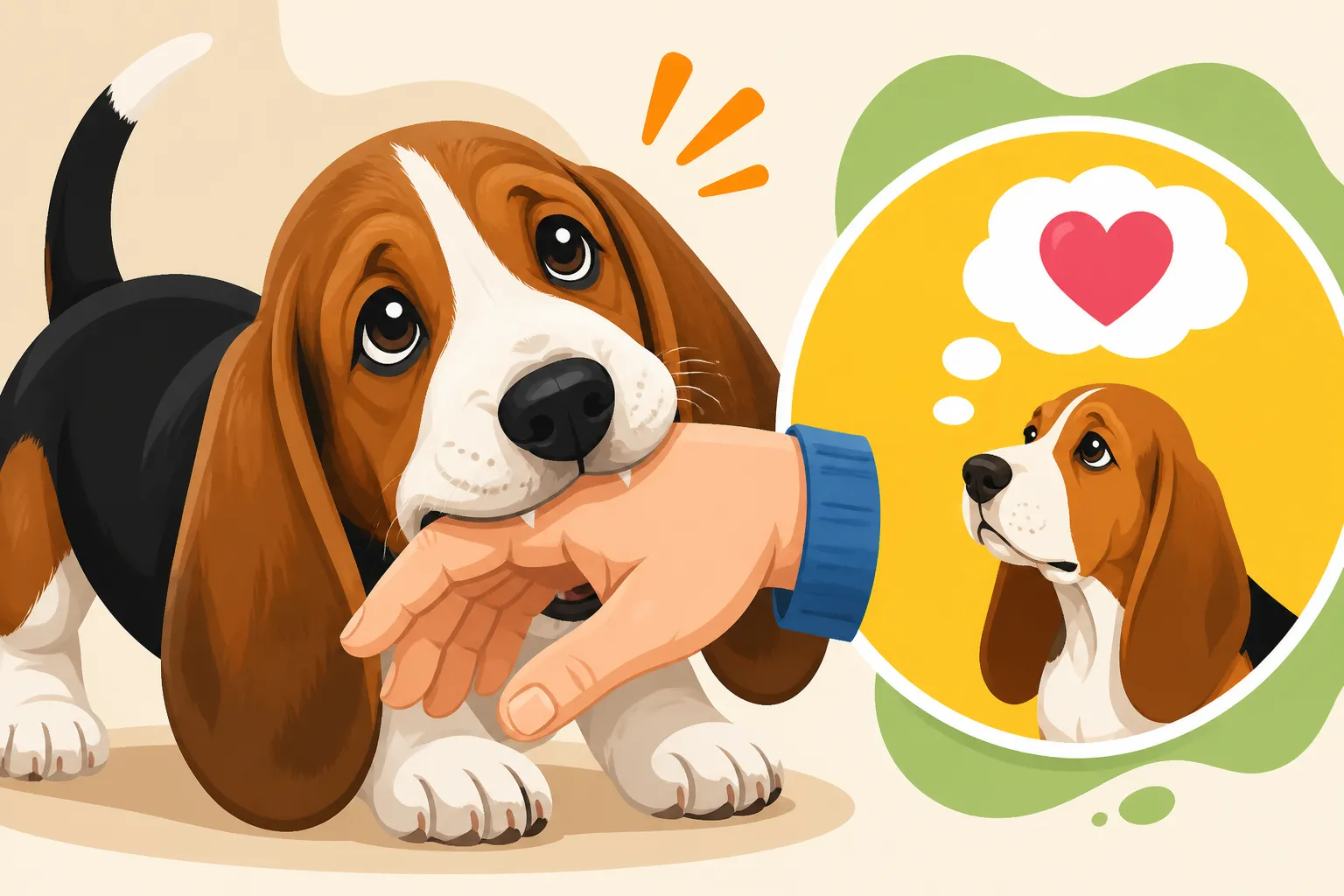
Every puppy, regardless of breed, goes through a biting phase. It's a completely normal, instinctual part of their development. But when you’re dealing with a Basset Hound, whose endearing low stature often puts their mouth right at your hand or foot level, those nips can feel particularly relentless and sometimes alarmingly hard. It’s easy to feel disheartened, but understanding why they do it is the first step toward a more harmonious home.
It's a Normal Puppy Behavior, Even for a Basset
Think of your Basset Hound puppy as a little explorer, and their mouth is their primary tool for understanding the world. They don’t have hands to pick things up and examine them; instead, everything goes into their mouth. This is how they learn about textures, shapes, and what’s safe or not safe. From around three to six months, this exploratory mouthing can be intense because they are also teething. Those tiny, sharp puppy teeth are being replaced by adult teeth, and chewing on anything and everything provides relief for their sore gums.
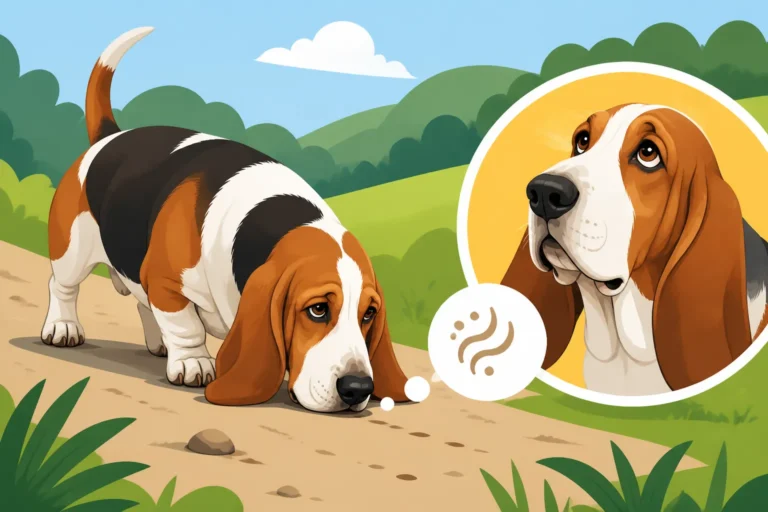
For a Basset Hound specifically, their entire existence is driven by scent and their mouth is intrinsically linked to this. They use their mouths not just to chew, but to investigate the world of smells even more deeply. A human hand or foot, moving or still, presents an interesting new scent and texture to explore. It’s not malice; it’s curiosity combined with a biological need to chew. You might even notice that when they get particularly excited or overtired, the nipping intensifies, a clear sign that they’re struggling to regulate their impulses. Don't be fooled by their seemingly laid-back nature; even the most placid Basset can get wound up.
The "Hard" Part: What Does Intense Biting Mean?
Now, let's talk about the "hard" part. There's a big difference between a puppy's exploratory mouthing and a bite that genuinely makes you wince or cry out. When a Basset Hound puppy bites "hard," it usually means they haven't yet learned bite inhibition. In a litter, puppies learn this crucial skill from their siblings and mother. If one puppy bites another too hard during play, the bitten puppy will yelp, and play will stop. This immediate consequence teaches the aggressor that hard bites end the fun. The mother dog also plays a vital role, often giving a sharp reprimand if her pups bite her too roughly.
However, when a puppy comes into your home, they lose those constant lessons. It's now up to you, their new family, to continue this education. A hard bite isn't necessarily a sign of aggression; it's more often a sign that they haven't learned the boundaries of acceptable pressure. They simply don't understand that human skin is far more delicate than a littermate's furry hide. The frustration of dealing with a painful bite is real, and it’s natural to feel concerned. But rest assured, with consistent effort, you absolutely can teach your Basset Hound puppy to have a "soft mouth." The goal isn't to stop them from ever putting their mouth on you, but to teach them how to do it gently.
Understanding Bite Inhibition: Teaching Your Basset Hound Gentle Mouths
Teaching bite inhibition is one of the most important lessons you'll impart to your Basset Hound puppy. It’s about more than just managing puppy nipping; it’s about ensuring that as an adult, if they ever accidentally nip or bite (perhaps when startled or in pain), the impact will be minimal. This is a life skill that makes them a safer, more pleasant companion.
The "Yelp and Withdraw" Method for Puppies
The most classic and effective method for teaching bite inhibition mimics how puppies learn from their littermates. When your Basset Hound puppy bites you too hard, you need to react in a way that clearly communicates that the bite was painful and unacceptable. Here’s how it works:
- A Clear Yelp: The instant your puppy's teeth make painful contact, let out a sharp, high-pitched "YIP!" or "OW!" This sound is similar to what a littermate would do and should startle your puppy.
- Immediate Withdrawal: Immediately after yelping, completely withdraw attention. This means pulling your hand or foot away, turning your back, or even calmly leaving the room for a very short period (10-20 seconds). The key is to cut off all interaction and playtime the moment the hard bite occurs.
- Repeat and Be Consistent: This isn't a one-time lesson. You'll need to repeat this every single time your puppy bites too hard. Every family member needs to be on the same page and react identically. Inconsistent responses will only confuse your Basset Hound, who might already be Whether a Basset Hound Is Stubborn or Just Not Interested. They'll learn that hard bites stop the fun, and eventually, they’ll start to moderate the pressure of their jaws. Remember that Basset Hounds can be quite persistent, so patience is your best friend here.
Redirecting Biting to Appropriate Chew Toys
While teaching them what not to bite, it’s equally important to teach them what they can bite. Your Basset Hound puppy has a strong natural urge to chew, especially during teething, and simply telling them "no" won't stop that instinct. You need to provide plenty of appropriate, appealing chew toys.
Keep a variety of chew toys readily available in every room your puppy frequents. When your Basset Hound puppy starts to nip at you, immediately offer them a suitable chew toy. Praise them enthusiastically when they take the toy in their mouth instead of your hand. Look for durable toys that can withstand a Basset’s determined chewing, such as those made from robust rubber or tough nylon. Brands that focus on durability, which you can often find on platforms like Amazon, are a good starting point. Consider toys that can be stuffed with treats to make them even more enticing, channeling that strong Basset motivation for food. This not only saves your skin but also helps satisfy their natural chewing needs and reduces the likelihood that Whether a Basset Hound Destroys Anything as a Puppy.
Consistency and Positive Reinforcement Are Key
I can’t stress enough how vital consistency is. Imagine if sometimes your puppy’s hard bite leads to a yelp and withdrawal, but other times, a family member just tolerates it or even laughs. This sends mixed signals, making it much harder for your Basset Hound to understand the rules. Everyone in the household, including children and guests, must use the same technique, every single time.
Pairing this with positive reinforcement will speed up the learning process. When your Basset Hound puppy mouths you gently, or chooses a toy instead of your hand, give them immediate praise and a small, high-value treat. This positive feedback tells them, "Yes! That's exactly what I want you to do!" Basset Hounds, despite their reputation, are highly intelligent and respond wonderfully to positive reinforcement, especially when treats are involved, as we often discuss in What Actually Motivates a Basset Hound. Keep training sessions short and sweet, perhaps only 5-10 minutes at a time, to match their attention span. You might find that Whether Short Sessions Suit a Basset Hound better than longer, drawn-out sessions.
Managing Biting in Specific Basset Hound Puppy Scenarios
Puppy biting isn't always the same; it often varies depending on the situation. Understanding these different contexts can help you tailor your approach and manage the nipping more effectively.
Nipping During Playtime and Over-Excitement
One of the most common times for a Basset Hound puppy to nip hard is during playtime, especially when they get overly excited. They might be wrestling with you, chasing a toy, or just zooming around, and suddenly those playful nips escalate into painful bites. This is often a sign of over-arousal. Puppies, like toddlers, sometimes don't know when to calm themselves down.
The key here is to preempt the escalation. If you see your Basset puppy getting too wound up, immediately disengage from the intense play. You can initiate a calm activity, like a gentle belly rub (if they'll tolerate it without biting), or redirect their energy to a puzzle toy. If the nipping starts, revert to the "yelp and withdraw" method, but also consider a short "time-out." This means calmly putting your puppy in their crate for a few minutes to decompress. Whether a Basset Hound Puppy Should Be Crated can be a great tool for teaching self-regulation and managing over-excitement, provided the crate is a positive, safe space. Once they've calmed down, you can re-engage, but keep the play mellow at first.
Biting During Handling and Grooming
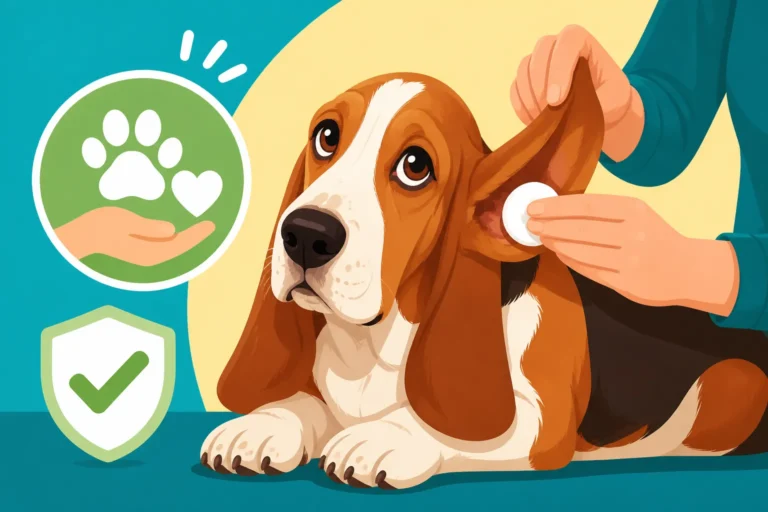
Basset Hounds require a fair bit of routine handling, especially concerning their long, droopy ears and their dense, heavy paws. Many puppies, however, protest handling by nipping. This can become a real problem if not addressed early, making essential tasks like ear cleaning or nail trims a battle.
Start early, even before the biting phase peaks. Make handling a positive experience. Gently touch your Basset puppy's ears, paws, and mouth for just a few seconds, then immediately offer a treat and praise. Gradually increase the duration and intensity of the handling. If they nip, say "ouch!" and withdraw your hand for a moment, then try again gently. Associate these experiences with positive rewards. For instance, when it comes to their ears, a critical area for Basset Hounds, consider starting early with Getting a Basset Hound Used to Ear Handling as a Puppy. The goal is to build a positive association so they learn that handling leads to good things, not discomfort or a chance to play-bite.
When the Biting Feels More Than Playful
Most puppy nipping is innocent, driven by exploration, teething, or over-excitement. However, sometimes a puppy’s biting can feel more intense, persistent, or even a little aggressive. If your Basset Hound puppy growls, snarls, snaps, or truly attempts to harm you, or if the biting doesn't respond to the methods described, it might indicate a deeper issue.
This could be fear, anxiety, resource guarding, or even a pain response. If you notice these more concerning signs, it's crucial to consult with a professional. This might be a certified professional dog trainer, a veterinary behaviorist, or a reputable online program. For example, some online puppy training platforms like BAXTER & Bella offer virtual consultations and guidance that can be incredibly helpful for specific biting concerns. Early intervention is key here. Don't let these behaviors become ingrained. A professional can assess the underlying cause and develop a tailored plan to address it, ensuring your Basset Hound grows into a confident, gentle companion.
Preventing Future Biting Issues and Socialization
The puppy phase passes quickly, but the habits formed during this time can last a lifetime. Proactive measures, especially regarding socialization and consistent training, are crucial for preventing future biting issues and ensuring your Basset Hound puppy grows into a well-adjusted adult.
The Role of Early Socialization
One of the best defenses against unwanted biting behaviors, and indeed many other behavioral issues, is robust early socialization. Between 3 to 16 weeks of age, puppies have a critical socialization window where they are most open to new experiences. Exposing your Basset Hound puppy to a wide variety of people (different ages, genders, appearances), friendly vaccinated dogs, sights, sounds, and environments helps them develop into a confident and resilient dog.
Controlled, positive experiences are key. Don't just throw your puppy into a chaotic dog park. Instead, arrange playdates with calm, vaccinated adult dogs. Enroll in a well-run puppy class, where they can learn appropriate play and social cues from other puppies and experienced trainers. Even just sitting in a public place (like a park bench, safely observing from a distance) can be a great way to expose them to the world. Of course, be mindful of their vaccination status and consult your vet about Where to Take a Basset Hound Puppy Before Full Cover. A well-socialized Basset Hound is far less likely to resort to biting out of fear or uncertainty.
Structured Training and Boundaries
Beyond addressing biting directly, foundational obedience training plays a huge role in developing a well-behaved dog. Teaching your Basset Hound puppy basic commands like "sit," "stay," "leave it," and "down" gives you tools to manage their behavior and redirect their attention. For example, if your puppy is getting mouthy, you can ask for a "sit" and reward that calm behavior. The "leave it" command is invaluable for teaching them to disengage from unwanted objects (or body parts!).
Basset Hounds can be seen as "stubborn," but they are definitely trainable. The trick is to find what motivates them (often food!) and keep training sessions positive and engaging. Whether a Basset Hound Learns Slowly is often a matter of perception; they learn at their own pace and excel when the lessons are fun and rewarding. Consider enrolling in puppy classes or an online training program that provides structured lessons. These environments not only teach your puppy, but they also teach you how to effectively communicate with your Basset Hound.
Providing Mental and Physical Enrichment
A bored or under-exercised Basset Hound puppy is often a mischievous, and sometimes mouthy, Basset Hound. They have surprisingly high energy levels as puppies, even if they become couch potatoes later. Providing adequate physical and mental stimulation can greatly reduce unwanted behaviors like excessive nipping.
Physical exercise should be appropriate for their age and joint development; a growing Basset Hound puppy shouldn't be jogging miles with you, but consistent, moderate walks are great. How Many Miles a Basset Hound Can Walk will increase with age. Mental enrichment is just as important, if not more so, for a scent hound. Engage their powerful noses! Scent games, puzzle feeders, and snuffle mats can provide immense mental satisfaction and tire them out. Whether a Basset Hound Enjoys a Snuffle Mat is almost a certainty for this breed, and Whether Nose Work Tires a Basset Hound Out is a resounding yes! These activities provide an outlet for their natural instincts and can prevent them from resorting to destructive or painful behaviors out of sheer boredom.
Here’s a quick overview of common puppy biting situations and effective responses:
| Scenario | Puppy Behavior | Owner Response | Why It Works |
|---|---|---|---|
| Play Biting | Nips hands, clothes, feet during excited play | Yelp loudly ("YIP!"), withdraw attention/hand immediately, turn away. Redirect to a suitable chew toy. | Mimics littermate correction; teaches hard bites end fun; provides appropriate chewing outlet. |
| Teething Pain | Chewing on furniture, hands, anything | Offer frozen chew toys, cold carrots, safe puppy teething rings (e.g., from Amazon). | Relieves gum pain; redirects destructive chewing to approved items. |
| Attention Seeking | Nips or mouths to get your focus | Ignore the nip (turn away, cross arms), then reward calm, non-mouthy behavior with attention or a treat. | Teaches that gentle/calm behavior earns attention, not biting. |
| Over-Excitement | Bites become harder/more frequent when wound up | Implement a "calm-down" break: short crate time, or redirect to a quiet activity like a puzzle toy. | Teaches self-regulation and interrupts the escalation of arousal. |
| Handling/Grooming | Nips during ear checks, paw touching | Start with very brief, gentle touches followed immediately by a high-value treat. Gradually increase duration. "Ouch!" and pause if they nip too hard. | Creates positive associations with handling; teaches gentle mouths are rewarded. |
| Resource Guarding | Growls/nips when you approach their food/toys | Seek professional help immediately. Do NOT try to correct aggressively. Work with a certified trainer or veterinary behaviorist. | This is a serious behavior needing expert guidance; prevents escalation. |
Remember, raising a Basset Hound puppy, especially through the nipping stage, requires patience, consistency, and a good sense of humor. You’re not alone in these struggles, and with the right approach, your Basset will grow into a beloved, gentle companion.
Disclaimer
This article is for general informational purposes only and does not constitute professional advice. Laws, prices and regulations vary by location and change over time. Consult a qualified professional for guidance on your specific situation.