Caring for an Old Basset Hound That Cannot Rise
It’s a heart-wrenching moment when you notice your beloved Basset Hound struggling to do something they once took for granted, like rising from a comfy nap or getting up after a long stretch. Watching those powerful, low-slung bodies falter as they try to push themselves up is truly tough to witness, and it leaves many of us feeling helpless and worried about their comfort and quality of life. This comprehensive guide is here to walk you through practical, empathetic ways to support your aging Basset Hound who is facing mobility challenges, helping them maintain dignity and comfort as they enter their golden years.
Understanding the Challenges of Immobility in Senior Basset Hounds
The graceful ease with which your Basset Hound once moved might gradually give way to stiffness, hesitation, and outright difficulty getting up. It's a natural, yet painful, part of the aging process, but understanding why it happens can help you approach their care with greater insight and compassion.
Common Causes of Difficulty Rising
When your senior Basset Hound starts to struggle to get to their feet, it’s rarely just one simple issue. Their unique, long-backed, short-legged build, combined with the general wear and tear of a lifetime, makes them particularly susceptible to certain conditions. One of the most common culprits is osteoarthritis, a degenerative joint disease that causes pain, inflammation, and stiffness. You might notice it in their hips, elbows, or even their spine. Imagine waking up every morning with achy knees or a stiff back; that’s often what your Basset is experiencing. Their joints, which have supported their heavy bodies for years, begin to lose cartilage, making movement painful. This is especially true for a breed like the Basset Hound, whose bone structure naturally puts stress on certain areas. You might find it helpful to read about The Back Trouble a Basset Hound Is Built Into to understand some underlying predispositions.
Beyond arthritis, muscle weakness and loss, medically known as sarcopenia, can play a significant role. As dogs age, they naturally lose muscle mass, and those powerful muscles that once propelled them forward start to dwindle. Without strong core and leg muscles, even a healthy joint might struggle to perform its function. Then there are potential neurological issues. Conditions like Intervertebral Disc Disease (IVDD), which Basset Hounds are unfortunately predisposed to, can cause severe back pain, weakness, or even paralysis, making standing or walking incredibly difficult. Imagine a nerve being pinched in your own back – the pain can be excruciating and make basic movements feel impossible. Sometimes, more subtle conditions like degenerative myelopathy can also contribute to hind leg weakness and incoordination over time.
Lastly, excess weight dramatically exacerbates any existing joint or spinal issues. Every extra pound on a Basset Hound's already heavy frame means more stress on their joints, amplifying pain and making movement even harder. It's a cruel cycle: pain leads to less movement, which leads to weight gain, which then leads to more pain. If your Basset Hound is struggling with mobility, the first thing your vet might check for is whether they are carrying any unnecessary pounds. This is why addressing What Extra Weight Does to a Basset Hound is so crucial. All these factors combined mean that when you see your beloved Basset trying to rise but failing, it’s a clear signal that something needs to be addressed.
The Emotional Toll on Owners and Dogs
Seeing your once-spritely Basset Hound struggle with basic movements is genuinely heartbreaking. It’s a visible sign of their aging, and as owners, we often feel a surge of helplessness and guilt. You might find yourself asking, "Did I do enough to prevent this? Is there something I'm missing?" The emotional burden can be heavy, watching them hesitate, seeing the flicker of pain in their eyes, or hearing a soft groan as they try to adjust themselves. This struggle impacts not just their physical well-being but their emotional state too. A dog that can no longer easily join you on the couch, greet you at the door, or confidently navigate their home can become frustrated, withdrawn, or even anxious.
Basset Hounds are known for their stoicism, and sometimes, they hide their discomfort remarkably well until it's quite advanced. They might not yelp or cry out, but subtle cues like a slower pace, reluctance to climb stairs, or simply choosing to lie down more often can indicate underlying pain. This stoicism can make it even harder for us to gauge their true level of discomfort, leading to more worry. The loss of independence, even for a dog, is significant. They might miss being able to patrol the yard or chase a scent freely, and you might notice a shift in their personality as their world shrinks. It’s a profound shift for both dog and owner, and acknowledging these feelings is the first step towards finding effective solutions. For a deeper dive into this specific challenge, you might want to read The Old Basset Hound That Cannot Get Off the Floor.
Creating a Supportive Environment at Home
As your Basset Hound ages and struggles with mobility, adapting their home environment isn't just helpful—it's absolutely essential for their safety, comfort, and overall quality of life. Small changes can make a monumental difference in their daily struggles.
Non-Slip Flooring and Ramps
One of the biggest silent adversaries for an aging Basset Hound is slippery flooring. Hardwood, tile, and linoleum floors, which are so easy for us to navigate, become treacherous ice rinks for a dog with weakening legs and compromised balance. You've probably seen your Basset Hound's legs splay out from under them, or watched them tense up just trying to cross the kitchen. This isn't just inconvenient; it can lead to falls, injuries, and a deep-seated fear of movement. Imagine trying to walk across a polished surface when your legs feel like jelly – it's terrifying! The simple solution is to cover slippery surfaces with rugs, runners, or even yoga mats. Place them strategically in high-traffic areas, leading from their bed to the water bowl, or wherever they might need extra grip. These textured surfaces provide the traction their paws desperately need, giving them confidence and stability.
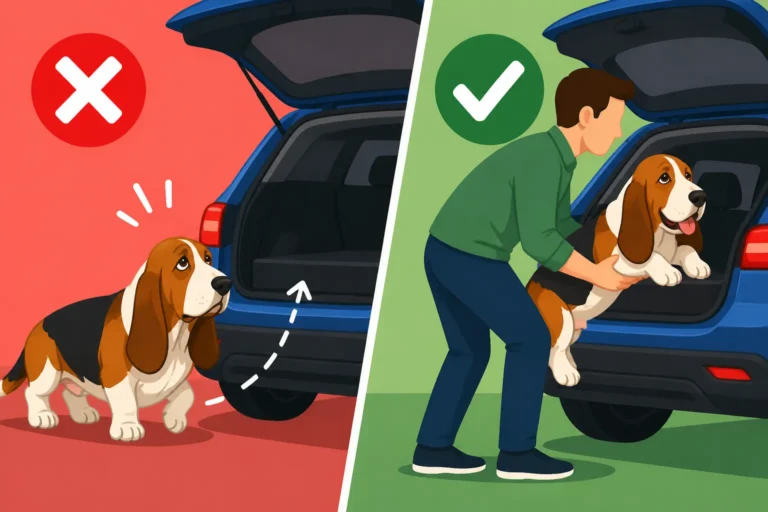
Beyond preventing slips, consider how your Basset Hound navigates vertical challenges. Jumping on and off furniture, or even getting into the car, can become impossible, and worse, dangerous. This is where ramps and pet stairs become invaluable. A well-placed ramp allows your Basset Hound to ascend onto the sofa for cuddles or into your car for adventures without putting undue strain on their fragile joints. There are portable ramps for vehicles and more permanent, attractive options for home use. The key is to choose a ramp with good traction and a gentle incline that your Basset can manage comfortably. This might feel like a big adjustment for you, but it’s a huge step towards maintaining their independence and their bond with you. For more detailed insights, consider Whether a Ramp Should Replace a Basset Hound's Stairs.
Orthopedic Bedding and Comfortable Resting Spots
Just as a good mattress is crucial for our own aching backs, orthopedic bedding is a game-changer for senior Basset Hounds. Those thin, flat beds they loved as puppies simply don't offer the support their aging bodies need. When a Basset Hound lies down for hours on a hard surface or a non-supportive bed, it puts immense pressure on their joints, hips, and elbows, leading to stiffness, pain, and even pressure sores.
The beauty of orthopedic beds, often made from high-density memory foam, is that they conform to your dog's body, distributing their weight evenly and alleviating pressure points. This means less pain when they lie down, and more importantly, less stiffness when they try to get up. Think of it as a cloud that cradles their body, allowing their muscles to truly relax and their joints to rest without grinding against each other. When choosing one, look for a bed with ample thickness and density, especially for a heavy breed like a Basset Hound. Many brands, including those found on Chewy or Amazon, offer excellent orthopedic options tailored to larger breeds.
Placement of these beds is also key. Position them in quiet, warm areas away from drafts, and ensure they are easily accessible. If your Basset Hound struggles to get up, having a cozy, supportive spot nearby means they don't have to travel far when nature calls or they want a change of scenery. You might even consider having multiple orthopedic beds around the house, giving them options for comfort wherever they choose to relax. This simple investment can drastically improve their daily comfort and make those difficult moments of rising just a little bit easier. For more advice on this topic, check out Whether a Basset Hound Should Have an Orthopedic Bed.
Nutritional Support for Aging Joints and Muscles
As our Basset Hounds enter their senior years, their dietary needs shift dramatically. What worked for their younger, more active selves might now be contributing to their mobility issues. Adjusting their nutrition is a powerful tool to support their aging joints and muscles, and it's something you have direct control over every single day.
Tailoring Diet for Senior Basset Hounds
The first and most critical aspect of managing mobility in an older Basset Hound is maintaining a healthy weight. We’ve talked about how What Extra Weight Does to a Basset Hound can exacerbate joint pain. An overweight Basset Hound carries extra burden on already compromised hips, elbows, and spine. This means tailoring their diet to ensure they are at their ideal weight, or even gently reducing weight if needed. As dogs age, their metabolism slows down, and their activity levels naturally decrease. They simply don't burn as many calories as they used to.
This often means transitioning to a high-quality senior dog food formula. These foods are typically lower in calories but still provide essential nutrients. They are also often fortified with ingredients aimed at supporting joint health. Look for foods that emphasize lean protein to help maintain muscle mass, which is crucial for supporting joints, while controlling fat content. Many reputable brands offer excellent senior-specific formulas designed for reduced caloric intake and enhanced nutrient support. Don't be shy about discussing your Basset Hound's ideal weight and dietary needs with your veterinarian; they can help you determine the right calorie intake and recommend specific brands. Consistently feeding the right amount is vital, and you'll want to avoid free-feeding, instead opting for measured meals to keep their weight in check. Getting this right is a cornerstone of their long-term comfort. You can find many suitable options available from retailers like Chewy and Ollie, which cater to diverse dietary needs, including senior-specific formulations.
Supplements to Aid Mobility and Reduce Inflammation
Beyond a specialized senior diet, nutritional supplements can play a supportive role in alleviating joint pain and reducing inflammation, helping your Basset Hound move more freely. While supplements aren't a magic bullet and should always be discussed with your vet, many owners find them incredibly beneficial.
Glucosamine and Chondroitin are probably the most well-known joint supplements. These compounds are natural components of cartilage, and supplementing them is thought to help repair and maintain cartilage, as well as reduce the progression of arthritis. Many joint supplements combine these with MSM (Methylsulfonylmethane), which is believed to help reduce pain and inflammation. Think of it as giving their aging joints a little extra building block and soothing balm.
Omega-3 fatty acids, particularly EPA and DHA found in fish oil, are powerful natural anti-inflammatories. They can help reduce the inflammation that contributes to joint pain, essentially calming down the fire in those sore areas. Look for high-quality fish oil supplements specifically formulated for dogs, ensuring they are free from contaminants. Other supplements like turmeric (known for its anti-inflammatory properties) and green-lipped mussel extract are also popular choices for joint support.
It’s crucial to understand that supplements work best when given consistently over time, and their effects might not be immediate. Moreover, not all supplements are created equal, so doing a bit of research and always getting your vet's approval before introducing anything new is paramount. What works for one dog might not work for another. You can often find a wide variety of these supplements on platforms like Amazon, making it convenient to research and select options your vet approves of. For a more detailed look, you might want to explore Whether a Basset Hound Needs Joint Supplements and What Joint Supplements Cost a Basset Hound Owner.
Physical Therapy and Gentle Exercise
While the idea of exercise might seem counterintuitive for a dog struggling to move, appropriate physical activity is incredibly beneficial for senior Basset Hounds. It's not about strenuous workouts, but about gentle, consistent movement that supports muscle tone and joint flexibility, reducing stiffness and maintaining a semblance of their former vitality.
Low-Impact Exercise for Joint Health
When your Basset Hound is struggling to rise, the last thing you want to do is push them too hard. However, complete inactivity can worsen muscle atrophy and joint stiffness. The key is low-impact, gentle exercise tailored to their current capabilities. Forget long hikes or vigorous games of fetch. Instead, think about short, frequent, leisurely walks. A 10-15 minute stroll a few times a day is far better than one long, arduous walk. The goal is to keep their joints moving through their natural range of motion, stimulate blood flow, and maintain some muscle strength without causing pain or exhaustion.
Listen closely to your Basset Hound. If they show signs of fatigue, discomfort, or simply stop and refuse to move, it's time to head home. Never force them to continue. The beauty of a Basset Hound is their strong scent drive; even a slow walk can be mentally stimulating as they sniff every blade of grass. You might find that early morning or late evening walks are best, avoiding the heat of the day, which can exacerbate joint pain.
If available, swimming can be a phenomenal low-impact exercise. The buoyancy of water takes the weight off their joints, allowing them to move freely without impact. If you have access to a canine hydrotherapy center or a safe, shallow pool, even short sessions can work wonders for muscle building and joint mobility. Always ensure their safety in water, and be mindful of their long ears, which can trap water; drying them thoroughly afterward is essential. This kind of gentle activity can help your senior Basset Hound maintain their quality of life, reminding them that movement can still be enjoyable. For more insights into how much activity is appropriate, read Exercise for an Old Basset Hound.
In-Home Stretches and Massage
Beyond gentle walks, incorporating in-home stretches and massage into your Basset Hound’s daily routine can significantly improve their comfort and flexibility. Think of it as their own personal spa treatment, designed to soothe sore muscles and stiff joints. These techniques can be easily performed at home once you’ve learned a few basics, and they’re a wonderful way to bond with your dog while providing therapeutic benefits.
Gentle range-of-motion (ROM) exercises involve carefully moving each joint through its natural arc without causing pain. For example, you can gently flex and extend each leg, supporting the joint above and below to prevent twisting. Start slowly, hold for a few seconds, and repeat a few times. The goal isn’t to force movement, but to gently encourage circulation and flexibility. Always observe your Basset Hound's reaction; if they flinch, pull away, or show any sign of discomfort, stop immediately. It's best to learn these techniques from a veterinary physical therapist or your vet to ensure you're doing them correctly and safely.
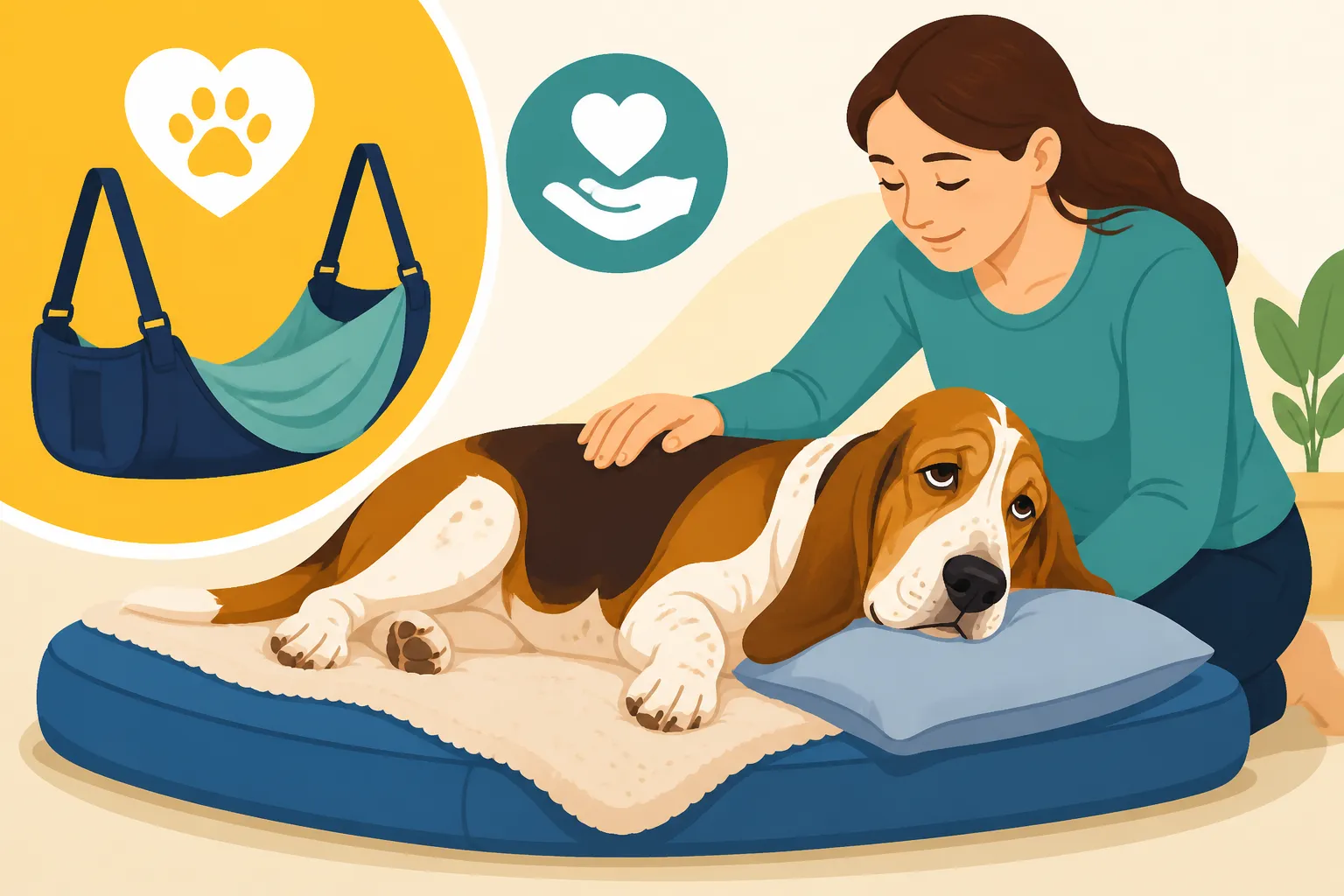
Massage can also be incredibly soothing and beneficial. Gentle kneading and stroking motions can increase blood flow, warm up muscles, and reduce tension. Focus on the large muscle groups in their hindquarters, shoulders, and along their spine. Use your fingertips to apply light to moderate pressure, moving in circular motions. A warm towel applied before or during a massage can enhance relaxation. Not only does massage help with physical comfort, but the close physical contact is also incredibly reassuring for an aging dog, strengthening your bond. These simple, loving gestures can make a big difference in how your Basset Hound feels each day, helping them manage their pain and maintain a more comfortable posture.
Veterinary Interventions and Pain Management
While environmental adjustments and home care are crucial, your veterinarian remains your most important partner in managing your senior Basset Hound’s mobility challenges. They can diagnose the specific causes of discomfort and prescribe appropriate medical treatments to keep your dog as comfortable as possible.
Medical Approaches to Pain Relief
When your Basset Hound is struggling to rise due to pain, medication is often a necessary and effective intervention. The primary tools in a veterinarian's arsenal for chronic pain, especially from arthritis, are NSAIDs (non-steroidal anti-inflammatory drugs). These medications, such as carprofen, meloxicam, or deracoxib, work by reducing inflammation and pain in the joints. They can make a dramatic difference in a dog's comfort and willingness to move, allowing them to participate in gentle exercise and improve their quality of life. However, NSAIDs require careful monitoring due to potential side effects on the liver and kidneys, so regular blood work is essential. Your vet will prescribe the appropriate dosage and monitor your Basset closely.
For more complex or severe pain, particularly neuropathic pain (nerve pain) associated with spinal issues, your vet might add other medications. Gabapentin is often prescribed to calm nerve pain and can also have a mild sedative effect, which can be beneficial for anxious dogs. Amantadine is another medication sometimes used in conjunction with NSAIDs for chronic, severe pain, working on a different pathway to modulate pain perception.
Beyond daily oral medications, injectables like Adequan (polysulfated glycosaminoglycan) can be very beneficial. These injections work to protect cartilage and improve joint fluid, often administered in a loading dose series followed by maintenance injections. Many owners report significant improvements in their dog’s mobility and comfort with Adequan. The key is to have open, honest conversations with your vet about your Basset Hound’s specific symptoms, and to stick to the prescribed regimen. Finding the right combination of pain relief is often a process of trial and error, but the goal is always to maximize their comfort and mobility. This comprehensive approach is vital in helping The Old Basset Hound That Cannot Get Off the Floor.
Advanced Therapies and Supportive Care
Beyond conventional oral medications, a range of advanced therapies can offer significant relief and improve mobility for senior Basset Hounds. These options often complement traditional medicine and can be particularly beneficial for long-term management of chronic conditions.
One popular approach is acupuncture. Derived from traditional Chinese medicine, acupuncture involves inserting fine needles into specific points on the body to stimulate nerves, increase blood flow, and release natural pain-relieving chemicals. Many dogs tolerate acupuncture very well, and owners often report improvements in pain levels and mobility, especially for conditions like arthritis and spinal issues. It’s a gentle, non-pharmacological option that can reduce reliance on medications.
Laser therapy (cold laser therapy or low-level laser therapy) is another non-invasive treatment that uses specific wavelengths of light to stimulate cellular activity, reduce inflammation, and promote healing. It’s often used for arthritis, disc disease, and muscle strains, providing a soothing warmth that many dogs find pleasant. Sessions are typically short and painless, often leading to noticeable improvements in stiffness and discomfort.
For dogs with more severe mobility issues, hydrotherapy or an underwater treadmill can be incredibly effective. As mentioned earlier, water provides buoyancy, reducing the impact on joints while allowing dogs to exercise their muscles. In a supervised hydrotherapy setting, a trained professional can guide your Basset Hound through controlled movements, strengthening their core and limbs without pain. This is particularly beneficial for muscle re-education and rehabilitation.
Finally, the expertise of a veterinary physiotherapist can be invaluable. These specialists can conduct a thorough assessment, develop a personalized rehabilitation plan, and teach you specific exercises, stretches, and techniques to use at home. They can also recommend supportive devices and monitor your Basset Hound’s progress, ensuring they receive the most effective and appropriate care. While these therapies may involve additional cost and commitment, the improvement in your Basset Hound's quality of life can be priceless.
Practical Aids and Assistance Devices
Even with the best medical care and environmental adjustments, there will come a time when your Basset Hound needs a little extra help to move around. Thankfully, a variety of practical aids and assistance devices are available to help them navigate their world with greater ease and safety.
Harnesses and Lifting Slings
When your Basset Hound starts to falter, or struggles immensely to stand up, your instinct might be to grab them by their collar or under their belly. While well-intentioned, this can be uncomfortable or even painful, especially if they have spinal or joint issues. This is where supportive harnesses and lifting slings become indispensable. These devices are designed to distribute their weight evenly and provide a stable way for you to assist them without causing further strain or discomfort.
A full-body harness can be great for daily walks, offering a secure handle over their back that you can use to steady them or provide a gentle lift when they stumble. Many harnesses also feature padded chest and belly straps, preventing chafing and providing a comfortable, secure fit. For specific assistance with getting up or navigating stairs (with your help!), rear-end support slings or "help 'em up" harnesses are fantastic. These often look like a U-shaped sling that goes under their hips, with handles for you to hold. By lifting gently, you can help them stand, get up steps, or even get into the car, taking the strain off their hind legs. There are also full-body harnesses, like those found on Chewy or Amazon, that encompass both the front and rear, allowing you to lift them almost completely if needed, which is particularly useful for a heavy breed like a Basset. The key is to ensure the harness fits well, doesn't rub, and allows you to lift them safely without straining your own back. For tips on how to properly support your Basset Hound, you might want to review Whether a Basset Hound Should Be Lifted Under the Chest.
Paw Protection and Traction
Beyond physical supports, sometimes the simplest things can make the biggest difference in a senior Basset Hound's mobility: their paws. When their legs are weak, they need every bit of traction they can get. Slippery paws on slippery floors are a recipe for disaster.
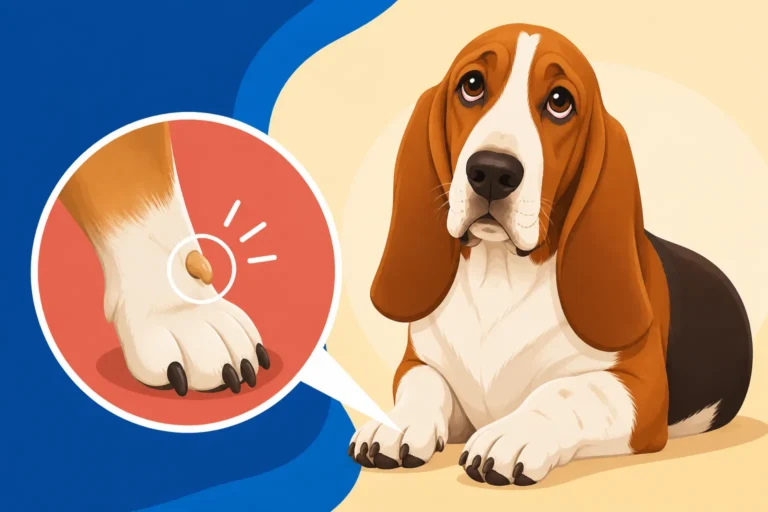
One common issue is overgrown nails. Long nails can actually push their toes out of alignment, making their footing unstable and causing discomfort. Regular, proper nail trims are crucial, allowing their paw pads to make full contact with the ground and providing better grip. If your Basset Hound's nails are exceptionally long or you're unsure how to trim them, your vet or a professional groomer can help. You can learn more about this by reading Looking After a Basset Hound's Feet and Nails and Whether Long Nails Change a Basset Hound's Feet.
For increased traction on those slick indoor surfaces, consider dog boots or grippy socks. These come with rubberized soles that give your Basset Hound the necessary purchase on hard floors. It might take a little time for them to get used to wearing them, but the improved confidence and stability they gain can be well worth the effort. There are also specialized "toe grips" that can be glued onto their nails by your vet, offering another option for enhancing traction.
Finally, simply keeping their paw pads healthy is important. Dry, cracked paw pads can be uncomfortable and reduce their natural grip. Regular moisturizing with a dog-specific paw balm can help keep them supple. All these small measures contribute to a more stable and comfortable gait, empowering your Basset Hound to move more confidently around their home.
| Mobility Aid | Primary Use | Pros | Cons |
|---|---|---|---|
| Ramps | Accessing furniture, cars, stairs | Reduces joint strain, encourages independence | Can be bulky, may require training, needs space |
| Orthopedic Beds | Resting, sleeping | Excellent joint support, reduces pressure points, aids rising | Can be more expensive, may take up more space |
| Lifting Slings | Assisting standing, walking, stair negotiation | Provides direct support, prevents falls, easy to use | Requires owner's physical effort, not for long-term walking |
| Traction Socks/Boots | Indoor grip on slippery floors | Improves stability, prevents slips, inexpensive | Dogs may resist wearing, can come off easily, not for outdoors |
| Full Body Harness | Support during walks, gentle lifting, stability | Secure, comfortable for dog, allows owner to assist subtly | Can be warm, may be cumbersome for constant wear, fitting is key |
Maintaining Mental Well-being and Quality of Life
While physical comfort is paramount for a senior Basset Hound struggling with mobility, their mental and emotional well-being are just as vital. An aging body doesn't mean an aging mind, and keeping their brains engaged and their spirits high is crucial for their overall quality of life.
Enrichment for Less Mobile Seniors
When a Basset Hound can't move as freely as they once did, it's easy for boredom and frustration to set in. They might not be able to chase rabbits in the yard or join you on long scent trails, but their powerful nose and intelligent mind still crave engagement. Providing mental enrichment is key to keeping them happy and stimulated.
Scent games are perfect for Basset Hounds, playing directly into their strongest sense. Even from a lying position, they can enjoy a "snuffle mat" where you hide treats deep within fabric strips, challenging them to use their nose to find dinner. You can also hide treats around a room for them to sniff out, starting close by and gradually increasing the difficulty as their mobility allows. Remember, their nose is a powerful tool for Giving a Basset Hound's Nose Something to Do.
Puzzle toys are another excellent option. These toys dispense treats only when manipulated in a certain way, requiring your Basset Hound to think and problem-solve. Choose puzzles that aren't too physically demanding, focusing on nose and paw work rather than intricate dexterity. Gentle interaction, such as petting, soft brushing, and calm conversations, also goes a long way. Simply being present and offering comfort can hugely impact their mood. If they enjoy it, a supervised spot near a window can provide a "dog TV" experience, allowing them to watch the world go by from a comfortable vantage point. Keeping their minds active helps ward off cognitive decline and keeps their spirits bright, even if their bodies aren't as agile.
Recognizing When It's Time for Difficult Decisions
This is perhaps the hardest conversation any dog owner faces, but it's an essential one for a senior Basset Hound with declining mobility: recognizing when their quality of life has significantly diminished, and it might be time for that final, selfless decision. It's a heavy burden, often filled with guilt, doubt, and immense grief.
Assessing your Basset Hound's quality of life involves looking beyond just their ability to move. Consider their appetite and thirst – are they eating and drinking enthusiastically? Their pain levels – are medications effectively managing their discomfort, or are there more bad days than good? Their engagement with you and their environment – are they still interested in being part of the family, or are they withdrawn and disengaged? Are they able to relieve themselves without distress, or are accidents causing them anxiety and discomfort?
It's vital to have honest conversations with your veterinarian throughout this process. They can help you objectively assess your Basset Hound's condition, discuss all available options, and offer guidance on recognizing specific signs of suffering. They can help you differentiate between manageable discomfort and true, unrelenting pain. Keeping a journal of their good days versus bad days can sometimes provide a clearer picture than relying solely on memory.
Ultimately, this decision is made out of love, to prevent prolonged suffering. It’s about putting their needs above our own desire to keep them with us. It's truly heartbreaking, but it's also the final act of kindness and compassion we can offer our loyal companions. Validating the profound heartbreak you will feel is important; it's a testament to the deep bond you share. For further support during this difficult time, consider reading Knowing When an Old Basset Hound Has Had Enough.
Daily Care and Grooming Considerations
Caring for an older Basset Hound with mobility issues means paying extra attention to their daily hygiene and keeping a vigilant eye on their overall health. Their reduced movement can lead to new challenges, and a proactive approach to care can prevent secondary problems from arising.
Hygiene for Limited Mobility
A Basset Hound who struggles to rise might also struggle with basic hygiene. If they spend more time lying down, or if their mobility makes it difficult to get outside quickly, accidents can become more common. This means you might need to be extra diligent about cleaning them up promptly to prevent skin irritation or urine scald. Gentle dog-specific wet wipes can be invaluable for quick clean-ups.
Sponge baths can replace full baths if a traditional bath becomes too difficult or stressful for your Basset Hound. Use a warm, damp cloth with a mild, dog-friendly shampoo to clean dirty areas, rinsing thoroughly with a clean, damp cloth. Follow up with a dry towel to ensure they are completely dry, especially in their deep folds and under their ears, to prevent skin issues.
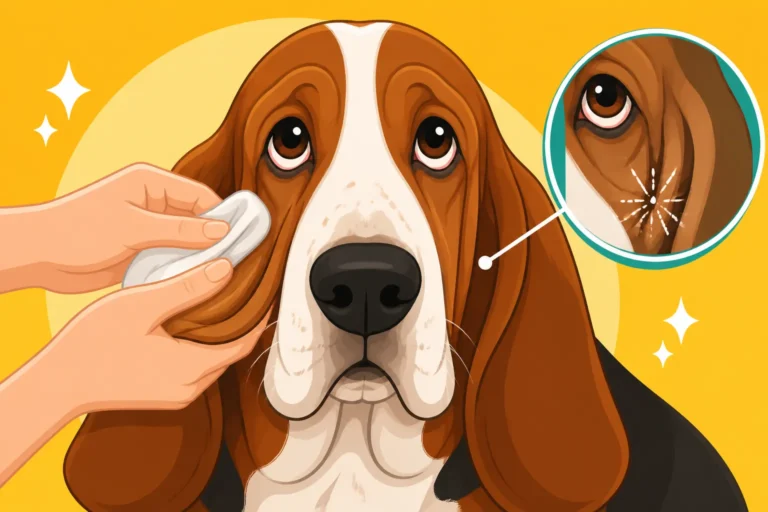
Regular brushing is also more important than ever. While Basset Hounds have short coats, consistent brushing helps remove loose hair, stimulates circulation, and prevents matting, especially in areas where they might lie down more frequently. It's also a great opportunity for a gentle massage and to check their skin for any abnormalities. Pay special attention to their unique skin folds; if they're lying down more, moisture and debris can build up, leading to infections. Regularly cleaning and drying these folds with a soft cloth is crucial. You can learn more about this by reading The Skin Under a Basset Hound's Folds. A clean dog is a comfortable dog, and good hygiene prevents painful secondary infections.
Monitoring and Observation
When you have a senior Basset Hound with mobility issues, you become their primary monitor. You'll develop a keen eye for subtle changes, which can be early indicators of a worsening condition or a new problem entirely. Daily observation is not just about spotting problems; it's about being intimately attuned to their overall well-being.
Every day, take time to check for changes in their appetite and thirst. A sudden decrease or increase could signal an underlying health issue. Likewise, keep track of their urination and defecation habits. Are they having more accidents? Is their stool consistent? Any changes in frequency, consistency, or color should be noted and discussed with your vet. These can be indicators of anything from urinary tract infections to digestive problems, which can further impact their comfort and mobility.
Crucially, observe for increased pain signals. This might not be obvious crying or yelping. It could be reluctance to move, guarding a particular area, panting excessively when at rest, restless sleep, changes in posture, or even changes in their usual demeanor like increased irritability or withdrawal. If their pain seems to be breaking through their medication, it’s a clear sign to contact your vet to adjust their pain management plan.
Finally, because they are spending more time lying down, regular checks for bedsores or skin irritation are essential. These can develop on bony prominences like elbows, hips, and hocks. Gently lift their ears, check their belly and feet, and inspect all those lovely Basset folds. Early detection and treatment of any skin issues can prevent them from becoming serious and painful. Your vigilant observation is their best defense against unnecessary discomfort as they age.
Disclaimer
This article is for general informational purposes only and does not constitute professional advice. Laws, prices and regulations vary by location and change over time. Consult a qualified professional for guidance on your specific situation.