Traveling With a Basset Hound
Ah, the open road! There's nothing quite like the dream of hitting the highway with your beloved Basset Hound nestled comfortably beside you, wind (or air conditioning) in their long, velvety ears. But let's be honest, the reality of traveling with a Basset can often feel less like a picturesque postcard and more like a comedic drama, fraught with slobber, stubbornness, and the endless quest for the next interesting smell. This guide is here to help you navigate those unique challenges, making your journeys with your low-slung, lovable companion as smooth and stress-free as possible.
Understanding Your Basset's Travel Temperament
Before you even pack your bags, it's crucial to understand your Basset Hound's intrinsic nature when it comes to new experiences. These aren't your typical high-energy, "let's go!" dogs. Their deep-rooted instincts and physical build mean they approach travel with a unique blend of curiosity, occasional anxiety, and a highly selective hearing mechanism when a good scent presents itself.
The Basset Hound's Love-Hate Relationship with New Places
Your Basset might seem perfectly content to snooze on the sofa at home, but introduce them to a new car, a bustling hotel lobby, or a campsite full of unfamiliar smells, and you might see a whole new side of them. On one paw, they're hounds—bred to explore, to follow their nose to the ends of the earth. This inherent curiosity can make them surprisingly adaptable to new environments, eager to sniff out every nook and cranny. They might love the attention they get from strangers who are charmed by their sad eyes and long ears.
However, on the other paw, Basset Hounds are creatures of comfort and routine. A sudden change in their environment, the rumble of a car engine, or the unfamiliar sounds of a hotel room can be unsettling. They might initially resist getting into the car, or plant their feet firmly when asked to walk somewhere new if it doesn't immediately strike their fancy. Their famous stubborn streak isn't just a quirk; it's often a manifestation of their deep desire for things to be predictable and comfortable. This isn't them being difficult just to spite you; it's often their way of communicating discomfort or unease.
Managing Travel Anxiety and Excitement
Travel can be a mixed bag of emotions for a Basset. Some will be instantly excited by the prospect of an adventure, while others might develop anxiety about car rides or being in unfamiliar surroundings. Early and positive exposure is key. Start with short, positive car rides to fun places, like the park or a friend's house, not just the vet. Pair the car with treats and praise. A familiar blanket or toy from home, smelling of you and their bed, can be a huge comfort in a new place. For those with more pronounced anxiety, a calming vest or a veterinarian-prescribed anxiety aid might be something to discuss before a long trip. It’s all about creating positive associations and minimizing stressors wherever you can. Remember, your calm demeanor can go a long way in reassuring your Basset that everything is okay.
The Power of Their Nose on the Road
Let's face it, a Basset's nose is their superpower, and it absolutely does not take a vacation. When you're traveling, this means every rest stop, every new patch of grass, and every new room is an intoxicating smorgasbord of scents. What might seem like a simple potty break for you is a crucial intelligence gathering mission for your Basset. They will want to meticulously sniff every blade of grass, every lamppost, every tree trunk. This isn't dilly-dallying; it's instinct.
This powerful nose also means their recall can evaporate faster than morning dew on a hot pavement if an irresistible scent trail presents itself. You know the drill: their head drops, their ears almost touch the ground, and suddenly, they're in their own world. This is why The Recall a Basset Hound Will Never Reliably Give You is so crucial to understand, especially when traveling. Always, always keep them on a leash, or a long line in a secure, safe area. An open car door, a moment of distraction, and they could be off on a grand adventure, completely oblivious to your frantic calls. Their nose dictates their actions, and safety demands you respect that.
Essential Gear for Basset Hound Travel
Traveling with a Basset Hound isn't just about throwing them in the car; it requires a specific set of gear tailored to their unique needs and challenges. Think of it as preparing for a special forces mission, but with more drool towels and fewer explosives.
Crates, Car Seats, and Safety Harnesses
Safety is paramount, especially for a breed prone to back issues like the Basset Hound. Their long spines and relatively short legs make them vulnerable to injury during sudden stops or accidents. A standard seatbelt won't cut it. You have a few options:
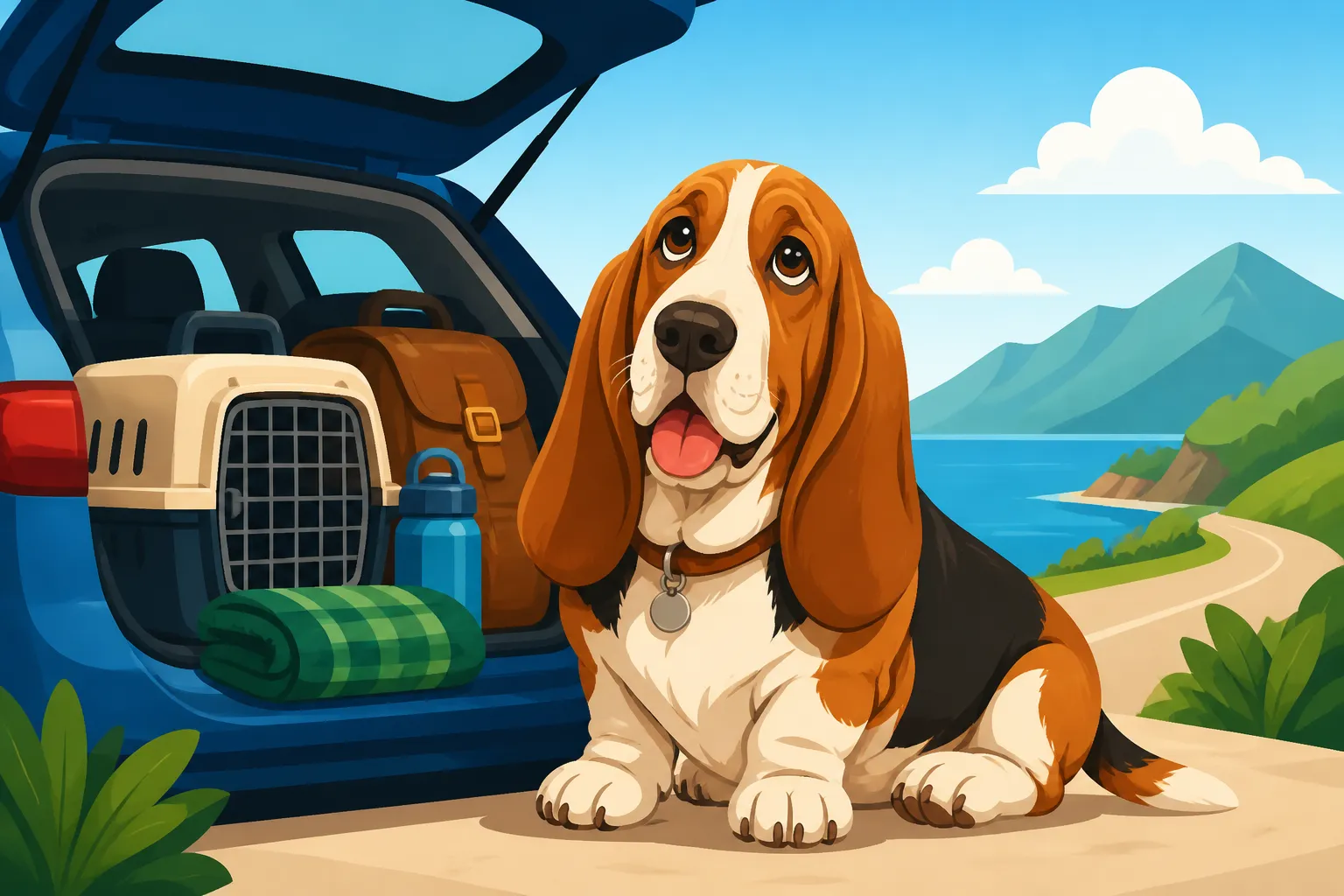
- Crash-Tested Travel Crates: These are the safest option, providing a secure enclosure that protects your Basset from impacts and prevents them from becoming a projectile. Look for crates that have been certified crash-tested. Place the crate securely in the cargo area of an SUV or hatchback, or on the back seat, secured by seatbelts. This also gives them a cozy, den-like space, which can reduce anxiety. Brands like Ruffland or Gunner Kennels are often recommended for their robustness, though there are many options available through retailers like Chewy or Amazon.
- Car Safety Harnesses: If a crate isn't feasible, a crash-tested safety harness designed for car travel is the next best thing. These harnesses attach to your car's seatbelt system, keeping your Basset secure in their seat. It's vital to choose one specifically labeled as "crash-tested" by a reputable organization. Avoid harnesses that simply restrain them but offer no real crash protection, as these can actually cause more injury in an accident.
- Elevated Car Seats/Boosters: While some small dog breeds use these, they aren't generally suitable for Basset Hounds due to their weight and build. The primary purpose of these is often to allow smaller dogs to see out the window, which isn't the main concern for a Basset. Safety and spinal support are your priorities.
Never let your Basset roam freely in the car. Not only is it a distraction to you, but a sudden brake could send them flying, potentially injuring themselves or others in the vehicle. Also, resist the urge to let them ride with their head out the window. While they might enjoy the scents, debris can fly into their eyes, and the constant wind can cause ear infections or even damage their eardrums over time, especially given Why a Basset Hound's Ear Canal Never Dries.
Food, Water, and Feeding Solutions on the Go
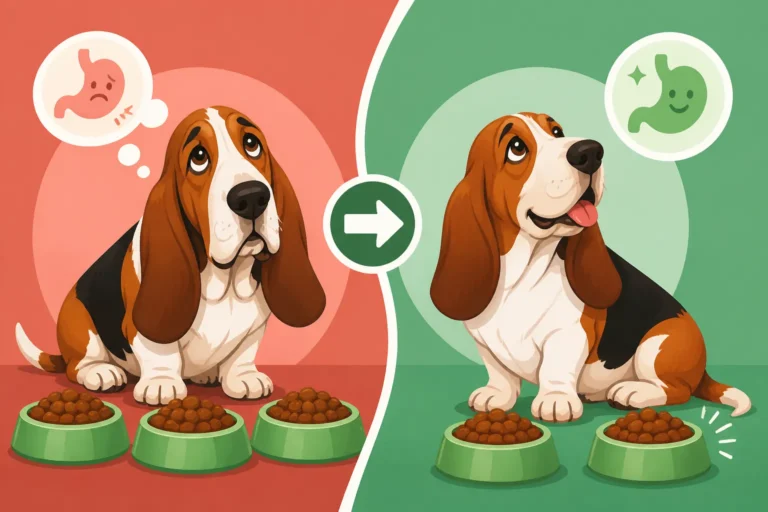
Maintaining your Basset's dietary routine is essential to avoid stomach upset, which is the last thing you want on a road trip. Pack their regular food in airtight containers. If your Basset is on a fresh food diet like Ollie, consider how you'll keep it cool and fresh throughout your journey. You might need a portable cooler or to plan stops where you can replenish ice.
- Portable Water Bowls: Collapsible silicone bowls are fantastic. They fold flat and are easy to clean. Always have fresh water readily available, especially during pit stops and upon arrival at your destination. Dehydration is a serious risk, particularly in warm weather.
- Travel Food Bowls: Similar to water bowls, portable food bowls ensure your Basset can eat comfortably. Consider slow-feeder bowls if your Basset tends to bolt their food, even when traveling.
- Plenty of Water: Don't just bring enough for a few hours. Bring enough for the whole day, and then some. A gallon jug of water dedicated to your Basset is a good idea. This is especially important for long-eared breeds like Basset Hounds, who might inadvertently drag their ears into their water, making it dirty quickly. You might even consider a 'no-spill' bowl for the car to prevent messes.
| Item Type | Description | Why it's Essential for Bassets |
|---|---|---|
| Crash-Tested Crate | Secure enclosure for vehicle travel, absorbs impact. | Protects their long spine in accidents, reduces anxiety. |
| Car Safety Harness | Connects to seatbelt, restrains dog in their seat. | Safer alternative to free-roaming, minimizes injury risk. |
| Collapsible Water Bowl | Portable, folds flat for easy packing. | Ensures constant hydration, easy to clean. |
| Airtight Food Container | Keeps kibble fresh and dry. | Prevents spoilage, maintains diet consistency. |
| Familiar Blanket/Bed | Smells of home, provides comfort. | Reduces anxiety in new environments, offers cozy sleeping space. |
| Poop Bags | Biodegradable, essential for responsible cleanup. | Keeps public spaces clean, avoids fines. |
| Chew Toys/Distractions | Durable toys to keep them occupied. | Alleviates boredom and stress, prevents destructive behaviors. |
| Drool/Cleaning Wipes | For quick clean-ups of slobber and spills. | Bassets drool! Maintains hygiene, especially around their face folds. |
| Pet First-Aid Kit | Basic medical supplies for minor injuries. | Preparedness for unexpected cuts, scrapes, or upset stomachs. |
| Vaccination Records | Physical or digital copies. | Required for some accommodations/borders, essential for vet emergencies. |
Comfort Items and Entertainment for the Journey
A comfortable Basset is a happy traveler. Bring their favorite bed, or at least a blanket that smells like home. This familiar scent can be incredibly reassuring in new surroundings, whether in a car crate or a hotel room. For dogs like Basset Hounds that really value their comfort, an orthopedic bed is always a good investment, especially on trips. You can find excellent options on Amazon.
Don't forget toys! Durable chew toys can provide much-needed distraction during long stretches of travel. A Kong stuffed with peanut butter or some frozen plain yogurt can keep them happily occupied for a good while. Scent-work toys, like a snuffle mat, can also be a wonderful way to engage their super-powered nose during downtime at your destination, providing mental stimulation when physical exercise might be limited. However, avoid toys that might make noise or roll around too much in the car, as this could be a distraction or source of frustration.
Car Travel with Your Basset Hound
Car travel is likely the most common way you'll journey with your Basset. While it offers flexibility, it also comes with its own set of challenges, from ensuring their safety to managing their unique physical needs.
Securing Your Basset Safely in the Vehicle
As discussed, securing your Basset isn't just about preventing them from jumping into your lap. It's about protecting their delicate spine and ensuring their well-being in case of an accident. Basset Hounds are a chondrodystrophic breed, meaning they have disproportionately short limbs and a long back, similar to Dachshunds. This makes them inherently susceptible to intervertebral disc disease (IVDD) and other spinal issues. A sudden jolt or impact, even from a sharp brake, can put immense strain on their back. For more on this, you might find The Back Trouble a Basset Hound Is Built Into helpful.
When using a crash-tested crate, ensure it's properly secured with straps or seatbelts so it doesn't slide around. If you opt for a safety harness, make sure it fits snugly but comfortably, without restricting movement or chafing. Test it out on shorter trips before embarking on a long journey. Position your Basset in a way that minimizes jostling—ideally on the back seat or in the cargo area, in their crate, where they have a flat, stable surface. A comfortable, supportive bed inside their crate can make a huge difference, cushioning them from bumps in the road.
Dealing with Motion Sickness and Discomfort
Just like people, some Basset Hounds get carsick. Signs can include excessive drooling, lethargy, yawning, lip-licking, restlessness, or even vomiting. If your Basset shows these symptoms, try to identify the triggers. Often, it's the motion itself or anxiety.
- Acclimatization: Start with very short drives, gradually increasing the duration. Make sure the car is associated with positive experiences.
- Visibility: Some dogs feel better if they can see out the window, but this isn't always safe or practical for a Basset in a crate. If using a harness, make sure they can look out if they wish, but keep windows up to avoid debris.
- Air Flow: Keep the car well-ventilated, but avoid direct strong blasts of air which can dry out their eyes or ears.
- Empty Stomach: Avoid feeding a large meal right before a car trip. A light snack a few hours before is usually fine.
- Veterinary Consultation: If motion sickness is severe, talk to your vet. They might prescribe anti-nausea medication specifically for dogs, or suggest over-the-counter options like Cerenia or Dramamine (always check with your vet for correct dosage).
Remember to keep the car's interior at a comfortable temperature. Basset Hounds, with their short coats, can be susceptible to overheating in hot weather. Whether a Basset Hound Overheats in Summer is a good read on this. Equally, in cold climates, ensure they are not chilled, though their short coat generally handles mild cold better than extreme heat.
Planning Pit Stops and Potty Breaks
Long car rides mean planned pit stops. This isn't just for you; it's vital for your Basset's physical and mental well-being. Aim for breaks every 2-3 hours for an adult Basset, more often for puppies or older dogs.
During these stops:
- Leash Up Immediately: Before opening any car door, ensure your Basset is securely leashed. Their powerful nose can catch a scent and lead them astray in seconds. A sturdy, non-slip harness (like those available on Chewy) is ideal for walks, offering better control and reducing strain on their neck.
- Potty Time: Let them stretch their legs and relieve themselves. Always pick up after your dog – it's good etiquette and often legally required. Keep a supply of poop bags easily accessible.
- Hydration: Offer water at every stop. Even if they don't seem thirsty, a few sips can prevent dehydration.
- Short Walk/Stretch: A brief walk allows them to stretch their muscles. This is especially important for their backs and joints. Don't force them to walk a marathon; a gentle sniff-around is often enough. For ideas on appropriate exercise, look at How Far a Basset Hound Should Walk.
- Supervise Constantly: Never leave your Basset unattended at a rest stop. They are highly desirable dogs and vulnerable to theft.
For Basset Hounds specifically, remember their long ears. They'll drag on the ground, picking up all sorts of debris and potentially getting soiled. A quick check of their ears after a potty break in unfamiliar territory is a good habit. Whether a Basset Hound's Ears Drag Through Its Food touches on similar challenges with their ear length.
Air Travel Considerations for Basset Hounds
Air travel with a Basset Hound presents a much more complex set of challenges than car travel, largely due to their unique physiology as a brachycephalic (short-nosed) breed and their overall size. Many airlines have strict rules, or even outright bans, on certain breeds flying in cargo, especially during warmer months.
Navigating Airline Regulations for Brachycephalic Breeds
Basset Hounds are often classified as brachycephalic due to their shorter snouts compared to many other breeds, although not as extreme as a Bulldog or Pug. This facial structure can compromise their ability to regulate body temperature and breathe efficiently, particularly under stress or in temperature extremes. This makes them more susceptible to respiratory distress and heatstroke, especially when flying in cargo holds.
Most airlines have specific regulations, and many flat-nosed breeds are either prohibited from flying in cargo or face severe restrictions (e.g., only in cooler months, requiring a vet certificate). Before even thinking about flying, research airline policies meticulously. Do not rely on general information; contact the airline directly and get everything in writing. You need to know:
- Their specific policy for Basset Hounds.
- Temperature restrictions (many won't fly brachycephalic breeds if ground temperatures are above or below a certain range).
- Required crate size and specifications (ventilation, labels, food/water dishes).
- Mandatory health certificates and veterinary examinations.
- Sedation policies (many airlines prohibit sedating animals for air travel due to potential respiratory and cardiovascular complications at altitude).
The frustration here is real – policies can change, and what was allowed last year might be forbidden this year. Planning far, far in advance is not just recommended, it's mandatory.
Preparing for Cargo vs. Cabin Travel
For most Basset Hounds, cabin travel isn't an option. They are simply too large and too heavy to fit under the seat in front of you. This means, if flying is possible at all, they will likely be traveling in the cargo hold.
If Cargo Travel is Necessary (and Permitted):
- Vet Check-up: A comprehensive veterinary check-up is crucial. Ensure your Basset is in peak health. Discuss the risks with your vet, especially regarding their breathing and any underlying conditions.
- Crate Acclimation: Your Basset must be fully comfortable and relaxed in their travel crate. Start crate training well in advance, making it a positive, safe space. The crate must be airline-approved, sturdy, and large enough for them to stand, turn around, and lie down comfortably. Mark the crate clearly with "Live Animal" labels and your contact information.
- Hydration: Attach spill-proof water and food dishes to the inside of the crate door. Freeze water in the dish before travel so it thaws slowly, providing hydration without spilling immediately.
- Familiar Items: A familiar blanket or a worn t-shirt with your scent can offer comfort. Do not put toys that could become choking hazards in the crate.
- Direct Flights: Always book direct flights to minimize stress from transfers and potential mishandling.
- Temperature Awareness: Choose flights during cooler parts of the day/year if possible, or avoid air travel altogether during extreme temperatures.
The Risks and Rewards of Flying with a Basset
Let's be blunt: flying with a Basset Hound, especially in cargo, carries significant risks. The combination of stress, temperature fluctuations, noise, and their brachycephalic physiology makes them vulnerable to serious health incidents, including heatstroke and respiratory collapse. Sadly, there are stories of brachycephalic dogs dying during air travel.
- Risks: Respiratory distress, heatstroke, anxiety, injury during loading/unloading, dehydration, stress-related illness.
- Rewards: For some, it's the only way to relocate or participate in certain events. However, the emotional toll and potential risks often outweigh the benefits for casual travel.
Before committing to air travel, seriously weigh the risks against the necessity. Is there an alternative, like a long road trip or hiring a specialized pet transport service? For many Basset owners, the safest and least stressful option is to avoid air travel entirely for their beloved hound, opting for ground transportation instead. If you absolutely must fly, exhaustive research, impeccable preparation, and a thorough discussion with your veterinarian are non-negotiable.
Accommodation and Activities on the Road
Finding suitable lodging and keeping your Basset happy and healthy while away from home requires forethought and sometimes a little creative problem-solving. It's not just about finding a "pet-friendly" place; it's about finding one that truly accommodates the unique needs of a Basset Hound.
Finding Dog-Friendly Lodging That Welcomes Bassets
"Dog-friendly" can mean vastly different things depending on the establishment. Some hotels welcome all breeds and sizes with open arms, offering amenities like dog beds and treats, while others have size or breed restrictions that might exclude your Basset. Always call ahead, even if a hotel website lists itself as "pet-friendly," to confirm their specific policies regarding breed and weight.
- Specify Your Breed: Be upfront about having a Basset Hound. Their size and potential for vocalization (bays!) are important for the hotel to know.
- Ask About Pet Fees: Understand any additional charges.
- Inquire About Designated Pet Areas: Some hotels have specific rooms or floors for guests with pets.
- Look for Ground Floor Rooms: This is ideal for quick potty breaks and reduces strain on your Basset's joints, avoiding stairs that could be problematic for their long backs. Whether a Basset Hound Should Climb Stairs is a crucial consideration here.
- Consider Vacation Rentals: Services like Airbnb or VRBO often have a wider array of pet-friendly options, from entire houses with fenced yards to cozy cabins. This can offer more space, privacy, and outdoor access than a hotel room. When booking through these platforms, always message the host directly to confirm they welcome Basset Hounds specifically.
- Campsites: Many campgrounds, especially national and state parks, are dog-friendly, offering a wonderful outdoor experience. Always check their specific leash laws and pet policies.
When you arrive, do a quick "Basset-proofing" sweep of the room. Look for anything they might be tempted to chew, counter-surf for (they are surprisingly good at this with enough determination), or any small gaps they might squeeze through to escape.
Keeping Your Basset Comfortable in New Environments
Your Basset's comfort is paramount to a successful trip. A new environment can be overstimulating or stressful.
- Establish a Routine: Try to stick to your Basset's normal feeding and potty schedule as much as possible. This predictability provides a sense of security.
- Create a Safe Space: Immediately set up their familiar bed and water bowl. If they are crate trained, having their crate available provides a den where they can retreat and feel safe. Even if they don't normally use a crate at home, a familiar crate can be invaluable in a strange hotel room.
- Manage Alone Time: If you need to leave your Basset alone in the room, ensure they are comfortable. Some Basset Hounds can suffer from Whether a Basset Hound Gets Separation Anxiety. Consider leaving a radio or TV on softly to mask unfamiliar sounds. Leave a "Do Not Disturb" sign on the door and inform the front desk that your dog is in the room. Have them contained in their crate to prevent damage to the room or escape.
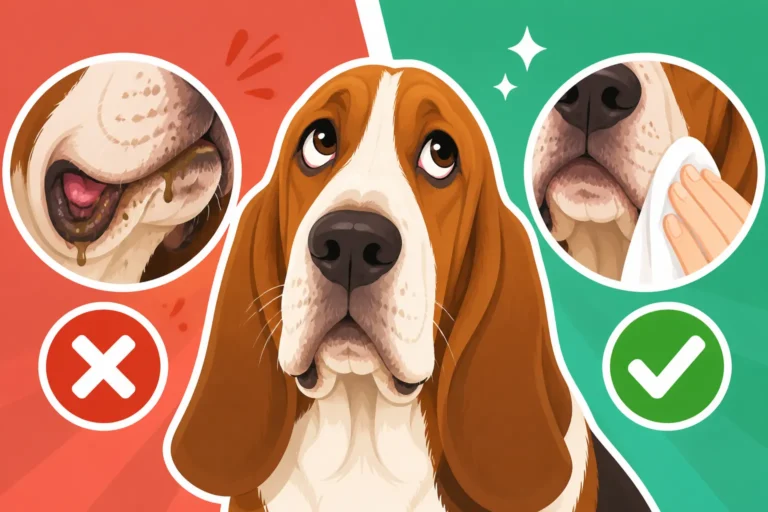
- Cleaning Supplies: Bassets drool, and sometimes they have accidents. Have a small kit of cleaning wipes (for drool and dirty ears/folds) and enzymatic cleaner for any potty mishaps. A quick wipe down of their face folds, as detailed in Cleaning the Folds a Basset Hound's Face Is Made Of, can keep them comfortable.
Fun and Safe Activities for Bassets While Traveling
Traveling isn't just about the destination; it's about the journey and the shared experiences. Incorporate activities that your Basset will genuinely enjoy and that are safe for their body.
- Sniffari Walks: Bassets live for their noses. Instead of a brisk jog (which isn't really their style anyway), focus on slow, leisurely walks where they can sniff to their heart's content. Allow them to investigate every interesting smell. This is incredibly mentally stimulating and tiring for them. Explore local parks, dog-friendly trails, or even charming neighborhoods.
- Scent Work Games: If you're staying in a cabin or a room with some space, bring along a snuffle mat or play some simple "find the treat" games. Hiding treats around the room or under cups can engage their powerful nose and provide entertainment, especially if outdoor activity is limited. Whether Nose Work Tires a Basset Hound Out highlights how effective this can be.
- Relaxation: Don't feel pressured to constantly entertain them. Bassets are champions of napping. Provide a comfy spot, and they'll likely be content to snooze while you read a book or relax. A calm, settled Basset is often the best travel companion.
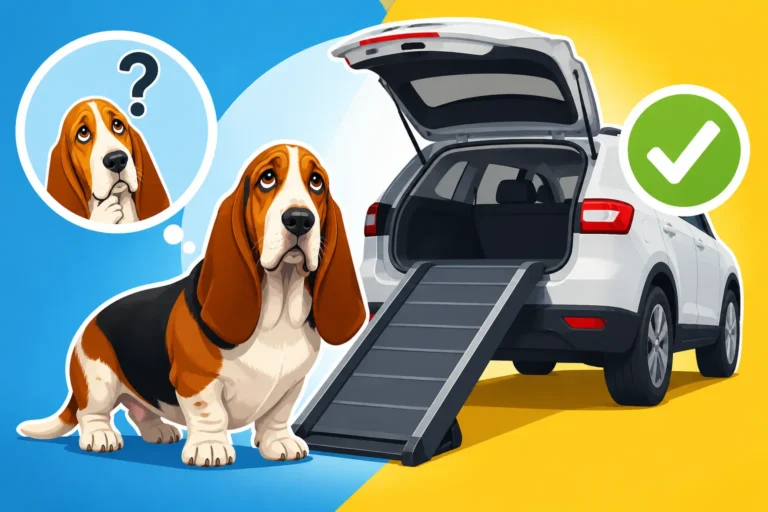
- Avoid High-Impact Activities: Jumping on and off furniture, long runs, or intense agility activities are generally not suited for a Basset Hound's physique, especially while traveling when you're less familiar with the terrain. Protect their back! Use a ramp if available to help them get into cars or onto low beds, reducing stress on their joints and spine. Whether a Basset Hound Should Use a Ramp provides more information on this.
Always carry extra water and a portable bowl, especially during any outdoor activities. Check their paw pads for any cuts or abrasions after walks on unfamiliar surfaces.
Health and Safety While Traveling
Even with the best planning, unforeseen circumstances can arise. Being prepared for health issues and emergencies is a crucial part of responsible Basset Hound ownership, especially when you're away from your regular vet.
Packing a Pet First-Aid Kit and Health Records
Consider your pet's first-aid kit as essential as your own. You can buy pre-made kits or assemble one yourself.
What to include:
- Antiseptic wipes or spray: For cleaning minor cuts or scrapes.
- Gauze pads and adhesive tape: For bandaging wounds.
- Non-stick pads: To cover wounds.
- Blunt-tipped scissors: For cutting bandages or tape.
- Tweezers: For removing splinters or ticks.
- Disposable gloves: For hygiene.
- Roll of vet wrap: Self-adhesive bandage.
- Eye wash solution: For flushing irritants from eyes.
- Q-tips/cotton balls: For cleaning.
- Pet-safe anti-inflammatory/pain relief: ONLY prescribed by your vet, for acute pain. Never give human medication without vet advice.
- Benadryl (diphenhydramine): For allergic reactions (discuss dosage with your vet beforehand).
- Hydrogen peroxide: To induce vomiting only under strict veterinary guidance.
- Styptic powder: To stop bleeding from nail quicks.
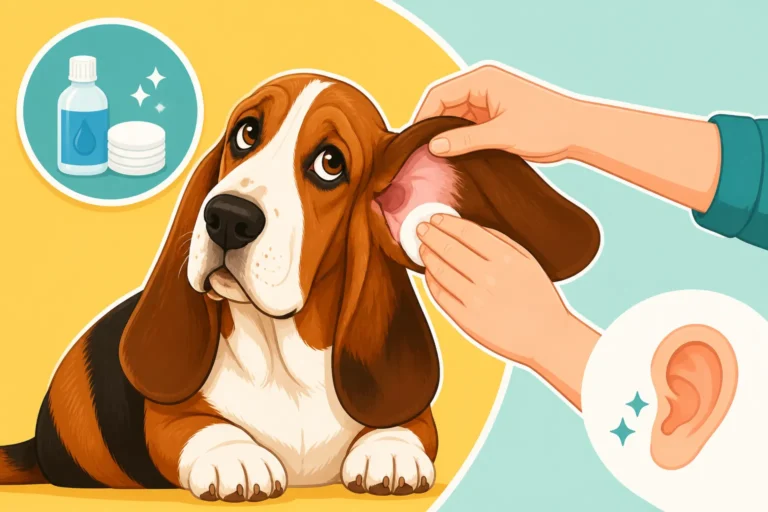
- Ear cleaner: Essential for Bassets. Pack the one you use at home to maintain their ear hygiene, especially with The Twice Weekly Ear Ritual a Basset Hound Owner Signs Up For. You can find good options on Chewy or Amazon.
- Wipes for face folds: To prevent skin fold infections.
In addition to physical supplies, gather digital and physical copies of your Basset's health records:
- Vaccination history: Especially rabies certificate.
- Microchip number.
- Current medications (if any): And enough supply for the trip, plus extra.
- Your vet's contact information.
- Emergency vet clinic contact in your destination area: Research this before you leave. Save numbers for 24-hour emergency vets along your route and at your destination.
Hydration and Temperature Management
Basset Hounds can be particularly vulnerable to heat-related issues. Their low-slung bodies absorb heat from hot surfaces, and their short snouts can make breathing harder in high temperatures.
- Constant Access to Water: This cannot be stressed enough. Always have fresh water available, both in the car and at your destination. Offer it frequently.
- Shade: Avoid direct sunlight for extended periods. When outdoors, always seek shade.
- Cooling Gear: Consider a cooling vest or mat during hot weather. You can find these easily on Amazon.
- Avoid Peak Heat: Plan walks and outdoor activities for early mornings or late evenings when temperatures are cooler. Avoid the hottest part of the day entirely.
- Never Leave in a Hot Car: Even on a mild day, the interior of a car can quickly become a furnace, leading to fatal heatstroke in minutes. This is a non-negotiable rule.
- Recognize Signs of Overheating: Excessive panting, drooling, weakness, staggering, dark red gums, and vomiting are all serious signs of heatstroke. If you suspect heatstroke, get your Basset to a cool place, apply cool (not ice cold) water to their body, especially paws and ears, and seek immediate veterinary attention.
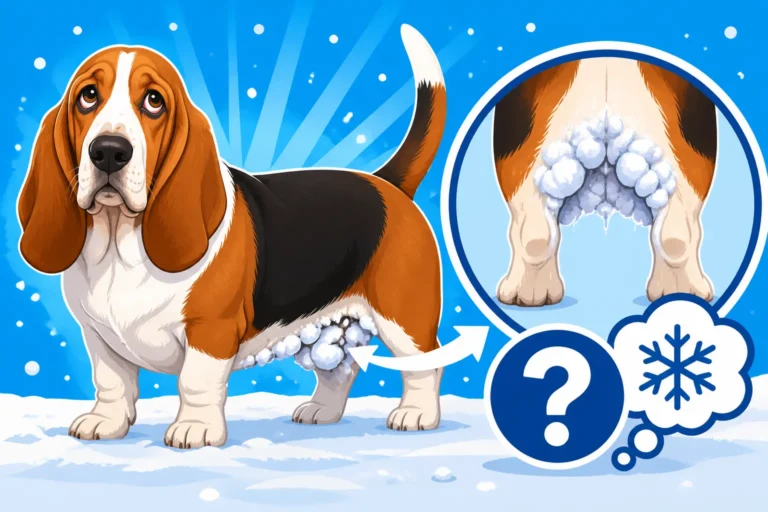
Even in cooler weather, ensuring appropriate temperature in the car and lodging is important. While Bassets generally tolerate mild cold due to their dense coats, prolonged exposure to extreme cold should be avoided. Their short legs mean their bellies are close to cold, wet ground or snow, which can cause discomfort or chilling.
What to Do in a Travel Emergency
Despite all precautions, emergencies can happen. Knowing what to do can make all the difference.
- Stay Calm: Panic helps no one. Take a deep breath and assess the situation.
- Contact Emergency Vet: Immediately call the emergency veterinary clinic you researched. Describe the situation clearly and precisely. They can advise you on immediate first aid and direct you to their location.
- Administer First Aid: Use your packed first-aid kit for minor injuries as directed by a vet or for obvious issues.
- Secure Transport: Ensure you can safely transport your injured or sick Basset to the vet. This might mean gently lifting them into their crate or on a blanket to minimize further injury, especially if you suspect a back issue. How to Lift a Basset Hound Safely is a valuable reference.
- Insurance Information: If you have pet insurance, have your policy details readily available. Insuring a Basset Hound Against Eyes, Ears and Backs is worth reviewing to understand what your policy covers for emergencies.
Remember, your Basset Hound is counting on you. Being well-prepared for any eventuality, from a sudden sniffle to a more serious emergency, will allow you both to enjoy your travels with greater peace of mind. Safe journeys, fellow Basset lovers!
Disclaimer
This article is for general informational purposes only and does not constitute professional advice. Laws, prices and regulations vary by location and change over time. Consult a qualified professional for guidance on your specific situation.