The Nose That Puts a Basset Hound Second to a Bloodhound
If you've ever spent time around a Basset Hound, you know their nose isn't just a cute button at the end of a long face; it's a living, breathing, incredibly powerful sensory organ that dictates their entire world. For many owners, the sheer intensity with which a Basset pursues a scent can be baffling, frustrating, and endlessly fascinating all at once. This guide will dive deep into why the Basset Hound's nose is so extraordinary, exploring its unique anatomy, comparing its capabilities to the legendary Bloodhound, and offering insights into living harmoniously with such a scent-driven companion.
Unraveling the Olfactory Marvel: What Makes a Basset Hound's Nose So Special?
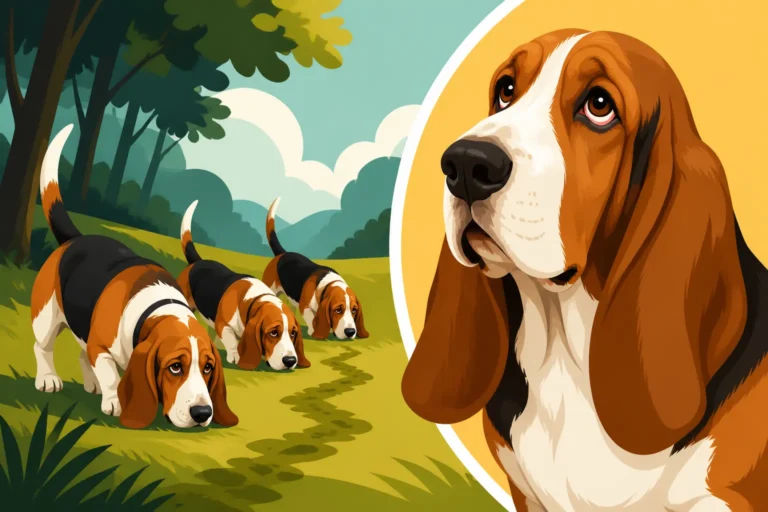
Let's be honest, when you think of a Basset Hound, the first image that probably pops into your head is that long, mournful face, those impossibly long ears, and often, that nose pressed firmly to the ground. It’s no accident; their entire physical design is geared towards one purpose: scent detection. Their sense of smell isn't just "good"; it's a superpower, a finely tuned instrument that allows them to perceive a world invisible to us.
The Anatomy of a Scent-Detecting Machine
The Basset Hound's nasal cavity is a marvel of biological engineering. Unlike humans, whose sense of smell is relatively minor compared to sight and hearing, a Basset's olfactory system is paramount. Inside that long muzzle are an astounding number of olfactory receptors – estimates often put it in the hundreds of millions, far surpassing our own paltry five to six million. These receptors are spread across a vast surface area of turbinates, which are intricate, scroll-like bones covered in specialized tissue. When a Basset inhales, air swirls through these turbinates, allowing scent molecules to make contact with as many receptors as possible.
Think about walking into a kitchen where something delicious is baking. You smell it, maybe identify it. Now imagine smelling every individual ingredient, how long ago it was baked, who else was in the room, and what they had for breakfast that morning – that's closer to what a Basset Hound experiences. They also have an incredible ability to separate incoming and outgoing air currents, meaning they can continually sample new scents even as they exhale. This constant, efficient scent processing is why they can follow a trail for miles, seemingly unfazed by distractions, picking up faint scent particles that would be completely imperceptible to us.
How the Basset Hound's Nose Stacks Up Against Other Breeds
It's widely known that many dog breeds have an excellent sense of smell, but Bassets are often placed in an elite category. While breeds like Beagles, German Shepherds, and Labradors all possess impressive sniffers, the Basset Hound stands out for its ground-scenting prowess. They are built for endurance trailing, not speed. Their short legs ensure they can't outrun a human handler, and their body conformation keeps their nose low to the ground, exactly where ground-based scent molecules linger.
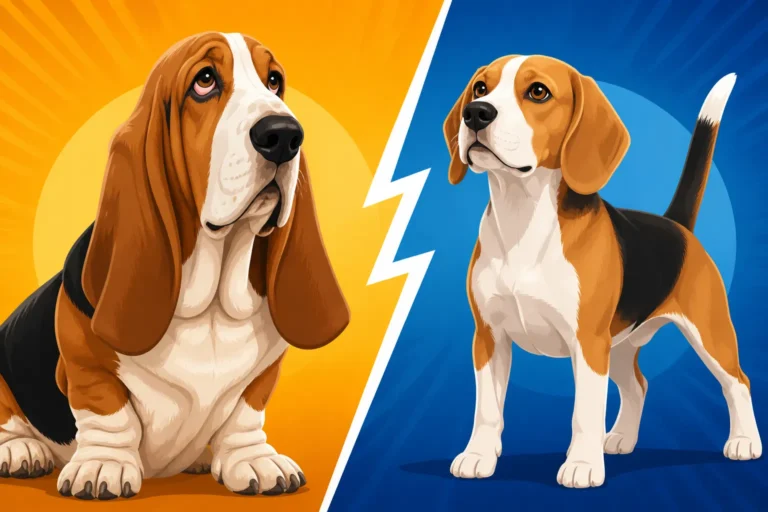
Consider a Beagle, another fantastic scent hound. While a Beagle is quick and agile, often used for rabbit hunting in dense brush, a Basset Hound's methodical pace and unique physical attributes make them exceptional at tracking cold trails. They don't just detect scent; they analyze it, breaking it down into its components and following the subtlest nuances. This specialized ability is why they are often thought of in the same breath as Bloodhounds, though, as we'll explore, there are distinctions. You might wonder How Good a Basset Hound's Nose Actually Is – it's truly remarkable. They process information from a trail in a way that allows them to differentiate individual scent particles, effectively creating a "scent picture" of who or what passed by, and when.
The Role of Genetics in Their Super Sniffer
The Basset Hound's exceptional nose is not an accident of nature; it's the result of centuries of selective breeding. Their ancestors, the "Abbey Hounds," were cultivated by monks, notably those associated with Saint Hubert, for their unparalleled tracking abilities. These hounds weren't bred for speed or showy retrieves, but for their ability to follow a scent relentlessly, allowing hunters on foot to keep pace. This dedication to olfactory excellence meant that dogs with the keenest noses and the most appropriate physical characteristics for ground-trailing were chosen for breeding.
This genetic legacy means that every Basset Hound carries the blueprint for this incredible sensory skill. While individual dogs may vary slightly in their drive or aptitude, the fundamental wiring for a superior sense of smell is deeply ingrained. This also means that, as an owner, you're not just getting a pet; you're adopting a highly specialized animal whose primary instinct is to sniff. Understanding this genetic predisposition is crucial for managing their behavior and providing appropriate outlets for their natural talents. It’s not just a quirk; it’s who they are, woven into their very DNA.
The Bloodhound Benchmark: Why Basset Hounds Are Often Compared
When discussing dogs with an incredible sense of smell, two breeds almost always come up: the Bloodhound and the Basset Hound. While the Bloodhound often gets top billing for its legendary tracking abilities in missing person cases, the Basset Hound is consistently lauded as a close second. This comparison isn't just about scenting power; it's about shared history, similar physical traits, and the specialized ways both breeds use their noses.
Shared Ancestry and Divergent Paths
The connection between Basset Hounds and Bloodhounds isn't just anecdotal; it's rooted in history. Both breeds trace their lineage back to the hounds of Saint Hubert, specifically the large, black-and-tan St. Hubert Hounds, which were known for their phenomenal scenting capabilities. These ancient hounds, developed in medieval monasteries for tracking game and sometimes people, became the genetic foundation for many modern scent hound breeds. The Abbey Hounds a Basset Hound Descends From tells a fascinating story of this shared heritage.
Over centuries, however, selective breeding led to divergent paths. The Bloodhound retained its larger, more powerful build, suited for covering vast distances with impressive stamina, often used for trailing humans. The Basset Hound, on the other hand, was intentionally bred to be "bas" or "low" to the ground. French aristocratic hunters desired a hound they could follow on foot, a dog that would track slowly and meticulously through dense undergrowth without outrunning its human companions. This led to the exaggerated short legs and heavy bone structure we see today, all while preserving and even enhancing the incredible olfactory apparatus. Both breeds kept the deep muzzle, pendulous ears, and loose skin, all features that enhance scent detection, but their overall build adapted to different hunting styles.
Nuances in Scenting Style: Trail vs. Air Scenting
While both Basset Hounds and Bloodhounds are masters of scent, there are subtle differences in their preferred working style, often related to their physical design. Both are primarily "ground trailers" or "cold trailers," meaning they excel at following residual scent left on the ground long after the source has passed. This is distinct from "air scenting," where dogs pick up airborne scent particles.
The Basset Hound is the quintessential ground-hugger. Their extremely short legs and heavy body keep their nose almost glued to the earth. Their long, velvety ears are believed to sweep scent particles from the ground upwards towards their nostrils, effectively concentrating the scent. Whether a Basset Hound's Ears Sweep Scent Upward is a common question among owners, and the answer is that their physical design truly aids their ground-level work. Similarly, their ample dewlap and loose facial skin collect and hold scent molecules around their nose, creating a "scent trap" that enhances their ability to process faint odors. A Basset will often meticulously work a small area, circling, pausing, and resampling, extracting every bit of information from a trail.
Bloodhounds, while also ground trailers, often display a more expansive search pattern. Their slightly longer legs and incredible stamina allow them to cover more varied terrain and often "air scent" a little more readily, lifting their heads to catch airborne particles when a ground trail might be weak or intermittent. They can cover vast tracts of land, sometimes at a faster pace than a Basset, while still demonstrating unparalleled accuracy. Both are incredibly dedicated, but the Basset's low-slung design truly commits them to a meticulous, nose-to-the-ground investigation.
The Practical Implications for Owners
For the average Basset Hound owner, understanding this comparison isn't just about trivia; it has significant practical implications. If you’ve ever walked a Basset, you know that once their nose locks onto a scent, the rest of the world ceases to exist. This isn't stubbornness; it's instinct. Their brain is simply overwhelmed by the rich tapestry of olfactory information. This means that a reliable recall is an uphill battle, often an impossible one, when a compelling scent is present. Why a Basset Hound Ignores You on a Scent perfectly encapsulates this challenge.
Therefore, secure containment is non-negotiable. A Basset Hound should rarely, if ever, be off-leash in an unfenced area, regardless of how well-trained you believe them to be. Their nose will lead them away, potentially into danger. Fences need to be sturdy and regularly checked for escape routes, as a Basset's determination can be surprising. When out for walks, a strong harness and a secure leash are essential. Many owners use a long line in a safe, open area to allow some freedom to explore scents, but always under strict supervision. Understanding that their nose is their master helps an owner manage expectations and implement safety measures, preventing lost dogs and heartbreak.
More Than Just a Nose: The Supporting Cast of Scenting Organs
While the Basset Hound's nose rightly gets all the glory, it's crucial to understand that it doesn't work in isolation. The breed's entire physical conformation, from its distinctive ears to its loose skin and low-slung body, acts as a perfectly orchestrated symphony, all designed to maximize its scent-tracking capabilities. It's a holistic design, honed over centuries, that makes them such formidable scent hounds.
The Magnificent, Trailing Ears
Those long, pendulous ears, often reaching an astounding length, aren't just for show or hearing; they are integral tools in the Basset Hound's scenting arsenal. Imagine walking through a field and trying to smell something faint on the ground. Your nose might pick up some general odors, but the Basset's ears are literally designed to help. As the Basset walks with its head down, those sweeping ears, often dragging along the ground, gently stir up scent molecules from the earth. This action lifts the scent into the air, creating a micro-environment of concentrated odor directly in front of and around their nose.
Furthermore, the substantial surface area of the ears, combined with their velvety texture, can also collect and hold scent particles. It's like having two extra scent-gathering sponges that continuously funnel aromatic information towards their nostrils. This is particularly effective when working a "cold" trail, where scent is sparse and dissipated. The ears actively contribute to painting a clearer, richer scent picture for the Basset's incredible nose. It’s a classic example of form meeting function in a most elegant, if sometimes messy, way. You might have heard the question, Whether a Basset Hound's Ears Sweep Scent Upward, and indeed, they do, aiding their unparalleled sense of smell.
The Dewlap and Wrinkles: Scent Collectors Extraordinaire
Look at a Basset Hound's face, and you'll immediately notice the loose skin, the deep wrinkles around their muzzle, and that prominent fold of skin under their chin, known as the dewlap. These features are far more than mere cosmetic traits; they are functional components of their scenting apparatus. The loose skin and wrinkles on their face and around their muzzle create numerous folds and crevices that act as natural scent traps. As they move, especially with their nose to the ground, these folds collect and hold tiny scent particles, creating a localized scent bubble that their nose can continuously sample.
The dewlap, that generous fold of skin hanging beneath their neck, serves a similar purpose. It drags along the ground, just like the ears, picking up and retaining scent molecules. This not only keeps the scent close to their nose but also acts as a kind of scent "bank," holding odors that can be revisited and re-analyzed. It's almost as if they carry a small, personal cloud of the target scent with them as they track, making their job of deciphering a trail much easier. So, while these folds require a bit of extra cleaning to prevent skin issues, they are vital to the Basset Hound's incredible olfactory abilities. Don't underestimate Whether a Basset Hound's Dewlap Holds Scent – it's a key part of their tracking success.
The Power of Their Low Stance
It’s no secret that Basset Hounds are built low to the ground. This distinctive, almost exaggerated stature, characterized by short, heavy-boned legs and a long body, isn't just about making them unique; it's a deliberate design choice for optimal ground-scenting. By keeping their nose inches from the ground, they are perfectly positioned to follow scent trails that cling to the earth, undisturbed by wind or airborne distractions. Ground scent is often more stable and persistent than airborne scent, and the Basset's low carriage allows them to exploit this effectively.
This low stance also inherently slows them down. While other hounds might dash through a field, a Basset Hound moves with a deliberate, unhurried pace. This slowness is a tactical advantage for scent work, allowing them to methodically analyze every inch of a trail, processing the minute details of scent degradation and directionality. They aren't built for speed; they're built for precision and persistence. This low-rider design, combined with their heavy bone structure, also contributes to Why a Basset Hound Weighs as Much as a Labrador – a surprising fact for many given their short stature, but essential for their stability and deliberate tracking style. Their entire structure is a testament to their specialized role as an unwavering scent follower.
Living with a Nose-Driven Dog: Challenges and Joys
Bringing a Basset Hound into your life means embracing a unique set of challenges and joys that stem directly from their powerful, all-consuming sense of smell. It's not just a hobby for them; it's their entire worldview, and understanding this fundamental aspect of their being is key to a happy, harmonious life together. You'll quickly learn that their nose isn't just a part of them; it's the defining part.
The Irresistible Pull of a Scent Trail
Imagine trying to ignore the most captivating, delicious smell you've ever encountered. Now multiply that by a thousand. That's essentially what happens to a Basset Hound when their nose hits an interesting trail. Their olfactory system isn't just detecting a scent; it's telling them a story, a narrative of who, what, when, and where. This information is utterly compelling, almost hypnotic, and it overrides nearly all other stimuli. To a Basset, following that scent is the most important mission in the world, eclipsing your calls, your commands, and even the promise of a treat.
This intense focus means that walks can often feel less like a stroll and more like a guided tour of the local scent scene, dictated entirely by your Basset. They will drag you from one lamppost to another, meticulously investigating every blade of grass, every patch of sidewalk. This isn't naughtiness; it's instinct. It can be frustrating when you're on a schedule, or simply want a brisk walk, but remember, this is their joy. Providing opportunities for them to simply sniff, on a long line in a safe area or in a securely fenced yard, is crucial for their mental well-being. A bored Basset, especially one whose nose isn't given an outlet, can become a destructive or vocal Basset.
Training a Basset Hound When Its Nose Takes Over
Training a Basset Hound, especially on recall, requires an understanding that you're competing with a force of nature. Their innate drive to follow a scent means that conventional recall methods, effective for many breeds, often fall short. It's not that they're unintelligent; quite the opposite. They are highly intelligent, but their priorities are fundamentally different from ours. They're not being stubborn; they simply can't help themselves when a compelling scent presents itself. Whether a Basset Hound Chooses Not to Obey is a common question, and the answer is usually that their nose has made the choice for them.
Positive reinforcement, especially using high-value treats, is the most effective approach. Short, frequent training sessions are better than long, drawn-out ones, as their attention span can be fleeting when not engaged by a scent. Focus on building a strong bond and making you more interesting than the environment. Practice recall in a distraction-free environment first, then gradually introduce distractions. However, accept that an off-leash recall in an open, unfenced area with tempting scents might never be 100% reliable. Safety remains paramount, meaning leashes, long lines, and secure fencing are your best friends. Even simple commands like "stay" or "wait" can be challenged by a potent sniff, so be patient and consistent. Chewy offers a fantastic selection of high-value treats that can be a game-changer for Basset training sessions!
Managing the Basset's Distinctive Vocalizations
That deep, mournful bay is as characteristic of a Basset Hound as its long ears and short legs. It's not just a bark; it's a complex vocalization designed to alert other hounds and hunters to a discovered trail or to express profound emotional states. When a Basset Hound "strikes" a particularly strong scent, that bay can be incredibly loud and far-reaching. While charming in theory, in a residential neighborhood, it can quickly lead to noise complaints. Whether a Basset Hound Gets Its Owner a Noise Complaint is a very real concern for many prospective owners.
Bassets will also bay when lonely, bored, or sometimes just to express themselves. They are inherently pack animals and thrive on companionship, so leaving them alone for long periods without mental stimulation or company can lead to excessive baying or howling. Providing plenty of exercise, mental enrichment like scent games, and companionship can help manage their vocal tendencies. Training a "quiet" cue can be helpful, but it requires consistency and patience. Understanding why they bay – as a deep-seated instinct – helps you approach the issue with empathy rather than frustration. They aren't trying to annoy you; they're communicating in the way they're wired to.
Harnessing the Power: Engaging Your Basset Hound's Nose
Living with a Basset Hound means recognizing that their nose isn't just a part of their anatomy; it's their passion, their purpose, and their primary way of interacting with the world. To truly fulfill a Basset, you must provide regular, engaging outlets for this incredible sense of smell. Ignoring it would be like owning a Border Collie and never letting it herd anything – it simply wouldn't be a happy, well-adjusted dog.
Scent Work: A Natural Outlet for Their Instincts
Scent work, often called "nose work" or "tracking," is hands down one of the best activities you can do with your Basset Hound. It taps directly into their deepest instincts, providing immense mental stimulation and satisfaction. Unlike physical exercise, which can be limited by their short legs and unique build, scent work tires them out mentally in a profound way. After a good scenting session, a Basset Hound is often happily exhausted, content to curl up for a long nap. Whether Nose Work Tires a Basset Hound Out is a definite yes!
There are various ways to engage in scent work:
- Tracking: This involves teaching your Basset to follow a specific human scent trail laid across a field. You can join local tracking clubs or even just practice in your backyard.
- Nose Work/Scent Detection: This sport teaches dogs to identify and locate specific target odors (like birch, anise, or clove) hidden in boxes, rooms, or outdoor areas. It's like a canine detective game, and Bassets absolutely excel at it because it requires meticulous, focused sniffing.
- Barn Hunt: This fun activity involves finding rats (safely enclosed in aerated tubes) hidden among bales of straw. It combines scenting with a bit of agility and problem-solving, perfectly suiting a Basset's natural drives.
These activities not only fulfill their innate need to use their nose but also strengthen your bond, build their confidence, and provide a fantastic mental workout that can reduce boredom-related behaviors. Many Basset Hounds thrive in these environments, proving that they are far from being merely "lazy" dogs.
Enriching Daily Life with Nose Games
You don't need to join a formal club to incorporate scent work into your Basset Hound's daily routine. Simple nose games at home can provide significant enrichment. These games are fantastic for rainy days, for puppies, or for older Bassets who can't be as physically active.
Here are a few ideas:
- Snuffle Mats: These mats, often found at pet stores like Chewy, have fabric strips where you can hide kibble or small treats. Your Basset has to use its nose to root around and find the food. It’s a great way to make mealtime more engaging.
- Hide and Seek: Hide treats around the house and encourage your Basset to find them. Start easy, then make it more challenging by hiding them in different rooms or under objects.
- Kibble Scatter: Instead of feeding all their meals in a bowl, scatter a portion of their kibble in the grass in your backyard. They'll spend a good 10-15 minutes using their nose to find every last piece. This is a simple yet highly effective form of enrichment.
- Cardboard Box Exploration: Take a few cardboard boxes, throw some treats inside, and maybe some crumpled paper or safe toys. Let your Basset explore and find the goodies. It's a treasure hunt for their nose!
These games are low-impact, easy to set up, and provide immense satisfaction for a Basset Hound. They allow them to engage their powerful sense of smell in a controlled, fun environment, reinforcing positive behaviors and keeping their brilliant minds sharp.
Mental Stimulation Beyond the Walk
While physical walks are important for a Basset Hound's overall health, they often aren't enough to satisfy their mental needs. A sniff-focused walk, where they are allowed to take their time and investigate scents, is far more enriching than a brisk heel. Think quality over quantity when it comes to their outdoor excursions. Let them dictate the pace and the stops.
Beyond walks and specific nose games, consider other forms of mental stimulation:
- Puzzle Toys: These toys require your Basset to solve a problem (like nudging a piece or lifting a lid) to get a treat. They engage their brain and often involve scent.
- Chew Toys: High-quality, durable chew toys can provide mental focus and help satisfy their natural urge to chew, especially if they are a [Basset Hound puppy that bites hard].
- Basic Obedience and Trick Training: Even though their attention can wander, short, positive training sessions can be mentally stimulating. Teaching them tricks or refining basic commands like "sit" or "down" can engage their brain in a different way.
The key is variety and consistency. By regularly engaging your Basset Hound's powerful nose and clever mind, you’ll not only have a happier dog but also one that is less likely to invent its own (often destructive) forms of entertainment. A fulfilled Basset is often a calm and content Basset, truly integrating into the family home while still honoring its ancient instincts.
The Future of the Basset Hound's Nose: Health and Preservation
The Basset Hound's nose is a gift, a testament to centuries of specialized breeding. However, this unique asset comes with its own set of responsibilities for owners and breeders alike. Ensuring the health and preservation of this remarkable trait means understanding potential issues and making informed choices for the future of the breed.
Maintaining Nasal Health and Hygiene
While the Basset's nose itself is robust, the surrounding structures and their low-to-the-ground lifestyle can sometimes lead to specific health considerations. Keeping their nasal passages clear and healthy is paramount.
- Allergies: Basset Hounds, like many breeds, can suffer from environmental or food allergies, which can manifest as nasal discharge, sneezing, or skin issues around the nose and face. Regular cleaning of facial folds and consulting your vet if you notice persistent symptoms is important. Whether a Basset Hound Gets Allergies is a common question, and unfortunately, it's a possibility.
- Foreign Objects: Because their nose is constantly to the ground, Bassets are susceptible to inhaling foreign objects like grass seeds, thorns, or small debris. Persistent pawing at the face, sneezing, or nasal discharge (especially from one nostril) could indicate an lodged object requiring veterinary attention.
- Fold Dermatitis: The deep wrinkles around their muzzle and face, while great for scenting, can trap moisture and debris, leading to bacterial or yeast infections if not cleaned regularly. Gently wiping these folds daily with a soft, damp cloth and ensuring they are dry can prevent problems. Whether a Basset Hound's Skin Folds Need Cleaning is a definite yes for proactive health.
- Dental Health: Poor dental health can sometimes affect the nasal passages if an infection in the upper jaw teeth spreads. Regular dental check-ups and at-home dental care are crucial.
Proactive care and vigilance are key. A healthy nose is a happy Basset. If you notice any unusual discharge, excessive sneezing, or changes in their sniffing behavior, a vet visit is always a good idea.
Breeding for Function and Form
For breeders, the Basset Hound's nose represents the very essence of the breed's purpose. Responsible breeding practices aim to preserve and enhance this phenomenal scenting ability while also prioritizing overall health and conformation. This means selecting breeding stock that demonstrates excellent scenting drive and ability, combined with a sound structure that allows them to perform their work without undue strain.
The goal isn't just to produce a dog with a "good" nose, but a dog whose entire body is harmonious and supports that nose effectively. This includes considering the length and set of the ears, the amount and placement of loose skin, and the overall body structure, ensuring these traits continue to aid in scent detection without leading to exaggerated features that compromise welfare. Ethical breeders will also screen for common health issues that can affect Bassets, ensuring that future generations are not only excellent sniffers but also healthy, robust companions. This balance of function, form, and health is vital for the long-term well-being and integrity of the breed. The Health Tests a Basset Hound Breeder Should Run offers more insight into responsible breeding.
Celebrating the Basset's Unique Trait
Ultimately, living with a Basset Hound is a journey of appreciation for one of nature's most extraordinary senses. Their nose is not just a tool; it's a window into their world, a connection to their heritage, and a source of endless joy for them. As owners, our role is to understand, respect, and celebrate this unique trait.
By providing appropriate outlets for their scenting instincts through games, training, and enrichment, we allow our Bassets to live full, satisfied lives. We learn to appreciate their deliberate pace on walks, understanding that they are not dawdling but meticulously gathering information. We embrace their distinct bay as a natural expression of their being, even as we manage it responsibly. The Basset Hound's nose is a marvel, placing them among the elite scenting dogs in the world, just a breath behind the Bloodhound. It’s a privilege to share our lives with such a specialized and charming companion, whose entire world is literally at the tip of their magnificent nose.
Disclaimer
This article is for general informational purposes only and does not constitute professional advice. Laws, prices and regulations vary by location and change over time. Consult a qualified professional for guidance on your specific situation.