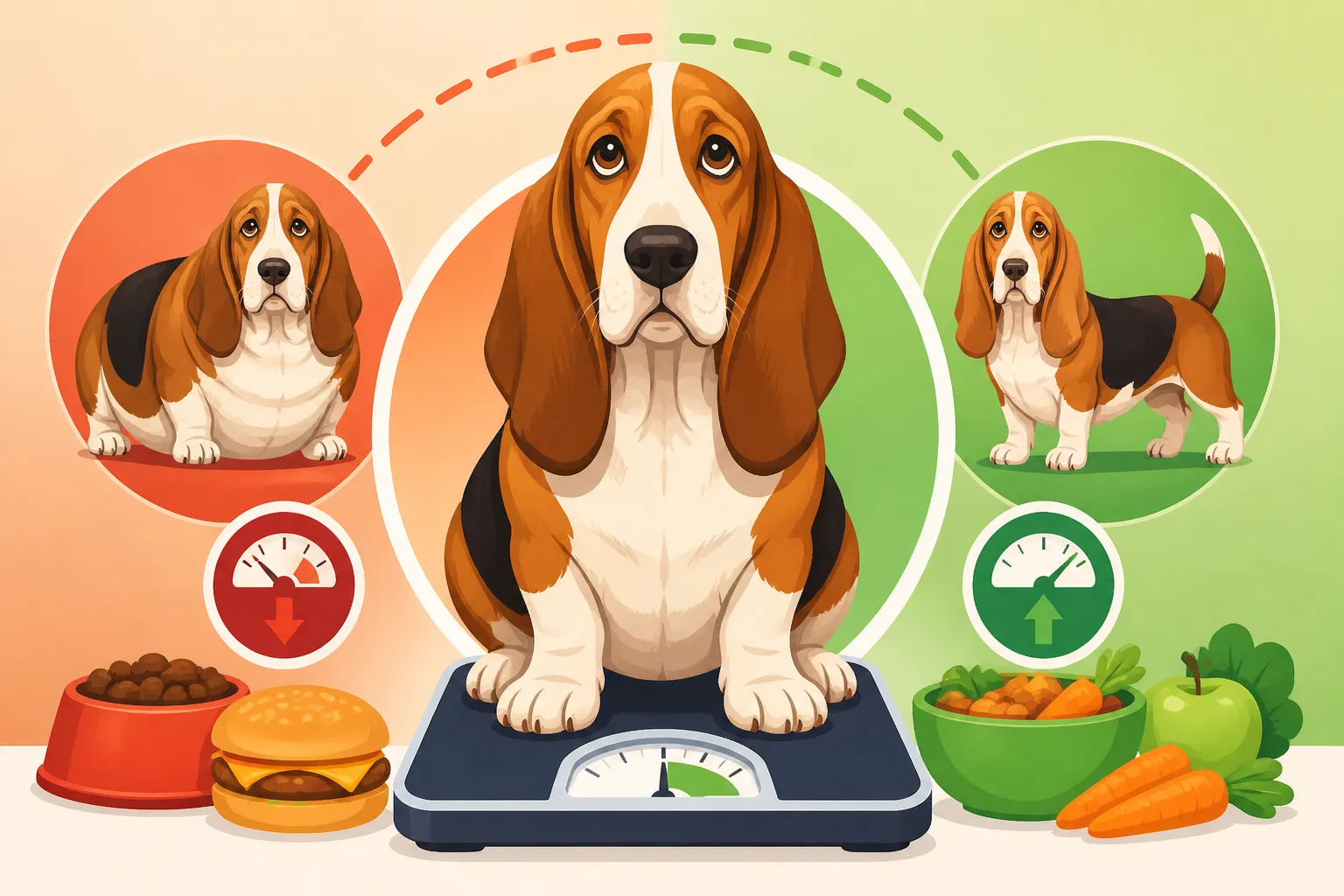
Keeping a Basset Hound at Its Correct Weight
It’s a common frustration for Basset Hound owners: you look at your beloved companion, with their distinctive long body and short legs, and wonder if they’re just built that way or if those extra pounds are actually creeping on. It’s incredibly easy to misjudge a Basset Hound’s healthy weight, and unfortunately, carrying too much can lead to a host of painful and debilitating health problems, significantly impacting their quality of life. This guide is here to walk you through exactly how to determine, achieve, and maintain your Basset Hound’s correct weight, ensuring they can enjoy every sniff and waddle to the fullest.
Understanding the Basset Hound's Unique Build and Weight Challenges
Basset Hounds are charming, lovable dogs, but their unique physique can be a bit misleading when it comes to assessing their weight. They aren't built like your average svelte sighthound, and that's precisely where the confusion often begins for even the most devoted owners. It's not uncommon for people to think a Basset is "just big-boned" or "supposed to be chunky," but this misconception can pave the way for serious health issues down the line.
Why Their Appearance Can Be Deceiving
Their long, heavy bodies, short legs, and abundant loose skin, especially around the neck (the dewlap) and across their chest, often make it hard to see their true body shape. You can't just glance at a Basset Hound and tell if they're carrying too much weight like you might with a more athletic-looking breed. The skin folds can hide a burgeoning waistline, and their low-slung posture means their belly might seem closer to the ground than it actually is, making it difficult to gauge their tuck-up. This is why visual cues alone are rarely sufficient for a Basset. We’re used to looking for a defined waist and prominent ribs in other breeds, but with a Basset, these signs are much more subtle and require a hands-on approach.
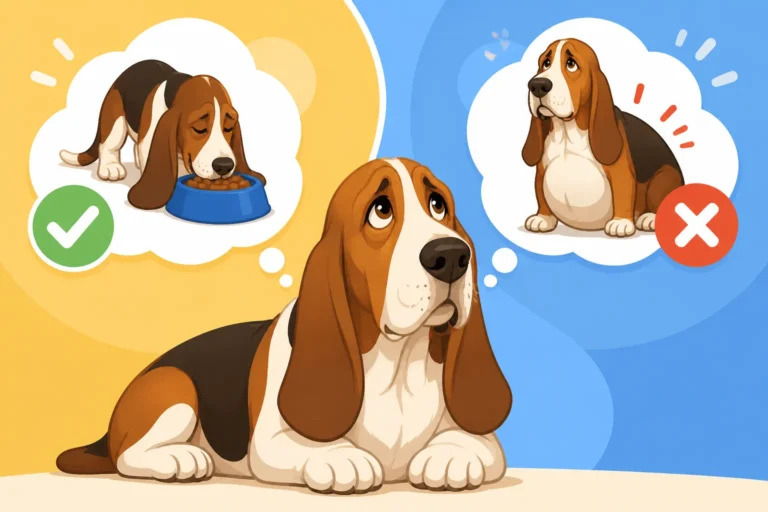
Many owners find themselves asking, "Whether a Basset Hound Is Fat or Just Built That Way" precisely because their breed standard celebrates a heavy bone structure and a substantial appearance. However, "substantial" doesn't mean "overweight." It means a dog with solid muscle and bone, not a padding of fat. The difference is critical for their long-term well-being. A common mistake is to interpret the breed's natural robustness as an excuse for excess weight, which truly does a disservice to these wonderful dogs and sets them up for discomfort and disease.
The Health Risks of Extra Weight for Basset Hounds
The consequences of allowing a Basset Hound to carry extra weight are far-reaching and often painful. Their very structure, which makes them so endearing, also makes them highly susceptible to complications when burdened by obesity. The added strain on their already distinctive skeletal system can exacerbate existing predispositions. You see, "What Extra Weight Does to a Basset Hound" isn't just about them looking a bit rounder; it's about a cascade of potential health crises.
One of the most significant concerns is the impact on their joints and spine. Basset Hounds are prone to issues like The Back Trouble a Basset Hound Is Built Into, including intervertebral disc disease (IVDD), and conditions like Elbow Dysplasia in a Basset Hound. Every extra pound places immense pressure on these vulnerable areas, speeding up degeneration and increasing the likelihood of painful flare-ups or even paralysis. Imagine carrying a heavy backpack all day, every day – that's what it's like for an overweight Basset Hound. This constant strain is why "Why a Heavy Basset Hound Breaks Down Faster" isn't just a theory, but a sad reality for many.
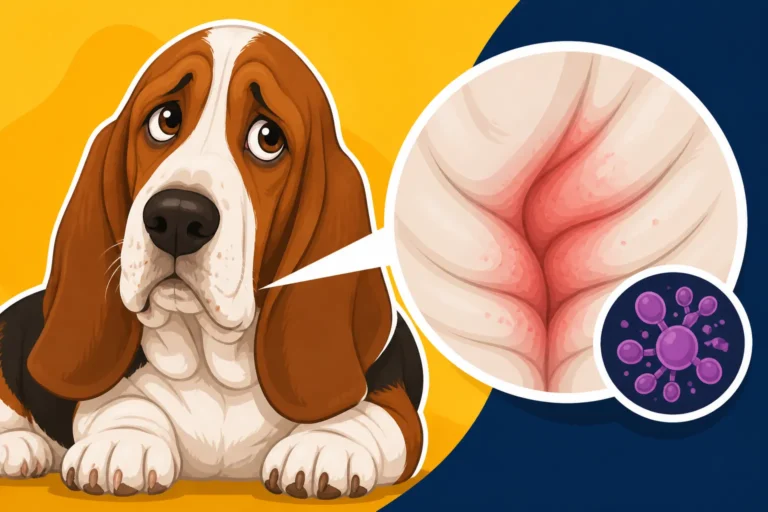
Beyond orthopedic issues, obesity contributes to a myriad of other health problems. Overweight Basset Hounds are at a higher risk for conditions like Arthritis in a Basset Hound at Seven, heart disease, respiratory difficulties, diabetes mellitus, and even certain types of cancer. Their skin folds, already prone to issues, can become more inflamed and infected when weight gain exacerbates creasing and moisture retention. And let's not forget the sheer discomfort: an overweight Basset will have less energy, be less willing to play, and generally have a diminished quality of life. In fact, studies consistently show that "Whether an Overweight Basset Hound Lives Shorter" is often true, with healthy weight dogs living noticeably longer, more active lives.
How to Accurately Assess Your Basset Hound's Weight
Because a Basset Hound’s unique conformation can hide weight gain so effectively, relying solely on visual cues or even the number on the scale isn't enough. You need to become proficient in hands-on assessment and understand how to interpret your findings in the context of their breed. This is where the Body Condition Score (BCS) comes into play, a far more reliable method than simply looking or weighing.
The Rib Test and Body Condition Scoring
The "rib test" is one of the most practical and crucial methods for assessing your Basset Hound's condition. You should be able to easily feel, but not necessarily see, their ribs when you run your hands along their sides. This means feeling individual ribs without having to press hard through a layer of fat. If you have to dig your fingers in to feel them, your Basset is likely overweight. Conversely, if the ribs are clearly visible or feel very sharp, they might be underweight, though this is less common for the breed.
This concept is part of a larger system called Body Condition Scoring (BCS), which veterinarians use. It typically uses a 9-point scale, where 1 is emaciated, 5 is ideal, and 9 is morbidly obese. For a Basset Hound, an ideal BCS of 4 or 5 means:
- Ribs: Easily palpable without excess fat covering. You should be able to count them with gentle pressure.
- Waist: While not dramatically tucked like a Greyhound, a Basset should still have a discernible waist when viewed from above, just behind the ribs. This might be subtle due to their barrel chest and long back, but it should be there.
- Abdominal Tuck: When viewed from the side, the abdomen should tuck up slightly, rather than hanging low or bulging. Again, this will be less pronounced than in other breeds, but it shouldn't be a straight line from chest to tail or droop.
- Spine: You should be able to feel the bony prominences of the spine with moderate pressure, but they shouldn't be sharp or visible.
Practicing "Feeling for a Basset Hound's Ribs Under Loose Skin" regularly will help you become attuned to their ideal physique. Don't be shy; get your hands on them and truly feel what's under that lovely, loose skin. It's the most effective way to monitor their condition between vet visits.
| Body Condition Score (BCS) | Description (General) | Basset Hound Specifics |
|---|---|---|
| 1 (Emaciated) | Ribs, spine, pelvic bones easily visible from a distance. | Very rare; ribs/spine/pelvis extremely prominent, little to no muscle or fat. |
| 2 (Very Thin) | Ribs, spine, pelvic bones easily visible. Minimal fat. | Ribs easily visible, minimal muscle mass. Abdominal tuck very pronounced. |
| 3 (Thin) | Ribs easily palpable and may be visible. Minimal fat. | Ribs easily felt, slight visible waist/tuck (more pronounced than ideal). |
| 4 (Underweight Ideal) | Ribs easily palpable with minimal fat covering. Obvious waist. | Ribs very easily palpable, may see a faint outline. Clear abdominal tuck and subtle waist despite loose skin. |
| 5 (Ideal) | Ribs easily palpable, smooth fat covering. Visible waist. | Ribs easily felt with light pressure, no visible prominence. Subtle waist behind ribs, abdomen slightly tucked. Loose skin hides definition. |
| 6 (Overweight) | Ribs palpable with slight difficulty, fat covering them. | Ribs require more pressure to feel; waist disappears, abdomen less tucked. Loose skin looks fuller. |
| 7 (Heavy) | Ribs difficult to palpate. Obvious fat deposits. | Ribs hard to feel through significant fat layer; no waist, abdomen hangs or sags. |
| 8 (Obese) | Ribs very difficult to palpate. Extensive fat deposits. | Ribs impossible to feel; massive fat deposits on chest, back, and tail base. Abdomen distended. |
| 9 (Morbidly Obese) | Massive fat deposits, distended abdomen. | Extreme fat over entire body, mobility impaired. |
When to Trust the Scale (and When Not To)
The bathroom scale can be a helpful tool, but it's important to understand its limitations for a Basset Hound. A single number doesn't tell the whole story, especially given the natural variations in size and bone structure within the breed. For instance, "How Much a Basset Hound Should Weigh" is a question with a range, not a fixed answer. Generally, Basset Hounds can weigh anywhere from 40 to 60 pounds, but an individual dog's ideal weight depends on their specific height, gender, and overall frame. A tall, heavily boned male might be a healthy 65 pounds, while a smaller female might be overweight at 50 pounds.
Where the scale is invaluable is in tracking trends. Once your vet has helped you establish an ideal weight range for your specific Basset, regular weigh-ins (perhaps monthly or bi-weekly) can help you notice small gains before they become big problems. If you see a consistent upward trend, even if it's only a pound or two, it’s a signal to reassess their diet and exercise. Weighing your Basset Hound on a consistent schedule, using the same scale if possible, provides objective data that can complement your hands-on BCS assessments. It's a tool for monitoring, not the sole determinant of health.
Consulting Your Veterinarian for a Professional Opinion
Ultimately, your veterinarian is your best resource for accurately assessing your Basset Hound's weight and overall health. They have the expertise to combine visual assessment, palpation, and your dog's medical history to determine a precise target weight range. Don't hesitate to ask your vet to demonstrate how to perform the rib test and interpret BCS correctly for your Basset. They can offer invaluable insights specific to your dog's age, activity level, and any underlying health conditions.
Your vet can also discuss potential causes of weight gain, such as a slowing metabolism (especially if your "Whether a Neutered Basset Hound Gains Weight" query has yielded recent changes) or more serious issues like Signs a Basset Hound's Thyroid Has Failed. Early detection of conditions like hypothyroidism, which can cause weight gain despite a normal diet, is crucial. A vet visit can help rule out medical reasons for weight fluctuation and ensure you're addressing the root cause. Moreover, they can help you structure a safe and effective weight loss plan, considering any existing joint issues or other health concerns. Regular check-ups are also a good time to review your dog's diet and exercise regimen to ensure it remains appropriate as they age.
Crafting an Effective Diet Plan for Weight Management
Once you know your Basset Hound needs to shed a few pounds or simply maintain their current ideal weight, diet becomes your most powerful tool. It’s not just about feeding less; it’s about feeding smarter. Basset Hounds are notorious for their love of food – and their persistence in getting it – so managing their intake requires a structured approach and a strong will from their human companions.
Choosing the Right Food for Weight Control
Selecting the right food is paramount. For Basset Hounds needing to lose weight, a specifically formulated "weight control" or "light" dog food can make a significant difference. These foods are typically lower in calories and fat, higher in fiber to promote satiety, and often contain ingredients that support joint health, which is a major concern for Bassets. Don't just pick one off the shelf without research; look for reputable brands that have undergone feeding trials and have clear nutritional statements. You might find that "Whether a Weight Control Food Costs More for a Basset Hound" is true, but the investment in their health is priceless.
When transitioning to a new food, do so gradually over 7-10 days to avoid upsetting your Basset Hound's sensitive stomach. Mix increasing amounts of the new food with decreasing amounts of the old. Even if your Basset isn't overweight, choosing a high-quality, balanced diet that provides appropriate nutrients without excess calories is essential for prevention. Discussing food options with your vet is always a good idea, as they can recommend specific brands or formulations based on your dog's individual needs and health status. Some Bassets might even benefit from prescription weight-loss diets if their obesity is severe or they have concurrent medical conditions.
Portion Control and Feeding Schedules
This is where many owners unintentionally go wrong, and it’s a constant battle with a breed that always seems hungry. Free-feeding, where food is left out all day, is a recipe for disaster for a Basset Hound prone to "Feeding a Basset Hound That Would Eat Forever." Instead, strict portion control is non-negotiable. Measure out your dog's food precisely using a kitchen scale or a dedicated measuring cup, rather than just "eyeballing it." Even a small handful extra each day can add up to significant weight gain over time.
Divide their total daily caloric intake into two, or even three, smaller meals. This helps manage hunger, keeps their metabolism more stable, and can reduce the risk of digestive issues. Remember, "How Much an Adult Basset Hound Eats Daily" is a crucial question to answer, but always base it on the target weight, not their current weight. The feeding guidelines on dog food bags are just starting points; they often recommend more calories than a less active or already overweight dog truly needs. Your vet can calculate a more precise caloric intake for weight loss or maintenance, which is far more accurate than generic recommendations.
Navigating Treats and Supplements Responsibly
Treats are often where extra calories sneak into a Basset Hound's diet. It's tough to resist those pleading eyes and that mournful bay, but indiscriminate treat-giving can quickly derail any weight management efforts. This doesn't mean you can never give treats! It means being smart about it. Choose low-calorie, healthy options like small pieces of cooked lean chicken, carrots, green beans, or specially formulated low-calorie dog treats. Consider making treats "Which Treats Suit a Basset Hound on a Diet" a specific search.
Crucially, any treats given should be accounted for in their daily caloric intake. If your Basset gets treats, reduce their main meal portion slightly to compensate. Many owners use a portion of their dog's daily kibble as training rewards throughout the day, which works wonderfully. As for supplements, while some joint supplements can be beneficial for Bassets (especially as they age or if they have existing joint issues), always discuss them with your vet first. Remember, supplements can also add calories, so they need to be factored into the overall diet plan. For long-term health, ensuring any supplement use is vet-approved is a sensible strategy, and some owners opt for pet insurance providers like Healthy Paws to help manage costs associated with conditions that might require such supportive care.
Implementing a Safe and Consistent Exercise Routine
Diet is vital, but exercise is the other half of the weight management equation. However, with a Basset Hound, you can’t just throw them into a vigorous running program. Their unique body structure and potential joint issues require a thoughtful, careful approach to physical activity. The goal is consistent, low-impact movement that helps burn calories without causing harm.
Tailoring Activity Levels to Your Basset Hound's Capabilities
Basset Hounds aren't natural athletes in the same way a Border Collie or a Labrador might be. Their short legs, long backs, and heavy bone structure mean they aren't built for high-impact activities, extensive jumping, or long-distance running. Instead, they thrive on moderate, consistent exercise. Daily walks are your best friend here. Aim for two to three shorter walks (20-30 minutes each) rather than one very long, exhausting one. The key is "Getting Weight Off a Basset Hound That Will Not Exercise" which often requires patience and consistency, even if your Basset is initially reluctant.
Activities like leisurely strolls in a park where they can follow interesting scents are perfect for a Basset's body and mind. Remember, their powerful nose means even a slow walk can be mentally stimulating. If your Basset is significantly overweight or has known joint issues, start with very short, slow walks and gradually increase the duration and pace as their stamina and strength improve. Swimming can also be an excellent low-impact exercise if your Basset enjoys it, as it supports their joints while providing a good workout. Always consult your vet before starting a new exercise regimen, especially if your dog has any pre-existing conditions.
Creative Ways to Encourage Movement
Sometimes, just a leash walk isn't enough to get a Basset Hound moving, especially if they’re particularly fond of napping. This is where you need to get creative! Engage their incredible sense of smell. Scent work games, where you hide treats (again, count them in their daily allowance!) around the house or yard and let them sniff them out, are fantastic for mental and physical stimulation. A snuffle mat can turn mealtime into a fun foraging exercise, making them "work" for their food instead of gulping it down in seconds.
Consider using puzzle feeders for part of their meals. These encourage them to move and problem-solve to get their kibble, slowing down eating and increasing activity. Playtime with sturdy toys can also encourage movement. A game of gentle fetch (no high jumps, please!) or simply waddling after a rolling ball can add some extra steps to their day. Even scattering a portion of their kibble in the yard can turn a meal into a fun, low-impact hunt. The goal is to make exercise enjoyable and engaging, rather than a chore, leveraging their natural instincts to get them moving without putting undue strain on their bodies.
Preventing Injury During Exercise
With their unique build, preventing injury is paramount when exercising a Basset Hound. Their long backs are susceptible to injury, so avoid activities that involve jumping, twisting, or repetitive stair climbing. This includes rough play with other dogs that might involve body slams or awkward landings. When taking them on walks, ensure they're wearing a comfortable harness that distributes pressure evenly across their chest, rather than pulling on their neck. This helps prevent strain on their spine and trachea.
Always be mindful of the weather. Basset Hounds can overheat quickly in warm weather due to their thick coats and low stature, and their low bellies can get chilled or wet in cold, snowy conditions. Adjust walk times to cooler parts of the day in summer, and consider a coat in winter. After exercise, always check their paw pads for any cuts or irritation. If your Basset shows any signs of lameness, pain, or reluctance to move, stop the activity immediately and consult your veterinarian. Preventing injury means being proactive and observant, ensuring that exercise always supports their health rather than jeopardizing it. Pet insurance from providers like Healthy Paws can be a real lifeline for managing unexpected costs should an injury occur, ensuring you can always provide the best care without financial stress.
Overcoming Common Obstacles to Weight Loss
It’s easy to feel defeated when your Basset Hound seems to be a black hole for food, or when weight just doesn't seem to budge. Many owners face similar hurdles, and understanding how to tackle them proactively can make all the difference in your success. Remember, consistency and patience are your best allies.
Dealing with Begging and Food Stealing
Basset Hounds are masters of manipulation when it comes to food. Their mournful eyes, their dramatic sighs, and their low, rumbling bays can melt the strongest of wills. This begging can lead to accidental overfeeding or giving in to unhealthy snacks. The key is consistency from everyone in the household. If one person gives in, the begging behavior is reinforced. Establish clear rules: no human food, no feeding from the table, and all treats come from their measured daily allowance.
To combat begging, redirect their attention. If they start to beg while you're eating, give them a safe chew toy or send them to their bed. Engage them in a short training session for a healthy treat. Sometimes, a Basset Hound will raid trash cans or counter surf. This requires prevention: secure all food in airtight containers, use dog-proof trash cans, and never leave food unattended on counters or low tables. Teaching a "Whether a Basset Hound Can Be Taught to Leave It" command can be incredibly useful in these situations. Remember, it's not about being mean; it's about setting boundaries for their health.
Addressing Medical Conditions Affecting Weight
Sometimes, despite your best efforts with diet and exercise, a Basset Hound struggles to lose weight or even gains it. This is a critical time to consult your veterinarian, as underlying medical conditions could be at play. We touched on Signs a Basset Hound's Thyroid Has Failed earlier, and hypothyroidism is a common culprit for unexplained weight gain in dogs. This condition slows metabolism, making weight loss incredibly difficult without medication.
Other conditions, like Cushing's disease or certain heart conditions, can also impact weight and metabolism. Additionally, an overweight Basset Hound is at a higher risk for developing Whether a Basset Hound Gets Diabetes, which then complicates weight management further. If your vet suspects an underlying medical issue, they may recommend blood tests or other diagnostics. Addressing these conditions is crucial, as successful weight management often depends on treating the root cause. This is another area where having comprehensive pet insurance from a company like Healthy Paws can provide peace of mind, covering diagnostics and long-term medication for chronic conditions that impact weight.
Staying Motivated and Consistent
The journey to a healthy weight for your Basset Hound is often a marathon, not a sprint. It takes dedication, consistency, and a good dose of patience. It can be disheartening when progress seems slow, or when you hit a plateau. To stay motivated, focus on small victories. Acknowledge when your Basset Hound looks a little leaner, has more energy, or shows improved mobility.
Keep a log of their weight, food intake, and exercise. Seeing the data can be incredibly encouraging. Celebrate milestones, not with extra treats, but with extra playtime, a new squeaky toy, or an extended sniffing walk in a new location. Remember why you started this journey: for your Basset Hound's health, happiness, and longevity. The effort you put in now will pay dividends in a longer, more comfortable life for your beloved companion. In cases where significant lifestyle changes are needed or unexpected health issues arise, knowing that you have a supportive pet insurance plan, such as those offered by Healthy Paws, can remove a layer of stress, allowing you to focus purely on your Basset's well-being.
Disclaimer
Please note that the information provided in this article is for general educational purposes only and should not be considered a substitute for professional veterinary advice. Always consult with your veterinarian for any health concerns or before making any changes to your Basset Hound's diet, exercise, or medical care.