Whether a Basset Hound’s Eyes Should Be Screened Before Breeding
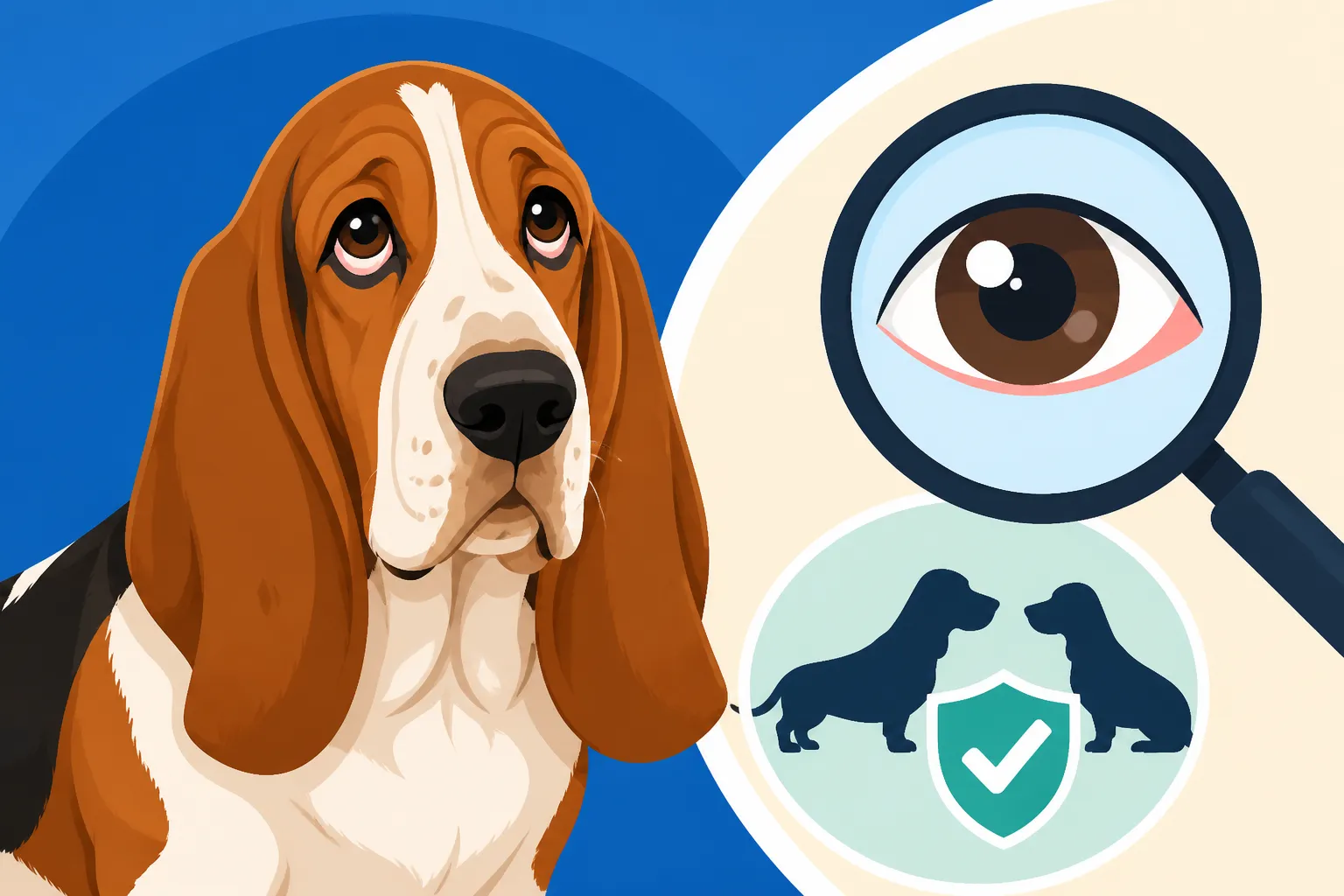
It's an unfortunate truth that when we fall in love with a Basset Hound's soulful eyes, we might not immediately think about the potential health challenges lurking behind those adorable droopy lids. For anyone considering breeding these wonderful dogs, one of the most pressing questions is whether a Basset Hound's eyes should be screened before breeding. The simple answer is an emphatic yes, and ignoring this crucial step can lead to heartbreaking and costly issues for future puppies and their unsuspecting families.
Understanding Common Basset Hound Eye Conditions
Basset Hounds are known for their distinctive appearance, and those long, low-set ears and wonderfully expressive eyes are a huge part of their charm. However, these very features can predispose them to a range of eye conditions, many of which are hereditary. Understanding these potential issues is the first step toward responsible breeding.
Glaucoma: The Silent Threat
Glaucoma is a truly devastating eye condition where pressure builds up inside the eye, damaging the optic nerve and leading to pain and eventual blindness. In Basset Hounds, primary open-angle glaucoma is a significant concern because it's often inherited. It can develop gradually, making it difficult for an owner to notice the early signs, but once the pressure spikes, it becomes an emergency. Imagine the pain your beloved Basset would endure, or the crushing disappointment for a new puppy owner whose young dog starts losing its vision.
This isn't just a minor inconvenience; it's a condition that can steal a dog's sight and quality of life. Owners often grapple with the emotional toll and significant veterinary expenses associated with managing or treating glaucoma. Early screening is the only way to identify carriers or affected dogs before they pass this painful legacy onto the next generation. We often discuss The Glaucoma a Basset Hound Inherits as one of the breed's major health hurdles, underscoring the genetic component.
Ectropion and Entropion: The Eyelid Woes
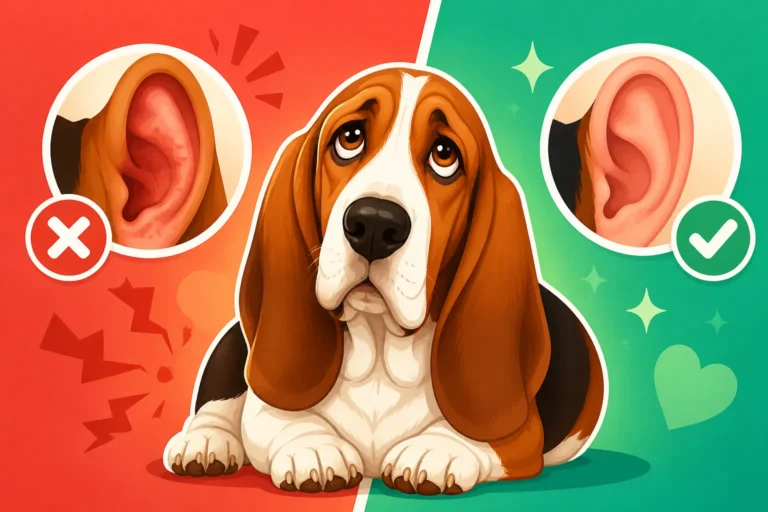
Basset Hounds famously have loose skin, especially around their faces, which contributes to their endearing, sorrowful expression. While charming, this loose skin can lead to problems with their eyelids. Ectropion is a condition where the lower eyelid rolls outward, exposing the delicate conjunctiva and leaving the eye vulnerable to dryness, irritation, and foreign bodies. Think of constant red eyes, discharge, and discomfort – not a pleasant daily experience for a dog.
Conversely, entropion is when the eyelid rolls inward, causing the eyelashes and fur to rub against the cornea. This friction is incredibly painful and can lead to corneal ulcers, infections, and even scarring that impairs vision. Both conditions, though often correctable with surgery, can be passed down. It's a common concern when people ask Whether a Basset Hound's Droopy Eyelids Cause Trouble because these anatomical quirks are often admired but carry inherent risks.
Cherry Eye: A Frightening Appearance
Though perhaps less painful than glaucoma or severe entropion, "cherry eye" is still a distressing condition for both the Basset Hound and its owner. This occurs when the gland of the third eyelid prolapses, appearing as a red, fleshy mass in the inner corner of the eye. It looks quite alarming, like a small red cherry, hence the name. While it might not be overtly painful in its early stages, it can cause chronic irritation, interfere with tear production, and is unsightly.
Genetics play a role in cherry eye, and while it's often treated with surgery to reposition the gland, it's a clear indicator of a predisposition within a bloodline. Nobody wants to welcome a new puppy only to face surgery shortly after. Addressing concerns about Whether a Basset Hound Gets Cherry Eye highlights the importance of checking for this condition as part of a comprehensive pre-breeding examination.
The Importance of Pre-Breeding Eye Screening
Given the prevalence of these hereditary eye conditions, it becomes abundantly clear why eye screening before breeding isn't just recommended, it's essential. Responsible breeders aren't just selling puppies; they're committing to the long-term health and well-being of a bloodline and the families who will love those dogs.
Preventing Inherited Diseases
The primary reason for screening is to break the chain of inherited diseases. If a Basset Hound carries the genes for glaucoma, entropion, or cherry eye, there's a significant chance it will pass those genes to its offspring. Each time an affected dog or a carrier is bred, the risk multiplies, perpetuating a cycle of suffering. For instance, Whether Glaucoma Runs in Basset Hound Lines is a critical question, and screening is the answer to understanding a dog's genetic contribution.
By screening prospective breeding dogs, breeders can make informed decisions. If a dog is identified with a significant hereditary eye condition, it should be removed from the breeding program. This isn't a judgment on the individual dog, which can still live a wonderful life as a cherished pet, but a vital step in protecting the breed as a whole. It ensures that the puppies produced have the best possible start in life, free from preventable genetic burdens.
Ethical Breeding Practices
Ethical breeding goes far beyond simply pairing two dogs. It involves a deep understanding of genetics, breed standards, and a commitment to health. Eye screening is a cornerstone of this ethical approach. A breeder who foregoes eye screening might be inadvertently contributing to widespread health problems within the breed, leading to more discomfort for dogs and greater financial strain for owners down the line. Insurance providers like Healthy Paws, for example, often see claims for these types of conditions because they are so common, which underscores the financial burden on pet parents.
An ethical breeder prioritizes health over aesthetics or convenience. They invest the time and money in comprehensive health clearances, including thorough eye exams, to ensure they are producing healthy puppies. This transparency also builds trust with prospective buyers, who can be confident they are getting a puppy from a breeder who truly cares. It reflects a dedication to improving the breed rather than just increasing numbers.
The Role of a Board-Certified Veterinary Ophthalmologist
While your regular veterinarian can perform a basic eye check, specific hereditary eye conditions often require the expertise of a board-certified veterinary ophthalmologist. These specialists have advanced training and equipment to detect subtle signs of disease that a general practitioner might miss. They are also familiar with the specific genetic predispositions of breeds like the Basset Hound.
An ophthalmologist can perform specialized tests that provide a much clearer picture of a dog's ocular health and genetic risk. Relying solely on a general vet for breeding clearance in a breed prone to eye issues is like asking a family doctor to perform complex brain surgery – it's just not their area of specialized expertise. Consulting with a specialist is a hallmark of truly responsible breeding and offers the most accurate assessment.
The Screening Process: What to Expect
If you're considering breeding your Basset Hound, knowing what the eye screening process entails can demystify the experience and help you prepare. It's not a complicated or invasive procedure, but it does require a specialist.
Ocular Health Examination
The first step is a comprehensive ocular health examination, often referred to as a "CERF exam" (though the OFA CAER program is now the standard in the US). A board-certified veterinary ophthalmologist will meticulously examine all parts of your Basset Hound's eyes. This includes checking the eyelids for conditions like Whether a Basset Hound Gets Entropion or Whether a Basset Hound Gets Ectropion, inspecting the conjunctiva, cornea, lens, retina, and optic nerve. They'll use special instruments, often in a darkened room, to get a clear view of these structures.
They might use dilating drops to get a better look at the back of the eye, which can make your Basset's pupils large and sensitive to light for a few hours afterward. The ophthalmologist is looking for any abnormalities, signs of inflammation, cataracts, or other structural issues that could impact vision or be passed on. This hands-on, detailed examination is fundamental to the screening process.
Gonioscopy and Tonometry
Beyond the general examination, two specific tests are critical for Basset Hounds due to their glaucoma risk: gonioscopy and tonometry.
- Tonometry: This test measures the intraocular pressure (IOP) within the eye. High pressure is the hallmark of glaucoma. The ophthalmologist will use a special instrument, often a Tono-Pen, to gently touch the surface of the eye after applying a numbing drop. It's quick, painless, and provides immediate results. This is similar to what happens when you get A Basset Hound's Eye Pressure Check Costs during a routine check-up, but in this context, it's specifically for breeding clearance. Regular checks are also recommended; for example, Whether a Basset Hound Needs a Yearly Eye Pressure Check is an important consideration for all Basset Hounds, not just breeding stock.
- Gonioscopy: This procedure allows the ophthalmologist to examine the drainage angle of the eye, where fluid normally exits. In breeds predisposed to open-angle glaucoma, this angle can be abnormally narrow or malformed, even if the eye pressure is currently normal. A special contact lens with mirrors (a goniolens) is placed on the eye (again, after numbing drops) to allow the vet to visualize this critical area. This helps assess the risk of future glaucoma development, which is crucial for breeders wondering Whether a Basset Hound Can Be Tested for Glaucoma.
These specialized tests are absolutely vital for assessing a Basset Hound's suitability for breeding, particularly concerning primary open-angle glaucoma. They provide data that a simple visual exam cannot.
Interpreting Results and Breeding Decisions
Once all the tests are complete, the ophthalmologist will provide a detailed report. This report will indicate whether the dog is clear of observable inherited eye diseases, whether it's affected, or if there are findings that may warrant caution or further investigation. These results are usually submitted to a central registry, like the Orthopedic Foundation for Animals (OFA) through their Companion Animal Eye Registry (CAER), allowing for public access and verification.
A "clear" result is, of course, ideal. If a dog is "affected" with a genetic eye condition, it should not be bred. If there are "equivocal" findings, the breeder might choose to consult with other specialists or retest at a later date, and often would not breed until a definitive "clear" status is achieved. Making responsible breeding decisions based on these results is paramount to maintaining the health and integrity of the Basset Hound breed.
Long-Term Implications for Basset Hounds and Their Owners
The decision to screen or not to screen has far-reaching consequences that extend beyond a single litter. It impacts the financial stability and emotional well-being of future owners, and the overall health trajectory of the Basset Hound breed.
Financial and Emotional Costs of Eye Disease
Imagine the joy of bringing home a bouncy Basset Hound puppy, only to find within a few years that it's developing painful glaucoma or needing multiple surgeries for cherry eye. The financial burden can be immense. Glaucoma management, for example, often involves daily eye drops for life, regular specialist visits, and potentially expensive surgeries such as What Glaucoma Surgery Costs a Basset Hound Owner if medical management fails. For cherry eye, What Cherry Eye Surgery Costs on a Basset Hound is another unplanned expense. These costs can quickly run into thousands of dollars, placing significant strain on a family's budget. This is where pet insurance, like plans offered by Healthy Paws, can be invaluable in helping cover unexpected veterinary costs, but prevention through screening is always the first line of defense.
Beyond the money, there's the emotional toll. Watching your beloved companion suffer, or seeing them lose their vision, is heartbreaking. The stress of constant vet appointments, administering medication, and adapting your home for a blind dog can be overwhelming. Responsible breeders help prevent this suffering, ensuring that their puppies and their future families can enjoy a lifetime of happy, healthy companionship.
Improving the Breed's Overall Health
When breeders collectively commit to eye screening, it makes a significant impact on the breed's overall health over time. By systematically identifying and removing affected individuals and carriers from the gene pool, the incidence of these debilitating conditions can be reduced. This isn't just about one dog; it's about the legacy of the entire Basset Hound breed.
This diligent approach helps preserve the breed's unique characteristics while simultaneously improving its quality of life. Future generations of Basset Hounds will be healthier, happier, and less prone to preventable suffering. It's a testament to the dedication of breeders who put the welfare of their dogs above all else. This broader commitment ties into larger discussions about The Health Tests a Basset Hound Breeder Should Run to ensure overall genetic health.
Supporting a Healthy Future
Ultimately, eye screening before breeding is an act of foresight and responsibility. It safeguards the health of individual Basset Hounds, reduces the financial and emotional burden on owners, and contributes to the long-term vitality of the breed. Prospective puppy buyers should always ask about health clearances, including eye screenings, for both parents. A reputable breeder will be transparent and proud to share these results.
Choosing a puppy from parents who have undergone thorough health screenings, including comprehensive eye exams by an ophthalmologist, is one of the best ways to ensure you're bringing home a healthy companion. Companies like Healthy Paws are there for when unexpected illnesses strike, but proactive steps by breeders are essential in minimizing those risks from the outset. Supporting breeders who make these efforts is how we ensure a healthy and happy future for Basset Hounds for generations to come.
Common Basset Hound Eye Conditions and Screening Methods
Here's a quick overview of the key eye conditions and how they're screened in Basset Hounds:
| Eye Condition | Description | Screening Method(s) | Hereditary? | Potential Impact |
|---|---|---|---|---|
| Glaucoma | Increased pressure inside the eye, damaging the optic nerve. | Tonometry (IOP measurement), Gonioscopy (drainage angle exam) | Yes | Pain, vision loss, irreversible blindness. |
| Ectropion | Lower eyelid rolls outward, exposing the conjunctiva. | Ocular Health Examination by Ophthalmologist | Yes | Dryness, irritation, increased risk of infection, discharge. |
| Entropion | Eyelid rolls inward, causing eyelashes/fur to rub the cornea. | Ocular Health Examination by Ophthalmologist | Yes | Pain, corneal ulcers, scarring, vision impairment. |
| Cherry Eye | Prolapse of the gland of the third eyelid. | Ocular Health Examination by Ophthalmologist (visible upon inspection) | Yes | Irritation, cosmetic issue, dryness if tear gland is affected. |
| Cataracts (juvenile) | Clouding of the lens, impairing vision. | Ocular Health Examination by Ophthalmologist (especially with dilated pupils) | Yes | Blurred vision, eventual blindness depending on severity. |
| Progressive Retinal Atrophy (PRA) | Degenerative disease of the retina leading to progressive vision loss. | Ocular Health Examination by Ophthalmologist (retinal exam), DNA testing (if available) | Yes | Night blindness progressing to total blindness. |
Disclaimer
Please remember that the information provided in this guide is intended for educational purposes only and should not be considered a substitute for professional veterinary advice. Always consult with a qualified veterinarian or a board-certified veterinary ophthalmologist regarding any health concerns or before making any breeding decisions for your Basset Hound.