What a Hunting Bred Basset Hound Costs
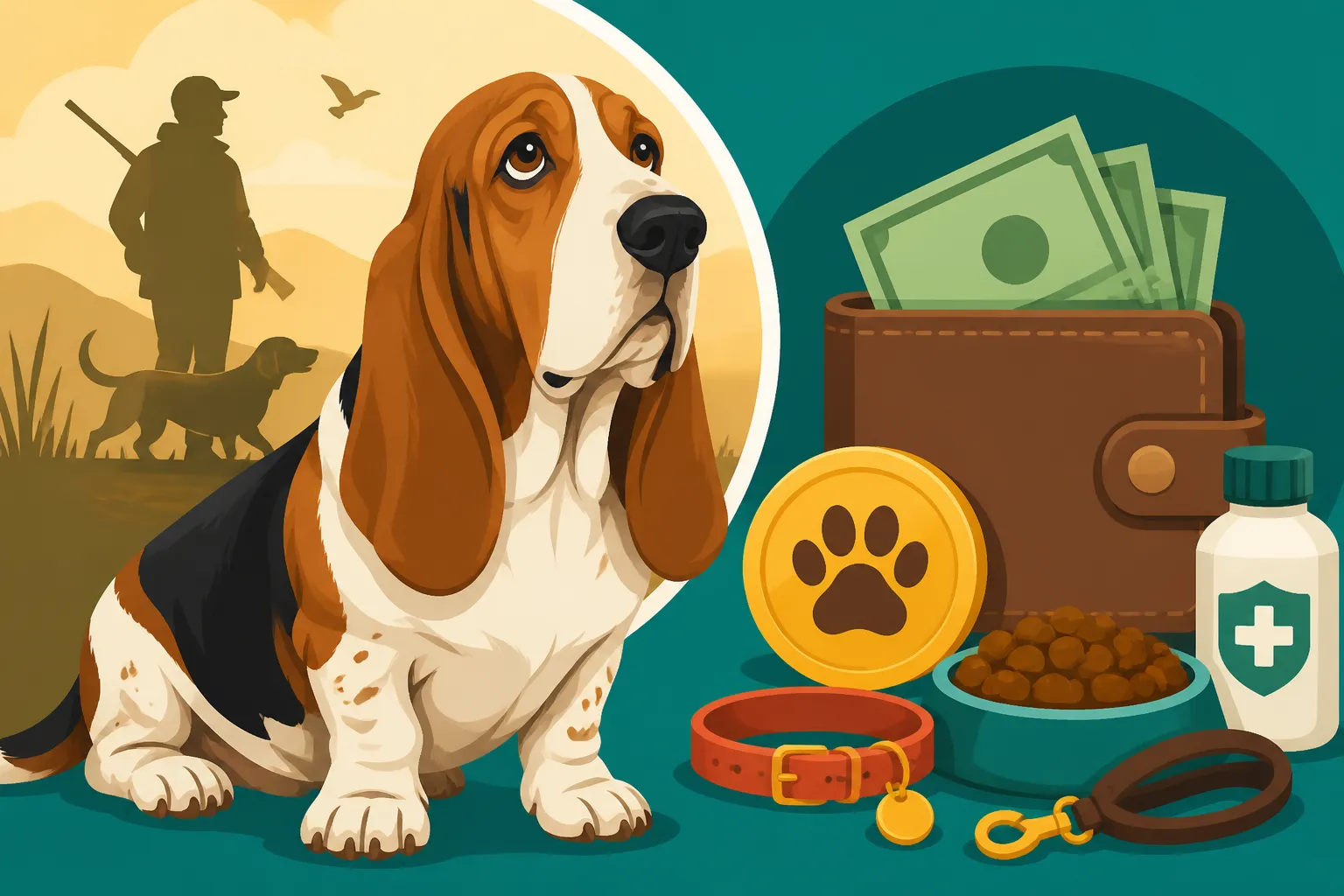
Bringing a Basset Hound into your life is an incredible joy, but many prospective owners are overwhelmed by the sheer variety of prices and the often-vague descriptions from breeders, especially when trying to understand the difference in cost for a dog bred for a specific purpose. It's truly frustrating to feel like you're navigating a minefield of unknowns when all you want is a clear picture of the financial commitment. This comprehensive guide will meticulously break down the actual costs associated with acquiring and raising a Basset Hound specifically bred for hunting, exploring everything from the initial purchase to the unique ongoing expenses that come with such a specialized companion.
Understanding the "Hunting Bred" Basset Hound Distinction
When you hear "hunting bred Basset Hound," it's not just a fancy label; it signifies a dog bred with a primary focus on working ability, scenting prowess, stamina, and specific physical traits that excel in the field. This isn't the same as a Basset whose lineage is purely for conformation shows or one bred primarily for the pet market where temperament and general health are prioritized over working drive. Understanding this distinction is key to comprehending the cost differences.
The Purposeful Breeding Philosophy
A breeder dedicated to hunting lines is typically selecting for traits that make a Basset an effective scent hound. This means valuing a keen nose, a strong prey drive, good stamina for long days tracking game, and a voice (or bay) that can be easily heard by hunters. Their breeding decisions aren't based on what looks best in the show ring, but on proven working ability. This focus can lead to different physical characteristics—sometimes a slightly lighter build, perhaps less exaggerated skin folds, and often a more intense, driven personality compared to their show-bred cousins. They are looking for dogs that do the job, not just look the part.
Key Traits Prioritized in Hunting Lines
For hunting Basset Hounds, traits like an exceptional nose are paramount. You'll find breeders emphasizing strong scenting capabilities, often backed by generations of proven trackers. Stamina is another huge one; these dogs need to be able to work for extended periods, covering varied terrain, without tiring quickly. This means breeders are carefully considering the health of their breeding stock, often with an eye towards robust joints and good cardiovascular health. The characteristic Basset bay is also highly valued, as it communicates the dog's location and progress to the hunter. While all Basset Hounds possess a formidable nose and a distinctive vocalization, the hunting lines amplify these traits for practical application in the field. Many hunters specifically look for dogs that come from lines where the dogs consistently demonstrate these abilities. If you’re curious about just how good their noses really are, you might want to read more on How Good a Basset Hound's Nose Actually Is.
The Initial Investment: Purchase Price of a Hunting Basset Puppy
The sticker price for a Basset Hound puppy can vary wildly, but a hunting bred Basset Hound often comes with its own unique pricing structure compared to a general pet or even a show-line puppy. This initial cost reflects the breeder's investment in proven working genetics, health testing, and the specialized care involved in raising such a specific type of dog.
Breeder Reputation and Working Pedigree
The more established and reputable the hunting kennel, and the more decorated the working titles in a puppy's pedigree, the higher the price tag will generally be. Breeders who consistently produce successful hunting dogs invest heavily in their breeding stock, which includes maintaining exceptional dogs, traveling for breeding, and proving their dogs in actual hunting scenarios or field trials. This isn't just about a piece of paper; it's about a track record of performance. When a breeder can show you videos of their dogs actively tracking or can point to specific achievements of the dam and sire, you're paying for that proven genetic potential. You might find some parallels when considering What a Show Bred Basset Hound Puppy Costs, as both specialized lines command higher prices for different reasons.
Health Clearances and Guarantees
Any responsible breeder, whether for hunting, show, or pet homes, should conduct thorough health testing on their breeding animals. For Basset Hounds, this typically includes screening for conditions like glaucoma, elbow dysplasia, and thrombopathia. A breeder of hunting lines will often go above and beyond, ensuring their dogs are structurally sound enough to handle the rigors of the field. These tests aren't cheap, and the cost is naturally factored into the puppy's price. When a breeder provides comprehensive health clearances, often through organizations like the Orthopedic Foundation for Animals (OFA) or Canine Eye Registry Foundation (CERF), they are offering a significant degree of peace of mind. This reduces the likelihood of expensive health issues down the line, a consideration that's vital for any Basset Hound owner, especially given common breed ailments like The Glaucoma a Basset Hound Inherits or Why One Basset Hound in Seven Has Bad Elbows. Expect to see prices for well-bred hunting Basset Hounds typically ranging from $1,500 to $3,000 or even higher, depending on the demand and the specific achievements of the parents. This is generally higher than an average pet-quality Basset from a less specialized breeder, and far above the warning signs of Whether a Cheap Basset Hound Is a Warning Sign.
Unique Ongoing Expenses for a Hunting Basset Hound
Beyond the initial purchase, owning a hunting bred Basset Hound comes with a distinct set of ongoing expenses, particularly related to their specialized training, dietary needs, and safety equipment. These aren't just "nice-to-haves"; they're often essential for the well-being and effective deployment of a working scent hound.
Specialized Training and Socialization
A hunting Basset Hound isn't just a pet; it's a working animal that requires specific training to hone its natural instincts into effective hunting skills. This often means investing in scent work classes, field training, or even hiring a professional trainer specializing in hounds. These sessions teach things like tracking specific game, working alongside other dogs, and responding to commands in high-distraction environments. While all Bassets benefit from training, the intensity and focus required for a hunting dog are different. You're not just teaching "sit" and "stay"; you're refining an innate talent. These specialized training programs can cost anywhere from a few hundred to several thousand dollars, depending on the duration and expertise of the trainer. Moreover, these dogs, with their strong prey drive, absolutely need proper socialization from a young age to ensure they are well-adjusted and safe in various environments. Ignoring this can lead to issues where Why a Basset Hound Stops Hearing You When It Smells Something becomes a significant safety concern.
Advanced Tracking and Safety Gear
Given their incredible noses and strong drive to follow a scent, hunting Basset Hounds are notorious for becoming engrossed in a trail and wandering far from their handler. This makes advanced tracking and safety gear not just optional, but critical. GPS tracking collars, like those from Garmin or SportDOG, are practically mandatory for many hunting Basset owners. These devices, which can range from $200 to $800+, allow you to monitor your dog's location in real-time, greatly reducing the risk of them getting lost. In addition to GPS, reflective vests, bells, and robust, specialized long lines are also common purchases to ensure visibility and control in dense brush or low light conditions. The investment in this equipment is ongoing, as batteries need replacing and collars can get damaged in the field. Considering Whether a Basset Hound Needs a Tracking Collar is not just about preference, it's about responsible ownership for a dog with such powerful instincts.
Enhanced Dietary and Nutritional Needs
Working dogs, including hunting Basset Hounds, typically have higher energy requirements than their couch-potato counterparts. This means they often need a higher-quality, more calorie-dense diet to sustain their activity levels and maintain peak physical condition. Premium dog foods, especially those formulated for active or working breeds, can be significantly more expensive than standard kibble. Brands like Purina Pro Plan Sport or Eukanuba Premium Performance are popular choices, and you might even consider fresh food options from services like Ollie if you’re looking for optimal nutrition, though these come at a higher price point. It's not just about quantity; it's about the right balance of protein, fats, and carbohydrates to support muscle mass, energy, and recovery. Neglecting their nutritional needs can impact their performance and long-term health, so while the upfront cost of quality food can be higher, it's an investment in their well-being. Keeping a Basset Hound at its correct weight is important for joint health and overall longevity, and this requires careful dietary management and knowing What Feeding a Basset Hound to the Right Weight Costs. Chewy is a great resource for finding a wide range of specialized dog foods and supplements tailored to active breeds.
Cost Comparison: Hunting vs. Pet/Show Lines
It's natural to wonder if the costs truly differ between a hunting bred Basset Hound and one destined for the show ring or simply a beloved family pet. While there's overlap in general care, the specialized focus of hunting lines does indeed introduce distinct financial considerations.
Initial Purchase and Breeding Standards
As discussed, hunting-bred Basset Hounds often command a higher initial purchase price due to the significant investment breeders make in proven working genetics, rigorous health testing, and the time and effort required to develop and maintain successful hunting lines. While show breeders also invest heavily in conformation titles and health, the type of investment differs. A show breeder might focus on specific aesthetic traits outlined in the breed standard, whereas a hunting breeder prioritizes functional capabilities in the field. This distinction is reflected in the pedigree; a hunting dog’s pedigree will emphasize hunting titles, field trial achievements, and proven scenting ability, which are distinct from the championship titles seen in show dogs. This unique lineage and purpose directly contribute to the puppy's initial value. You can delve deeper into The Split Between Show and Hunting Basset Hounds to understand these differing priorities.
Training and Activity Level Investments
Perhaps the most significant ongoing cost divergence lies in training and activity. A Basset Hound from a pet-focused breeder might be perfectly happy with a couple of leisurely walks a day and some basic obedience classes. A hunting Basset, however, possesses an inherent drive that needs an outlet. This means more intensive, specialized training to harness their scenting abilities, often involving travel to specific training grounds or participating in field trials. The cost of these advanced training programs and the specialized gear associated with tracking (GPS collars, high-visibility vests) are expenses that a typical pet owner might never encounter. Furthermore, the higher energy levels of a working Basset often translate to needing more durable toys and enrichment activities to prevent boredom and destructive behaviors. While The Recall a Basset Hound Will Never Reliably Give You is a common lament for all Basset owners, for a hunting dog, mitigating this through rigorous training and safety gear is paramount.
Health Considerations and Insurance Needs
While all Basset Hounds are prone to certain breed-specific health issues like ear infections, back problems, and glaucoma, the active lifestyle of a hunting Basset can introduce additional considerations. Joint health, for instance, might be under more strain from continuous running and navigating rough terrain. This often leads owners of hunting dogs to be particularly diligent about preventive care and potentially higher-grade joint supplements. The possibility of injuries sustained in the field – cuts, scrapes, sprains, or even more serious accidents – also looms larger. This makes robust pet insurance, such as plans offered by Healthy Paws, an even more critical investment for a hunting Basset. While insurance is recommended for all Bassets to cover costs like What a Basset Hound's Emergency Surgeries Cost or managing chronic conditions, the specific risks associated with active hunting might influence the type of coverage you choose or how quickly you file claims for minor incidents to prevent them from escalating.
Here's a simplified comparison of potential costs:
| Cost Category | Hunting Bred Basset Hound (Typical) | Pet/Show Bred Basset Hound (Typical) | Notes |
|---|---|---|---|
| Initial Purchase | $1,500 – $3,000+ (Proven working lines) | $1,000 – $2,500 (Pet/Show quality) | Reflects breeder investment in specific traits and titles. |
| Specialized Training | High: Scent work, field trials, pro trainers ($500-$5,000+) | Moderate: Basic obedience, puppy classes ($150-$500) | Hunting dogs require specific skill development. |
| Tracking/Safety Gear | Essential: GPS collars, long lines, vests ($200-$1,000+) | Optional: Basic leash, collar ($50-$200) | Crucial for safety due to strong prey drive and wandering potential. |
| Dietary Needs | High-energy, premium food (>$80/month) | Standard premium food ($50-$80/month) | More active dogs require more calories and higher quality nutrition. |
| Vet & Insurance | Higher risk of field injuries, robust insurance recommended | General breed health concerns, standard insurance recommended | Active lifestyle introduces additional injury risks. |
| Licensing/Titles | Field trial entry fees, working titles ($50-$200/event) | Show entry fees, conformation titles (similar) | Costs associated with proving the dog's abilities in its specific discipline. |
Unforeseen and Long-Term Financial Commitments
Even with careful planning, owning any dog, especially a specialized breed like the Basset Hound, can come with unexpected costs. For a hunting bred Basset, some of these can be amplified by their lifestyle and inherent breed traits.
Unexpected Veterinary Emergencies
No matter how well-bred or carefully managed, accidents happen. A hunting Basset spending time in dense woods or fields is inherently at a higher risk for injuries like cuts from thorns, snake bites, run-ins with wildlife, or even sprains and fractures from navigating uneven terrain. These types of emergencies often require immediate veterinary attention, which can quickly become very expensive. We're talking about hundreds or even thousands of dollars for diagnostics, surgery, and aftercare. Even common Basset Hound issues like The Ear Infections That Never Really Leave a Basset Hound can escalate into chronic conditions requiring specialized treatments or even surgery, and these can be exacerbated by outdoor activity. Having an emergency fund or robust pet insurance coverage from a provider like Healthy Paws is not just a good idea, it's a necessity for peace of mind.
Lifetime Care and Senior Years
A Basset Hound's lifespan is typically 10 to 12 years, and a hunting bred Basset is no exception, though their active early life might influence how they age. As they get older, even the most robust hunting dog will slow down. This brings with it a new set of potential costs. Arthritis is common in older Basset Hounds, particularly those whose joints have seen years of activity. This can necessitate ongoing medication, joint supplements (which can be purchased easily from Chewy), physical therapy, or even mobility aids like ramps or supportive beds. Diagnosing and managing age-related conditions such as hypothyroidism or even cancer can become a significant financial burden. While you hope for a healthy life, preparing for the eventualities of senior care is a responsible part of ownership. It's a journey that can include costs for The Old Basset Hound That Cannot Get Off the Floor or ongoing management of various ailments. This full commitment highlights What a Basset Hound Costs a Year to Keep and how those costs can increase as they age.
Time and Opportunity Costs
Beyond the monetary figures, there's a substantial investment of time and personal commitment in a hunting bred Basset Hound. These dogs are intelligent and driven, but they aren't necessarily easy. They require consistent training, regular exercise that engages their powerful nose, and a guardian who understands their unique needs. The time spent in training, traveling to hunting grounds or field trials, and simply managing a dog with such a strong instinctual drive is a significant "cost" that can't be measured in dollars. If you plan to truly utilize your Basset's hunting abilities, this means dedicating weekends, vacation days, and countless hours to their development and enjoyment. This dedication is part of the bond, but it's a commitment that future owners must realistically assess alongside the financial implications. If you don't engage their instincts, you might find yourself dealing with frustrations like Whether a Basset Hound Can Be Called Off a Trail far more often than you'd like.
Final Thoughts on the Investment
Choosing a hunting bred Basset Hound is a truly rewarding decision for the right individual or family. These dogs are remarkable for their dedication, their incredible scenting ability, and their endearing, yet determined, personalities. However, it's crucial to enter this partnership with a clear understanding of the financial commitment involved. From the specialized purchase price reflecting generations of careful breeding to the ongoing costs of advanced training, specialized equipment, higher-quality nutrition, and the potential for field-related veterinary expenses, the journey with a hunting Basset is a significant investment.
It's not merely about buying a dog; it's about investing in a lifestyle that supports their innate purpose and ensures their well-being throughout their lives. By understanding and preparing for these costs, you can provide your hunting bred Basset Hound with the best possible life, allowing them to thrive both as a working companion and a cherished member of your family. The joy and satisfaction of seeing your Basset Hound fulfill its purpose, whether in a field trial or simply enjoying a long, scent-filled hike, truly makes the investment worthwhile for those who are ready for it.
Disclaimer
The information provided in this article is for general informational purposes only and does not constitute professional veterinary or financial advice. Always consult with a qualified veterinarian for any health concerns or before making any decisions about your pet's care. Financial estimates are averages and can vary significantly based on location, individual breeder, and specific needs of the dog.