Whether a Basset Hound’s Tail Should Have a White Tip
One common question that pops up among new Basset Hound owners, or even those just admiring these wonderfully unique dogs, often revolves around their tail. Specifically, "Should a Basset Hound's tail have a white tip?" It's a detail that many people notice, and it's certainly steeped in history and breed standards. This guide will explore the origins, significance, and genetic realities of the white tail tip on a Basset Hound, helping you understand whether it's an essential trait or just a charming variation.
The Historical Significance of the White Tail Tip
Long before Basset Hounds were beloved family companions lounging on our sofas, they were serious working dogs with a very specific job: hunting small game like rabbits and hares. Every physical trait, including the seemingly small detail of a white tail tip, had a purpose in their original calling.
Tracing Back to Hunting Roots
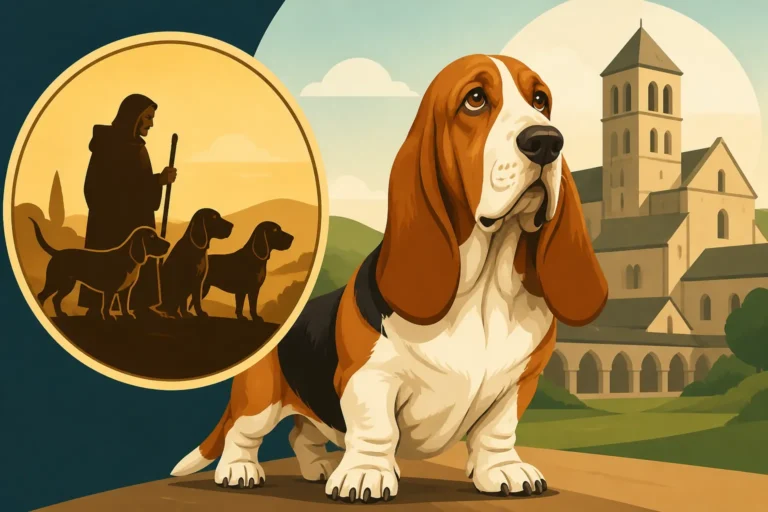
The Basset Hound, with its deep-set eyes, long droopy ears, and incredible nose, was carefully bred over centuries to be a low-slung scent hound. Their job wasn't to chase game at high speeds, but to methodically follow a scent trail, often through dense underbrush and thickets, at a pace a human hunter on foot could easily follow. This deliberate, slow-and-steady approach meant that hunters often had to keep a close eye on their hounds, even when they were barely visible in the foliage.
Imagine a pack of Basset Hounds, noses to the ground, deep in pursuit. The thick brush might hide their bodies entirely. How would a hunter know where their dog was or if they were still on the trail? This is where the white tail tip historically became invaluable. It wasn't just a pretty accent; it was a functional signal. The Abbey Hounds a Basset Hound Descends From were developed with practicality in mind, and every characteristic served a purpose.
A Beacon in the Brush
That flash of white at the tip of the tail, often wagging furiously as the Basset Hound concentrated on a scent, acted as a visual marker. Even if the dog's body was obscured, the white flag of its tail would often be visible, allowing the hunter to track its progress. It was a simple, yet highly effective, piece of natural camouflage in reverse—designed not to hide, but to stand out just enough to confirm the dog's location and dedication to the hunt.
This "flag" was especially helpful in low light conditions or when the hounds were moving through tall grasses or woodland where their tricolor or red-and-white coats blended in. Without this small beacon, locating a hound, especially if it was a bit ahead or off to the side, would have been a much harder task. This practical need deeply influenced what breeders looked for, and preserved, in the breed's development, making the white tail tip a desired, though not always present, characteristic. It's a lovely reminder of their working heritage.
Understanding the Basset Hound Breed Standard
When we talk about whether a Basset Hound should have a white tail tip, we're really delving into the world of breed standards. These standards are the blueprints created by kennel clubs and breed associations to describe the ideal characteristics, temperament, and appearance of a breed. They serve as a guide for breeders aiming to preserve the breed's health and integrity, and for judges evaluating dogs in the show ring.
What Reputable Kennel Clubs Say
For Basset Hounds, many of the major kennel clubs around the world, such as the American Kennel Club (AKC) and The Kennel Club (UK), do specify a preference for a white tip on the tail. It’s often referred to as a "white flag" or simply a "white tip." For example, the AKC standard for the Basset Hound states, "The tail is not docked, and is carried gaily, curving in a slight arc, but not curled over the back. A white tip is desirable." Notice the word "desirable"—it doesn't say "mandatory" or "required." This means that while it's a favored trait, a Basset Hound without a white tail tip isn't inherently "faulty" or less of a Basset Hound.
The emphasis on this trait stems directly from its historical utility in hunting. Even though many Basset Hounds today are cherished pets rather than field workers, the standard maintains this nod to their origins. It’s a way of honoring the breed's past and the practical considerations that shaped its unique look. For those interested in showing their Basset, a prominent white tip might give them a slight edge, but it's one of many factors considered by judges. The overall conformation, health, and temperament are always paramount. If you're looking into showing, understanding The Split Between Show and Hunting Basset Hounds can offer even more insight into these detailed standards.
Variations in Appearance and Acceptance
While a white tip is generally desirable, it's important to understand that not all Basset Hounds will have one, and that's perfectly normal. Genetics play a huge role, and not every perfectly healthy, well-bred Basset Hound puppy will express this specific marking. Some may have just a few white hairs, others a small splash, and some no white at all on the tail tip. These variations are simply part of the genetic lottery and don't diminish the dog's quality as a companion or their adherence to the breed standard in other, often more crucial, areas.
Breed standards are meant to be ideals, not rigid rules that exclude otherwise excellent dogs. For the vast majority of Basset Hound owners, whether their dog has a white tail tip is purely an aesthetic preference and has no bearing on their dog's health, temperament, or ability to be a wonderful family member. If you’re looking at puppies, you might see a whole litter with different markings, some with a clear white tip, others without. This is natural and part of the breed's charming diversity. The Colors a Basset Hound Comes In are quite varied, and the tail tip is just one small piece of that genetic mosaic.
The Genetics Behind Basset Hound Markings
The colors and markings on any dog, including the specific presence or absence of a white tail tip on a Basset Hound, are all determined by their genes. It's a complex interplay of inherited traits, and while we might have a preferred look, nature often has its own plans!
Why Some Have It and Some Don't
The white markings on a Basset Hound's coat, including any white on the tail tip, are generally controlled by genes responsible for piebald spotting or Irish spotting patterns. These genes dictate where pigment cells develop on the dog's body. Essentially, white areas are where pigment cells simply didn't migrate during embryonic development. The degree and location of these white markings can vary greatly, even within the same litter.
Think of it like this: A dog inherits genes from both parents. Depending on which combination of genes it receives, it might have extensive white, minimal white, or something in between. The white tip on a Basset Hound's tail is just one manifestation of these spotting genes. If a Basset Hound has a lot of white on its chest, face, and legs, it's more likely to also have a white tail tip. Conversely, a Basset Hound with less overall white patterning might not have that distinguishing tip. It’s not a separate gene just for the tail tip; it’s part of the broader pattern of white distribution across the entire body. Breeders who consistently produce dogs with white tail tips are likely breeding dogs that carry genes for more extensive white patterning.
Common Basset Hound Coat Patterns
Basset Hounds come in a beautiful array of colors and patterns, and these patterns often include white markings that may or may not extend to the tail tip. The most common color combination is tricolor (black, white, and tan), followed closely by red and white (or lemon and white, which is a lighter shade of red and white). However, other less common variations exist.
Let's look at some examples:
- Tricolor: These Basset Hounds typically have large patches of black, tan (often on the face and legs), and white. The white is usually found on the chest, belly, legs, and often, yes, the tip of the tail. What the Tricolor Basset Hound Looks Like is a classic image many people have in their minds when they think of the breed.
- Red and White: These dogs feature shades of red (from rich mahogany to a lighter tan or lemon) and white markings. Again, the white often appears in the same areas as a tricolor, making a white tail tip quite common.
- Lemon and White: This is essentially a lighter version of red and white, with the 'red' appearing as a very pale cream or lemon color. The genetic principles for white markings remain the same.
Regardless of the base color, the presence of white on the tail tip is a result of those piebald or Irish spotting genes. It's an inherited trait, not something that can be trained or influenced by diet or environment.
Here's a quick look at common coat colors and tail tip likelihood:
| Coat Color | Description | Typical White Markings | Likelihood of White Tail Tip |
|---|---|---|---|
| Tricolor | Black, tan, and white. Black patches, tan points, white base. | Chest, belly, legs, neck, blaze, tail tip. | High |
| Red and White | Various shades of red/brown with white patches. | Chest, belly, legs, neck, blaze, tail tip. | High |
| Lemon and White | Pale cream/yellowish tan with white patches. | Chest, belly, legs, neck, blaze, tail tip. | High |
| Black and White | Solid black patches with white. (Less common to see distinct tan points). | Similar to tricolor, often extensive white. | High |
| Mahogany and White | Deep, rich reddish-brown with white. | Similar to red and white. | High |
| Tan and White | Lighter tan markings with white. | Similar to red and white. | High |
| Solid Colors | Extremely rare, but possible (e.g., solid red, solid black). | None. | None |
It's clear that the white tail tip is a common feature among the classic Basset Hound color patterns. This table gives a good overview, but remember, Whether a Basset Hound Can Be Any Color is a much broader topic of discussion among enthusiasts!
Does a White Tail Tip Really Matter for a Pet Basset Hound?
For most of us who share our homes with these charming, long-eared companions, the question of a white tail tip might seem a bit academic. After all, what truly matters is a healthy, happy dog, right? And you’d be absolutely correct. For a pet Basset Hound, this particular aesthetic detail holds virtually no practical significance.
Health vs. Aesthetics
When choosing a Basset Hound, or living with one, factors like health, temperament, and proper care should always take precedence over a specific physical marking like a white tail tip. A white tail tip doesn't indicate better health, a sweeter disposition, or a longer lifespan. It's purely a visual trait. What does matter for a Basset Hound's well-being is ensuring they come from healthy lines, receive appropriate veterinary care, a balanced diet, and plenty of love. The Health Tests a Basset Hound Breeder Should Run are far more important indicators of a puppy's potential health than the color of its tail tip.
Concerns like avoiding The Ear Infections That Never Really Leave a Basset Hound, managing The Back Trouble a Basset Hound Is Built Into, or preventing What Extra Weight Does to a Basset Hound are the real health priorities for this breed. These are the things that will truly impact your Basset Hound's quality of life and your vet bills, not whether their tail has a little white flourish. If you're pondering whether to choose a puppy with or without a white tail tip, it's far more beneficial to focus on the puppy's overall health check, its parents' health clearances, and its interaction with you and its littermates.
The Realities of Pet Ownership
In the day-to-day life of a Basset Hound owner, the white tail tip is, quite frankly, irrelevant. You'll be more concerned with things like managing their incredible nose, their tendency to bay, or the inevitable drool. The joy of owning a Basset Hound comes from their endearing personality, their clownish antics, and their unwavering loyalty, not from a specific color pattern on their tail.
Many Basset Hounds without a white tail tip are just as beloved and perfectly conform to the breed's standard in all other essential ways. If you're not planning to enter your Basset Hound in conformation shows, there's absolutely no reason to prioritize this trait. Instead, focus on finding a puppy or rescue dog with a temperament that fits your family's lifestyle. Consider if you're prepared for What a Basset Hound Costs a Year to Keep and the commitment to their unique needs. The color of their tail will be the last thing on your mind when they're snuggled up beside you, emitting that wonderfully basset-y sigh.
Finding a Basset Hound with Specific Markings
If, for aesthetic reasons, you still have your heart set on a Basset Hound with a white tail tip, or any other specific marking, it is possible to find one. However, it requires a thoughtful approach and careful selection of a breeder. Remember, prioritizing a cosmetic trait above all else can sometimes lead you down the wrong path, so always keep health and temperament at the forefront.
Working with Reputable Breeders
Reputable Basset Hound breeders understand the breed standard and often have a good sense of what markings their lines tend to produce. When you contact a breeder, be open about your preferences, but also be prepared to listen to their advice. A good breeder will prioritize placing puppies in appropriate homes where they will thrive, rather than just matching a specific look. They can tell you if their current litter, or upcoming litters, are likely to have puppies with white tail tips. They might even have photographs of previous litters or the parents, which can give you an idea of the genetic likelihood.
Be prepared for the possibility that you might need to wait for the right puppy or be flexible with your expectations. Good breeders don't always have puppies available immediately, and they often pick the best puppy for each home based on personality, not just markings. You can learn a lot by asking about their breeding philosophy and if they focus on specific lines for appearance or working ability. For example, some might prioritize traits seen in What a Show Bred Basset Hound Puppy Costs, which might mean a higher likelihood of the white tail tip being present.
What to Ask and Look For
When communicating with a breeder about a white tail tip or any other specific marking, here are some things you should do:
- Be Specific but Flexible: Clearly state your preference, but also let them know you prioritize health and temperament. A good breeder will appreciate this balanced approach.
- Ask to See Photos: Request photos of the parents, and if available, previous litters. This can give you an idea of the likelihood of the trait appearing.
- Discuss the Breed Standard: Engage in a conversation about the breed standard. This shows you're serious and allows the breeder to educate you further.
- Visit in Person: If possible, visit the breeder and the puppies. This allows you to see the puppies' markings firsthand and observe their temperaments. You can also assess the environment they are raised in.
- Understand Genetic Realities: Acknowledge that even with parents who have white tail tips, not every puppy will inherit it. Genetics are not always perfectly predictable.
- Prioritize Health: Always ask about health testing for the parents. A breeder should be transparent about screening for common Basset Hound issues like glaucoma, elbow dysplasia, and thrombopathia. Whether a Basset Hound Breeder Screens for Glaucoma is a crucial question to ask.
Remember, a reputable breeder will be happy to answer all your questions and will often have a waiting list. Finding a puppy that meets all your criteria, including a specific marking, can take time, but patience is key to finding the right companion. Don't rush into a purchase just to get a particular look, as this can lead to supporting irresponsible breeding practices.
General Care Considerations for a Basset Hound's Tail
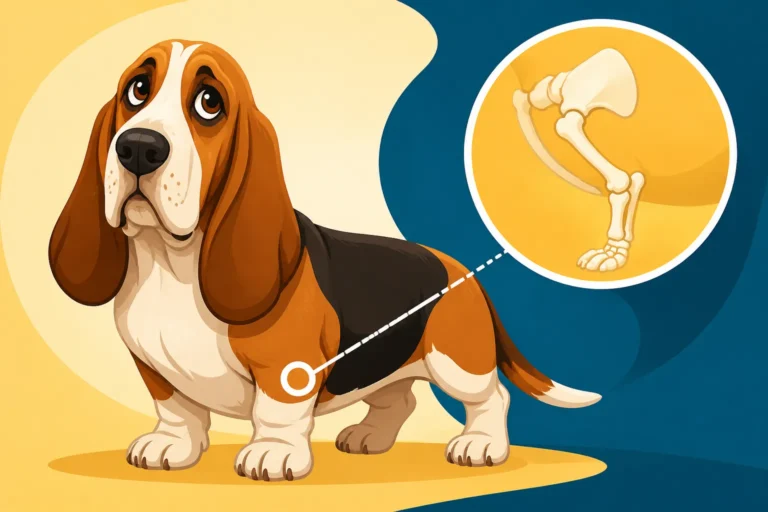
While the color of a Basset Hound's tail tip might be an aesthetic detail, the health and care of the tail itself are important aspects of overall Basset Hound well-being. Their tails are sturdy, often carried upright when alert, and they can certainly wag with gusto! However, like any part of a dog's anatomy, they are susceptible to injury or specific care needs.
Keeping the Tail Healthy and Happy
A Basset Hound's tail, though short-haired, should be regularly checked as part of your grooming routine. Because they often carry their tails "gaily" (as the standard describes), curving upwards, they can sometimes bump them. Also, the skin around the base of the tail, especially if they have some of that wonderfully loose Basset skin, can be a spot for minor irritations if not kept clean and dry.
Here are some tips for tail care:
- Regular Inspection: During your weekly grooming, run your hands along your Basset Hound's tail. Check for any lumps, bumps, cuts, scrapes, or areas of tenderness. Look for fleas or ticks, especially near the base where the hair is thicker.
- Cleanliness: Ensure the area around the base of the tail is clean, particularly after bathroom breaks. Basset Hounds can sometimes be a bit messy, and residual debris can lead to skin irritation or infections. Gentle wipes designed for dogs can be helpful. You can often find these sorts of grooming supplies readily available on sites like Chewy.
- Be Mindful of "Happy Tail": While less common in Basset Hounds than in breeds with thinner, longer tails, "happy tail" syndrome can occur. This is when a dog wags its tail so enthusiastically against hard surfaces (walls, furniture legs) that it repeatedly injures the tip, preventing it from healing. If you notice persistent bleeding or scabbing on the tail tip, consult your vet. Whether a Basset Hound's Ear Flap Gets Torn is a similar concern, though for a different body part, highlighting the need for vigilance with external injuries.
- Avoid Pulling: Never pull on your Basset Hound's tail, as this can cause pain or injury to the tail bones or the sensitive nerves at the base of the spine.
Injury Prevention and Signs of Trouble
Prevention is always better than cure. While Basset Hounds are generally robust, their tails can still get into scrapes.
- Safe Environment: Ensure your home environment doesn't have sharp edges or tight spaces where a wagging tail could repeatedly hit or get caught.
- Observation During Play: When your Basset Hound is playing, especially with other dogs or children, keep an eye on their tail to ensure it's not being pulled or stepped on.
- Watch for Signs of Pain: If your Basset Hound holds their tail down constantly, yelps when it's touched, or seems reluctant to wag, these could be signs of pain or injury. This might be anything from a minor sprain to a fractured tailbone. Sometimes, an injury further up the spine can also manifest as tail pain or weakness, so it's always best to consult a veterinarian if you notice a sudden change in tail carriage or function.
- Lumps and Growths: Any new lumps or growths on the tail should be checked by a vet, just like any other part of the body.
- Gland Issues: While not directly the tail itself, the anal glands are located just beneath the tail. If your Basset Hound is scooting or excessively licking at their tail base, it could indicate anal gland issues. Regular grooming practices, including checking the tail, can help you notice these signs early. Products to support healthy skin and coat, including those that might indirectly aid anal gland health, can be found at retailers like Chewy.
Maintaining a healthy tail for your Basset Hound is just another facet of responsible pet ownership, much like Looking After a Basset Hound's Feet and Nails or ensuring proper ear care. By being attentive and proactive, you can help your Basset Hound enjoy a long, comfortable, and happy life, with or without that famous white tail tip.
Disclaimer
This article is for general informational purposes only and does not constitute professional advice. Laws, prices and regulations vary by location and change over time. Consult a qualified professional for guidance on your specific situation.