Whether the Basset Hound Is Losing Popularity
It’s a question many Basset Hound lovers ponder as they notice fewer of those long-eared, soulful-eyed companions out and about these days: is the Basset Hound losing its grip on popular affection? This guide dives deep into the shifting tides of canine popularity, exploring the historical highs, the modern challenges, and the dedicated efforts of those who cherish this unique breed, helping you understand the complex factors behind the perception of its declining numbers.
Understanding Canine Popularity Trends
The world of dog breeds is a bit like fashion; trends come and go. What’s in vogue one decade might be less common the next, and it’s rarely a simple case of one breed being "better" than another. Usually, it’s a confluence of cultural shifts, media portrayals, and evolving owner expectations that steer these trends. For us Basset Hound aficionados, it can feel a little disheartening to see our beloved breed not always taking center stage, but understanding these broader patterns helps put things into perspective.
The Cyclical Nature of Breed Fame
Think back through history, and you'll see that certain breeds have their moments in the sun. The German Shepherd Dog was hugely popular after the World Wars, seen as noble and heroic. Then, the Golden Retriever and Labrador Retriever dominated the family dog scene for decades, valued for their friendly dispositions and trainability. These aren't static positions; breeds ebb and flow in popularity. A breed might have a surge in interest due to a movie or a celebrity owner, only to settle back into a steady niche later on. This cyclical nature means that while Basset Hounds might not be topping the charts right now, their enduring qualities mean they'll always have a place in our hearts and homes. It’s not necessarily a decline in intrinsic value, but a shift in the collective spotlight.
How Media and Celebrity Influence Choices
Let's be honest, pop culture has a massive impact on dog breed choices. Think of how many Dalmatians appeared in homes after 101 Dalmatians, or the surge in Pugs when they became trendy. The Basset Hound itself has benefited from this in the past. Remember Flash from "The Dukes of Hazzard," or the numerous cartoon appearances? These lovable, slightly comical portrayals certainly endeared the breed to many. However, if a breed isn't regularly featured in movies, TV shows, or on the social media feeds of influencers, it can slip from the public consciousness, even if its charm remains undiminished. Modern media favors highly photogenic, active, and "instagrammable" breeds, which sometimes puts our low-slung, droopy-faced friends at a disadvantage, despite their undeniable charisma.
The Impact of Lifestyle Shifts on Dog Ownership
Our lives look very different today than they did even a few decades ago. More people live in apartments or smaller homes, work longer hours, and travel more frequently. This often means a preference for dogs that are smaller, require less intense grooming, or are perceived as lower maintenance. The image of a Basset Hound, with its distinctive bay and tendency to follow its nose wherever it leads, might seem less compatible with a fast-paced urban lifestyle or a small yard. This isn't to say Basset Hounds can't thrive in these environments – with dedicated owners, they absolutely can – but the initial perception can guide potential owners towards breeds that appear to fit these new lifestyle norms more easily. The reality is often that owners are looking for convenience, and sometimes, the Basset Hound's unique needs require a bit more intentional planning.
Historical Popularity of the Basset Hound
To truly understand where the Basset Hound stands today, it's helpful to look back at its journey from ancient hunting companion to modern pet. There was a time when this breed was exceptionally well-known, a recognizable face not just among dog enthusiasts, but across popular culture. Its distinctive look and endearing, laid-back personality captivated many, leading to periods of significant fame.
From Hunting Companion to Household Name
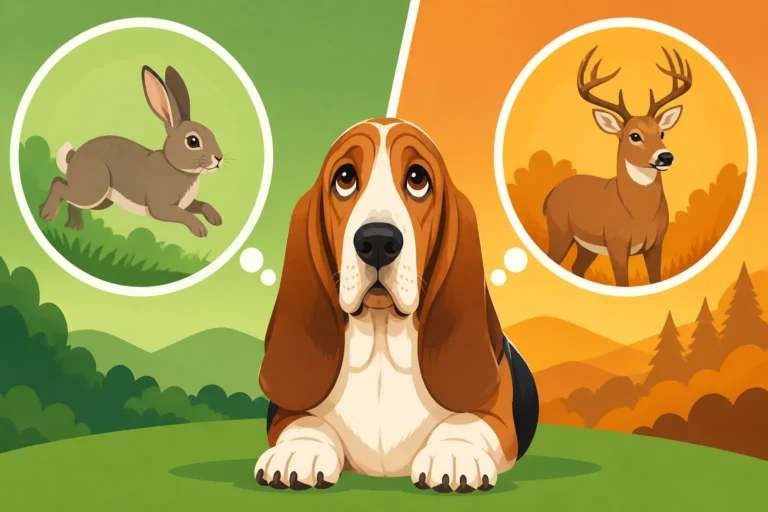
The Basset Hound's origins are rooted deeply in France, where they were bred as scent hounds to track small game, particularly rabbits and hare, at a pace that hunters on foot could easily follow. Their short legs, long bodies, and incredible noses made them perfectly suited for this work. They weren't just utility animals, though; their charming demeanor gradually saw them invited into homes. By the late 19th and early 20th centuries, as dog shows gained traction and people began to appreciate dogs more as companions, the Basset Hound's unique appearance and mellow temperament started to capture wider attention. It moved from being solely a working dog to one increasingly welcomed into family life.
The Golden Age of Basset Hound Recognition
The mid-20th century really marked a golden age for the Basset Hound. Their unique, almost comical appearance made them instantly recognizable and beloved. Their droopy eyes and ears, wrinkled brow, and low-slung body were unlike any other breed widely known at the time. This period saw them become incredibly popular, especially in America and the UK. They were often featured in advertising, cartoons, and even some early television shows. It was a time when the "sad-eyed Basset" was a widely understood cultural trope, evoking a sense of gentle melancholy and unwavering loyalty. People saw them as charming, distinctive, and a little bit quirky, making them an aspirational choice for many families looking for a unique companion.
Pop Culture Moments That Elevated the Breed
Beyond general recognition, specific pop culture phenomena catapulted the Basset Hound into superstardom. Elvis Presley famously sang "Hound Dog" to a real Basset Hound named Sherlock on The Steve Allen Show in 1956, an image that remains iconic. Later, the character of Flash in "The Dukes of Hazzard" cemented the breed's place in the hearts of millions of TV viewers, showcasing their loyalty and somewhat stubborn charm. Cartoon characters like Droopy Dog also embodied many of the Basset Hound's endearing characteristics. These repeated appearances meant that even if you didn't own a dog, you knew what a Basset Hound was. They were synonymous with a certain kind of gentle, slightly melancholic, but ultimately lovable personality. This widespread visibility certainly contributed to their high popularity rankings during those decades.
Factors Influencing Modern Basset Hound Popularity
While the Basset Hound's historical charm is undeniable, modern lifestyles and changing priorities among potential dog owners have introduced new dynamics. Today, there are various factors at play that can influence whether someone considers bringing a Basset Hound into their home, ranging from practical considerations to shifts in perceived desirability.
The Shift Towards "Easier" Breeds
Let's be candid: Basset Hounds, as much as we adore them, aren't always the "easiest" dogs to own. Their unique characteristics, while endearing, come with specific care requirements. Many potential owners, especially first-timers or those with busy lives, are now leaning towards breeds perceived as less demanding in terms of grooming, training, or exercise. Breeds that are often described as "low-shedding," "hypoallergenic," or "highly trainable" often get more attention. The Basset Hound's tendency to follow its nose into trouble, its impressive bay, and the ongoing commitment to The Twice Weekly Ear Ritual a Basset Hound Owner Signs Up For can sometimes be seen as more challenging than what a modern family might be looking for. It's not a reflection on the Basset Hound's wonderful nature, but rather on the evolving landscape of what "convenient" pet ownership looks like.
Perception vs. Reality of Basset Hound Care
There's often a disconnect between the public's perception of a breed and the reality of living with one. The Basset Hound's lazy, sleepy image from cartoons can lead people to believe they are low-energy and require minimal exercise. While they do enjoy a good nap, a healthy Basset Hound absolutely needs regular walks and opportunities for mental stimulation through scent work. Furthermore, their long, droopy ears and wrinkled skin require diligent care to prevent infections, as highlighted in The Skin Under a Basset Hound's Folds. The drooling, the shedding, and the potential for a very loud bay are also realities that some new owners might not fully appreciate until they've brought a Basset home. These care requirements, when underestimated, can lead to challenges that might contribute to a decrease in initial interest compared to breeds with fewer perceived "quirks."
The Role of Online Information and Social Media
The internet has changed how people research and choose pets. While this means more access to detailed information, it also means that potential challenges are more visible and widely discussed. Forums and social media groups are filled with conversations about everything from The Back Trouble a Basset Hound Is Built Into to managing their stubborn tendencies, as explored in Whether a Basset Hound Is Stubborn or Just Not Interested. While transparency is good, an accumulation of these discussions can sometimes paint a picture of higher maintenance than some are willing to undertake. Brands like Chewy, with their vast online resources and product reviews, can also highlight the specific types of care products a Basset Hound owner might need, inadvertently emphasizing the distinct needs of the breed for a casual browser. This digital transparency can influence decisions, steering some towards breeds with fewer well-documented care requirements.
Breed-Specific Challenges Affecting Popularity
Every breed comes with its own set of characteristics and, yes, its own challenges. For the Basset Hound, some of these traits, while making them uniquely Basset, also present hurdles for potential owners who may not be fully prepared. Understanding these specific points is key to grasping why their popularity might fluctuate.
Managing the Basset Hound's Unique Health Needs
The endearing features of a Basset Hound, such as their long ears, droopy eyes, and low-slung body, unfortunately, come with some predispositions to certain health issues. Ear infections are incredibly common due to their long, heavy ears that trap moisture and reduce air circulation, making Whether Every Basset Hound Gets Ear Infections a frequent concern for owners. Their characteristic long back and short legs can make them prone to spinal issues, like intervertebral disc disease (IVDD). Their loose skin, while part of their charm, also requires regular cleaning, particularly in the facial and neck folds, to prevent skin infections. These aren't minor concerns; they often require consistent veterinary care and can incur significant costs, something that might give pause to a prospective owner researching the breed.
Addressing Their Stubborn Streak and Training Nuances
Basset Hounds are often described as laid-back, but that doesn't mean they are always easy to train. They possess a famous stubborn streak, which isn't malice but a strong independent nature driven by their incredible sense of smell. Once a Basset Hound is on a scent, as highlighted in Why a Basset Hound Stops Hearing You When It Smells Something, their world shrinks to that trail, and they can seem to "go deaf" to commands. This means reliable recall can be a lifelong challenge, making off-leash exercise risky in unfenced areas. Their training often requires immense patience, consistency, and positive reinforcement, often with food as a strong motivator. For owners seeking a dog that responds quickly to commands and excels in obedience, the Basset's unique approach to listening can be a bit of a culture shock.
The Commitment to Grooming and Drool Management
While their short coat is relatively easy to care for in terms of brushing, Basset Hounds do shed, and their grooming needs extend beyond just their fur. Their long ears require regular cleaning and checking to prevent infections, as discussed in detail in guides like How Often a Basset Hound's Ears Must Be Cleaned. Their deep facial wrinkles also need routine cleaning to prevent moisture and bacteria from building up. And then there's the drool. Basset Hounds are notorious for their droopy jowls, which can lead to significant drooling, especially after eating or drinking. This can mean wiping mouths after meals, having drool rags on hand, and potentially dealing with drool on furniture and walls. While lovable, this can be a lifestyle adjustment for many, influencing their decision on whether the breed is the right fit. Many Basset owners even invest in specialized bowls or snoods from places like Chewy to help keep their long ears out of food and water, which indirectly helps with drool management by keeping the chin area cleaner.
The Rise of Alternative Breeds
The landscape of dog ownership is constantly evolving, with new breeds rising in popularity and older, less common breeds gaining traction. This means that Basset Hounds aren't just competing with traditional popular breeds, but also with a host of newcomers and those that offer perceived advantages for modern living.
Smaller, More Apartment-Friendly Hounds
With increasing urbanization and smaller living spaces, there's a growing demand for compact canine companions. Many people adore the hound temperament – friendly, loyal, and good-natured – but find the Basset Hound's size and specific needs (like their potential for a loud bay or the need for a securely fenced yard) a bit much for apartment living. This has led to a rise in popularity for smaller hound breeds like the Beagle, or even mini Dachshunds, which offer a similar "hound-like" charm in a more condensed package. The comparison of The Basset Hound Against the Beagle often highlights these size differences. While Basset Hounds can live in apartments with dedicated owners, their physical bulk and vocal tendencies can be a deterrent for some, nudging them towards a smaller, quieter alternative.
Designer Breeds and Crosses
The last couple of decades have seen an explosion in the popularity of "designer breeds" – intentional crosses between two purebred dogs. These crosses are often marketed as having the best traits of both parent breeds, sometimes with claims of being hypoallergenic or having fewer health issues. Goldendoodles, Labradoodles, and similar crosses have soared in popularity. While not directly replacing Basset Hounds, these breeds offer a novelty and a perceived blend of desirable traits that capture a significant portion of the potential dog-owning public. People are often drawn to the idea of a "custom-made" dog, even if the genetics can be more unpredictable than claimed. This phenomenon has certainly diversified the market, meaning Basset Hounds are just one option among many, many choices.
The Appeal of Lower-Maintenance Companions
As lives become busier, the appeal of a genuinely low-maintenance dog is strong. While no dog is truly "no maintenance," breeds that are perceived to require less grooming, less intensive training, or fewer specialized health interventions tend to attract more interest. Many smaller companion breeds or even certain terrier types might be seen as fitting this bill. The specific care needs of a Basset Hound – from ear cleaning to managing their drool and the potential for back issues – can sometimes be perceived as higher maintenance than alternatives. For someone seeking a simple, fuss-free pet, the Basset Hound, with all its wonderful quirks, might seem like a more involved commitment, even if the reality is that all dogs require significant time and effort. Whether a Basset Hound Is More Work Than It Looks is a question many prospective owners grapple with.
The Future of the Basset Hound
Despite shifts in general popularity, the Basset Hound is far from disappearing. This is a breed with a rich history and a dedicated following, and their future is being actively shaped by passionate individuals and organizations committed to their well-being and preservation.
Dedicated Breeders and Preservation Efforts
True Basset Hound enthusiasts and ethical breeders are the backbone of the breed's future. These individuals are not driven by fleeting trends but by a deep love for the breed's unique characteristics and a commitment to its health and welfare. They meticulously research pedigrees, perform health clearances on their breeding stock – including screening for conditions like glaucoma and elbow dysplasia – and strive to produce sound, healthy puppies that conform to the breed standard. Their focus isn't on mass production or chasing popularity, but on preserving the Basset Hound's distinctive traits and ensuring future generations can enjoy these wonderful dogs. These breeders are often involved in breed clubs, sharing knowledge and advocating for responsible ownership, ensuring that the legacy of The Abbey Hounds a Basset Hound Descends From continues.
The Enduring Charm of the Basset Hound Enthusiast
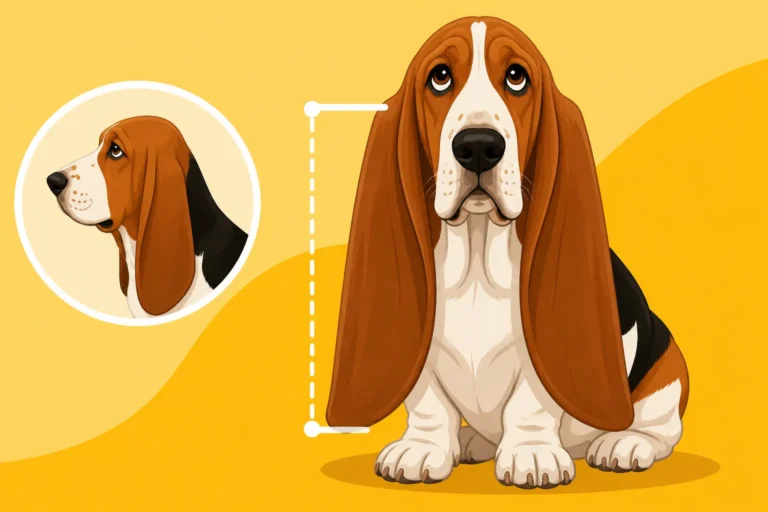
There's something truly special about a Basset Hound, and once you've been "basset-ized," it's hard to go back. Their unique blend of stoicism, comedic timing, unwavering loyalty, and that deep, soulful gaze creates an unbreakable bond with their owners. These aren't dogs chosen on a whim; they are chosen by those who appreciate their particular brand of charm, who don't mind the drool, or the bay, or the stubborn nose, but rather find joy in these very qualities. This core group of enthusiasts ensures a steady demand for well-bred Bassets, even if the numbers aren't as high as the peak popularity years. They understand the commitment involved, and they wouldn't trade their floppy-eared companions for anything. For these owners, The Twelve Inch Ears a Basset Hound Was Given on Purpose are not a burden, but a badge of honor.
Rescue Organizations as Guardians of the Breed
Basset Hound rescue organizations play a vital role in the breed's continued presence and well-being. These dedicated volunteers work tirelessly to rehome Basset Hounds that have been surrendered, found as strays, or removed from difficult situations. They often deal with dogs that might have untreated health issues, like chronic ear infections, or behavioral challenges stemming from neglect or misunderstanding. By rehabilitating and rehoming these dogs, rescue groups ensure that Basset Hounds who might otherwise be overlooked find loving, permanent homes. They also serve as invaluable resources for potential owners, offering education about the breed's needs and helping to match the right dog with the right family. This often means providing supplies and guidance, sometimes even recommending products from partners like Chewy to ensure the dogs get the best start in their new homes. What Adopting a Basset Hound Costs often includes the initial vet care these rescues provide.
Ultimately, while the Basset Hound might not dominate the top spots on popularity lists as it once did, it retains a cherished place in the hearts of many. Their unique charm, while perhaps requiring a bit more understanding and commitment from owners, ensures that this wonderful breed will continue to bring joy to those who truly appreciate them for who they are.
Basset Hound Popularity Factors: Then and Now
To provide a clearer picture of why the Basset Hound's popularity might be perceived as shifting, let's look at some key factors across different eras.
| Factor | Historical Popularity (Mid-20th Century) | Modern Popularity (Early 21st Century) |
|---|---|---|
| Media Representation | Frequent appearances in TV, movies, cartoons (Elvis, Flash, Droopy) | Less frequent mainstream media appearances; niche social media presence |
| Lifestyle Compatibility | Suited larger homes/yards, less demanding schedules | Challenging for small apartments/busy schedules; perceived as higher maintenance |
| Health Awareness | Less widespread public knowledge of breed-specific health issues | High availability of information on health predispositions (ears, back) |
| Grooming/Care | Drool/ear care less emphasized in public perception | Transparency regarding high grooming/care needs (drool, ear cleaning) |
| Training Perception | Seen as laid-back, gentle | Awareness of stubbornness, strong scent drive, and recall challenges |
| Breed Competition | Fewer distinct breed choices widely available | Explosion of designer breeds and various "low-maintenance" alternatives |
| Breeder Focus | Often focused on show ring success and temperament | Emphasis on health testing, preservation, and ethical breeding |
This table helps illustrate that while the Basset Hound's inherent qualities haven't changed, the external environment and public awareness surrounding dog ownership certainly have.
Disclaimer
This article is for general informational purposes only and does not constitute professional advice. Laws, prices and regulations vary by location and change over time. Consult a qualified professional for guidance on your specific situation.