Whether a Basset Hound Gets Hypothyroidism
It's incredibly unsettling when our beloved Basset Hounds, usually so full of laid-back charm, start showing signs that just aren't them. Sometimes, a general sluggishness, unexplained weight gain, or a dull coat can leave us wondering if they're just getting older, or if there's something deeper going on. This comprehensive guide will meticulously explore hypothyroidism in Basset Hounds, unraveling its symptoms, how it's diagnosed, and the most effective ways to manage this common endocrine disorder, ensuring your floppy-eared friend gets the care they deserve.
Understanding Hypothyroidism in Basset Hounds
Bringing a Basset Hound into your life means embracing their unique quirks, from their soulful eyes to their incredible sense of smell. But it also means being vigilant about certain health conditions they can be prone to, and hypothyroidism is definitely one that often flies under the radar until it becomes quite pronounced. It's a condition that affects many breeds, but Bassets have a particular predisposition, making it crucial for owners to understand what it is and why it happens.
What Exactly Is Hypothyroidism?
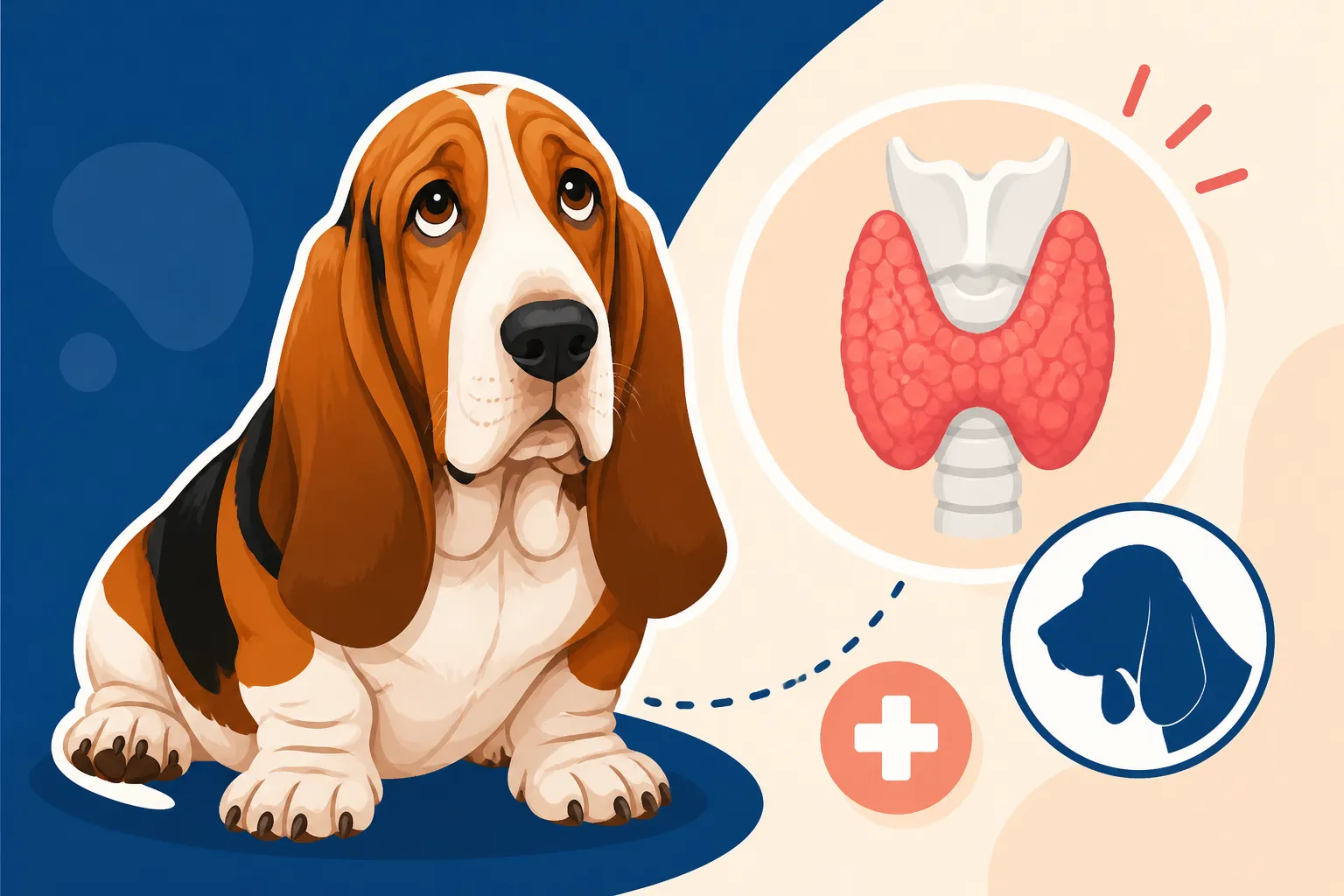
At its core, hypothyroidism is a condition where your dog's thyroid gland, located in the neck, doesn't produce enough thyroid hormones. These hormones, primarily thyroxine (T4), are like the conductors of your dog's metabolic orchestra. They regulate almost every function in the body, from energy levels and body temperature to skin health and heart rate. When there's a deficiency, this orchestra goes out of tune, leading to a wide array of symptoms that can easily be mistaken for other issues or simply "getting old." It’s not just about a dog being a bit chunky; it’s about a fundamental biological process being disrupted.
Think of it like this: your Basset Hound's body needs a steady supply of these hormones to keep everything running smoothly, efficiently, and at the right pace. Without enough, the body essentially slows down. This isn't just a minor inconvenience; it can impact their quality of life significantly, making them feel perpetually tired, cold, and generally unwell. Owners often lament that their once-spry pup has become a couch potato, and while Bassets are famous for their love of lounging, a sudden or marked increase in lethargy should always raise a red flag.
Why Basset Hounds Are Prone to This Condition
It's a frustrating reality that some breeds carry a higher genetic susceptibility to certain health issues, and Basset Hounds fall into this category when it comes to hypothyroidism. The exact reason isn't always clear-cut, but genetics play a significant role. Many cases are attributed to an autoimmune condition called lymphocytic thyroiditis, where the dog's own immune system mistakenly attacks and destroys the thyroid gland over time. This slow destruction means the problem often develops gradually, making early detection a challenge.
Beyond genetics, some researchers suggest that the slower metabolism inherent in certain larger, more sedentary breeds, combined with a tendency towards being overweight, might contribute to the manifestation of symptoms, or at least make them more noticeable. While obesity doesn't cause hypothyroidism, it can certainly exacerbate symptoms and complicate diagnosis. If you’re already watching your Basset’s waistline because of concerns about What Extra Weight Does to a Basset Hound, then adding a thyroid issue into the mix only makes it tougher. It’s a vicious cycle where low thyroid leads to weight gain, and weight gain makes everything harder on their already unique body structure.
Recognizing the Subtle Signs of Hypothyroidism
Spotting hypothyroidism can feel like trying to catch a whiff of a faint scent in a bustling city for your Basset. The symptoms often creep up slowly, mimicking other common ailments or even just the natural aging process. Many owners initially dismiss changes, thinking their Basset is simply embracing its inherent laid-back nature more fully, or that a dull coat is just part of seasonal shedding. However, knowing what to look for, even the most subtle shifts, can make all the difference in getting an early diagnosis and starting effective treatment.
Behavioral and Energy Changes to Watch For
One of the first and most common signs you might notice is a distinct drop in energy levels. Your Basset, while never a marathon runner, might become even more reluctant to go for walks or struggle to keep up on their usual strolls. They might seem sluggish, sleeping more than usual, and showing less enthusiasm for playtime or their favorite squeaky toy. This isn't just "being a Basset" if it's a marked change from their baseline. It's important to differentiate between a naturally calm dog and one who is actively lethargic or depressed.
You might also observe changes in their temperament. Some hypothyroid Bassets become noticeably less tolerant, perhaps grumpier or more irritable. Others might seem more anxious or withdrawn. Their zest for life, which usually involves following every interesting smell and enjoying a good cuddle, might diminish. If your usually happy-go-lucky hound seems a bit down in the dumps, or you’re wondering The Old Basset Hound That Cannot Get Off the Floor, it could be more than just age catching up with them. It’s about recognizing a deviation from your dog’s normal, even if their "normal" is already pretty chill.
Physical Symptoms That Signal Trouble
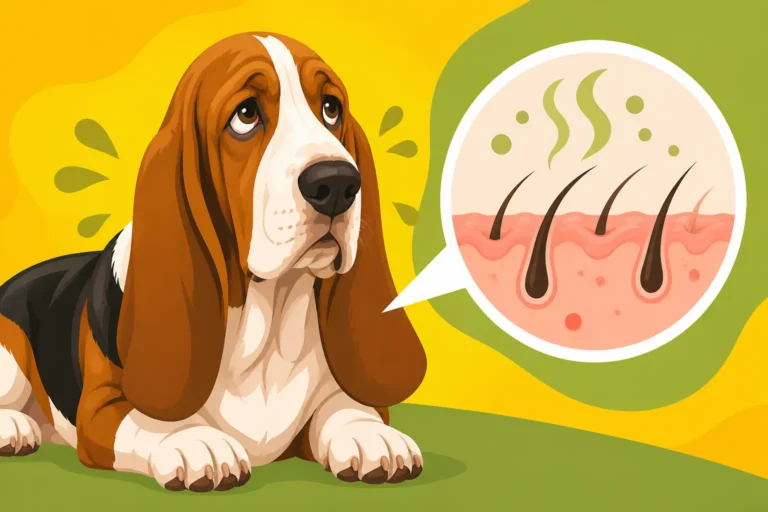
Beyond behavioral shifts, hypothyroidism often manifests with a range of physical signs. One of the most frequently cited is unexplained weight gain, despite no change in diet or exercise. This is because their metabolism has slowed down. Their coat might also suffer, becoming dry, brittle, and sparse, often with noticeable hair loss (alopecia), particularly on the flanks, tail, and neck. The fur might not grow back properly, or it might have a "rat tail" appearance. Their skin can also become dry, flaky, and prone to infections, sometimes even developing hyperpigmentation, where it turns darker.
Other physical indicators include a dull, listless expression, sometimes described as a "tragic" or "sad" face. Some Bassets might develop a puffy appearance around the face, a condition known as myxedema, although this is less common in typical cases and usually seen in more severe, long-standing hypothyroidism. They might also seem perpetually cold, seeking out warm spots more often. You might even notice a slow heart rate or other subtle cardiac abnormalities during a vet check-up. These Signs a Basset Hound's Thyroid Has Failed can be numerous and varied, requiring careful observation.
When to Suspect Something More Than "Just Being a Basset"
This is where the empathetic and realistic perspective comes in. Basset Hounds are, by nature, not known for their boundless energy. They love to nap, they love to eat, and they often enjoy a leisurely pace. So, how do you distinguish normal Basset behavior from the early signs of a health problem? The key is change and combination. If your Basset has always been a couch potato, but now seems more so, or if their energy dip is accompanied by a dull coat and weight gain, it's time to take note.
Furthermore, if you're battling with Getting Weight Off a Basset Hound That Will Not Exercise despite your best efforts, and their appetite seems normal (or even increased!), then a thyroid check should be on the cards. While an individual symptom like shedding might be dismissed as seasonal, the appearance of several symptoms together — lethargy, weight gain, poor coat quality, and perhaps even recurring skin infections — paints a much clearer picture that points directly to an underlying metabolic issue. Don't fall into the trap of thinking it's "just their breed"; sometimes, a Basset's unique traits can mask serious health concerns.
| Symptom Category | Common Hypothyroid Signs | Overlap with Normal Basset Traits | Key Differentiator for Owners |
|---|---|---|---|
| Energy & Behavior | Lethargy, increased sleeping, low enthusiasm, depression, irritability | Naturally calm, enjoys lounging, can be stubborn about walks | Significant increase in sleeping, marked reluctance to move, loss of interest in favorite activities. |
| Weight | Unexplained weight gain | Prone to obesity due to love of food and lower activity levels | Weight gain despite controlled diet and consistent (though sometimes minimal) exercise. |
| Coat & Skin | Dry, brittle coat; hair loss (flanks, tail); flaky skin, recurrent skin infections | Minimal shedding (short coat), sometimes dry skin seasonally | Persistent or worsening coat quality, non-seasonal hair loss, chronic skin issues. |
| Temperature | Intolerance to cold, seeking warm spots | Can seem to enjoy warmth due to short coat | Shivering indoors, seeking heat even when not cold to human touch. |
| Facial Appearance | Puffy or "tragic" expression (myxedema) | Naturally soulful, droopy expression | A new onset of puffiness, particularly around the eyes and cheeks. |
The Diagnostic Journey: Getting a Clear Answer
Once you've started noticing those concerning changes in your Basset Hound, the next logical (and crucial) step is a visit to your veterinarian. Diagnosing hypothyroidism isn't always as straightforward as a single test, and it requires a vet who understands the nuances of the condition, especially in a breed like the Basset. It's a journey that involves a thorough examination, detailed history, and specific blood tests to get to the bottom of what's truly going on.
The Importance of Comprehensive Blood Work
The primary tool for diagnosing hypothyroidism is blood testing. Your vet will likely start with a complete thyroid panel, which typically measures several key hormones. The most important of these are total T4 (TT4), free T4 (fT4), and thyroid-stimulating hormone (TSH).
- Total T4 (TT4): This measures the total amount of thyroxine in the blood, both bound and unbound. A low TT4 can indicate hypothyroidism, but it can also be affected by other non-thyroidal illnesses or certain medications, a phenomenon known as "euthyroid sick syndrome."
- Free T4 (fT4): This measures the unbound portion of thyroxine, which is the biologically active form. It's generally considered a more accurate indicator than TT4 because it's less influenced by other conditions. A low fT4 is a strong indicator of hypothyroidism.
- Thyroid-Stimulating Hormone (TSH): Produced by the pituitary gland, TSH tells the thyroid gland to produce more thyroid hormones. In a hypothyroid dog, the body recognizes it's not getting enough thyroid hormone, so TSH levels will often be elevated as the pituitary tries to stimulate a failing thyroid.
A combination of low fT4 and high TSH is usually considered diagnostic for primary hypothyroidism. However, interpretation can be tricky. Some dogs with early disease might have borderline results, and certain medications, like steroids or anti-seizure drugs, can suppress thyroid hormone levels, leading to a misdiagnosis. This is why it's so important for your vet to consider the clinical signs alongside the blood work. Sometimes, additional tests like thyroid autoantibody checks (TgAA) might be performed to confirm an autoimmune cause.
Differentiating Hypothyroidism from Other Conditions
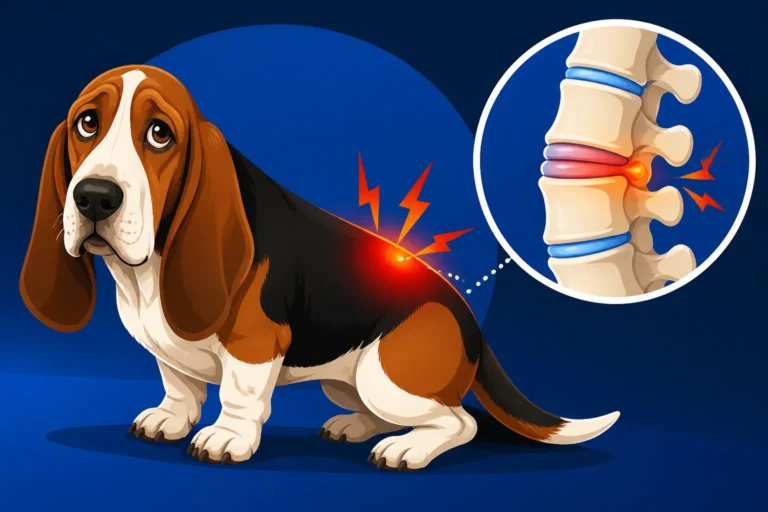
This is often the most challenging part of the diagnostic process. As mentioned, many symptoms of hypothyroidism can overlap with other common Basset Hound ailments or even just general aging. For instance, lethargy and stiffness could be mistaken for Arthritis in a Basset Hound at Seven or even underlying The Back Trouble a Basset Hound Is Built Into. Skin issues can also be complex; a Basset Hound's propensity for skin fold infections or general allergies can mimic the poor coat quality and skin problems associated with hypothyroidism. Your vet will need to rule out conditions like allergies, Cushing's disease, or even dietary deficiencies.
It’s also important to consider if your Basset is merely "a Basset." Their natural inclination for rest means an owner might attribute lethargy to breed characteristics rather than a medical issue. A good veterinarian will take a thorough history, asking about any changes in appetite, thirst, urination, exercise tolerance, and temperament. They'll also perform a full physical exam, checking weight, heart rate, coat condition, and skin health. Sometimes, a therapeutic trial with thyroid medication is even attempted if the diagnosis remains ambiguous, to see if symptoms improve. This careful, methodical approach ensures that your Basset Hound receives an accurate diagnosis and appropriate treatment, rather than being treated for the wrong ailment.
Managing Hypothyroidism: Treatment and Lifestyle Adjustments
Once a Basset Hound has been accurately diagnosed with hypothyroidism, the good news is that it's generally a very manageable condition. While it is a lifelong commitment, treatment is typically straightforward and brings about significant improvements in your dog's quality of life. The key to successful management lies in consistent medication, careful monitoring, and making supportive lifestyle choices.
Lifelong Medication and Monitoring
The cornerstone of hypothyroidism treatment is daily oral medication, usually synthetic thyroid hormone called levothyroxine (L-thyroxine). This medication replaces the hormones your Basset's body isn't producing enough of. The dosage is carefully calculated based on your dog's weight and the severity of their condition. It's crucial to administer the medication consistently, ideally at the same time each day, and often on an empty stomach to ensure optimal absorption. You'll likely see improvements in energy levels and attitude within a few weeks, with coat and skin changes taking longer, sometimes several months, to fully resolve.
This isn't a "set it and forget it" kind of treatment, though. Regular monitoring is essential. After starting medication, your vet will want to recheck your Basset's thyroid hormone levels, typically T4, every 4-8 weeks until the dosage is stable and hormone levels are within the normal range. Once stable, blood tests might be done every 6-12 months. This monitoring ensures the dosage is correct – too little, and symptoms persist; too much, and they could develop hyperthyroidism (an overactive thyroid), which has its own set of serious health implications. This commitment to ongoing care is a big part of What a Basset Hound Costs a Year to Keep.
Supporting Your Basset's Health Through Diet and Exercise
While medication is vital, supporting your hypothyroid Basset through diet and exercise can significantly enhance their well-being. Since many hypothyroid dogs gain weight, managing their caloric intake is paramount. Work with your vet to determine an appropriate diet, focusing on high-quality, balanced dog food. You might even consider a specific weight management formula if your Basset is overweight, or if Getting Weight Off a Basset Hound That Will Not Exercise has been a struggle. Controlled portion sizes and limiting treats are also essential.
Even with improved energy from medication, Basset Hounds aren't typically high-energy dogs. However, regular, moderate exercise is still beneficial. Short, consistent walks multiple times a day can help with weight management, muscle tone, and overall mental stimulation. Avoid overexertion, especially initially, and listen to your dog's cues. As their energy levels normalize with treatment, you might find them more willing to engage in playful activities, which is a wonderful sign of recovery. A gentle sniffari in the park or a leisurely stroll around the block is often perfect for their unique physique.
The Role of Regular Vet Visits
Beyond medication and adjustments to diet and exercise, regular veterinary check-ups are non-negotiable for a Basset Hound with hypothyroidism. These visits aren't just for blood tests; they allow your vet to assess your dog's overall health, address any new or lingering symptoms, and discuss any concerns you might have. They can also screen for other health issues that Basset Hounds are prone to, such as joint problems or ear infections, which might be exacerbated by or mistaken for hypothyroid symptoms.
These routine visits are also a good time to discuss any potential interactions if your Basset is on other medications. For instance, if they're also taking Whether a Basset Hound Needs Joint Supplements or other medications, your vet can ensure everything is compatible. It's also an opportunity to proactively talk about pet insurance options, as chronic conditions like hypothyroidism can lead to ongoing costs. A provider like Healthy Paws, for example, often covers ongoing treatment for chronic conditions that aren't pre-existing, which can be a huge relief for managing the long-term expenses associated with care.
Living with a Hypothyroid Basset Hound: What to Expect Long-Term
Receiving a diagnosis of hypothyroidism for your Basset Hound can feel daunting at first, especially when you realize it's a lifelong condition. However, with proper management, Basset Hounds with hypothyroidism can live long, happy, and fulfilling lives, often without any noticeable impact on their day-to-day well-being. It's all about understanding the prognosis, being aware of potential complications, and planning for the financial aspects of chronic care.
Prognosis and Quality of Life
The good news is that the prognosis for Basset Hounds with hypothyroidism is generally excellent. Once the correct dosage of levothyroxine is established, most dogs show a dramatic improvement in symptoms. Their energy levels typically rebound, their coat quality improves, and weight can be managed more effectively. It’s truly rewarding to see your sluggish, sad-looking Basset transform back into their goofy, curious self. Many owners report that their dog seems "younger" and more engaged with life once treatment begins.
The key to a good quality of life is consistency. Missing doses or not adhering to the vet's recommendations can lead to a return of symptoms and undo the progress made. With consistent medication and regular monitoring, a hypothyroid Basset Hound's lifespan is typically not shortened by the condition, aligning well with The Ten to Twelve Years a Basset Hound Lives. They can continue to enjoy their favorite pastimes, whether that's a good long sniff around the yard or a cozy nap on the sofa.
Potential Complications and How to Address Them
While hypothyroidism itself is highly manageable, there are a few potential complications to be aware of. The most common issues arise from either incorrect dosing or secondary conditions.
- Incorrect Dosing: If the levothyroxine dose is too low, symptoms of hypothyroidism will persist. If it's too high, your Basset could develop symptoms of hyperthyroidism, such as increased thirst, urination, appetite, restlessness, and weight loss. This is why regular blood work is so vital to ensure the dosage is perfectly balanced.
- Myxedema Coma: This is a rare but life-threatening complication of severe, untreated hypothyroidism. Symptoms include extreme lethargy, mental dullness, profound weakness, very low body temperature, and even seizures or coma. It's a medical emergency requiring immediate veterinary attention. Fortunately, with early diagnosis and consistent treatment, this is highly preventable.
- Exacerbation of Other Conditions: Hypothyroidism can sometimes worsen other underlying conditions. For example, a weakened immune system due to low thyroid function can make your Basset more susceptible to skin infections or other illnesses. Weight gain can put extra strain on their joints, potentially worsening any existing arthritis or increasing the risk of conditions like Elbow Dysplasia in a Basset Hound. Maintaining stable thyroid levels helps the body function optimally, reducing these risks.
Staying in close communication with your vet and being observant of any changes in your Basset's health are the best ways to address potential complications quickly.
Financial Considerations for Chronic Care
Managing a chronic condition like hypothyroidism does come with ongoing financial considerations. The costs typically include:
- Medication: Levothyroxine is a relatively inexpensive medication, but it's a daily requirement for the rest of your dog's life.
- Regular Blood Tests: These are necessary to monitor hormone levels and adjust dosages, usually every 6-12 months once stable.
- Veterinary Consultations: Routine check-ups are important to monitor overall health.
While the individual costs might not seem astronomical, they add up over a Basset Hound's lifetime. This is where pet insurance can be a real lifeline. A good policy, especially one from a provider like Healthy Paws, can help cover the costs of diagnostics, medication, and ongoing veterinary care for chronic conditions, provided the condition isn't pre-existing before you enroll. This can alleviate the financial stress and allow you to focus solely on your Basset's well-being. Budgeting for these ongoing expenses is a smart move for any Basset owner, ensuring you can provide uninterrupted care.
Disclaimer
This article is intended for informational purposes only and does not constitute medical advice. Always consult with a qualified veterinarian for any health concerns or before making any decisions about your Basset Hound's care, diagnosis, or treatment.