Whether an Untested Basset Hound Litter Is Worth Buying
Bringing home a Basset Hound puppy is one of life's purest joys – those floppy ears, that soulful gaze, the comical waddle! But amidst all that excitement, a quiet anxiety often lurks: what if your new furry family member isn't healthy? It's a valid and deeply felt concern, especially when you encounter breeders offering puppies from "untested" litters. This guide is here to shed light on what that truly means for a Basset Hound and help you understand the long-term implications of such a choice.
Understanding What "Untested" Really Means for Basset Hounds
When a breeder refers to an "untested" litter or parents, it's not just a casual oversight; it speaks volumes about their breeding practices and, potentially, the future health of their puppies. It's easy to assume a quick vet check is sufficient, but for breeds like the Basset Hound, specific genetic health screenings are absolutely critical. Ignoring these tests doesn't make the potential problems disappear; it just means you're buying a puppy with an unknown genetic lottery ticket.
The Reality of Inherited Conditions in Basset Hounds
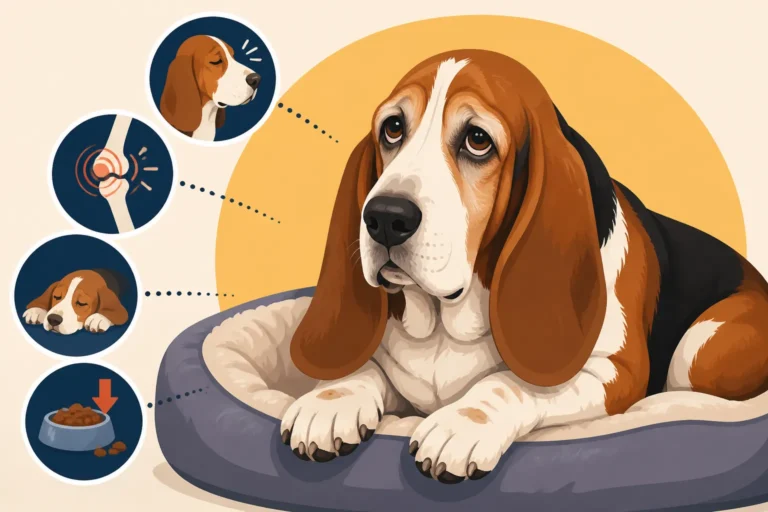
Basset Hounds, for all their charm, are predisposed to several inherited health conditions due to their unique conformation and genetic makeup. These aren't just minor ailments; many can significantly impact their quality of life and your wallet. Thinking that these issues only happen to "other dogs" is a common trap, but the statistics paint a clear picture.
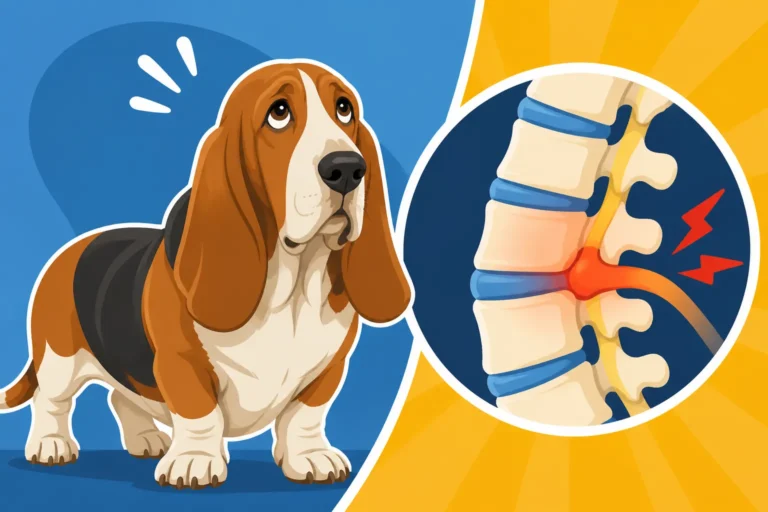
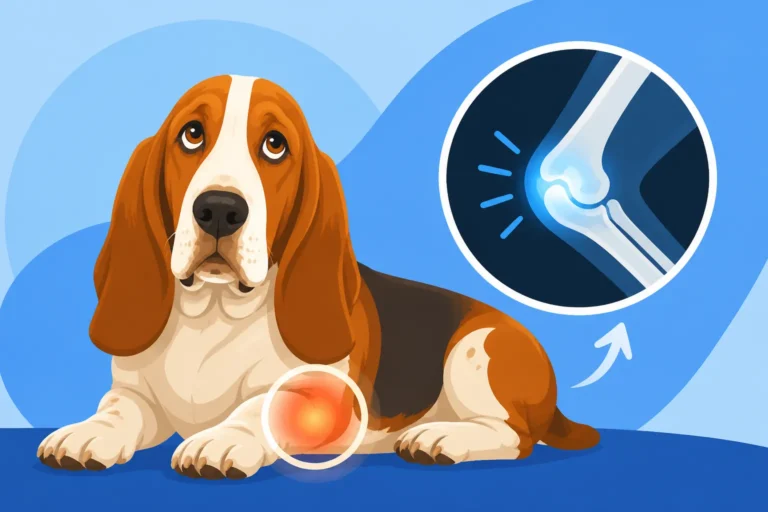
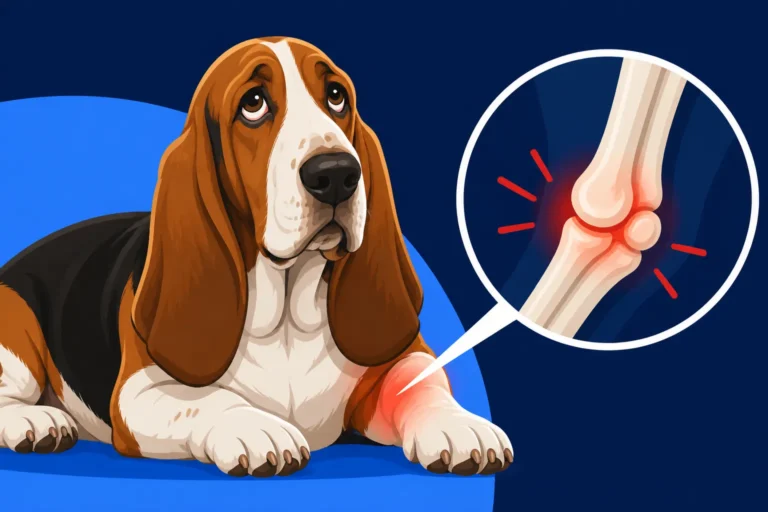
For instance, The Glaucoma a Basset Hound Inherits is a serious eye condition that can lead to blindness and significant pain. It’s often hereditary, and responsible breeders will screen their breeding stock to avoid passing it on. Similarly, many Basset Hounds are prone to Why One Basset Hound in Seven Has Bad Elbows, a painful joint disease that can manifest early in life and often requires extensive management, including medication, physical therapy, or even surgery. Then there's Thrombopathia and the Basset Hound That Will Not Clot, a bleeding disorder that can turn routine procedures like spaying or neutering into life-threatening emergencies. These aren't just random occurrences; they are often deeply rooted in a dog's genetic lineage. An untested litter means that the parents haven't been screened for these conditions, leaving you completely in the dark about your puppy's predisposition.
What Health Testing Should Involve
A truly responsible Basset Hound breeder goes far beyond a general veterinary check-up for their breeding dogs. They invest time, effort, and money into specific health clearances, which are often certified by national organizations. These tests aim to reduce the likelihood of passing on known genetic diseases to the next generation.
Here’s a snapshot of what comprehensive health testing typically includes:
| Condition Screened For | Type of Test/Certification | Why It Matters for Basset Hounds |
|---|---|---|
| Elbow Dysplasia | OFA (Orthopedic Foundation for Animals) Elbow Certification | A common, painful joint disease leading to arthritis and lameness. |
| Hip Dysplasia | OFA Hip Certification | While less common than elbow issues in Bassets, still a concern for joint health. |
| Eye Conditions | OFA Eye Certification (formerly CERF) | Screens for hereditary eye diseases like glaucoma and entropion/ectropion that can cause pain or blindness. |
| Thrombopathia | Genetic DNA Test (e.g., via Embark, Optimal Selection) | Identifies carriers or affected dogs for this bleeding disorder, crucial for surgical safety. |
These aren't just pieces of paper; they represent a breeder's commitment to the health and longevity of their puppies. A general vet check only tells you if the parent is currently healthy; it doesn't reveal their genetic blueprint for passing on inherited conditions. Asking to see these specific certifications, not just a vet bill, is paramount when evaluating a breeder. You're essentially looking for breeders who are proactive in preventing future heartbreak.
The Hidden Costs and Heartache of an Untested Puppy
It's tempting to think you're getting a "bargain" when a puppy from an untested litter costs less upfront. However, this initial saving can quickly be overshadowed by astronomical veterinary bills and the emotional strain of caring for a chronically ill dog. The true cost of a pet often extends far beyond the purchase price.
Financial Ramifications of Untested Breeding
Let's be brutally honest: buying an untested puppy is a financial gamble. While no breeder can guarantee 100% health, skipping crucial genetic screening dramatically increases the odds of dealing with expensive, chronic conditions down the line. Imagine bringing home your sweet Basset, only to discover at 18 months that they're struggling with severe elbow dysplasia. This isn't just a simple fix. What a Basset Hound's Emergency Surgeries Cost can run into the thousands of dollars, easily eclipsing any initial savings on the puppy price.
Consider the potential treatments:
- Glaucoma: Daily eye drops (which can be expensive), regular pressure checks, and potentially surgical procedures like enucleation (eye removal) if the pain becomes unmanageable. What a Basset Hound's Eye Pressure Check Costs can add up over a lifetime, not to mention the stress of administering medication to a reluctant hound.
- Elbow Dysplasia: Pain medication, joint supplements, physical therapy, and possibly multiple surgeries throughout the dog's life. These ongoing costs are significant.
- Thrombopathia: While not requiring daily treatment, it means any cut, injury, or surgery could lead to massive vet bills for blood transfusions or specialized care to control bleeding. What an Aural Hematoma Repair Costs on a Basset Hound might be a relatively minor surgery for most dogs, but for one with a bleeding disorder, it becomes a high-risk, expensive ordeal.
Many owners opt for pet insurance to mitigate these risks. Companies like Healthy Paws offer comprehensive coverage that can be a lifesaver when unexpected health issues arise. However, even with insurance, you'll still have deductibles and co-pays, and many policies have waiting periods or exclude pre-existing conditions. If your puppy develops a genetic condition that could have been screened for in the parents, it might be deemed pre-existing if it shows symptoms before your policy starts or finishes its waiting period, leaving you entirely responsible for the costs.
Emotional Toll on You and Your Family
Beyond the financial strain, the emotional impact of owning a chronically ill dog from an untested litter can be profound. You fall in love with your Basset Hound puppy instantly, and the thought of them suffering is heartbreaking. Watching your beloved companion struggle with pain, mobility issues, or vision loss takes a significant emotional toll on the entire family.
Imagine the joy of your Basset puppy slowly giving way to concern as they start limping at a young age, or the sudden panic when their eye becomes red and swollen, indicating a painful glaucoma flare-up. The stress of constant vet visits, administering medications, managing pain, and adapting your life to accommodate their special needs can be overwhelming. It can lead to feelings of guilt ("Did I make the right choice?"), frustration, and deep sadness.
The unique bond you share with your dog is tested when they face chronic illness. While you'll undoubtedly provide all the love and care you can, it's a burden that a responsible breeder aims to help you avoid by screening for preventable hereditary conditions. A healthy dog means more years of joyful companionship and less time spent worrying and grieving. This is why investing in a puppy from health-tested parents is not just about avoiding future bills; it's about safeguarding your emotional well-being and ensuring the best possible life for your furry friend.
Navigating the Puppy Search: What to Look For and Ask For
Finding a Basset Hound puppy can feel like a treasure hunt, but it's crucial to approach it with a discerning eye. The goal isn't just to find any puppy, but to find a healthy, well-socialized one from a breeder who genuinely cares for the breed's future. This often means doing your homework and not being afraid to ask tough questions.
Questions to Ask Potential Breeders
When you're speaking with a breeder, think of it as an interview—for both of you. They should be asking you questions about your home and lifestyle, and you absolutely should be asking them about their dogs and practices. Transparency is key. Here are some critical questions, focusing on health testing, that you should absolutely put to any potential Basset Hound breeder:
- "Can I see the OFA Elbow and Hip certifications for both the sire (father) and dam (mother) of this litter?" Don't just take their word for it. Reputable breeders will have these documents readily available, often showing "Good" or "Excellent" for hips and "Normal" for elbows. This is vital for assessing their risk of Whether a Basset Hound Gets Hip Dysplasia and elbow problems.
- "Do you have current OFA Eye (or ECVO/ACVO) certifications for both parents?" These certifications confirm that a veterinary ophthalmologist has examined the parents and found no evidence of inherited eye diseases like glaucoma or entropion.
- "Have both parents been tested for Thrombopathia, and can I see the results?" This is a specific genetic test, often done via a buccal swab (cheek swab) sent to a lab. Knowing the status of the parents (clear, carrier, or affected) is crucial, especially for carriers who should only be bred to clear mates.
- "What other health screenings do you perform on your breeding dogs?" Some breeders might also screen for hypothyroidism, patella luxation, or even cardiac issues, although elbow, hip, eye, and thrombopathia are generally considered the core for Basset Hounds.
- "What is your health guarantee, and what does it cover?" A good breeder will offer a health guarantee, often for the first one or two years of the puppy's life, specifically covering hereditary or congenital conditions. Understand the terms, what it requires of you (like specific vet exams), and what the breeder's responsibility is (e.g., replacement puppy, partial refund).
- "Can I meet the puppy's parents (at least the mother) and see where the puppies are raised?" This gives you insight into the temperament and condition of the breeding dogs, as well as the cleanliness and socialization environment for the puppies.
- "What is the average lifespan of your dogs and their ancestors?" While not a test, it provides insight into the general health and longevity trends in their lines. The Ten to Twelve Years a Basset Hound Lives is the average, but good lines might exceed this without major health issues.
Remember, a responsible breeder will welcome these questions and be eager to educate you. They have nothing to hide and are proud of their efforts to produce healthy puppies.
Red Flags and Green Lights in the Breeder Search
Knowing what to look for, and what to run from, is vital. Trust your gut, but also trust the objective evidence.
Red Flags to Watch Out For:
- "Puppies available now, no waiting list!" While sometimes legitimate, this can be a sign of overbreeding or a lack of proper planning and screening. Reputable breeders often have waiting lists because of their selective breeding practices.
- "Cash only, no questions asked." Dodgy breeders often operate this way to avoid records and accountability.
- "No health testing performed, but 'my vet said the parents are healthy.'" As discussed, a general vet check is not a substitute for official health certifications like OFA or genetic DNA tests.
- "We don't provide papers/registrations because they cost extra." Reputable breeders register their litters, and this isn't an "extra cost" they pass on by denying papers. Registration helps track lineage and health information.
- "You can't meet the parents or see where the puppies are raised." This is a huge red flag. A breeder who truly cares will want you to see the environment and meet the dam.
- "Selling multiple breeds, especially 'designer' mixes, with no specific focus." Puppy mills or backyard breeders often churn out various breeds for profit, without deep knowledge or care for any specific breed's health.
- "Aggressive sales tactics or pressuring you to buy." A good breeder wants the right home for their puppy, not just any sale.
- "Pricing seems too good to be true." If a Basset Hound puppy is significantly cheaper than the going rate (which can be found by researching What a Basset Hound Puppy Costs From a Real Breeder), there's likely a reason, and it's rarely a good one.
Green Lights that Signal a Responsible Breeder:
- Asks you lots of questions. They want to ensure their puppies go to good, informed homes.
- Openly provides and explains health clearances/certifications. They are proud of their health testing results.
- Active in local or national breed clubs. This indicates a commitment to the breed standard and ongoing education.
- Provides a comprehensive health guarantee and a sales contract. This shows they stand behind their puppies and have clear terms.
- Happy to let you meet the mother (and possibly the father) and see the clean, stimulating environment where the puppies are raised.
- Provides references from other puppy buyers and their veterinarian.
- Educates you about the breed's needs, potential challenges, and offers lifelong support. They are a resource for the entire life of your Basset Hound.
- Prioritizes temperament and health over flashy colors or "rare" traits.
By carefully evaluating breeders and being prepared with your questions, you significantly increase your chances of bringing home a healthy, happy Basset Hound puppy.
Weighing the Risks: Is a "Bargain" Basset Hound Worth It?
When you're excited about a new puppy, it's easy to get caught up in the moment and overlook potential issues, especially if a lower price tag seems attractive. But when it comes to Basset Hounds, choosing an "untested" litter from a seemingly cheaper source can lead to a lifetime of financial strain and emotional heartache that far outweighs any initial savings.
The Price Tag vs. Lifetime Investment
It's natural to look for ways to save money, but the purchase price of a Basset Hound puppy is arguably one of the smallest financial commitments you'll make over their lifetime. A puppy from a responsible, health-tested breeder might cost more upfront—often several thousand dollars, depending on location and lineage. However, this initial investment is often a preventative measure against much larger expenses down the road.
Consider this: a "bargain" Basset Hound puppy might be $500-$1000 less than one from a reputable breeder. But if that cheaper puppy develops severe elbow dysplasia, you could easily be looking at $3,000-$6,000 or more for diagnostics, surgery, and post-operative care, possibly multiple times over their life. Glaucoma treatment can involve expensive daily eye drops costing hundreds per year, plus emergency vet visits for acute flare-ups. This isn't just theory; it's the reality for many owners.
What you're really paying for with a health-tested puppy is peace of mind, a reduced risk of preventable genetic diseases, and the support of a knowledgeable breeder who cares. It's an investment in your dog's future health and your financial stability. Thinking about Insuring a Basset Hound Against Eyes, Ears and Backs is a smart move for any Basset owner, but even the best insurance won't negate all out-of-pocket costs, nor will it erase the emotional pain of a chronically ill pet.
Considering Alternatives When Budget is a Concern
If the cost of a well-bred, health-tested Basset Hound puppy is truly beyond your budget, it's a good time to consider alternatives rather than compromising on health. The most compassionate and often rewarding alternative is adoption.
Many Basset Hound rescues across the country are dedicated to rehoming hounds of all ages. These dogs often come with a known medical history, or the rescue organization will have performed initial health assessments, vaccinations, and spaying/neutering. While you might not get a young puppy, you gain a dog whose personality is already developed, and whose health status is often more transparent. Many adult Basset Hounds end up in rescue not because of severe health issues, but due to owner circumstances, housing changes, or simply being "too much" for an unprepared family. You might find a perfectly healthy, loving companion for a fraction of the cost, and you'd be providing a much-needed second chance. You might also find that adopting is simply a better fit for your lifestyle, as older dogs often require less intense training than puppies.
Another option, if you have your heart set on a puppy, is to simply wait and save up. What a Basset Hound Costs a Year to Keep is significant, and preparing financially for a well-bred puppy is just the first step in ensuring you can provide excellent care for their entire life. Investing in a healthy start for your Basset Hound is one of the kindest things you can do for them, setting them up for a life of joy and reducing the likelihood of preventable suffering for both of you.
Disclaimer
The information provided in this article is for educational and informational purposes only and does not constitute veterinary advice. Always consult with a qualified veterinarian for any health concerns or before making any decisions about your pet's care.