How Often a Basset Hound’s Nails Need Cutting
One of the most common struggles Basset Hound owners face is keeping those magnificent paws in tip-top shape, and a huge part of that is nail care. It's not just about aesthetics; overgrown nails can lead to significant discomfort, pain, and even long-term health issues for our low-slung friends. This guide will walk you through everything you need to know about maintaining your Basset Hound's nails, from understanding their unique anatomy to establishing a manageable trimming routine, helping you keep your floppy-eared companion happy and sound.
Why Basset Hound Nails Are a Special Challenge
Let's be honest, getting a Basset Hound to do anything it doesn't want to do can feel like a Herculean task, and nail trimming often sits at the top of that list. Unlike many other breeds, Basset Hounds have a distinct foot structure and a generally more laid-back (some might say stubborn!) demeanor that can make routine nail care feel like a wrestling match. This isn't just a minor inconvenience; it's a critical aspect of their overall well-being.
The Impact of Their Unique Anatomy
Basset Hounds are built for scent work, with powerful, substantial bone structure and strong, compact feet designed to offer traction and stability over varied terrain. However, their short legs and heavy bodies often mean they don't wear down their nails naturally as much as more active, lanky breeds might. The shape of their feet, often described as "large, round, and massive," with well-arched toes, means their nails can quickly become too long if not regularly maintained. When those nails hit the ground with every step, it puts unnatural pressure on the toe joints, pushing them back into the footbed. This isn't just uncomfortable; it can lead to splayed toes, changes in gait, and even structural damage over time.
Think about it this way: imagine walking around with shoes that are constantly too small, forcing your toes to curl up. That's essentially what a Basset Hound experiences with overgrown nails. It changes how they stand, how they walk, and how they distribute their weight, which, for a breed already prone to The Back Trouble a Basset Hound Is Built Into and Elbow Dysplasia in a Basset Hound, is a recipe for accelerated wear and tear on their joints. You might even notice they become less enthusiastic about walks or jumping on their favorite Helping an Old Basset Hound Onto the Couch.
The Role of Temperament and Lifestyle
Basset Hounds, bless their hearts, are not always the most cooperative patients when it comes to personal grooming. Their "I'll do it if I want to" attitude, combined with a strong prey drive that can make them less interested in sitting still when there are interesting smells nearby, can make nail trims particularly challenging. Many Basset Hounds also aren't as active as other breeds, preferring a leisurely sniff-walk to a vigorous run. This lower activity level means their nails don't get the natural grinding down that a lot of dog nails do on pavement or rough terrain.
A Basset Hound might spend a good chunk of its day snoozing on a soft bed or sniffing around the yard, activities that do absolutely nothing to shorten their nails. If your Basset Hound is like mine, a romp in the park might involve more sniffing than actual running, which, while great for their mental stimulation, won't keep those nails in check. This means that us humans really need to take charge of their nail health. Over time, neglecting this can lead to a vicious cycle: long nails cause discomfort, which makes them even less willing to be handled, exacerbating the problem. It's a real frustration, but it's one we absolutely have to tackle head-on.
Understanding the Anatomy: Quick, Nail, and Foot Structure
To truly understand why nail trimming is so important for Basset Hounds, we need to take a quick dive into the anatomy of their paws. It’s not just about clipping a piece of keratin; it’s about understanding the living tissue beneath and how it dictates the proper length and frequency of trims. This knowledge empowers you to trim confidently and prevent accidental injury.
The "Quick" and Why It Matters
Every dog nail contains what's called the "quick." This is a blood vessel and nerve ending that runs down the center of the nail. In light-colored nails, you can often see it as a pinkish area, but in dark nails, it's completely hidden, which is where the real challenge for Basset owners often lies. The quick grows with the nail; if nails are allowed to get long, the quick will extend further down the nail shaft. If you cut into the quick, it’s painful for your Basset Hound and will bleed quite a bit, making them (and often you!) very hesitant about future trims. This is a common fear for many owners, and it's completely valid.
The magic of consistent, frequent trimming is that the quick recedes over time. By taking off small amounts of nail regularly, the quick will slowly shrink back towards the paw, allowing the nail to be trimmed shorter and shorter without causing pain. This is the ultimate goal: to get those nails short enough that they don't touch the ground when your Basset is standing. This also ties into Whether a Basset Hound Objects to Nail Trims – if it's always painful, they'll always object.
Basset Hound Foot Structure and Nail Growth
Basset Hounds have wonderfully robust, heavy feet, often described as possessing "plenty of bone." Their toes are well-knuckled, and the pads are thick and strong, designed for stability and endurance on the trail. However, this structure also means their nails are often strong and thick, and if they don't naturally wear down, they can grow into imposing curved claws. These nails, combined with their characteristic loose skin, mean their feet demand extra attention.
When nails get too long, they push the toes upwards and backwards into the foot, distorting the natural angle of the paw. This effectively flattens the foot, spreads the toes, and can weaken the entire foot structure over time. This isn't just uncomfortable; it impacts their gait, causing them to walk on the sides of their feet or redistribute weight in ways that strain their joints and spine. You might notice them clicking on hard floors, or their feet looking splayed out. This issue can worsen the symptoms of other conditions like The Crooked Front a Basset Hound Is Built On or general arthritis, making every step a challenge for them, particularly as they get older.
Determining the Ideal Nail Trimming Schedule for Your Basset
So, how often should you really be trimming those nails? There's no single magic number, as it truly depends on your individual Basset Hound, their activity level, and how quickly their nails grow. However, there's a general guideline that can help you establish a routine that keeps your pup comfortable and healthy.
Listening for the "Click" and Visual Cues
The easiest way to tell if your Basset Hound's nails are too long is to listen. When they walk on a hard surface like tile or hardwood floors, you shouldn't hear their nails clicking. If you do, it's a sure sign that they need a trim. Visually, when your Basset Hound is standing naturally, their nails should not touch the ground. They should be level with, or just slightly above, the paw pads. If the nails are long enough to push their toes up or spread their feet, they are definitely overdue.
Consider your own daily routine. If you're walking your Basset Hound primarily on soft surfaces like grass or carpets, their nails will wear down less than if they regularly stroll on pavement or concrete. Even then, Whether a Basset Hound's Nails Wear Down Naturally is often a myth due to their low-to-the-ground build and moderate exercise requirements. For most Basset Hounds, a trim every 2-4 weeks is a good starting point. Some highly active Bassets might need it less often, while others, particularly older or less mobile ones, might need it every 1-2 weeks. It’s all about observation and consistency.
Establishing a Consistent Routine
The key to successful nail care for a Basset Hound is consistency. If you wait until their nails are extremely long, it becomes a much more difficult and potentially painful task, making your Basset even more resistant. Aim to trim small amounts frequently rather than trying to take off a lot at once. This approach helps the quick recede over time, making future trims easier and less stressful for everyone involved.
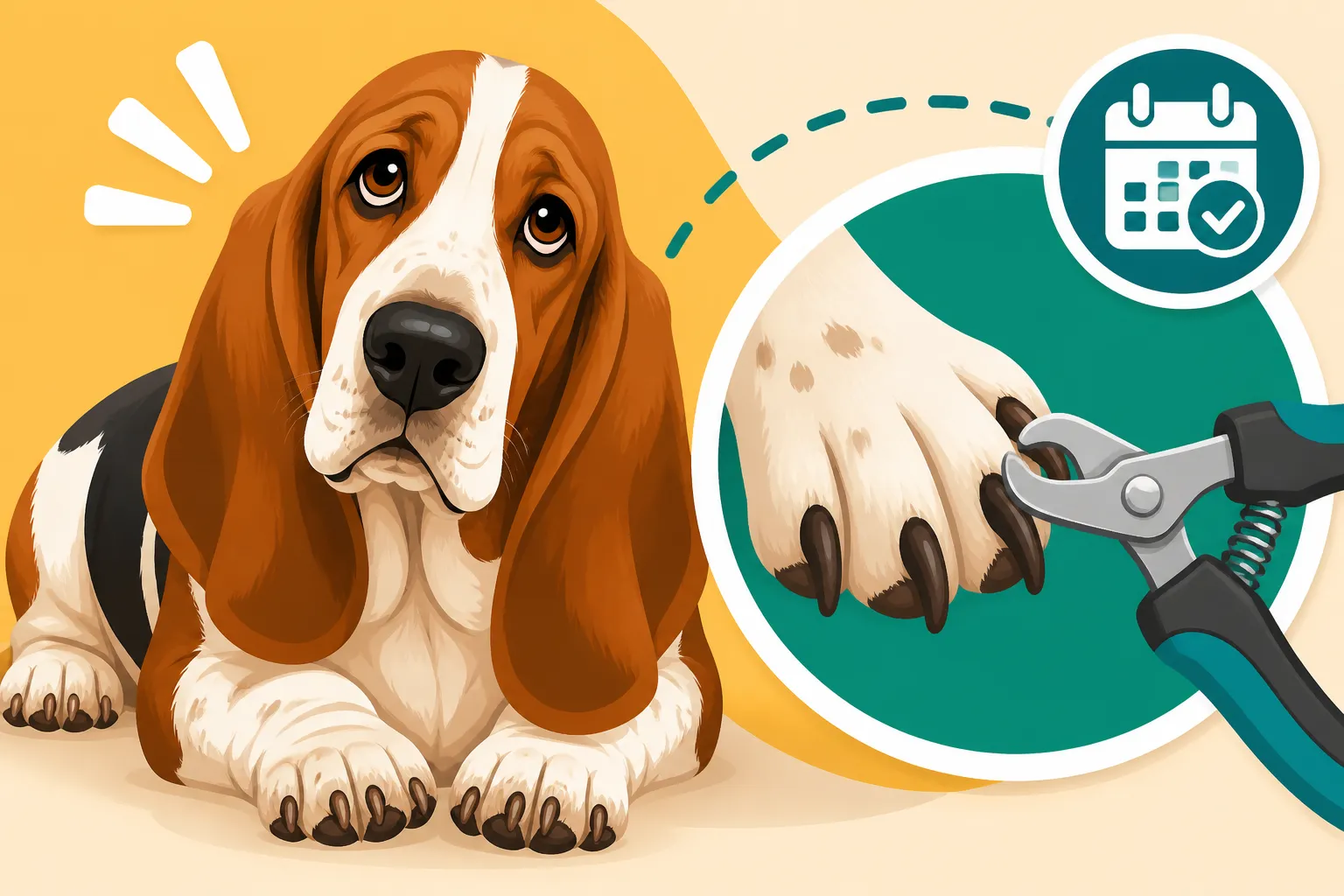
Consider marking it on your calendar, just like you would their ear cleaning routine. How Often a Basset Hound's Ears Must Be Cleaned is usually a weekly or twice-weekly affair, and while nails might not be quite that frequent, making it a regular appointment prevents it from becoming an overwhelming chore. If you're nervous about doing it yourself, regular trips to a professional groomer or your vet's office are a fantastic option. They can demonstrate proper technique and help desensitize your Basset Hound to the process. Don't feel guilty about seeking help – a positive experience, even if it's with a professional, is better than no experience at all.
The Art of Trimming: Tools and Techniques for Basset Hound Nails
Now that we understand the 'why,' let's delve into the 'how.' Trimming your Basset Hound's nails doesn't have to be a battle, but it does require the right tools and a gentle, patient approach. Selecting the correct equipment and learning a few techniques can make all the difference in making this a stress-free experience for both of you.
Choosing the Right Tools
There are two primary types of nail trimming tools: clippers and grinders. Both have their pros and cons, and what works best might depend on your Basset Hound's comfort level and your personal preference.
Nail Clippers:
- Scissor-style (Guillotine): These are popular for smaller to medium breeds, but for a Basset's thick nails, a high-quality scissor-style clipper is usually preferred over the guillotine type. They offer more control and leverage for those sturdy nails. Look for sharp, durable blades that make a clean cut. Dull clippers can crush the nail, which is painful.
- Pliers-style (Resco): These resemble a pair of pliers with a spring-loaded mechanism and are often recommended for large, strong nails like those found on a Basset. Brands like Safari or Millers Forge offer good options.
- The Big Question: The biggest challenge with clippers for Basset Hounds, especially those with dark nails, is accurately judging where the quick ends. If you’re unsure, always err on the side of taking off less, more frequently.
Nail Grinders:
- Rotary Grinders: Tools like a Dremel, or specific dog nail grinders available on platforms like Chewy or Amazon, use a rotating abrasive bit to file the nail down.
- Pros: Grinders offer more control over how much nail you remove, reducing the risk of hitting the quick. They also create a smooth edge, which can be nicer for you and your furniture, and help prevent torn nails. For Bassets who are sensitive to the "snip" sensation of clippers, grinding can be a good alternative.
- Cons: The vibrating noise and sensation can be initially off-putting for some dogs. You'll need to slowly introduce your Basset to the grinder with positive reinforcement. It can also take longer than clipping, requiring patience.
Regardless of your choice, always have styptic powder (like Kwik Stop) on hand. This powder instantly stops bleeding if you accidentally nick the quick. It's not a sign of failure; it's a part of responsible nail care preparedness.
Gentle Techniques for a Stress-Free Trim
The way you approach the trimming session is just as important as the tools you use. Patience, positive reinforcement, and a calm demeanor are crucial, especially for a Basset Hound who might already be wary of having their paws handled.
- Start Early and Positively: If you have a Basset Hound puppy, start handling their paws and toes frequently from a young age. Make it a positive experience with treats and praise. Even with an older Basset, consistent, short, positive sessions are key. Try touching their paws, then giving a treat. Gradually introduce the clippers or grinder, just letting them see and hear it, followed by treats. This "desensitization" process is vital.
- Find a Comfortable Position: For many Bassets, lying on their side with you sitting next to them works well. You can cradle their paw and keep them calm. Some prefer to stand, but ensure they are stable and not trying to pull away.
- Hold the Paw Firmly but Gently: Isolate one toe at a time. Press on the top of the paw to extend the nail and curl back any fur that might get in the way.
- Trim Small Amounts Frequently: For clippers, aim to take off just the very tip of the nail, going parallel to the quick. Look at the underside of the nail—as you get closer to the quick, you'll see a small dark dot appear in the center of the cut surface, indicating you're near the quick. Stop before you hit it! If using a grinder, use short bursts, constantly moving it from nail to nail to prevent heat buildup.
- Praise and Treat Generously: After each nail, or even just after a few nails, lavish your Basset Hound with praise and a high-value treat. Make it worth their while. If they get too stressed, stop for the session and try again later. It’s better to do a few nails at a time than to force a complete trim and create a negative association. Remember, What Actually Motivates a Basset Hound is often food!
Remember, consistency truly is your best friend here. If you’re struggling, don’t hesitate to ask your vet or a professional groomer for a demonstration. They can often provide invaluable tips tailored to your dog.
Recognizing the Signs of Overgrown or Neglected Nails
It's easy to overlook nails, especially with all the other What Basset Hounds Are Most Often Treated For that demand attention. However, overgrown nails aren't just an aesthetic issue; they can lead to significant pain and long-term health problems for your Basset Hound. Being able to recognize the signs of neglected nails is crucial for intervening early and preventing more serious complications.
Physical Manifestations of Overgrowth
The most obvious sign of overgrown nails is the audible "click-clack" on hard floors. If you hear this, the nails are too long. But beyond the sound, there are several physical indicators that your Basset Hound is suffering:
- Splayed Toes and Altered Gait: As nails grow long, they push the toes upwards and outwards, causing the foot to spread. This changes your Basset's natural stance and gait. You might notice them walking gingerly, with a rolled-in posture, or even a noticeable limp. They're trying to avoid putting pressure on those painful nails, which strains other parts of their body.
- Inflamed or Infected Nail Beds: Long nails can sometimes curve and grow into the paw pad itself, leading to painful ingrown nails, infections, or even cysts between the toes. This is particularly common if they have deep fur between their pads. You might see redness, swelling, or even pus around the nail bed. Your Basset Hound might excessively lick their paws, indicating irritation or pain.
- Difficulty Standing or Moving: For a breed already prone to joint issues, overgrown nails add another layer of discomfort. A Basset Hound with long nails might struggle to get up from a lying position, be hesitant to jump on or off furniture, or show general reluctance to walk or play. This isn't laziness; it's pain. For an old Basset Hound, The Old Basset Hound That Cannot Get Off the Floor can be made even worse by neglected nails.
These physical signs are your Basset Hound's way of telling you they're in pain. Ignoring them can lead to chronic discomfort and even costly veterinary interventions, such as treating infections or correcting severe structural issues in their paws.
Long-Term Health Consequences
The effects of long nails extend far beyond immediate discomfort. Over time, chronically overgrown nails can lead to permanent structural damage and exacerbate existing health conditions common in Basset Hounds.
- Joint Damage and Arthritis: The constant pressure from long nails pushing back on the toes forces the joints of the paw into unnatural positions. This chronic strain can lead to arthritis in the toe joints, and even affect the alignment of the wrist, elbow, and shoulder joints. For a breed already susceptible to conditions like Why One Basset Hound in Seven Has Bad Elbows and Arthritis in a Basset Hound at Seven, this is a serious concern. It accelerates the degeneration of cartilage and can significantly reduce their quality of life as they age.
- Spinal Strain: Due to the changes in gait and weight distribution caused by long nails, the entire spinal column can be affected. A Basset Hound's unique long back is already a point of vulnerability, and poor paw alignment can contribute to issues like intervertebral disc disease (IVDD). Intervertebral Disc Disease in a Basset Hound is a serious concern, and ensuring proper foot health is one small but significant way to reduce overall strain on their body.
- Behavioral Changes: A Basset Hound in constant pain might become withdrawn, irritable, or even snap when their paws are touched. What might seem like stubbornness or grumpiness could actually be a manifestation of chronic discomfort. Making nail care a positive routine, even if challenging, is an act of kindness that contributes to their overall emotional well-being.
- Aural Hematomas and Ear Infections: Believe it or not, overly long nails can sometimes contribute indirectly to other health problems. If a Basset Hound is constantly uncomfortable with its paws, it might shift its weight awkwardly, leading to an imbalance that could increase the risk of accidents. More directly, the pain and frustration can lead to stress, which can suppress the immune system. Also, dogs might chew at their paws more when uncomfortable, leading to secondary infections which demand veterinary care. Or, in a fit of paw licking or stress-induced scratching, they might injure their ears, leading to a condition like Whether a Basset Hound Develops an Aural Hematoma.
Understanding these consequences underlines the importance of making nail care a non-negotiable part of your Basset Hound's routine.
Making Nail Trimming a Positive Experience (or Less of a Chore)
Let’s be real, for many Basset Hound owners, nail trimming is less a joyful bonding experience and more a necessary evil. But it doesn’t have to be a dreaded event for either of you! With the right approach, you can transform it from a struggle into a routine that your Basset tolerates, or even (dare I say it?) enjoys. It’s all about building trust and positive associations.
Overcoming Resistance and Fear
If your Basset Hound already throws a fit at the sight of clippers, you’re not alone. Many dogs, especially those who’ve had a bad experience (like hitting the quick), develop a strong aversion. The key here is not to force it, but to re-introduce the process in tiny, manageable steps, always associating it with something wonderful.
- Paws for Paws-itive Reinforcement: Start by simply touching your Basset’s paws, one at a time, for just a second. Immediately follow with a super high-value treat (think small pieces of cheese, cooked chicken, or even a dollop of peanut butter). Do this several times a day, every day. Slowly increase the duration of the touch.
- Introduce the Tools Gradually: Once they’re comfortable with paw handling, bring out the clippers or grinder. Don’t do anything with them yet. Just let your Basset see them, sniff them, and then give a treat. Repeat. Then, gently touch the back of the clipper or the off grinder to their paw, followed by a treat. If using a grinder, turn it on away from them, let them hear the sound, then treat. The goal is to build a positive association with the sight and sound of the tools.
- The "One Nail" Method: When you’re ready to actually trim, aim for just one nail. Get that one nail done, treat like crazy, then stop the session. Even if it's only one nail a day for five days, that's better than trying to do all of them in a stressful go. The cumulative effect of positive, short sessions will far outweigh one traumatic extended session. Over time, you might be able to do two, then three, then eventually all of them. Consistency over quantity is the mantra here. You can even try doing it when they are sleepy and relaxed on the couch, or after a long walk where they are more tired.
Remember, patience is paramount. It might take weeks or even months to change a deeply ingrained fear, but it's worth the effort for your Basset's long-term comfort and your peace of mind.
Professional Help and Support
Sometimes, despite your best efforts, you just can’t get those nails trimmed, and that's perfectly okay. There’s no shame in seeking professional help. In fact, it's often the kindest thing you can do for your Basset Hound.
- Veterinary Care: Your veterinarian and their technicians are experts in handling dogs, especially those who are nervous or difficult during grooming. They can often trim nails quickly and efficiently. If your Basset is extremely anxious, your vet might even suggest mild sedatives or calming medications to make the experience less stressful. This isn't a permanent solution, but it can be a vital step in getting extremely overgrown nails under control without causing further trauma.
- Professional Groomers: Many professional groomers are incredibly skilled at working with difficult dogs and have techniques and experience that owners don't. A good groomer understands how to build trust and use positive reinforcement. Ask for recommendations for groomers experienced with Basset Hounds or other stubborn breeds. They might even offer "walk-in" nail trims, making it easier to pop in for a quick clip rather than a full grooming session. You might find services offered at local pet stores or through independent groomers.
- Long-Term Strategy: Think of these professionals as part of your team. Perhaps you do two nails at home, and the groomer handles the rest, or you visit the vet for a full trim every couple of months while you work on desensitization at home. The goal is a long-term strategy for healthy nails, not just a single battle won. When you're picking up supplies from online retailers like Chewy or Amazon, you can also look for calming treats or enrichment toys to distract your Basset during these sessions.
No matter how you approach it, remember that consistent nail care is a cornerstone of your Basset Hound's health. Neglecting it can lead to pain, joint issues, and a reluctance to move, impacting their joyful, sniffing life. By understanding their unique needs and implementing a compassionate, consistent routine, you'll ensure their magnificent paws carry them comfortably for years to come.
Nail Care Best Practices for Basset Hounds
Keeping your Basset Hound's nails in prime condition isn't just about trimming; it's about a holistic approach that includes daily habits, proper foot maintenance, and recognizing when something is amiss. Incorporating these best practices into your routine will contribute significantly to their comfort and overall well-being.
Daily Foot Checks and Handling
Beyond the scheduled trim, a quick daily or every-other-day check of your Basset's paws can catch potential issues before they become major problems. This regular handling also reinforces positive associations, making trim days less stressful.
- The Power of Touch: While you're enjoying some cuddle time, gently massage your Basset's paws. Run your fingers over each toe, feeling the nails and looking between the pads. This isn't just a physical check; it’s a bonding exercise. If they associate paw handling with affection and attention, they’ll be far more receptive when it's time for more intensive care.
- Inspect for Issues: Look for any redness, swelling, cracks in the nails, or signs of irritation between the paw pads. Basset Hounds' loose skin and heavy feet can make them prone to issues like Skin Fold Infections on a Basset Hound and Whether a Basset Hound Gets Interdigital Cysts between their toes. Sometimes, debris, foxtails, or even tiny pebbles can get lodged between their pads, causing significant discomfort. Prompt removal of foreign objects can prevent infection and limping.
- Pad Health: Don't forget their paw pads! They should be tough but supple. Check for dryness, cracks, or cuts. You can use a dog-safe paw balm to keep them moisturized, especially in harsh weather. Healthy pads contribute to comfortable walking and can indirectly help prevent other foot issues.
Making these checks a regular part of your interaction means you'll be attuned to what's normal for your Basset's feet, allowing you to quickly spot any changes that might require attention.
Environmental Considerations and Activity
How your Basset Hound moves through the world also plays a role in their nail health. While their activity level might not be as high as some breeds, what they do walk on can make a difference.
- Hard Surfaces for Natural Wear: While you shouldn't rely solely on natural wear, regular walks on pavement, concrete, or even packed dirt can help to naturally abrade the tips of your Basset's nails. Just be mindful of extreme temperatures; hot pavement can burn paw pads in summer, and icy or salted surfaces can be damaging in winter.
- Ramps and Steps: Because Basset Hounds are prone to back and joint issues, minimizing jumps and sudden impacts is crucial. Using ramps to get into the car or steps for access to furniture is highly recommended. Whether a Basset Hound Should Use a Ramp is a definite yes. While these don't directly impact nail wear, they protect the joints that are affected by overgrown nails, creating a healthier overall musculoskeletal system.
- Indoor Surfaces: Slippery indoor surfaces like hardwood or tile can be challenging for Basset Hounds, especially if their nails are even slightly too long, reducing traction. Consider using rugs or runners in high-traffic areas to give them better grip. This can prevent slips and falls, which are particularly risky for a breed with a long back and short legs. Whether Rugs Help a Basset Hound's Footing is a good question, and the answer is absolutely yes.
By combining diligent home care, smart environmental choices, and professional support when needed, you can ensure your Basset Hound's nails are always in the best possible condition, contributing to a lifetime of comfortable sniffing, waddling, and happy living.
| Nail Length Indicator | What It Means | Action Required |
|---|---|---|
| Clicking on hard floors | Nails are too long and contacting the ground. | Immediate trim/grind needed. |
| Nails touching ground | When standing, nails are at or below paw pads. | Immediate trim/grind needed. |
| Splayed toes | Nails are pushing toes back, spreading the foot. | Urgent attention to shorten nails; daily checks. |
| Excessive paw licking | Possible irritation, pain, or infection. | Inspect paws thoroughly, seek vet if needed. |
| Hesitation to walk/jump | Could indicate discomfort from long nails or joints. | Check nails, consult vet for joint health. |
| Nails well above pads | Ideal length; nails do not contact the ground. | Maintain regular schedule (e.g., 2-4 weeks). |
Disclaimer
This article is for general informational purposes only and does not constitute professional advice. Laws, prices and regulations vary by location and change over time. Consult a qualified professional for guidance on your specific situation.