Whether an Old Basset Hound Still Needs Walks
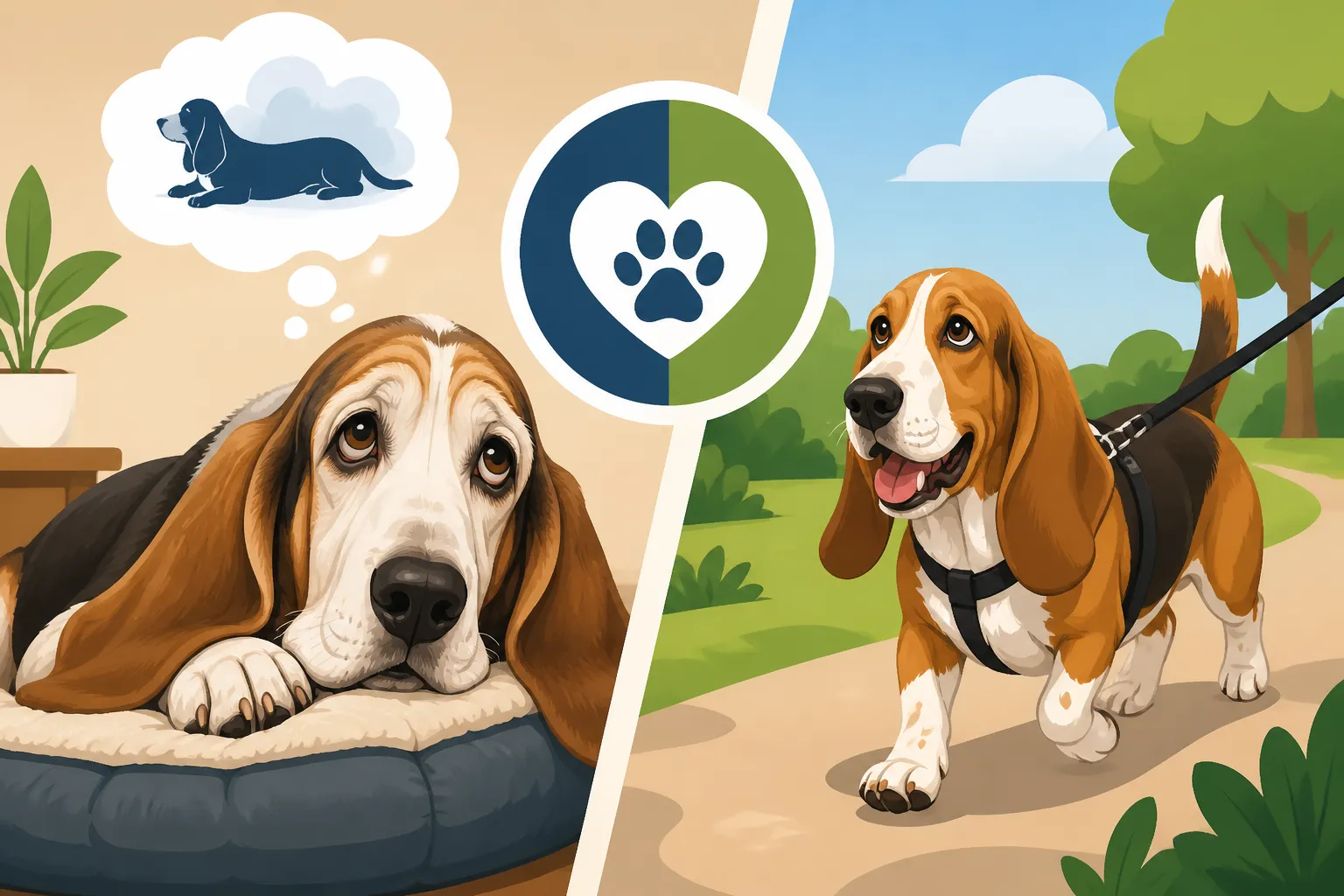
It's a common dilemma for Basset Hound owners: as our beloved hounds age, they slow down, maybe groan a little more, and we start to wonder if those daily walks are still a good idea, or even necessary. The truth is, while the type and intensity of their walks will certainly change, an old Basset Hound absolutely still needs regular, appropriate physical activity to maintain their health and happiness. Dismissing walks entirely can actually accelerate decline, both physically and mentally.
Why Movement Remains Essential for Senior Basset Hounds
Just because your Basset Hound isn't tearing through the fields like they used to, doesn't mean their need for movement vanishes. In fact, gentle, consistent exercise becomes even more critical for older dogs. It's not about achieving fitness goals; it's about maintaining quality of life, preventing further deterioration, and keeping their minds engaged.
Maintaining Joint Health and Mobility
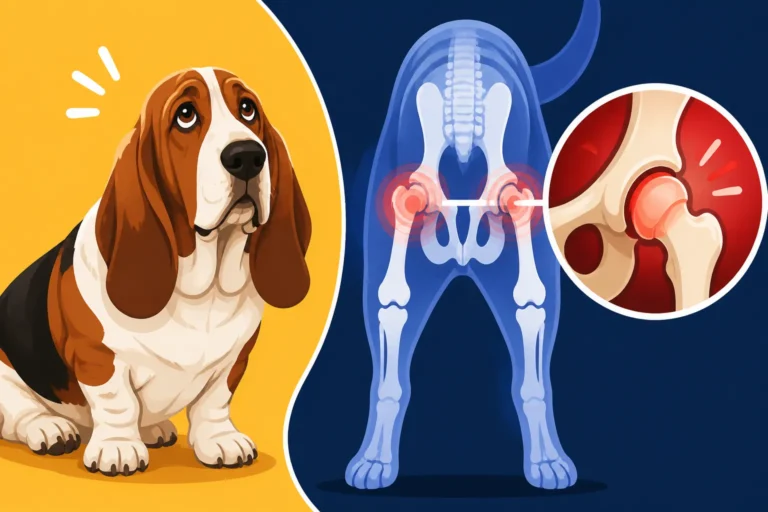
One of the biggest concerns for an aging Basset Hound is joint health. Their unique structure, with those short, heavy legs and long backs, makes them prone to conditions like arthritis and disc issues. Consistent, low-impact movement helps to lubricate joints, strengthen supporting muscles, and improve flexibility. Think of it like a gentle oiling of well-loved machinery; without it, things seize up quicker. Skipping walks can lead to stiffness, pain, and a more rapid progression of joint degradation. Even a slow, plodding walk can make a world of difference in keeping them comfortable and mobile, helping to delay the challenges of The Old Basset Hound That Cannot Get Off the Floor.
Furthermore, keeping muscles toned helps support their skeletal structure, reducing strain on their joints and spine. When a Basset Hound becomes sedentary, their muscles atrophy, making them weaker and more susceptible to injury or worsening existing conditions. It's a cruel cycle where inactivity leads to more pain, which then leads to more inactivity. Gentle walks are a proactive measure to keep their body as functional as possible for as long as possible.
Preventing Weight Gain and Related Issues
It's no secret that Basset Hounds love their food and can easily pack on pounds. As they age, their metabolism naturally slows down, and their energy levels decrease, making them even more prone to weight gain. Every extra pound puts immense pressure on their already strained joints and back, exacerbating conditions like Arthritis in a Basset Hound at Seven or The Back Trouble a Basset Hound Is Built Into. This is why keeping a senior Basset at a healthy weight is paramount.
Regular walks, even short and slow ones, burn calories and help manage their weight. Combine this with careful portion control and appropriate senior dog food, and you have a powerful strategy to extend their comfortable years. Owners often grapple with What Extra Weight Does to a Basset Hound, and appropriate exercise is a key component of the answer. A heavier dog will experience more pain and difficulty moving, making those walks even harder, creating another negative feedback loop.
Sustaining Mental Stimulation and Well-being
Basset Hounds are scent hounds, through and through. Their world is largely experienced through their incredible noses. Even if their legs aren't what they used to be, their nose is often still very much in the game. A walk isn't just physical exercise for them; it's a rich tapestry of scents, sounds, and sights that provides vital mental enrichment. This mental stimulation prevents boredom, reduces anxiety, and keeps their cognitive functions sharp.
Imagine being confined to your home day in and day out, with no new input. It would be incredibly dull and depressing. The same applies to our hounds. Even a short stroll around the block offers a chance to sniff new lampposts, hear distant sounds, and observe the world passing by. This mental engagement is crucial for their overall happiness and can even help stave off cognitive decline, ensuring your old friend remains engaged and content.
Recognizing the Physical Changes in Your Aging Basset
Understanding the specific ways your Basset Hound's body is changing is key to adapting their walk routine. These changes aren't just about slowing down; they can involve discomfort, sensory decline, and altered endurance. Being observant and empathetic to these shifts will allow you to provide the best possible care and support.
Signs of Joint Pain and Stiffness
One of the most common issues in senior Basset Hounds is osteoarthritis. You might notice your dog is slower to get up after resting, or perhaps they groan a little more. Their gait might become stiffer, or they might limp slightly, especially after a longer walk or first thing in the morning. They might be reluctant to go up or down stairs, or struggle with activities that were once easy, like jumping onto the sofa. These are all subtle (or not-so-subtle) cues that their joints are causing them discomfort.
Sometimes, the signs are more indirect. A Basset Hound might become more irritable or withdrawn, which can be a direct result of chronic pain. They might start avoiding being petted in certain areas or snap if touched unexpectedly. It's important to differentiate between genuine pain and stubbornness. If your Basset seems to suddenly refuse a walk or sits down mid-stroll, it's worth considering if pain is the underlying cause. Keeping an eye out for Whether an Old Basset Hound Struggles to Stand is a critical step in recognizing joint issues.
Decreased Stamina and Endurance
As Basset Hounds age, their cardiovascular system might not be as efficient, and their muscle mass can decrease. This naturally leads to reduced stamina. A walk that used to be a breeze might now leave them panting and needing frequent breaks. They might not be able to cover the same distance, or they might get tired much faster than before. Their recovery time after activity can also increase significantly.
It's easy to push our dogs because we remember their younger, more vigorous days, but it's vital to respect their current limitations. Forcing an old Basset Hound to walk further than they're comfortable can lead to exhaustion, pain, and a negative association with walks, making them even less willing to go out next time. Instead, adjust your expectations and focus on quality over quantity.
Sensory Decline and Environmental Awareness
Aging often brings with it a decline in senses, primarily sight and hearing. An old Basset Hound might not see obstacles as clearly, especially in dim light, or might not hear commands as readily. This can make walks in unfamiliar or busy environments more challenging and potentially stressful for them. They might startle more easily or become disoriented if they can't rely on their usual sensory input.
While their nose remains incredibly powerful, diminished sight and hearing mean they need more guidance and a more predictable environment. They might bump into things they usually avoid or get lost in thought (or scent) and wander a bit further if they don't hear your call. Being mindful of these changes helps you choose safer, more comfortable walking routes and provides them with the reassurance they need.
Adapting Walk Routines for Comfort and Safety
Recognizing the changes in your senior Basset Hound is just the first step; the next is to proactively adjust their routine to meet their evolving needs. This isn't about giving up on walks, but rather reinventing them to prioritize comfort, safety, and continued enjoyment.
Shorter, More Frequent Outings
Instead of one long daily trek, consider breaking up their exercise into several shorter, more frequent outings. For example, two to three short 10-15 minute sniff-fests throughout the day might be far more beneficial and less taxing than one 30-minute walk. This allows them to stretch their legs, eliminate waste, and get their sniff-fix without overdoing it. It’s a concept closely related to Whether an Old Basset Hound Needs Shorter Walks, providing consistent, gentle movement without pushing them to exhaustion.
These shorter bursts of activity help keep their joints moving, maintain muscle tone, and offer regular mental stimulation. They also minimize the risk of them becoming overly tired or sore. Remember, even a quick trip to the mailbox can be an adventure for a Basset Hound's nose. The goal is consistent, manageable activity, not endurance training.
Choosing Appropriate Terrain and Pace
The type of surface you walk on makes a huge difference for an older Basset Hound. Hard surfaces like pavement or concrete can be jarring on arthritic joints. Opt for softer, more forgiving terrain whenever possible, such as grass, dirt trails, or compacted earth paths. Avoid steep hills or uneven ground that could cause them to stumble or lose balance.
The pace of the walk should be entirely dictated by your Basset Hound. Let them set the speed. If they want to stop and sniff for five minutes, let them. If they want to plod along at a snail's pace, that's their prerogative. Resist the urge to rush them. A leisurely stroll where they can truly engage their nose is far more valuable than a brisk walk that leaves them sore and stressed. Consider bringing a collapsible water bowl for longer (or warmer) outings, ensuring they stay hydrated.
Utilizing Assistive Devices
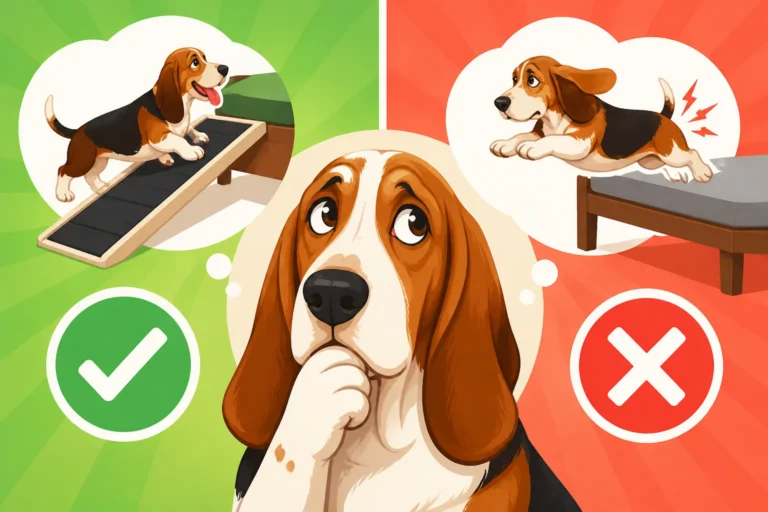
As mobility declines, assistive devices can become invaluable tools for keeping your Basset Hound active. A sturdy, well-fitting harness (rather than just a collar) provides better support and leverage if you need to help them over a curb or provide a little lift. Ramps can be essential for getting them into and out of cars, or even up onto furniture if they insist on their favorite spot, preventing dangerous jumps. Many owners find Helping an Old Basset Hound Onto the Couch becomes a daily ritual.
For Basset Hounds with significant hind leg weakness, a supportive sling or a dog cart might be a consideration. These devices allow them to still experience the joy of outdoor exploration without putting undue strain on their compromised limbs. While it might feel like a big step, it’s a wonderful way to extend their active years and maintain their mental well-being. For more significant mobility issues, you might even find yourself looking into Whether a Basset Hound Needs a Cart to help them keep moving.
Knowing When to Seek Veterinary Advice and Support
Even with the best intentions and adaptations, there will come a time when your Basset Hound's needs might outpace your home care capabilities. Knowing when to involve your veterinarian is crucial for their ongoing comfort and quality of life. Proactive veterinary care for senior Bassets can make an enormous difference.
Regular Senior Wellness Checks
It cannot be stressed enough how vital regular senior wellness checks are. Your veterinarian can identify subtle changes that you might miss, screen for common age-related conditions, and help you develop a comprehensive care plan. These check-ups should include a thorough physical examination, blood work to assess organ function, and potentially joint evaluations or X-rays if pain is suspected. Early detection of conditions like hypothyroidism, kidney disease, or even What Open Angle Glaucoma Does to a Basset Hound can lead to more effective management and a better prognosis.
During these visits, discuss any changes in your Basset Hound's mobility, appetite, water intake, or behavior. Your vet can recommend appropriate pain management strategies, which might include NSAIDs, supplements, or other therapies. Don't wait until your dog is clearly suffering; regular preventative care can help keep them comfortable for longer.
Exploring Pain Management and Supplements
If your Basset Hound is showing signs of discomfort during or after walks, it's time to talk to your vet about pain management. There's a wide array of options available today. Non-steroidal anti-inflammatory drugs (NSAIDs) are commonly prescribed for arthritis pain and inflammation. However, there are also other medications that can be used in conjunction with or instead of NSAIDs, depending on your dog's specific needs and health profile.
Beyond pharmaceuticals, many owners find success with joint supplements containing ingredients like glucosamine, chondroitin, and MSM. These can help support cartilage health and reduce inflammation. Omega-3 fatty acids are also excellent for their anti-inflammatory properties. Your vet can advise on the best combination and dosage. Many owners wonder Whether a Basset Hound Needs Joint Supplements as they age, and the answer is often a resounding yes, under veterinary guidance.
Considering Physical Therapy and Rehabilitation
For Basset Hounds struggling with mobility, especially those recovering from injury or managing chronic conditions, physical therapy and rehabilitation can be life-changing. A certified canine rehabilitation therapist can develop a tailored program that includes exercises to strengthen muscles, improve balance, increase flexibility, and reduce pain. This might involve hydrotherapy (walking in water), therapeutic exercises, massage, and even modalities like laser therapy.
These therapies can significantly improve your Basset Hound's ability to walk, play, and navigate their environment with greater ease and less pain. They offer a structured approach to maintaining and improving physical function, often providing results that medication alone cannot achieve. It's a proactive investment in their comfort and mobility, and understanding What Physical Therapy Costs a Basset Hound Owner can help you plan for this beneficial treatment. Companies like Healthy Paws often cover rehabilitation therapies if they are prescribed by a vet, which can make these advanced treatments more accessible.
The Lasting Benefits of Mindful Movement for Aging Hounds
It's clear that while the form of exercise changes for an old Basset Hound, the need for it absolutely does not. Mindful movement, tailored to their individual abilities and limitations, offers a plethora of benefits that contribute significantly to their overall well-being and longevity.
Enhanced Quality of Life and Happiness
Ultimately, ensuring an old Basset Hound still gets their walks, even adapted ones, is about maintaining their quality of life. The ability to move, explore, and engage with the world on their own terms contributes immensely to their happiness. Imagine the joy your Basset Hound experiences from sniffing out a particularly interesting scent or greeting a familiar dog down the street. These small moments are precious.
By keeping them active and engaged, you're not just prolonging their physical health; you're nurturing their spirit. A dog that can still enjoy their daily strolls, even if slow, is a dog that feels purposeful and connected. This proactive approach to their senior years is an act of love, ensuring they continue to thrive rather than just exist.
Stronger Bond Between Pet and Owner
Shared activities, even simple walks, strengthen the bond between a Basset Hound and their owner. These moments become cherished rituals, a time for connection and mutual enjoyment. As your Basset Hound ages and relies on you more, adapting their walks becomes an expression of your care and commitment. It's a testament to the enduring relationship you share, transforming a routine task into a tender act of companionship.
Walking together, even at a slower pace, provides opportunities for gentle interaction, observation, and understanding. You become more attuned to their subtle cues, their preferences, and their limitations. This deeper understanding enriches your bond, making the senior years a time of profound connection, even as physical abilities change. When considering the long-term commitment, knowing What a Basset Hound Costs a Year to Keep goes beyond just financial planning; it's also about time and emotional investment. Having good pet insurance, like a plan from Healthy Paws, can also provide peace of mind, allowing you to focus on these precious bonding moments without the added stress of unexpected vet bills.
Delaying Age-Related Decline
While we can't stop the march of time, appropriate exercise can absolutely help delay the progression of many age-related declines. Regular, gentle movement supports circulation, maintains muscle mass, improves joint flexibility, and keeps their minds sharp. It helps prevent conditions from worsening rapidly and can extend the period where your Basset Hound remains relatively independent and comfortable.
Think of it as an investment in their golden years. By keeping them moving, you're investing in more joyful tail wags, more contented naps, and more precious moments shared. The goal isn't to make them young again, but to ensure that the years they have are lived to their fullest, with as much comfort and happiness as possible. Don't underestimate the power of consistent, mindful Exercise for an Old Basset Hound.
Disclaimer
This article is for general informational purposes only and does not constitute professional advice. Laws, prices and regulations vary by location and change over time. Consult a qualified professional for guidance on your specific situation.