What Treats Cost a Basset Hound Owner
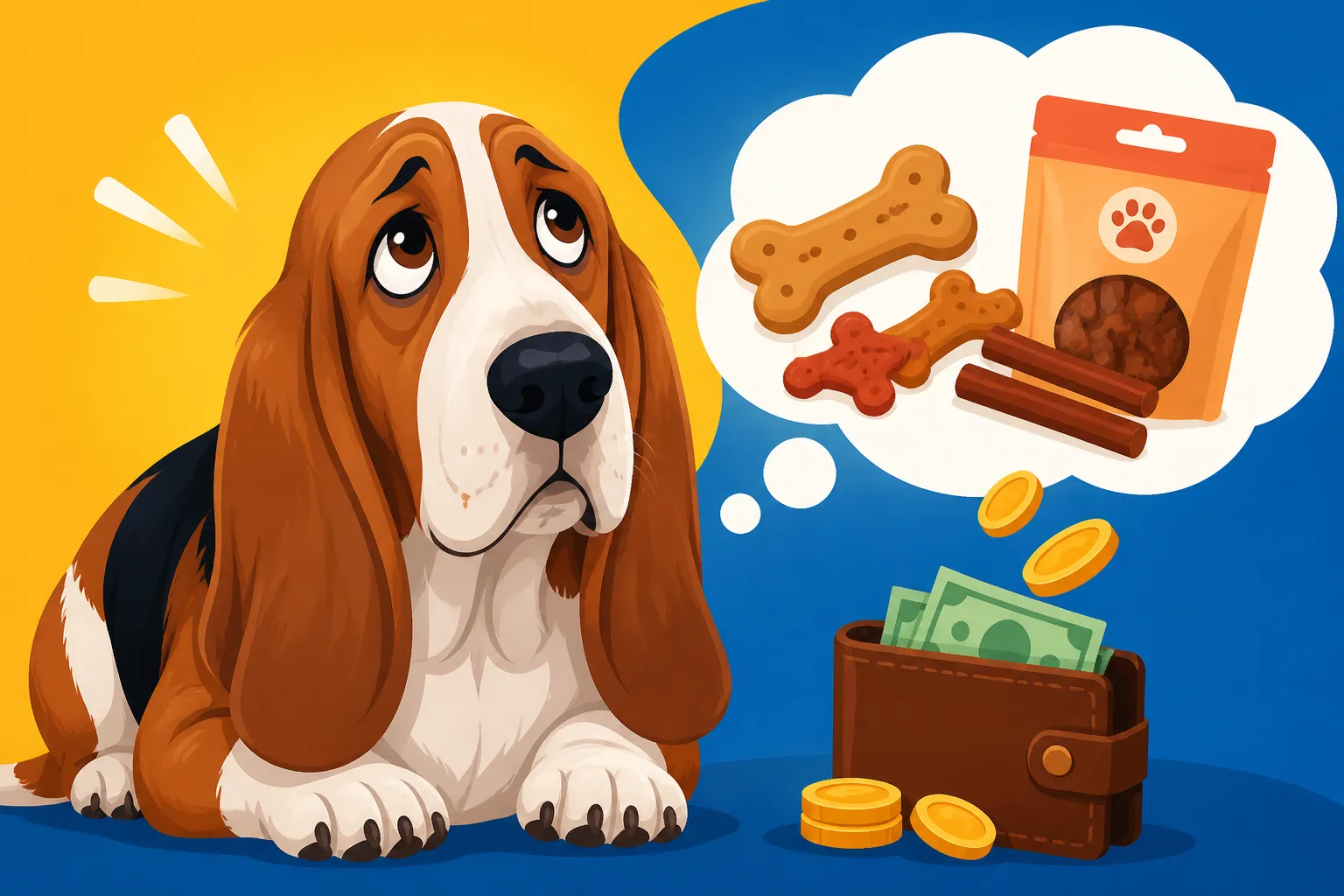
Let's be real, owning a Basset Hound means constantly battling their legendary appetites and those soulful, pleading eyes. You want to reward them, to train them, or just to spoil them a little, but the cost of treats can really sneak up on you. This guide is all about demystifying what treats actually cost a Basset Hound owner, from those everyday nibbles to the fancier, specialized options, and how to manage that expense without feeling guilty or breaking the bank.
The Spectrum of Basset Hound Treats and Their Price Tags
When you walk down the pet food aisle or browse online, the sheer variety of treats for your Basset Hound can be overwhelming. From crunchy biscuits to soft chews, dental sticks, and freeze-dried morsels, each type comes with its own general price point and suitability. Understanding these categories is the first step to managing your budget and making smart choices for your long-eared companion.
Everyday Biscuits and Training Treats
These are the workhorses of the treat world, often bought in larger quantities. Think of those classic crunchy biscuits, or the smaller, softer training treats that fit easily into a pocket for walks and obedience sessions. The cost per treat here is usually quite low, making them seem like an economical choice.
However, the volume you go through with a Basset Hound can quickly add up. Their keen noses and constant desire for a reward mean that a bag of training treats might not last as long as you expect. Many owners find themselves refilling these staples almost weekly, especially if they're actively working on Whether a Basset Hound Learns Tricks or trying to reinforce good behavior. While a bag might seem inexpensive on its own, say, five to ten dollars, buying two or three such bags a month can easily become a twenty to thirty dollar recurring expense. Brands like Zuke's or Wellness offer popular options in this category, and you can often find good deals on bulk purchases through online retailers like Chewy.
Specialized and Functional Treats
Beyond the basic reward, there's a whole world of treats designed with a specific purpose in mind. This includes dental chews meant to help clean teeth, joint support treats for their sometimes-troublesome skeletal structure, or even calming treats for anxious pups. These often come with a higher price tag per treat, reflecting the specialized ingredients and the research that goes into their formulation.
For a Basset Hound, especially as they get older, functional treats can become a significant part of their routine. You might be looking for something to support their joints, particularly if they are prone to issues like Elbow Dysplasia in a Basset Hound or generally struggle with mobility as they age. Treats infused with glucosamine and chondroitin can offer support, but they rarely come cheap. A month's supply of such specialized treats might range from fifteen to thirty dollars, sometimes even more for premium brands or larger doses. It’s important to weigh the potential benefits against the cost, and often discuss with your vet whether a treat or a dedicated supplement is the best route for your specific dog.
High-Value and Novelty Treats
Then there are the "special occasion" or "high-value" treats – the ones you pull out for truly challenging training tasks, a special birthday, or just because you can't resist those adorable eyes. This category includes things like freeze-dried single-ingredient meats, gourmet jerky, or even fresh-food options. These are typically the most expensive per ounce or per piece, but usually aren't consumed in large quantities daily.
For a Basset Hound, a high-value treat can be a game-changer when trying to get their attention away from an irresistible scent on a walk or convincing them to do something they're not quite motivated for, as you might find when exploring What Actually Motivates a Basset Hound. Freeze-dried liver or salmon pieces can be incredibly effective, but a small bag could easily set you back ten to twenty dollars. Fresh-food options, such as those offered by Ollie, provide human-grade ingredients and can be quite appealing, but they definitely sit on the higher end of the cost spectrum, often requiring a subscription that encompasses both meals and treats. These types of treats are usually best reserved for targeted use rather than general snacking, to keep costs manageable.
Factors That Influence Your Basset Hound's Treat Bill
It's not just the type of treat that dictates the final cost; several other factors play a huge role in how much you'll end up spending. From where you buy them to how often your Basset Hound gets rewarded (or begs!), understanding these influences can help you anticipate and control your treat expenditures.
Purchase Location and Brand Loyalty
Where you buy your Basset Hound's treats can significantly impact the price. Local pet boutiques often stock premium, small-batch, or organic treats, which tend to be more expensive but might offer unique benefits or ingredient transparency. Supermarkets usually carry a more limited range of mainstream brands at competitive prices. Online retailers, like Chewy, often provide the widest selection and can be great for buying in bulk, which typically drives down the per-unit cost.
Many Basset Hound owners find themselves balancing convenience with cost. Picking up a small bag of treats during a grocery run is easy, but if you have a favorite brand, ordering a larger bag online might be more economical in the long run. Some brands have also built a strong reputation for quality ingredients and specific health benefits, leading owners to stick with them despite a higher price point. This brand loyalty means you might spend more upfront, but if the treats contribute to your Basset's overall well-being, like helping with The Skin Under a Basset Hound's Folds or supporting a sensitive stomach, many owners consider it a worthwhile investment.
Frequency of Treating and Portion Control
This is probably the biggest variable in a Basset Hound's treat budget! Their unending capacity for food means they'll happily take a treat every time you offer one, and then some. Whether you're using treats for continuous positive reinforcement training, daily dental hygiene, or just as casual rewards, the sheer volume you go through will dictate the total cost.
It’s easy to get carried away, especially with those big, sad eyes staring up at you. However, unchecked treat consumption doesn't just impact your wallet; it can seriously impact your Basset Hound's waistline. With their propensity to put on weight easily, you need to be mindful of What Extra Weight Does to a Basset Hound and how treats contribute to their daily caloric intake. Many vets recommend that treats make up no more than 10% of a dog's daily calories. This means carefully portioning out treats, perhaps breaking larger ones into smaller pieces, and being consistent with who gives them and when. Establishing a clear treat routine and ensuring everyone in the household adheres to it can prevent over-treating and help manage costs.
Treat Composition and Dietary Needs
The ingredients in a treat also directly affect its price. Treats made with high-quality, human-grade meats, organic vegetables, or specific functional ingredients (like probiotics or joint supplements) will inherently cost more than those with fillers, artificial flavors, or by-products. For Basset Hounds, who can sometimes have sensitive stomachs or allergies, choosing treats with minimal, wholesome ingredients can be crucial.
If your Basset Hound has specific dietary needs, such as a food sensitivity or a need for a prescription diet, your treat options might become more limited and, consequently, more expensive. For instance, if your vet recommends a specific diet to avoid Whether a Basset Hound Gets Allergies, you'll need to find hypoallergenic treats that align with that diet. Likewise, if you're trying to manage their weight, you'll be looking for Which Treats Suit a Basset Hound on a Diet, which are typically lower in calories but might not be the cheapest options available. The desire to provide the best for your furry friend often means making compromises on cost, but for their health and happiness, it’s often a necessary decision.
Strategies for Managing Basset Hound Treat Expenses
Given how quickly those treat bills can add up, it's wise to have some strategies in place to keep things manageable. You don't have to stop spoiling your Basset Hound, but being smart about your choices can save you money without compromising on quality or enjoyment.
Buying in Bulk and Utilizing Sales
One of the most effective ways to reduce your treat costs is to buy in larger quantities when possible. Many online retailers and pet supply stores offer discounts for bulk purchases. If you know your Basset Hound loves a particular brand or type of treat and it's something you use regularly, stocking up during a sale can lead to significant savings over time.
Think of it like buying your own groceries – the family-sized bag of kibble or the larger box of biscuits often has a lower price per ounce than the smaller, more convenient packages. Keep an eye out for holiday sales, loyalty program discounts, or subscription services from places like Chewy that might offer recurring savings. Just be sure to check the expiration dates, especially for more natural or fresh-food treats, to ensure you can use them all before they go stale. Sometimes, it also helps to have a system for Keeping a Basset Hound From Getting Heavy by only allowing a set number of treats per day, regardless of how much you bought in bulk.
DIY Treats and Natural Alternatives
For those who enjoy a bit of baking or simply want complete control over ingredients, making your own Basset Hound treats can be a cost-effective and healthy alternative. Simple ingredients like pumpkin puree, peanut butter (xylitol-free!), oats, eggs, and whole wheat flour can be combined to create delicious and wholesome biscuits. You can find countless recipes online, many of which are specifically tailored for dogs with common sensitivities.
Beyond baking, consider natural, single-ingredient options that you might already have in your kitchen. Small pieces of cooked lean meat (chicken, turkey), plain carrots, apple slices (without seeds), or green beans can make excellent, low-calorie treats. My Basset, Barnaby, goes absolutely wild for a tiny piece of cheese, which I portion out from my own fridge. These alternatives not only save money but also reduce the amount of artificial ingredients and preservatives your dog consumes, which can be beneficial for their overall health and weight management. It's also a great way to ensure they're not getting too many extra calories, which is crucial for preventing Why a Heavy Basset Hound Breaks Down Faster.
Prioritizing Needs Over Wants
When it comes to treats, it's easy to fall into the trap of buying every new, exciting product on the market. However, a crucial strategy for managing costs is to prioritize your Basset Hound's actual needs over every single "want" they might express (with their eyes, of course). Focus on functional treats that address specific health concerns, if necessary, and use more economical options for everyday rewards.
For instance, if your Basset Hound needs dental care, investing in quality dental chews might be more important than buying a variety of fancy gourmet treats. Similarly, if your vet has recommended supplements for their joints, opting for treats that contain those supplements could be a smart choice. For general training and positive reinforcement, simple, small training treats or even pieces of their regular kibble can be just as effective. Remember, your Basset Hound's joy isn't solely tied to the monetary value of the treat; it's about the interaction, the praise, and the reward itself. This mindful approach can help keep your monthly pet expenses, including treats, within a reasonable budget, giving you more leeway for other important costs like What a Basset Hound Costs a Year to Keep.
Here's a quick overview of typical treat costs for a Basset Hound owner:
| Treat Type | Examples | Average Monthly Cost Range (estimated) | Key Benefits/Considerations |
|---|---|---|---|
| Everyday/Training Treats | Biscuits, small soft chews, kibble bits | $10 – $30 | Low cost per treat, good for frequent rewards, easy to portion. |
| Dental Chews | Greenies, various dental sticks | $15 – $40 | Helps oral hygiene, often larger/longer-lasting. |
| Functional Treats | Joint support, calming, probiotic treats | $20 – $50+ | Targets specific health needs, specialized ingredients. |
| High-Value/Gourmet | Freeze-dried meat, jerky, fresh-food bites | $15 – $60+ | Excellent for motivation/training, rich ingredients, less volume. |
| DIY/Natural Alternatives | Cooked veggies, plain meat, homemade biscuits | $5 – $20 | Highly customizable, very healthy, ingredient control. |
Please remember these are general estimates and can fluctuate widely based on brand, quantity, sales, and your Basset Hound's individual consumption rate.
Integrating Treats into a Balanced Basset Hound Lifestyle
Treats are more than just snacks; they're valuable tools for training, enrichment, and bonding with your Basset Hound. The challenge lies in integrating them effectively without them becoming a financial burden or contributing to health problems. A thoughtful approach ensures treats remain a positive part of your Basset's life.
Treats for Training and Behavioral Reinforcement
Basset Hounds, despite their charmingly stubborn reputation, are highly food-motivated. This makes treats an incredibly powerful tool for training, whether you're teaching basic commands, working on polite leash walking, or tackling more advanced scent work. When using treats for training, especially for something like The Recall a Basset Hound Will Never Reliably Give You, high-value treats can make all the difference in capturing and holding their attention.
However, the cost can quickly climb if you're not strategic. Small, pea-sized pieces of treat are often just as effective as larger ones for reinforcement. You can also mix in pieces of their regular kibble during training sessions to stretch your dedicated treat supply. The goal is to make the reward meaningful, not necessarily large. If you find your Basset Hound struggles with engagement without constant food, it might be worth exploring Whether a Basset Hound Works for Food Only and finding alternative motivators, even if food remains primary. For continuous training, a larger bag of a moderately priced, healthy training treat, perhaps from Chewy, will serve you well.
Health Considerations and Treat Choices
A Basset Hound's health should always be a top priority, and their treats play a part in that. Given their unique build and common health predispositions, making smart treat choices can actually support their well-being. This means considering ingredients, caloric content, and any functional benefits the treat might offer.
For example, many Bassets are prone to weight gain, making low-calorie treats a must. You might find yourself comparing options for Getting Weight Off a Basset Hound and realizing that certain natural alternatives or specifically formulated diet treats are essential. Also, their long, droopy ears are notorious for infections, so while treats don't directly prevent ear issues, maintaining a healthy weight and overall diet can contribute to better general health. If your Basset has a sensitive stomach, choosing single-ingredient treats or those with limited, easily digestible components, such as some of the higher-quality options from Ollie, can prevent digestive upset. Regular dental chews can also be a proactive measure against Whether a Basset Hound Gets Dental Disease, potentially saving on future vet bills.
Balancing Treats with Overall Food Budget
Treats, while supplemental, need to be factored into your overall budget for your Basset Hound, right alongside their regular food, vet care, and accessories like The Ramps, Beds and Gates a Basset Hound Needs. It’s easy to separate "food" from "treats" in your mind, but for your Basset's caloric intake and your wallet, they're all part of the same pie.
If you're already budgeting for How Much Food an Adult Basset Hound Eats Monthly, remember that treats add to that. If you're generous with treats, you might need to slightly reduce their main meal portions to prevent unwanted weight gain. Some owners even use a portion of their Basset Hound's daily kibble ration as training treats, effectively making their treats "free." Periodically reviewing your treat expenditure against your pet care budget can help you identify areas where you might be overspending or where you could make more economical choices. It's about finding that sweet spot where your Basset Hound gets to enjoy their favorite rewards, and you don't feel the pinch every time you open the treat jar.
Disclaimer
This article is for general informational purposes only and does not constitute professional advice. Laws, prices and regulations vary by location and change over time. Consult a qualified professional for guidance on your specific situation.