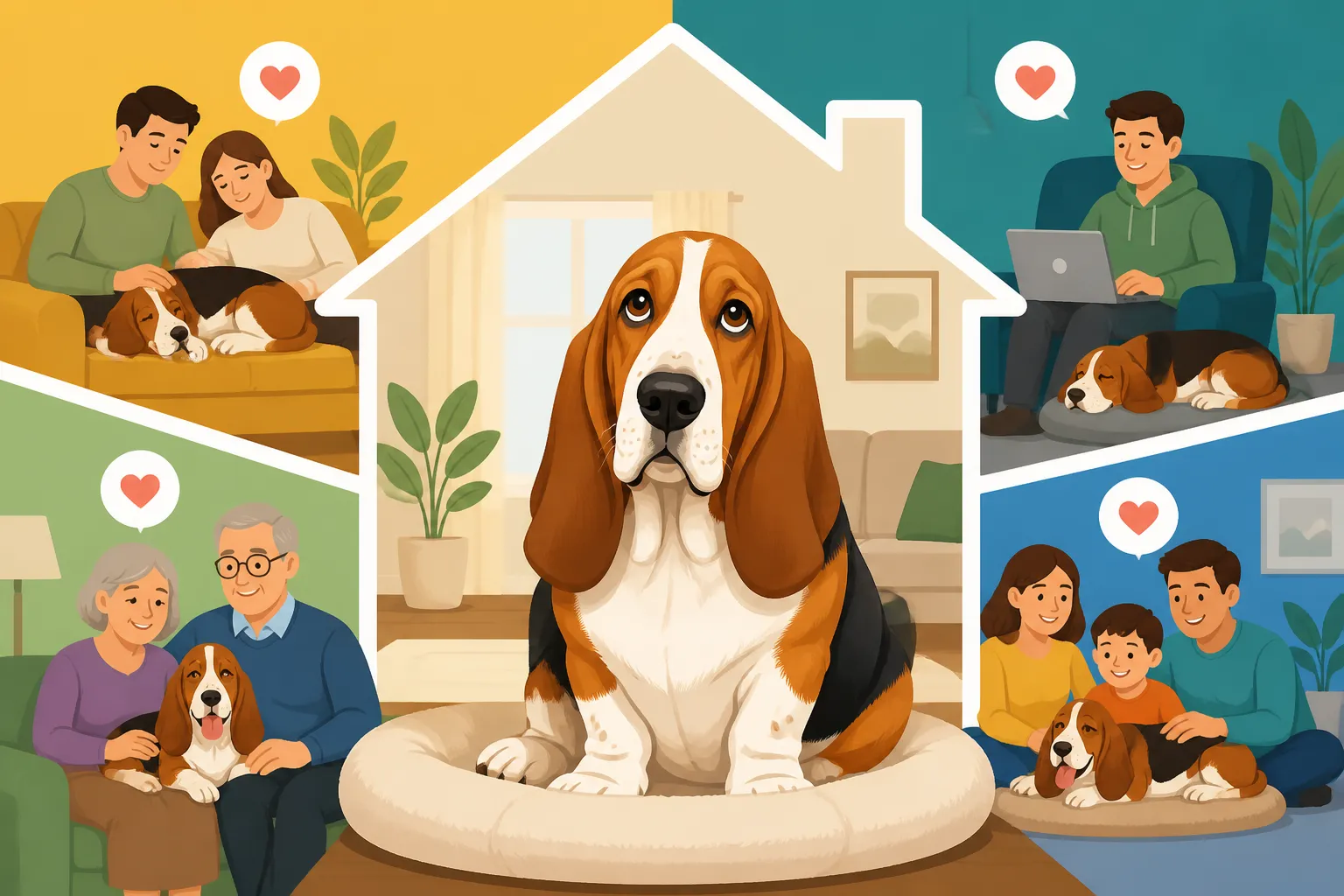
The Household a Basset Hound Actually Fits
Bringing a new dog into your home is a huge decision, and for Basset Hound enthusiasts, it often comes with a mix of excitement and a healthy dose of questions about whether this unique breed will truly fit their life. Many people fall in love with their long ears and soulful eyes but worry about their infamous "stubbornness" or distinct needs. This comprehensive guide will explore the ideal household environment for a Basset Hound, helping you decide if your home is the perfect match for one of these charming, low-slung companions.
Understanding the Basset Hound Temperament: More Than Just Droopy Ears
The Basset Hound's personality is truly a package deal, and understanding it is the first step to knowing if they'll thrive in your home. They're often described as laid-back, gentle, and utterly devoted, but those descriptions only tell part of the story. Beneath the calm exterior lies a hound with a profound sense of smell and an independent streak that can surprise first-time owners.
The Gentle Giant Myth and Reality
It's easy to look at a Basset Hound and assume they're just big, lazy lugs who want to lounge all day. While they certainly excel at napping, especially in a comfy spot, this idea of them being entirely passive isn't quite accurate. They are incredibly gentle dogs, yes, known for their calm demeanor and tolerance, which makes them wonderful companions in many settings. However, that gentleness doesn't equate to a lack of personality or a complete absence of drive. They have a strong instinct to follow their nose, and when a scent catches their attention, that gentle giant can become incredibly focused and determined.
This means that while they might seem quiet and easygoing indoors, their outdoor persona can be entirely different. Imagine you're on a leisurely walk, and suddenly your Basset Hound picks up an irresistible scent. That gentle pull on the leash can become an unyielding tug as they zero in on their olfactory treasure. It's not aggression; it's pure, instinctual dedication to their heritage. Understanding this duality—the sweet, mellow house dog and the driven, scent-focused hunter—is key to setting realistic expectations for integrating them into your daily life.
The Independent Thinker and Trainability
Basset Hounds often get a bad rap for being "stubborn," but it's more accurate to describe them as independent thinkers. They were bred to track game for hours, relying on their own judgment and incredible noses, not constantly looking to a handler for direction. This means that while they are intelligent, they often evaluate a command based on what's in it for them or how it interferes with their current, often scent-driven, mission. You won't find them performing intricate obedience routines with the same enthusiasm as a Border Collie, but that doesn't mean they can't learn.
Training a Basset Hound requires patience, consistency, and a deep understanding of what motivates them – spoiler alert: it's almost always food. Positive reinforcement works wonders, especially when paired with high-value treats. You might find yourself needing to be more creative than with other breeds, turning training into a game or incorporating scent work to hold their interest. They might take longer to master certain commands, and their recall, especially when a good scent is involved, can be notoriously unreliable. This is why many Basset owners quickly learn The Recall a Basset Hound Will Never Reliably Give You. It's not that they don't love you; it's that their nose is a powerful master.
The Melodious Bay: A Sound Investment
One of the most distinctive traits of a Basset Hound is their voice. They possess a deep, resonant bay that is truly iconic to the breed. This isn't just a casual bark; it's a full-throated, mournful, and surprisingly loud vocalization that they use to communicate everything from excitement to loneliness to the discovery of an interesting smell. If you've never heard a Basset Hound bay, prepare yourself—it's unforgettable. And if you live in close proximity to neighbors, this is a significant consideration.
While some Bassets might be quieter than others, baying is an inherent part of their nature. They might bay when they hear a distant siren, when a stranger approaches the door, or simply when they're left alone and feel the need to express themselves. The Bay a Basset Hound Uses and the Neighbors Hear is a very real concern for many owners. It's not always a constant thing, but it's not something you can train out of them entirely. Desensitization and consistent training can help manage excessive vocalizations, but a Basset Hound will always have that characteristic hound voice. For potential owners, honestly assessing your tolerance for noise and your living situation's ability to accommodate it is crucial.
The Basset Hound and Your Living Space: Apartment, House, and Yard Considerations
When considering a Basset Hound, the size and type of your living space often come to mind. While they aren't bouncy, hyperactive dogs, their unique physical build and instinctual drives mean that certain home environments are far more suitable than others.
Apartment Living: Possible, But With Caveats
It might seem counterintuitive for a dog of their size, but a Basset Hound can adapt to apartment living, provided their specific needs are met. They are not known for zooming around the house or bouncing off walls. In fact, indoors, they tend to be quite calm, often content to nap on the sofa or a comfortable dog bed. Their low energy levels inside mean they don't require vast amounts of indoor space for exercise. However, the caveat here is significant: their powerful nose and vocal tendencies.
Living in an apartment means close neighbors, which directly impacts the baying issue we just discussed. A Basset's bay can easily penetrate walls and floors, potentially leading to noise complaints. Furthermore, while they might be calm indoors, they absolutely need regular outdoor excursions to satisfy their need for sniffing and moderate exercise. These aren't quick potty breaks; these are dedicated "sniffaris" that allow them to explore the world with their nose. Without this outlet, they can become bored and destructive. And remember, carrying a full-grown Basset Hound up and down stairs multiple times a day if you don't have an elevator might sound manageable now, but they are heavy dogs, weighing in often between 40-60 pounds.
House with a Yard: The Fencing Imperative
A house with a securely fenced yard is often considered the ideal living situation for a Basset Hound, and for good reason. A yard provides a safe space for them to potter around, follow intriguing scents, and engage in some self-directed exploration. However, the term "securely fenced" cannot be stressed enough. A Basset Hound's nose is their guiding light, and if a compelling scent leads them to an opening in the fence, they will follow it. They are not dogs you can trust off-leash in an unfenced area, ever. Whether a Basset Hound Should Ever Be Off Leash is a question with a very firm answer: no, not without extreme caution and usually only in a truly secure, contained space.
Their low stature means they might squeeze through gaps that other dogs wouldn't consider. While they aren't champion jumpers, a determined Basset can surprise you. Fences should be solid, without obvious gaps, and ideally extend underground a bit, as some Bassets will try to dig if a scent warrants it. Think of your yard as a secure outdoor sniffing lounge where they can safely indulge their instincts without the risk of wandering off and getting lost or into danger. A Basset Hound on a scent mission will ignore your calls, even if they hear them, making escape a very real hazard.
Climate Considerations: Hot, Cold, and Everything In Between
Basset Hounds have short coats, but their long, heavy bodies and low-slung nature mean they aren't ideally suited for extreme temperatures without some thought from their owners. In hot climates, their low bodies can overheat quickly, especially when walking on hot pavement. Their deep chests and short legs mean they are closer to the ground, absorbing more radiant heat. Walks should be timed for cooler parts of the day, and access to shade and water is crucial. They aren't typically keen on intense, prolonged exercise anyway, which helps mitigate some of the heat risks.
Conversely, in very cold or snowy climates, their short legs and long bodies can pose a different challenge. Their chest can drag through snow or wet grass, making them quickly cold and damp. A warm coat or sweater can be a real benefit in chilly weather, protecting their sensitive skin from the elements. Keeping their ears dry and clean is always a priority, but especially after encountering snow or rain, to prevent issues like ear infections. So, while they can adapt to various climates, owners need to be mindful of their physical characteristics and provide appropriate protection and care.
Family Dynamics: Basset Hounds with Children, Other Pets, and the Elderly
One of the most appealing aspects of the Basset Hound for many families is their reputation for being incredibly gentle and tolerant. This generally holds true, making them wonderful family companions, but it's important to delve into the nuances of their interactions with different household members.
Basset Hounds and Children: A Gentle Soul, But Supervision is Key
Basset Hounds typically have a calm and patient disposition, which makes them generally good with children. They are not prone to sudden bursts of energy or overly boisterous play that might accidentally knock over a small child. Their sturdy build and low center of gravity mean they can usually withstand a bit of clumsy affection without getting easily injured or reactive. Many Basset owners will tell you how tolerant their hounds are of children's antics, sometimes simply accepting a tug of an ear or a climb-on with a sigh. This is why A Basset Hound in a House With Children is often a harmonious picture.
However, "tolerant" does not mean "immune to discomfort." Like any dog, a Basset Hound needs to be treated with respect, and interactions with children, especially very young ones, should always be supervised. Teaching children how to interact gently and appropriately with a dog is crucial. A Basset might endure some rough handling, but repeated discomfort could lead to stress or, in rare cases, a snap if pushed too far. Furthermore, their long, droopy ears and loose skin can be tempting targets for curious toddlers. Setting clear boundaries for both dog and child is essential to ensure a safe and happy environment for everyone.
Coexisting with Other Dogs and Cats: Generally Sociable, but Prey Drive Lingers
Basset Hounds generally enjoy the company of other dogs. They were historically bred to hunt in packs, so they often appreciate having canine companions. This makes them good candidates for multi-dog households. They're typically not dog-aggressive and tend to be quite sociable at dog parks or on walks, though their sniffing priorities might override their desire to play. Introducing a Basset to an existing dog usually goes smoothly, especially if done patiently and with proper supervision. Whether a Basset Hound Gets Along With Other Dogs is a commonly asked question with a generally positive answer.
When it comes to cats or other small pets, the situation is a bit more nuanced. While a Basset Hound's prey drive is usually focused on small game like rabbits, and they might not actively hunt a house cat, their instinct to chase and bay at fast-moving objects can still kick in. If a Basset is raised with a cat from puppyhood, they can often form strong bonds. However, introducing an adult Basset Hound with an unknown history to a cat requires careful management. Small pocket pets like hamsters or guinea pigs should always be kept in secure enclosures, as a Basset's innate curiosity and scent drive might be too strong to resist, even if it's just to "investigate."
A Good Companion for the Elderly and Less Active Individuals
For seniors or individuals with limited mobility, a Basset Hound can be an excellent choice of companion. Their calm indoor demeanor and moderate exercise requirements mean they don't demand hours of vigorous activity that might be difficult for less active owners to provide. A couple of leisurely walks a day, focused on sniffing opportunities rather than brisk pace, can satisfy their exercise needs. Their gentle nature and affection make them comforting presences, and they're typically happy to curl up on the couch for an afternoon nap.
However, there are still practical considerations. As mentioned before, Basset Hounds are surprisingly heavy for their height, and lifting them can be a challenge. If an elderly owner needs to lift their dog into a car or onto a vet's examination table, it could be difficult. Their prone position for lying down can also make them a tripping hazard for those unsteady on their feet. Therefore, while their temperament is often a perfect fit, practical arrangements for handling and care, such as ramps for cars or assistance with vet visits, should be thought through.
Owner Lifestyle and Schedule: Matching Your Routine to a Basset Hound's Needs
Bringing a Basset Hound into your home means adjusting your lifestyle and daily routine to accommodate their specific needs. They aren't the kind of dog you can just fit in around your busy life without some dedicated effort and understanding of their natural inclinations.
Time Commitment: Presence and Engagement
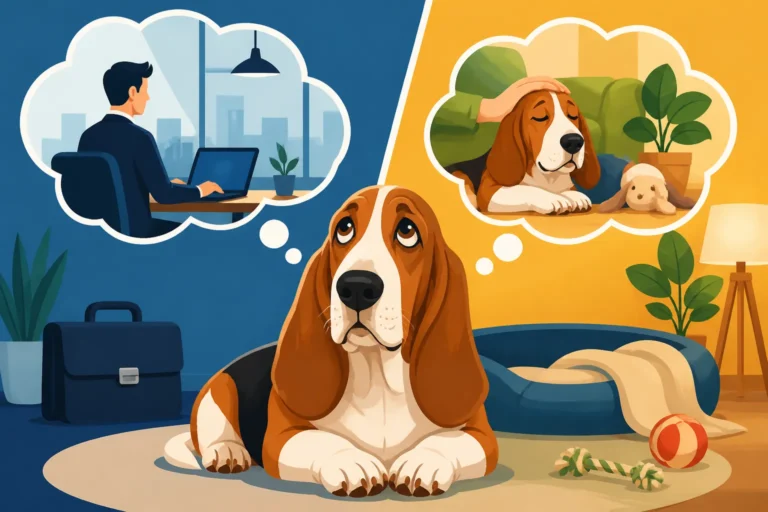
Basset Hounds thrive on companionship. While they are often described as independent, they don't do well being left alone for excessively long periods. They are social animals who enjoy being part of the family action, even if that "action" is just snoozing at your feet. Being alone too much can lead to boredom, loneliness, and potentially destructive behaviors or excessive vocalization. This is why Whether a Basset Hound Can Be Left Alone is a crucial consideration. A home where someone is typically present for a good portion of the day, or where arrangements for dog walkers or daycare are made, is ideal.
Their need for engagement doesn't necessarily mean constant play, but rather consistent presence and opportunities for interaction. This includes their daily walks, of course, but also quiet time together, gentle petting, and even just having you in the same room. They are not demanding in terms of constant attention, but they do form deep bonds with their families and can become quite attached. Owners who are away from home for 8-10+ hours regularly without any mid-day break for the dog might find a Basset Hound struggles with the solitude.
Exercise Needs: Quality Over Quantity, Scent Over Speed
Forget marathon runs or intense agility courses; a Basset Hound's exercise needs are more about quality and olfactory enrichment than sheer physical exertion. Two moderate walks a day, lasting 20-30 minutes each, are usually sufficient. The key word here is "sniffari." These walks shouldn't be rushed; they should allow your Basset Hound ample time to put their incredible nose to work, exploring every intriguing scent on their path. This mental stimulation is just as, if not more, important than the physical exercise. You might find yourself moving at a very leisurely pace as your Basset meticulously investigates a patch of grass.
Without adequate mental stimulation through scent work, a Basset can become bored and develop undesirable habits. While How Far a Basset Hound Should Walk might not seem like much, it's about the richness of the experience for them. Beyond walks, playing gentle games in a securely fenced yard or engaging in nose work games indoors (like hiding treats for them to find) can be incredibly beneficial. Remember, they are hounds, and their primary joy comes from using their nose. Providing outlets for this instinct is vital for their happiness and well-being.
Traveling and Adaptability: Homebodies with a Passport?
Basset Hounds generally prefer routine and the comfort of their familiar home environment. They aren't typically the most enthusiastic travel companions, especially if it involves long car rides or chaotic new places. Some Bassets can be prone to car sickness, and their low-slung bodies make them less agile for quick exits and entrances into vehicles. If you're a frequent traveler, you'll need to consider whether your Basset will join you or if you'll need reliable pet-sitting or boarding arrangements.
However, with early positive exposure and patience, some Bassets can become accustomed to travel. A comfortable crate or car harness can make car rides safer and more enjoyable. If they are traveling with you, ensure you pack all their essentials, including their specific food (like their favorite Chewy brand kibble), any medications, and plenty of water. Ultimately, a Basset Hound is often happiest when their home base is stable and predictable, and they might be more content with a trusted pet sitter coming to them than being constantly on the go.
Managing the Unique Basset Hound Traits: From Scent to Slobber
Living with a Basset Hound means embracing their unique physical characteristics and behaviors. These aren't just quirky traits; they require active management and a genuine appreciation for what makes a Basset, a Basset.
The Ever-Present Drool and Face Folds
Let's talk about the drool. Basset Hounds are famous for their loose jowls and pendulous lips, which are wonderfully efficient at trapping scent but not so great at keeping saliva contained. Yes, Basset Hounds drool. Not all of them drool constantly or excessively, but it's an undeniable part of the breed. After drinking water, their jowls can act like sponges, releasing streams of water across the floor or onto your furniture. This is just part of having a Basset, and it's something you simply learn to live with. The Drool a Basset Hound Produces and Cannot Swallow is a reality for owners.
Beyond the drool, those adorable, wrinkly faces and long, expressive ears require regular cleaning. The deep folds around their muzzle and eyes can trap moisture, food debris, and dirt, creating a breeding ground for bacteria and yeast, which can lead to skin infections. A daily wipe-down with a damp cloth or a pet-specific wipe for their facial folds is often necessary to keep them clean and healthy. Similarly, their incredibly long, heavy ears are highly susceptible to ear infections, necessitating a The Twice Weekly Ear Ritual a Basset Hound Owner Signs Up For. This isn't optional; it's a critical part of their routine care.
Grooming: More Than Just a Pretty Face
While Basset Hounds have short coats that don't require professional grooming in the same way a Poodle might, they do shed, and their grooming needs extend beyond just brushing. Their dense, short coat sheds year-round, often in little needle-like hairs that can weave themselves into fabric. Regular brushing, 2-3 times a week, with a rubber curry brush or a shedding blade can help manage this and keep their coat healthy. Many owners find a good quality deshedding tool beneficial.
Beyond their coat, their nails grow quickly and need regular trimming to prevent discomfort and potential foot problems. Because of their heavy build, long nails can shift their weight distribution and exacerbate joint issues. If you're not comfortable trimming nails yourself, regular vet or groomer visits will be necessary. Then there are their feet themselves; the skin between their toes and paw pads should be checked regularly for irritation, moisture, or foreign objects, especially after walks. For persistent issues, a vet might recommend special paw balms or washes.
Managing the Scent Drive: The Nose Knows No Bounds
The Basset Hound's incredible sense of smell is their superpower, but it's also the source of many management challenges. Their nose leads them everywhere, and once they're on a compelling scent trail, they can become oblivious to their surroundings, including your commands. This makes leash walking a necessity outside of securely fenced areas, and even then, a sturdy harness (rather than just a collar) is recommended for better control and to protect their neck. A good harness and leash from a reputable brand like Chewy can make walks much more comfortable for both of you.
Channeling this strong scent drive into positive activities is crucial for their mental well-being and to prevent problem behaviors. Nose work games, tracking, or even just hiding treats around the house for them to find can be incredibly enriching. These activities tap into their natural instincts and provide mental stimulation that tires them out just as much as physical exercise. Embrace their nose; don't try to suppress it. Providing structured opportunities for them to use their most powerful tool will lead to a happier, more content Basset Hound.
Financial and Time Investment: Beyond the Puppy Price Tag
Bringing a Basset Hound into your life is a long-term commitment that extends far beyond the initial cost of acquiring a puppy or adopting a rescue. Prospective owners need to be realistic about the ongoing financial and time investment required to keep these wonderful dogs healthy and happy.
Ongoing Veterinary Care: Routine and Unexpected
Like all breeds, Basset Hounds require routine veterinary care, including annual check-ups, vaccinations, and parasite prevention. However, due to some breed-specific predispositions, their veterinary expenses can sometimes be higher than average. Their long, pendulous ears are magnets for infections, often requiring frequent vet visits, ear cleaners, and prescription medications. Why a Basset Hound's Ears Cost More Than the Puppy Did is a phrase many Basset owners understand all too well.
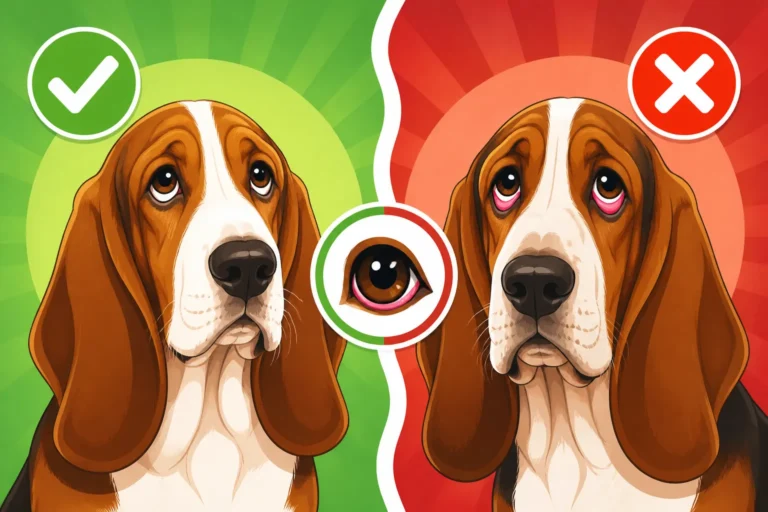
They are also prone to certain orthopedic issues due to their unique body structure, such as elbow dysplasia and intervertebral disc disease (IVDD) in their long backs. While not every Basset will experience these, awareness and potential costs for diagnostics (like X-rays or MRIs) and treatments (which can range from medication to surgery) should be factored into your budget. Eye conditions like glaucoma are also a concern. Pet insurance can be a wise investment for a Basset Hound, helping to mitigate the costs of unexpected illnesses or injuries. Consider options for Insuring a Basset Hound Against Eyes, Ears and Backs early in their life.
Diet and Nutrition: Fueling a Long, Healthy Life
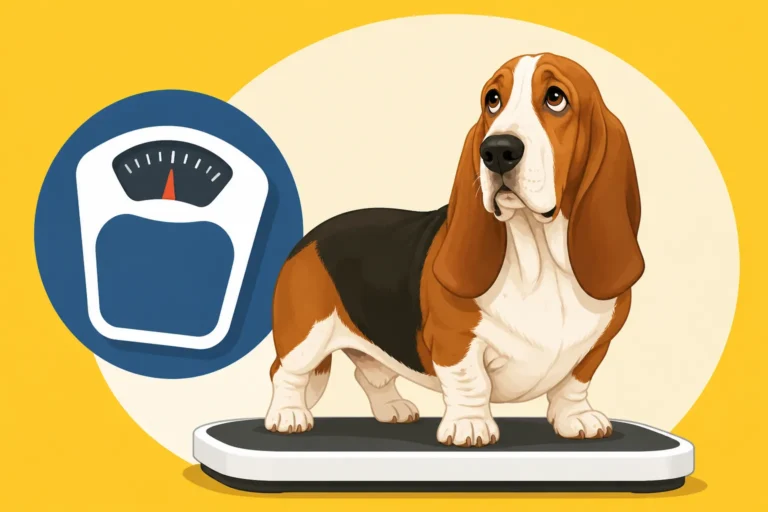
A Basset Hound's diet is another critical area for financial consideration. They are prone to weight gain, and maintaining a healthy weight is paramount for their joint and back health. Overweight Bassets put immense strain on their already predisposed skeletal structure, leading to increased pain and mobility issues. This means investing in a high-quality dog food, often specifically formulated for large breeds or those prone to weight management, and carefully monitoring portion sizes. Feeding a Basset Hound That Would Eat Forever is a common challenge, as they are notoriously food-motivated and will often beg for more.
Beyond their regular kibble, you might find yourself investing in joint supplements (like glucosamine and chondroitin) proactively or as recommended by your vet. Treats, while wonderful for training, also need to be factored into their daily calorie intake. Slow feeder bowls or puzzle toys can be beneficial for Bassets who tend to gobble their food too quickly, which can contribute to digestive upset or even a life-threatening condition called bloat. Shopping for good quality food and supplies from retailers like Chewy can help ensure you're getting the best for your hound.
Grooming and Equipment: The Unseen Costs
While Basset Hounds don't need fancy haircuts, the ongoing cost of their specific grooming needs adds up. This includes:
- Ear Cleaner: A constant necessity to keep those long ears healthy.
- Wipes: For daily cleaning of facial folds.
- Brushes/Shedding Tools: To manage their shedding.
- Nail Clippers/Grinder: For regular nail maintenance.
- Shampoo: For their periodic baths.
In terms of equipment, you'll also need to consider:
- Sturdy Harness and Leash: Essential for safe walks.
- Comfortable, Supportive Bed: Crucial for their joints and back. An orthopedic bed is highly recommended for Bassets.
- Elevated Food Bowls: To help with digestion and keep their long ears out of their food and water.
- Snoods: Some owners use snoods to keep their Basset's ears clean and dry while eating or drinking.
- Ramps or Steps: To prevent them from jumping on and off furniture or into cars, which can put strain on their backs. The Ramps, Beds and Gates a Basset Hound Needs are not just luxuries, but often necessities for long-term health.
Preparing Your Home for a Basset Hound: Safety and Comfort
Bringing a Basset Hound into your home isn't just about making space; it's about creating an environment that is safe, comfortable, and caters to their specific needs. Their unique physical build and strong scent drive necessitate some thoughtful preparations.
Basset-Proofing Your Home: Safety First
Before your Basset Hound arrives, a thorough "Basset-proofing" of your home is essential. Their low stature and curious noses mean they can easily access items on lower shelves or coffee tables that might be out of reach for other dogs. Think like a Basset: if it smells interesting and is within nose-height, they will investigate it. This means securing cabinets, putting away toxic household cleaners, medications, and any small objects that could be choked on. Electrical cords are often tempting chew toys for puppies, so ensure they are out of reach or protected.
Their strong sense of smell also means they might be drawn to garbage cans, compost bins, or any food left unattended on counters (especially if they can reach it by standing on their hind legs or climbing). Secure lids on trash cans and strict rules about leaving food out are critical. Remember, a Basset on a scent trail is incredibly determined. Baby gates can be invaluable for restricting access to certain areas, especially stairs, which can be challenging for their long backs, particularly as puppies or seniors.
Creating a Comfortable Sanctuary: Beds and Bowls
A Basset Hound needs a comfortable, supportive bed that can accommodate their long body and provide adequate cushioning for their joints. Investing in a good quality orthopedic dog bed is highly recommended, as it will help support their spine and reduce pressure points. Place their bed in a quiet, draft-free area where they can relax and feel part of the family without being constantly disturbed. Bassets love to lounge, so having multiple comfy spots around the house will be much appreciated.
Additionally, consider an elevated feeding and water bowl. Their long, droopy ears can easily drag through food and water bowls, becoming messy and contributing to ear infections. Elevated bowls help keep their ears clean and dry while they eat and drink. They also make eating more comfortable for their long necks and can aid in digestion. Make sure their water bowl is always full and easily accessible, perhaps even having a few water stations around the house, especially if you have a larger home.
Access and Mobility: Ramps and Steps
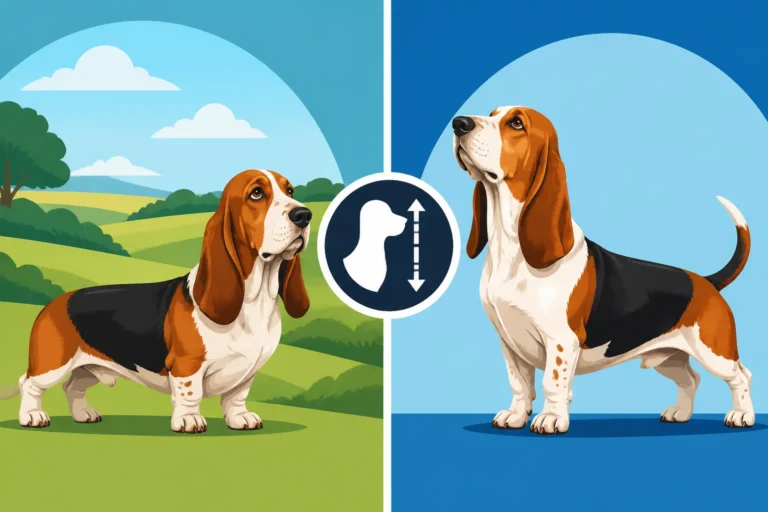
Due to their long backs and short legs, Basset Hounds are prone to spinal issues like intervertebral disc disease (IVDD). Repeated jumping on and off furniture, or even up and down stairs, can put significant strain on their backs and lead to serious injury. To prevent this, it's highly advisable to provide ramps or steps for them to access elevated surfaces like sofas, beds, and vehicles. Whether a Basset Hound Should Use a Ramp is often a question of prevention over cure.
Training them to use these aids from a young age is crucial. It can be a challenge to teach an adult Basset new habits, especially when their "stubborn" streak kicks in. Block access to stairs if you cannot supervise them, or install gates if they struggle with them. While they might occasionally manage stairs, making it a regular habit greatly increases their risk of back problems. Creating a home environment that prioritizes their spinal health is one of the most important things you can do for a Basset Hound.
The Long-Term Commitment: A Basset Hound Through All Stages of Life
A Basset Hound is a lifelong companion, typically living for 10-12 years. This means you're committing to their care through puppyhood, adulthood, and their senior years, each stage presenting its own set of considerations and joys.
Puppyhood: The Adorable, Scent-Driven Tornado
Basset Hound puppies are undeniably adorable, with their oversized paws, wrinkly faces, and clumsy movements. They are also, like all puppies, bundles of energy and curiosity. While they don't have the same frantic energy as some other breeds, Basset puppies are still prone to chewing, exploring (with their noses, of course!), and needing frequent potty breaks. House training can take time and patience, as they can sometimes be a bit slower to pick up on it. Consistent routines, frequent trips outside, and positive reinforcement are key.
During puppyhood, it's vital to socialize them broadly and gently expose them to various sights, sounds, people, and other friendly dogs. This helps them grow into well-adjusted adults. Early training, especially focusing on basic commands and getting them used to having their ears and paws handled, will set the foundation for a lifetime of easier care. Remember, don't allow them to jump off furniture during this crucial developmental stage, as their growing bones and joints are particularly vulnerable. The First Year With a Basset Hound Puppy is a critical time for shaping their future well-being.
Adulthood: The Mellowness Matures
As Basset Hounds mature, typically around 1.5 to 2 years of age, their youthful exuberance gives way to a more settled, mellow temperament. This is when the "couch potato" stereotype often comes to fruition, though they still need their daily sniff-walks. Adult Bassets are usually predictable and loving companions, content to be with their family. This is the stage where their training should be reinforced, and routines become well-established. Maintaining their ideal weight is crucial during these years, as excess weight exacerbates health issues.
Adult Bassets are often very good at communicating their needs, whether it's the mournful bay for a forgotten meal or the nudge of a cold nose seeking a belly rub. They become integral family members, often finding their favorite napping spots, which might include your sofa or a sunny patch on the floor. Their health issues, if any, often start to become apparent in middle age, so regular vet check-ups remain important for early detection and management.
Senior Years: Compassionate Care for the Golden Age
As Basset Hounds enter their senior years, typically around age 7 or 8, their needs shift again. They might slow down considerably, sleep more, and develop age-related conditions like arthritis or declining vision/hearing. The Old Basset Hound That Cannot Get Off the Floor becomes a very real concern for many owners. At this stage, compassionate care is paramount. Their exercise needs will likely decrease further, with shorter, gentler walks being more appropriate.
Maintaining their mobility becomes a priority. This means continuing to use ramps and steps, ensuring they have soft, orthopedic bedding, and possibly introducing joint supplements or pain management medications as advised by your vet. Their diet might need adjusting to a senior formula to help manage weight and support aging bodies. Regular vet check-ups become even more critical for monitoring their health and addressing any emerging issues promptly. Helping an old Basset Hound navigate their world comfortably, with love and patience, is one of the most rewarding aspects of ownership.
| Aspect | Ideal for Basset Hounds | Less Ideal for Basset Hounds |
|---|---|---|
| Living Space | Securely fenced yard, single-story home | Unfenced yard, upper-story apartment without elevator, high stairs |
| Noise Tolerance | Owners/neighbors tolerant of baying | Light sleepers, close neighbors in apartments/townhouses |
| Activity Level | Moderate daily walks (sniffaris), indoor lounging | High-energy demands, desire for long runs/intense exercise |
| Family Structure | Patient children, other sociable dogs, elderly companions | Overly rough children, very small prey animals (without supervision) |
| Owner Schedule | Home frequently, or arrangements for mid-day care | Long hours away, frequent and unpredictable travel |
| Grooming/Care | Willingness for daily facial/ear cleaning, nail trims | Dislike of routine grooming, aversion to drool/shedding |
| Financial Prep. | Budget for potential ear/back/joint issues, pet insurance | Expectation of minimal vet costs beyond routine care |
Disclaimer
This article is for general informational purposes only and does not constitute professional advice. Laws, prices and regulations vary by location and change over time. Consult a qualified professional for guidance on your specific situation.