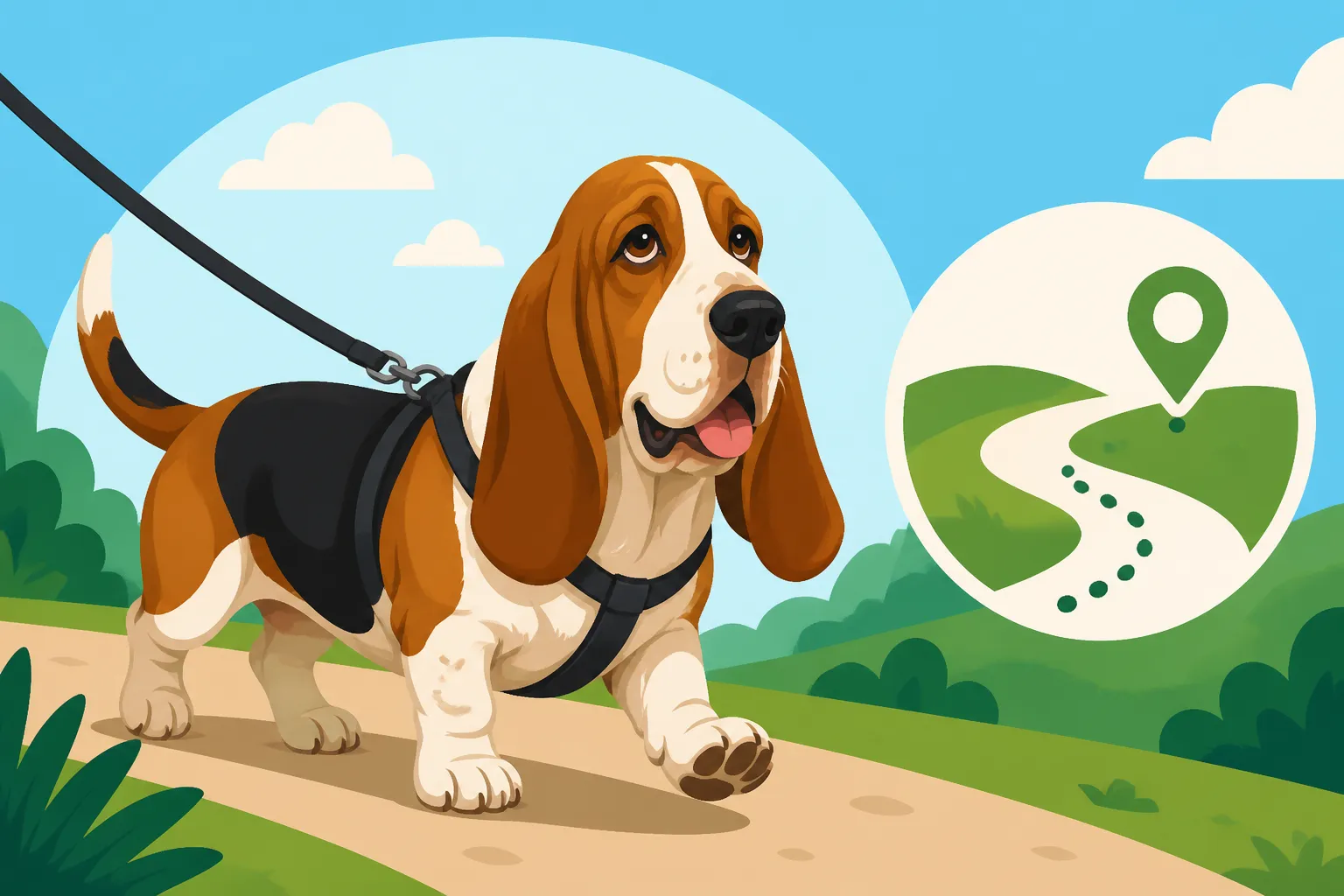
How Many Miles a Basset Hound Can Walk
Many Basset Hound owners find themselves wondering just how far their low-slung, long-eared companions should or can walk. It's a valid question, because while their enthusiasm for sniffing out every interesting scent is undeniable, their unique physique often raises concerns about endurance and joint health. This guide will dive deep into understanding your Basset's walking capabilities, helping you determine appropriate distances and ensure every outing is safe and enjoyable for your beloved hound.
The Basset Hound's Unique Physiology and Its Impact on Walks
Basset Hounds are built distinctly, and this build significantly influences their ability to cover long distances comfortably. Their short legs, long heavy bodies, and deep chests aren't designed for marathons, but for deliberate, ground-level scent work. Trying to force them into a high-intensity exercise routine is not only counterproductive but can also be detrimental to their long-term health. Understanding their physical limitations is the first step in creating a suitable walking regimen.
Short Legs and a Long Spine: A Balancing Act
It’s no secret Basset Hounds have those adorable, stubby legs. This characteristic, known as achondroplasia, is a form of dwarfism that gives them their distinctively low-to-the-ground profile. While this build is perfect for tracking scents with their nose close to the ground, it directly impacts their stride length, speed, and overall endurance. They simply cannot cover ground as quickly or efficiently as a dog with longer legs. Their gait is often described as rolling and deliberate, rather than a free-striding trot. This means that an hour-long walk for a Basset Hound will cover significantly less distance than the same amount of time for a breed like a Border Collie or a Labrador.
Furthermore, their spine is proportionally long relative to their leg length, making them susceptible to serious back issues, most notably Intervertebral Disc Disease (IVDD). Every step, every twist, and especially any jumping or jarring movements, puts stress on that elongated spine. This is why pushing a Basset Hound to walk excessive distances, particularly on hard or uneven surfaces, can increase their risk of injury. Understanding The Back Trouble a Basset Hound Is Built Into is absolutely critical for any Basset owner. We have to be constantly mindful that while their incredible sense of smell might drive them to follow an interesting trail for miles, their physical structure might not be able to sustain that without proper care and moderation.
The Heavy Body and Deep Chest: Not Built for Speed
Beyond their short legs, Basset Hounds are surprisingly heavy for their height. A fully grown Basset can often weigh as much as a medium-sized Labrador, typically ranging from 40 to 60 pounds, and sometimes even more. This substantial weight, combined with their low center of gravity and deep chest, means they expend considerably more energy to move their mass than a lither, more agile breed might. Imagine trying to run a long distance while carrying a heavy backpack – it's a lot more taxing than if you were unburdened. This physical characteristic inherently contributes to their often-perceived slowness and ponderous nature.
They were historically bred for persistence in tracking, not for speed in covering vast distances quickly. Their deep chest houses robust lungs, providing them with the stamina needed for prolonged, slow hunts, allowing them to follow a scent for hours at a walking pace. However, this doesn't translate into an ability for quick, long-distance treks or sustained running. As responsible owners, we must respect this unique design. Our expectations regarding their walking pace and duration should always be tempered by an understanding of their physical limitations. It's about providing quality sniffing time and appropriate, consistent exercise, rather than attempting to achieve impressive mileage.
Key Factors Influencing Your Basset Hound's Walking Capacity
Determining the "right" distance for your Basset isn't a simple, universal answer. It's a nuanced process influenced by several crucial factors. Ignoring these can lead to physical discomfort, potential injury, or the classic Basset Hound move: simply plopping down and refusing to move mid-walk. As many owners know, Whether a Basset Hound Sits Down Mid Walk is a common and often amusing reality.
Age and Health Considerations
Your Basset Hound's age is one of the most significant determinants of their walking capacity. A Basset puppy, despite its seemingly boundless energy, has fragile growth plates in its bones. Too much strenuous exercise too soon can cause lasting orthopedic damage. For puppies, short, frequent play sessions and brief walks are far better than long, demanding treks. Conversely, a young adult Basset, typically between 1 and 6 years old, is usually at their physical peak for activity. During this stage, they can enjoy longer, more frequent walks, though still within moderate limits appropriate for their breed.
As Basset Hounds age and transition into their senior years, usually around 7 or 8 years old, their stamina naturally begins to wane. Arthritis in a Basset Hound at Seven is a very common concern, and joints that once tolerated moderate exercise might start to ache, making longer walks uncomfortable or even painful. Pre-existing or developing conditions such as elbow dysplasia, which is regrettably prevalent in the breed, or even The Glaucoma a Basset Hound Inherits, can severely impact their willingness and physical ability to engage in exercise. It becomes paramount to observe your senior Basset closely for any signs of pain, stiffness, or excessive fatigue, and to adjust their walk duration and intensity accordingly. Regular veterinary check-ups are essential to assess their overall health and joint condition before making any significant changes to their exercise routine, ensuring their comfort and well-being.
Weight, Weather, and Terrain
An overweight Basset Hound will struggle profoundly more on a walk compared to one maintained at a healthy, lean weight. Every extra pound puts immense, unnecessary strain on their already delicate joints and elongated spine, significantly exacerbating the risk of conditions like hip dysplasia or Elbow Dysplasia in a Basset Hound. It's crucial for every owner to understand What Extra Weight Does to a Basset Hound because it directly correlates with their quality of life, mobility, and overall health span. Strive to keep your Basset at a healthy weight, where you can easily feel their ribs without having to press hard, and they have a visible waist.
Weather conditions are another enormous factor. Basset Hounds, with their relatively thick coats and low-slung bodies, are highly susceptible to overheating, especially in warm or humid weather. During hot summer months, it's best to limit walks to very short outings in the early morning or late evening when temperatures are cooler. Conversely, in cold or snowy conditions, their short legs mean their bellies can easily drag through snow or icy puddles, leading to rapid chilling and discomfort. A dog coat can offer some protection, but extreme cold may still necessitate shorter outdoor times. Additionally, hot pavement in summer can cause severe burns to their paw pads, while road salt in winter can be irritating and even toxic. Always test the ground temperature with your hand or wear appropriate paw protection if needed.
Finally, the terrain makes a substantial difference. A leisurely stroll on a flat, even path or soft grass is far less taxing on a Basset Hound's body than navigating uneven trails, steep hills, or deep sand. While a moderate amount of varied terrain can be beneficial for muscle development and proprioception, overly strenuous, jarring, or slippery surfaces should be limited to protect their sensitive joints and long spine from undue stress.
Training and Leash Manners
While not a physical limitation in the same vein as their body structure, how well your Basset Hound walks on a leash profoundly affects both the enjoyability and the effective distance of your walks. A Basset that pulls relentlessly on the leash, straining against it with every interesting scent, can quickly exhaust both itself and you, turning what should be a pleasant outing into a frustrating struggle. Investing time and effort in good loose-leash training is therefore key to maximizing your walking experiences.
Tools such as a front-clip harness can make a significant difference in managing a strong puller. These harnesses gently redirect your dog's momentum towards you when they pull, teaching them to walk by your side without causing discomfort to their neck or throat. Many excellent options for these harnesses are readily available on platforms like Amazon. If you find yourself struggling with consistent pulling or other leash manners, seeking guidance from professional trainers or online resources can be invaluable. For instance, reputable online training platforms can offer structured programs and advice on loose-leash walking and general obedience. A well-trained Basset, even with its powerful scent-driven distractions, will have a much more efficient and enjoyable walk, allowing for longer, more fulfilling experiences for both of you. It's important to acknowledge that Whether a Basset Hound Pulls Hard for Its Size is a common challenge, and preparation makes all the difference.
Practical Guidelines for Basset Hound Walking Distances
So, given all these unique traits and considerations, how many miles can a Basset Hound actually walk? There's no single, universally applicable answer, but we can establish some practical guidelines to help you find that sweet spot between providing adequate exercise and preventing overexertion or injury. It’s all about tailoring the activity to your individual hound.
Recommended Daily Exercise and Walk Durations
For most healthy adult Basset Hounds, a general recommendation is around 30 to 60 minutes of daily physical activity, ideally broken into two or three separate sessions. This isn't a call for 30-60 minutes of continuous, brisk power walking! Instead, it refers to total active time, which for a Basset, often means deliberate movement interspersed with plenty of sniffing opportunities. A typical routine might involve two 15-20 minute shorter walks in the morning and afternoon, followed by a more extensive 30-minute "sniffari" in the evening.
The actual distance covered during this time will vary considerably based on factors like their pace, how frequently they stop to investigate fascinating smells, and the type of terrain. On average, a healthy adult Basset Hound might comfortably cover 1 to 2 miles in a dedicated 30-45 minute walk. In optimal conditions, such as a cooler day with an abundance of intriguing scents, some Bassets might manage to cover up to 3 miles in an hour. However, this is generally an exception rather than the norm and shouldn't be the daily expectation. The focus should always be on consistent, moderate activity that allows for mental stimulation, rather than sporadic bursts of intense physical exertion. It’s a common misconception that Whether a Basset Hound Needs Any Real Exercise is debatable; they absolutely do, but it must be appropriate for their unique build.
Adjusting for Individual Basset Needs
The truth is, every Basset Hound is an individual with their own energy levels and preferences. Just like people, some are naturally more inclined to be couch potatoes, while others are surprisingly active. The key is to pay close attention to your specific dog’s cues. Are they lagging behind? Are they panting excessively, even in cool weather? Do they suddenly plop down and refuse to move, perhaps giving you that classic Basset side-eye? These are all clear indicators that they’ve had enough and need a break or to head home. A happy, healthy Basset will typically walk with a loose leash (especially with the aid of a good, comfortable harness), a curious demeanor, and an actively working nose.
For Basset puppies, the general rule of thumb for exercise is very short, frequent sessions – approximately 5 minutes per month of age, ideally twice a day. So, a 4-month-old puppy might get two 20-minute outings. This protects their developing joints and growth plates. For senior Basset Hounds, even more careful observation is necessary. They might greatly prefer shorter, more frequent strolls around the immediate neighborhood, with a strong emphasis on mental stimulation through sniffing rather than covering significant ground. On days with extreme weather, whether it’s scorching heat or biting cold, engaging in indoor play, puzzle toys, or scent games can be an excellent substitute for a long walk. It’s a frequent query, but Whether an Old Basset Hound Still Needs Walks is usually answered with a resounding yes, though these walks must be thoughtfully tailored to their changing physical abilities and comfort levels.
Maximizing Enjoyment and Safety on Walks
Taking your Basset Hound for a walk should be a joyful and enriching experience for both of you. It offers a wonderful opportunity for them to explore the world using their unparalleled sense of smell, and for you to strengthen the bond with your unique canine companion. However, there are specific strategies and safety measures that can make these outings even more beneficial and secure.
The Art of the "Sniffari"
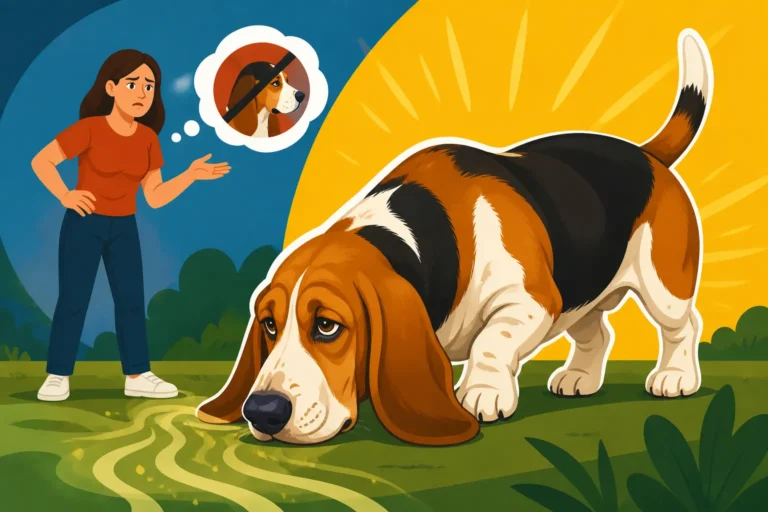
For a Basset Hound, a walk is fundamentally different from what it might be for many other breeds; it's not primarily about covering physical distance. Instead, it's an immersive experience centered around processing an incredible amount of information through their nose. Their powerful olfactory sense is their absolute superpower, their primary way of interacting with and understanding their environment. Therefore, instead of attempting to maintain a brisk, continuous pace, it's far more rewarding to embrace the concept of a "sniffari." This is a walk specifically dedicated to allowing your Basset to explore every single interesting scent they encounter.
Grant them the freedom to stop, sniff, and meticulously investigate for as long as they need. These intense mental workouts, driven by their natural instinct to track, are often just as, if not more, tiring and fulfilling for a Basset than purely physical exertion. Think of it akin to a human engaging deeply with a captivating book or solving a challenging puzzle; it profoundly engages their cognitive faculties. This type of walk allows them to fulfill their inherent breed purpose, making them much happier, more mentally stimulated, and ultimately more settled and content at home. Delving into activities like Whether a Basset Hound Takes to Scent Work can further enrich their lives, offering unparalleled mental engagement that perfectly complements their physical walks.
Essential Gear and Safety Measures
A sturdy, well-fitting harness is absolutely paramount for a Basset Hound's comfort and safety during walks. Given their powerful drive to pull when they catch an exciting scent, and their delicate neck and throat structure, a flat collar can put undue pressure on their trachea and spine, potentially causing harm. A harness that effectively distributes pressure evenly across their chest and shoulders is a far safer and considerably more comfortable option. There are many excellent harness designs specifically tailored for breeds with deep chests and short legs, offering both comfort and control, and these are readily available through retailers like Amazon.
A long line, which is essentially a very long leash (often 15-30 feet), can also be an incredibly valuable tool. It allows your Basset more freedom to explore scents in a safe, open, and contained area (like a securely fenced park or a large, empty field) while still maintaining a crucial degree of control. For general safety, it is always imperative to ensure your Basset Hound wears up-to-date ID tags securely attached to their harness. Additionally, considering a GPS tracker is a wise investment, especially if you plan on using a long line in larger, less confined spaces, as Whether a Lost Basset Hound Comes Home can often depend on rapid tracking, given their nose can lead them far astray and their low stature makes them hard to spot.
Being thoroughly prepared for any eventuality is also crucial. Always carry a portable water bottle and a collapsible bowl, offering water regularly, particularly on warmer days or after extended sniffing sessions. Of course, always have an ample supply of waste bags. If you reside in an area prone to ticks or other external parasites, perform a diligent and thorough check of your Basset after every walk, paying special attention to their long ears, all their adorable skin folds, and between their paw pads.
| Factor | Impact on Walk Distance / Duration | Considerations |
|---|---|---|
| Age | Puppy: Very short, frequent walks. Adult: Moderate, regular walks. Senior: Shorter, slower walks, focusing on comfort. | Puppies have fragile growth plates requiring limited impact. Seniors may suffer from arthritis or other health issues. Always consult your vet for tailored advice for senior Bassets. |
| Health | Significantly impacts ability and willingness to walk. | Conditions such as arthritis, Elbow Dysplasia in a Basset Hound, Intervertebral Disc Disease (IVDD), or underlying heart conditions will severely limit exercise capacity. Always consult a veterinarian for appropriate guidance. |
| Weight | Overweight Bassets tire quickly, experience joint pain, and risk injury. | What Extra Weight Does to a Basset Hound is substantial and detrimental. Maintaining a lean body condition is vital to protect their joints and improve stamina and overall longevity. |
| Weather | Hot/Humid: Shorter walks, high heatstroke risk. Cold/Snowy: Shorter walks, risk of chill/paw irritation. | Schedule walks during the coolest parts of the day in summer. Consider appropriate protective gear like dog boots or a coat in winter. Always check pavement temperature with your hand. |
| Terrain | Rough, uneven, or hard terrain is more strenuous and potentially risky. | Favor flat, soft surfaces like grass or well-maintained paths. Limit excessive jumping, running on hard surfaces, or high-impact activities to protect their delicate spine and joints. |
| Training | Poor leash manners can make walks less enjoyable and efficient for both dog and owner. | Consistent loose-leash training is fundamental. Utilize appropriate walking gear, such as a front-clip harness, to effectively manage pulling. Remember, Whether a Basset Hound Chooses Not to Obey can be a training hurdle, but perseverance pays off. |
| Pace/Purpose | Fast, forced walks are counterproductive and potentially harmful. Slow, sniff-focused walks are mentally enriching. | Embrace the concept of the "sniffari." Allow your Basset to stop and indulge their nose. Mental stimulation derived from sniffing is often as, if not more, important than covering physical distance. |
Ultimately, the most effective way to determine how many miles your particular Basset Hound can comfortably walk is to observe your individual dog closely. Pay keen attention to their energy levels, their enthusiasm throughout the walk, and their recovery period afterward. The average The Ten to Twelve Years a Basset Hound Lives is a precious time, and our primary goal as owners is to ensure they remain active, comfortable, and happy throughout that journey. Listen intently to your Basset; they will always communicate what they truly need.
Disclaimer
This article is for general informational purposes only and does not constitute professional advice. Laws, prices and regulations vary by location and change over time. Consult a qualified professional for guidance on your specific situation.