The Basset Hound That Will Not Walk Any Further
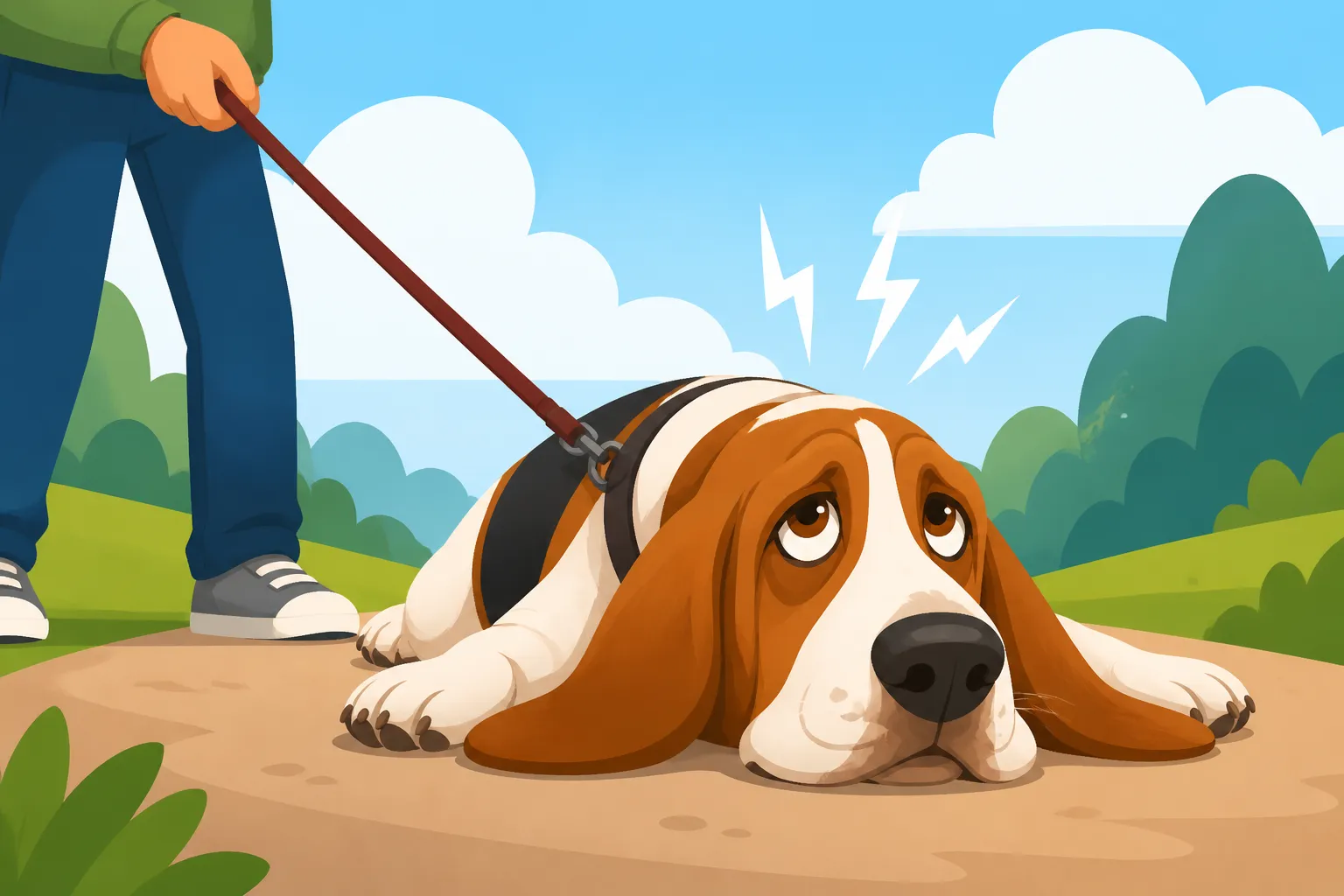
Oh, the sheer frustration! You're out for what you hoped would be a lovely, leisurely stroll with your beloved Basset Hound, maybe enjoying a crisp morning or a peaceful evening, and then it happens. Mid-pavement, mid-park, mid-anything-you-had-planned, your furry, low-slung companion suddenly transforms into a solid, unmovable, four-legged statue. They plant their feet, sink their weighty body, and give you that classic Basset side-eye that screams, "I am not going another step." It's not just annoying; it's baffling, sometimes embarrassing, and often leaves you wondering what on earth you're doing wrong. This guide is here to help you unravel the mystery of the Basset Hound's walking strike and give you real-world strategies to keep those four paws moving forward, or at least understand why they're not.
The Basset Hound's Unshakeable Resolve: Why They Just Stop
Let's be honest, Basset Hounds aren't exactly known for their eagerness to participate in marathon training. They have a reputation, and often, it's well-earned. But understanding why they dig in their heels (sometimes quite literally!) is the first step toward finding a solution, or at least a way to coexist peacefully with their particular brand of determination. It's not always pure "stubbornness," though that's certainly part of their charm.
The Independent Mind of a Scent Hound
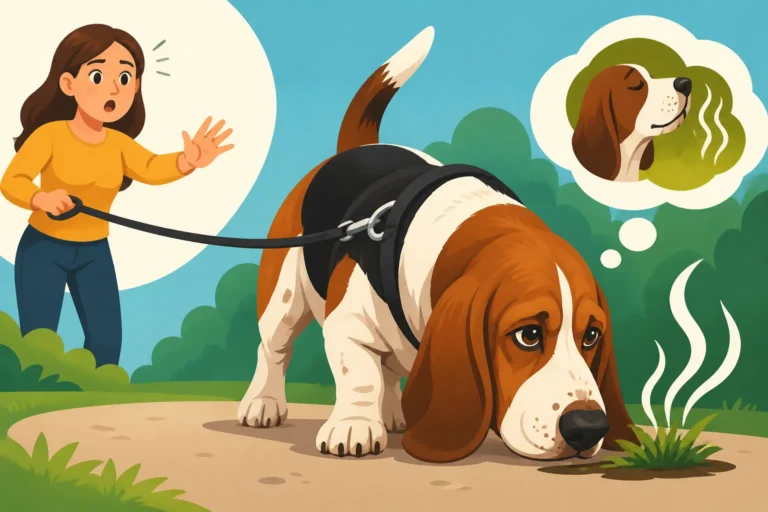
Imagine being born with one of the most incredible noses on the planet, second only to the Bloodhound. Your entire existence is practically hard-wired to follow a scent trail, no matter where it leads or what obstacles (like your owner pulling on the leash) stand in your way. Basset Hounds were bred for hunting, yes, but not in the way a Pointer or a Labrador might be. They were bred to track slowly, methodically, with their noses glued to the ground, giving hunters on foot time to keep up. This means their focus is outward and downward, not necessarily on you or your desired walking pace.
When your Basset hits the brakes, often it's because they've locked onto a scent that, to their ancient olfactory system, is far more compelling than continuing down a boring sidewalk. That fascinating whiff of squirrel, the faint trace of another dog, or the intriguing aroma of last night's dropped pizza crust becomes an irresistible beacon. To them, they aren't "stopping"; they're simply following their prime directive. It's like asking a concert pianist to stop mid-symphony because you're ready for dinner. The drive is that deep. You might notice they get particularly entrenched in this behavior after you've walked past a bush that some other creature marked, or a patch of grass where an interesting critter once scurried. It’s an immersion for them, a deep dive into an unseen world.
The Allure of the Ground: Scent Over Progress
Their low-slung bodies, those long, velvety ears, and even their loose skin – it's all designed to enhance their scenting ability. Their ears literally sweep scent up towards their nose as they move, and the dewlap, that lovely fold of skin under their chin, also traps scent particles. So, when their nose is to the ground, they are in their element. They are fulfilling their genetic destiny. Asking them to simply walk in a straight line, ignoring the rich tapestry of smells beneath their feet, is akin to asking a human to walk through a beautiful art gallery without looking at any of the paintings.
This intense focus on scent often overrides any desire for physical exercise or even your direct commands. You might feel like you're talking to a brick wall, or worse, that they're deliberately ignoring you. But for a Basset, the world of scent is a vibrant, intricate novel unfolding beneath their nose, and they are completely engrossed. They might literally forget you exist for a moment as they decode the fascinating narrative of who passed by, what they ate, and where they're headed. This isn't rudeness; it's instinct. It’s important for us to remember Whether a Basset Hound's Ears Sweep Scent Upward and how that impacts their world.
The "Stubborn" Label Versus True Basset Nature
Basset Hounds are often branded as stubborn, and while they can certainly be single-minded, it's more accurate to describe them as independently driven. They have their own agenda, and it often revolves around following their nose. This isn't to say they can't be trained, but it means you're often working with their instincts rather than against them. They're not trying to be difficult; they're simply being Basset Hounds.
When they refuse to walk, it's rarely a defiance of you. More often, it's a profound commitment to something else. It could be a scent, a feeling of discomfort, or simply a declaration that they've reached their personal walking limit for the day. Trying to drag them or force them often just makes them dig in deeper, creating a power struggle that you, and your back, are unlikely to win. Instead, a little understanding and a lot of patience are your most valuable tools. They are intelligent, but their intelligence is applied to their goals, not always ours. Whether a Basset Hound Learns Slowly isn't about intelligence, but motivation.
Digging Deeper: Underlying Reasons for a Walking Strike
While the Basset's nose is a powerful motivator for stopping, it's not the only reason. Sometimes, what looks like stubbornness is actually a sign that something else is going on, and it's crucial to rule out these possibilities first. A happy, comfortable Basset is more likely to cooperate, even if "cooperate" means a leisurely sniff-fest rather than a brisk walk.
Physical Discomfort and Pain Points
This is always the first thing to consider, especially as Basset Hounds get older or if the behavior is new. Their unique build, with those short legs and long backs, makes them prone to certain health issues. A sudden refusal to walk could be a subtle sign of pain.
- Joint Pain: Basset Hounds are prone to conditions like Arthritis in a Basset Hound at Seven or Elbow Dysplasia in a Basset Hound. Walking on hard surfaces, climbing hills, or even just putting weight on sore joints can be uncomfortable. If your Basset typically walks well but suddenly stops, especially if they show stiffness after resting, pain could be the culprit. Watch for limping, reluctance to put weight on a particular leg, or even just a general slowness that wasn't there before.
- Back Issues: Their long spines make them susceptible to Intervertebral Disc Disease in a Basset Hound. Even mild discomfort from a bulging or herniated disc can make walking painful. They might be trying to tell you that every step sends a jolt through their back. This can manifest as a sudden sit-down, a refusal to move, or an unusually stiff gait. If you suspect back pain, this is an immediate call to your vet. The Back Trouble a Basset Hound Is Built Into is a serious concern.
- Foot Pad Issues: Check their paws. Are there any cuts, thorns, or pebbles stuck between their toes? Hot pavement can burn their pads, and cold, icy surfaces or road salt can be irritating. A small burr or a tiny piece of glass can make every step agony.
- Heat Exhaustion: Basset Hounds have dense coats and aren't built for speed or intense exercise, especially in warm weather. They can overheat quickly. If they stop, pant heavily, and seem lethargic, they might be telling you they're too hot. Their low stature means they're closer to the hot pavement.
- General Malaise: Sometimes, a dog just isn't feeling well. They might have an upset stomach, a mild infection, or just a general lack of energy. Just like us, when they're not feeling 100%, they don't want to go for a strenuous walk.
If your Basset's refusal to walk is a new or escalating behavior, a vet check-up is absolutely essential to rule out any underlying medical conditions.
Environmental Overload and Anxiety
Not all Bassets are bold adventurers. Some can be quite sensitive to their environment, and what seems like a normal walk to us might be overwhelming for them.
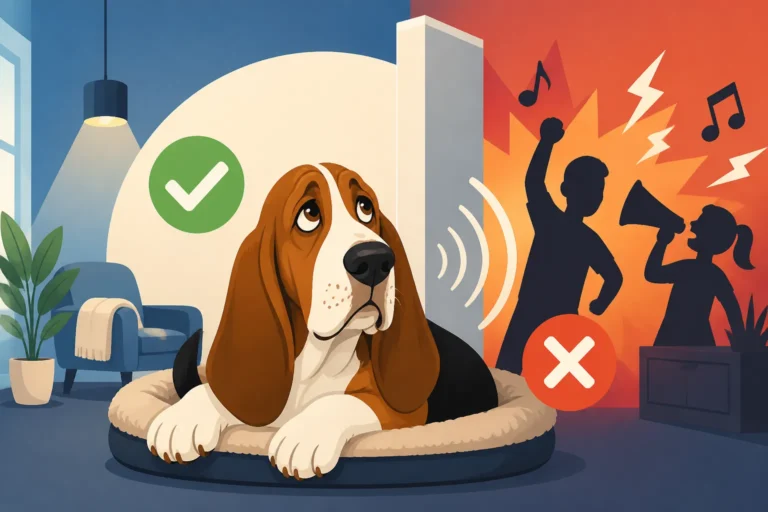
- Sensory Overload: Imagine having a nose like theirs, picking up every single scent, combined with acute hearing. A busy street with loud traffic, sirens, construction noise, or a park full of barking dogs and excited children can be a sensory nightmare for some Bassets. They might stop because they're overwhelmed and trying to process too much input, or simply because they want to retreat from the cacophony.
- Fear or Phobia: Has something specific happened on a walk recently? A loud truck backfiring, an aggressive dog encounter, or even a frightening person can create a negative association with walking in certain areas. They might stop because they're afraid to proceed or want to turn back. Watch their body language – tucked tail, flattened ears, wide eyes – for signs of fear.
- Lack of Socialization: If a Basset wasn't properly socialized as a puppy, new sights, sounds, and experiences can be genuinely scary. They might freeze up in unfamiliar environments simply because they don't know how to cope. The First Year With a Basset Hound Puppy is crucial for exposure to the world in a positive way.
If you suspect environmental factors, try walking in quieter areas, during off-peak hours, or gradually exposing them to new stimuli in a positive, controlled way.
The Boredom or Lack of Motivation Myth
While it might look like boredom when your Basset plonks down, it's rarely true boredom in the way we think of it. Bassets are rarely "bored" when there's a world of smells to investigate. It's more about their personal agenda conflicting with yours.
- Insufficient Reward: Let's face it, Basset Hounds are often food-motivated. If what you're offering (praise, a gentle tug) isn't as compelling as the scent they're focused on, they're not moving. They are masters of cost-benefit analysis. Is moving forward worth it? What's in it for them?
- Misunderstanding Expectations: They might genuinely not understand what you want. Are you pulling too hard? Are your cues inconsistent? Hounds are not always as biddable as, say, a Retriever. They don't have that innate desire to please in the same way. What you see as a clear command might just be noise to them amidst the compelling world of scent. This highlights the importance of consistent, clear training. What Actually Motivates a Basset Hound is often a high-value treat.
- They're Just Done: And sometimes, they've simply decided they've had enough. Basset Hounds aren't built for endurance. How Far a Basset Hound Should Walk is often less than you'd think. They are sprinters in short bursts of scent-following, not long-distance trekkers. Respecting their physical limits is key to a harmonious relationship.
Understanding these underlying reasons helps you approach the problem with empathy and a toolkit of potential solutions, rather than just frustration.
Positive Reinforcement: Encouraging Forward Momentum
So, your Basset has decided they're a lawn ornament. How do you get them to switch back to being a dog on a walk without resorting to hauling them? Positive reinforcement is your best friend here. It's all about making their choice to move forward more rewarding than their choice to stop.
Making the Walk a Rewarding Experience
The entire walk needs to be seen as a positive, engaging experience for your Basset, not just a means to an end for you. If every walk turns into a battle of wills, they'll learn to dread it. Think about incorporating things they love into the walk itself.
- Start and End on a High Note: Begin with enthusiastic praise and a special "walking treat." End the walk with a favorite toy or a bit of playtime as soon as you get home. This creates a positive association with the entire event.
- Vary Your Routes: While routine can be good, new smells are gold for a Basset. Explore different neighborhoods, local parks, or even nature trails. The novelty of fresh scents can be a powerful motivator. Just be mindful of Whether a Basset Hound Follows Its Nose Into Traffic and keep them on a secure leash.
- Short and Sweet: If your Basset consistently stops after a certain distance, shorten your walks. It's better to have a successful 15-minute walk than a frustrating 30-minute one. Gradually increase the distance as they build stamina and confidence. How Far a Basset Hound Should Walk should always be tailored to the individual dog.
High-Value Treats and Praise as Motivators
When your Basset has anchored themselves to the spot, standard kibble or a casual "good boy" probably won't cut it. You need to pull out the big guns: high-value treats.
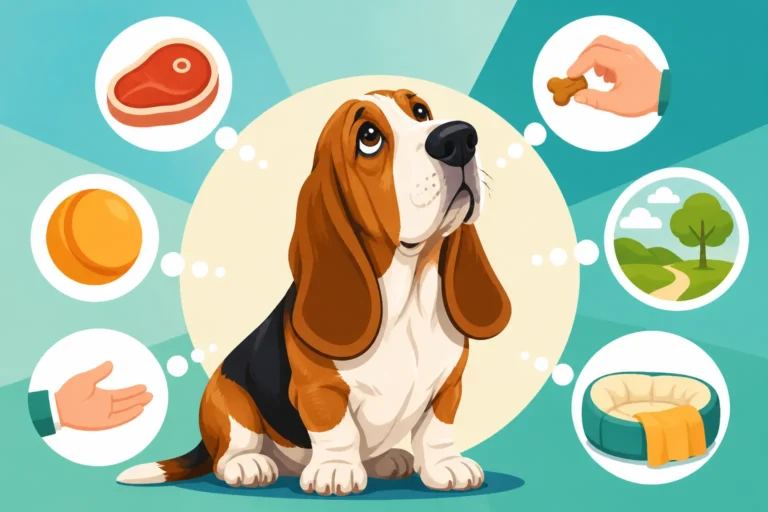
- The "Magic" Treat: This should be something they absolutely adore and only get on walks, specifically when they've done something you want them to do (like move forward). Think small pieces of cooked chicken, cheese, or hot dogs. Keep them small so they can eat them quickly and get back to walking.
- Lure and Reward: Hold a high-value treat right in front of their nose and lure them forward a few steps. The moment they take a step or two, give them the treat and lavish praise. Repeat this, gradually increasing the number of steps they take before getting the reward.
- Surprise Treats: Don't just reward them when they stop. Occasionally, reward them randomly when they are walking nicely. This keeps them engaged and guessing, thinking that good things happen when they're moving.
- Verbal Encouragement: While not as powerful as food for a Basset, cheerful, upbeat verbal encouragement can still make a difference. Use a happy, encouraging tone to keep them motivated. A quick "Let's go, buddy!" or "Good walking!" can punctuate the treat-giving. Whether a Basset Hound Cares About Praise is debatable, but it doesn't hurt!
Remember, consistency is key. Everyone in the household needs to be on board with the same reward system.
Understanding the Limitations of Bribery
While high-value treats are incredibly effective, it's important to use them strategically and understand their limitations. You don't want to accidentally train your Basset to stop in order to get a treat.
- Timing is Everything: The treat should be given the moment they take a step forward or release their "freeze," not after they've been stationary for five minutes. This helps them connect the reward with the desired action.
- Fade the Lure: Once they start moving more consistently with the lure, gradually phase out holding the treat in front of their nose. Instead, show it, then hide it, asking for the step, and then present the treat. Eventually, you want them to respond to your verbal cue and only receive the treat after they've moved.
- Not a Permanent Solution: Treats are a tool to build the habit of walking. The ultimate goal is for the walk itself, with its rich olfactory experiences, to be its own reward, supplemented by occasional treats. If they only walk for food, you might have created a new problem. This is where combining treats with sniffy rewards comes in.
- The Scent Battle: Sometimes, even the highest-value treat won't beat an irresistible scent. In these cases, you might need a different strategy, which we'll cover in the next sections. They are, after all, scent hounds first and foremost.
Gear Up: Equipment to Support Your Reluctant Walker
The right equipment can make a world of difference in managing a Basset Hound who prefers to become a rooted statue. It's not about forcing them, but about comfort, control, and making the walking experience more pleasant for both of you.
The Right Harness Makes a Difference
A traditional neck collar can be problematic for a Basset. Their strong necks mean they can easily pull, leading to coughing, choking, and potential neck or throat strain. It also doesn't give you much leverage when they decide to stop. A well-fitting harness is almost always a better choice.
- Front-Clip Harnesses: These are often excellent for Basset Hounds who pull or stop. When you gently tug on the leash, the front-clip redirects their body back towards you, making it harder for them to plant their feet and pull forward. It discourages pulling without causing discomfort. Brands like the Ruffwear Front Range or the Easy Walk harness are popular choices you can often find on Amazon. They provide control without putting pressure on their delicate neck or back.
- Y-Shape Harnesses: Look for harnesses that are Y-shaped across the chest. This design allows for a full range of shoulder movement, which is important for their unique build, and avoids putting pressure across their trachea. Avoid harnesses that go straight across the chest, as they can restrict movement and cause discomfort.
- Proper Fit: This is paramount. A harness should be snug but not tight, allowing two fingers to comfortably slip under any strap. It shouldn't chafe under their "armpits" or restrict their gait. Spend time measuring your Basset and consult sizing charts carefully. A poorly fitting harness, even a good quality one, can cause discomfort and make them even less willing to walk.
- Security: Basset Hounds are adept at wiggling out of things if they set their mind to it. Ensure the harness is secure and that they can't back out of it easily. Some harnesses have an extra strap around the waist for added security, which can be useful for Houdini hounds. Which Harness Suits a Basset Hound really depends on your specific dog's shape and behavior.
Consideration for Ramps and Mobility Aids
If your Basset's refusal to walk is rooted in age or physical discomfort, sometimes it's not about motivation but about making movement easier.
- Car Ramps: Getting into and out of cars can put significant strain on a Basset's back and joints. A car ramp can eliminate the need for jumping, making car rides more accessible and less painful. This means they might be more willing to go places where walks happen. You can find a wide variety of sturdy, portable ramps on Amazon.
- Household Ramps/Steps: If your Basset loves to be on the couch or bed but struggles to jump up, provide ramps or dog-specific steps. Whether a Basset Hound Should Use a Ramp is often a yes, especially as they age. This reduces impact on their joints throughout the day, preserving their energy and comfort for walks. Preventing injury is just as important as managing behavior.
- Support Harnesses/Slings: For older Bassets with significant mobility issues, a rear-end support harness or sling can help you assist them on walks, taking some weight off their back legs. This isn't for an outright refusal to walk, but for those who want to move but physically struggle.
These aids aren't about forcing them to walk further than they're capable, but about enabling them to move comfortably within their limits.
Enrichment on the Go: Long Lines and Scent Games
Since their nose is their superpower, let's lean into it! Walks don't have to be about covering distance; they can be about discovery and mental engagement.
- Long Lines: A long line (15-30 feet) allows your Basset to explore a larger area while still being safely attached to you. In a fenced park or a quiet, safe area, this can give them the freedom to follow a scent trail for a bit without you having to constantly tug them along. Just be sure to use it with a harness, not a collar, and learn how to manage the line safely. Whether a Long Line Is Enough for a Basset Hound for recall is a different question, but for exploration, it's great.
- Scent Games on Walks: Turn parts of the walk into a game. Hide small, high-value treats in the grass or under leaves for them to sniff out. This engages their natural abilities and makes the walk interactive and mentally stimulating. This is a fantastic way to tire a Basset Hound out mentally. Whether a Basset Hound Takes to Scent Work is generally a resounding yes!
- Interactive Toys: Carry a favorite squeaky toy or a soft ball. When they stop, try to engage them with the toy for a few seconds. Sometimes, a burst of play can break their focus on the ground and remind them that you're part of the fun too.
By providing these tools and opportunities, you're transforming the walk from a potential tug-of-war into a cooperative adventure, celebrating their unique talents rather than fighting them.
Shaping the Walk: Strategies for a Smoother Stroll
Now that we've covered understanding their nature and equipping ourselves, let's talk about some active strategies you can employ during the walk itself to encourage a more consistent pace and prevent those frustrating standstill moments. It's about proactive management and changing the dynamic.
Establishing a Predictable Routine
Basset Hounds thrive on routine, even if they sometimes pretend they don't. A predictable schedule can help them understand expectations and make walks less stressful, for both of you.
- Consistent Times: Try to walk your Basset at roughly the same times each day. This helps them anticipate the walk and know what to expect. Dogs often do better when they know "the routine."
- Pre-Walk Rituals: Develop a clear pre-walk routine. This might involve getting the harness out, a specific "let's go for a walk" phrase, or a moment of calm before heading out the door. This signals to them that walk time is happening and helps them mentally prepare.
- Designated "Sniff Zones": Rather than fighting every sniff, designate specific areas on your walk where your Basset is allowed to thoroughly investigate scents for a few minutes. "Okay, buddy, 3 minutes to sniff this bush, then we move on." This can be a great compromise. When it's time to move, use your high-value treats and a cheerful cue. This controlled sniffing can make them more willing to move between designated areas.
A predictable routine helps your Basset feel more secure and less likely to shut down from uncertainty.
Short Bursts and Frequent Breaks
Remember, Basset Hounds are not endurance athletes. Their short legs and heavy bodies mean they tire more easily than many other breeds. Trying to force them on a long, continuous walk is often a recipe for disaster.
- Break Up the Walk: Instead of one long walk, consider two or three shorter walks throughout the day. A 15-minute sniffy walk in the morning, another at lunchtime, and a final one in the evening might be far more productive and enjoyable for your Basset than one 45-minute trek.
- Embrace the Pause: When they stop, don't immediately pull. Give them a few seconds to process the scent or just catch their breath. Sometimes, they just need a moment. After a short pause, try your lure-and-reward technique. If they still refuse, try moving in a different direction for a few steps, then turn back.
- The "Walk a Bit, Sniff a Bit" Method: This is often the most harmonious approach. Allow them periods of sniffing, then give a clear "Let's go!" cue with a treat to encourage a few minutes of forward motion. Alternate between structured walking and free sniffing. This caters to their natural instincts while still getting some exercise in. Whether an Old Basset Hound Still Needs Walks is yes, but likely shorter, sniff-focused ones.
By breaking up the walk and allowing for natural pauses, you're working with their physical and mental capabilities, not against them.
Incorporating Nose Work into Your Outings
Since scent is so powerful for them, let's make it a tool to encourage movement, not just a reason for them to stop. Nose work can be mentally tiring and fulfilling for a Basset.
- "Find It" Games: When you're in a safe, quiet area, toss a treat a few feet ahead of you and encourage your Basset to "Find it!" This gets them moving forward with purpose. As they become proficient, you can hide the treats in more challenging spots, like behind a tree or in a pile of leaves, making them use their nose to navigate forward.
- Scent Trails: If you have access to a safe, contained area, you can even lay a short, simple scent trail for them to follow. Drag a treat bag along the ground for a short distance, then place a jackpot of treats at the end. This engages their tracking instinct and provides a clear, rewarding path to follow. Whether a Basset Hound Can Do Tracking Trials is a testament to their abilities.
- Snuffle Mats & Puzzle Toys: While these are usually indoor activities, bringing a small, portable snuffle mat or a KONG wobbler filled with treats on a longer outing (for a designated break spot) can provide a mental break and re-energize them to move again. Just be mindful of keeping the area clean. Amazon has many options for these.
| Reason for Stopping | Immediate Action | Long-Term Strategy |
|---|---|---|
| Locked onto a Scent | Use high-value treat to lure forward, change direction | Incorporate "sniff zones," positive reinforcement for moving between sniffs, consider a long line in safe areas |
| Physical Discomfort/Pain | Stop, examine paws, rest, or turn back. | Vet visit immediately! Use ramps, orthopedic beds, appropriate joint supplements. |
| Overheating/Tired | Find shade, offer water, rest, shorten walk, turn back | Walk during cooler parts of the day, increase short walks, monitor condition, ensure Keeping a Basset Hound at Its Correct Weight. |
| Environmental Overload/Fear | Move to a quieter spot, reassure, turn back. | Gradual desensitization, walk in calmer areas, consider a professional behaviorist. |
| "I'm Just Done" (Learned Behavior) | Lure with treat, enthusiastic praise for any movement | Consistent positive reinforcement, shorter walks, predictable routine, varying routes, engagement games. |
By actively shaping the walk, you're not just trying to get from point A to point B; you're creating an enriching experience that respects your Basset's unique needs and abilities.
When to Seek Expert Help: Vets and Professional Trainers
Sometimes, despite your best efforts, your Basset Hound's refusal to walk persists or worsens. This is when it's crucial to acknowledge that you might need a little extra help from professionals. They can offer insights and solutions that go beyond what you can achieve on your own.
Ruling Out Medical Causes with Your Vet
As we discussed earlier, pain or illness can often masquerade as stubbornness. If your Basset's walking issues are new, sudden, or accompanied by other symptoms, your veterinarian should be your first port of call.
- Comprehensive Physical Exam: Your vet can perform a thorough physical exam to check for pain, stiffness, or any other underlying health issues. They'll pay close attention to joints, spine, paws, and general body condition. They might manipulate limbs, check for sensitivity, and observe their gait.
- Diagnostic Testing: Depending on their findings, your vet might recommend X-rays to check for arthritis or disc disease, blood tests to rule out metabolic issues like Whether a Basset Hound Gets Hypothyroidism (which can cause lethargy), or other diagnostics. It’s always better to rule out a physical problem before labeling it purely behavioral.
- Pain Management: If pain is identified, your vet can recommend appropriate pain relief, anti-inflammatory medications, joint supplements, or even physical therapy. Sometimes, simply managing their discomfort can dramatically improve their willingness to walk. Remember, a Basset Hound might not cry out in pain; they might just shut down.
Never assume "stubbornness" until a clean bill of health has been given by your vet. Their unique physiology makes them more prone to certain musculoskeletal issues, so don't overlook this crucial step.
Working with a Certified Professional Dog Trainer
If medical issues have been ruled out, and you're still struggling with your Basset's walking habits, a professional dog trainer can be an invaluable resource. Look for trainers who use positive, force-free methods and have experience with scent hounds.
- Behavioral Assessment: A good trainer will observe you and your Basset during a walk, identifying specific triggers for their stopping behavior and evaluating your handling techniques. They can spot subtle cues you might be missing.
- Customized Training Plan: They can develop a tailored training plan that addresses your Basset's individual needs and your specific challenges. This might involve refining your leash handling, teaching new cues, or implementing advanced positive reinforcement strategies. They can help you implement the "lure and reward" technique more effectively and fade the lure appropriately. Programs like those offered by BAXTER & Bella often emphasize positive reinforcement and could provide a solid foundation, even if not tailored specifically for Basset walking strikes, the principles of engagement and motivation are universal.
- Leash Handling Techniques: A trainer can teach you how to use your leash and body language more effectively to encourage movement without resorting to pulling. This might involve teaching you to become a more interesting "leader" on the walk. Whether a Basset Hound Pulls Hard for Its Size is a common complaint, and a trainer can help.
- Enrichment Integration: They can show you how to better integrate nose work and other enrichment activities into your walks to keep your Basset mentally engaged and motivated to move forward.
A professional trainer acts as a coach for both you and your dog, helping to bridge the communication gap.
Behavioral Consultations for Persistent Issues
In some cases, the walking refusal might stem from deeper behavioral issues like anxiety, fear, or a very strong learned pattern of non-compliance. For these complex situations, a veterinary behaviorist (a vet with specialized training in animal behavior) or a certified applied animal behaviorist might be needed.
- Deep Dive into Behavior: These specialists conduct in-depth evaluations of your dog's history, environment, and specific behaviors to understand the root causes of their reluctance. They'll look at the broader picture beyond just the walk.
- Behavior Modification Protocols: They can design comprehensive behavior modification plans, which might include specific exercises, environmental changes, and sometimes, medication to help manage anxiety or fear responses.
- Addressing Anxiety/Phobias: If the stopping is due to a profound fear of certain sounds, places, or objects, a behaviorist can guide you through desensitization and counter-conditioning protocols to help your Basset feel safer and more comfortable on walks.
While going beyond a regular trainer, a behaviorist can be a game-changer for deeply ingrained or fear-based walking problems, turning what feels like an impossible situation into a manageable one.
Embracing the Basset Pace: Redefining "A Walk"
Ultimately, living with a Basset Hound often means adjusting your expectations and learning to appreciate their unique rhythm. Sometimes, the solution isn't to force them to be a different kind of dog, but to celebrate the Basset they are.
Adjusting Expectations and Celebrating Small Wins
One of the biggest sources of frustration for Basset owners is trying to make their hound conform to a standard idea of what a "walk" should be. Let go of the notion that every walk needs to be a brisk, continuous stroll covering several blocks.
- Redefine "Success": A successful walk with a Basset might be one where they enthusiastically sniffed for 20 minutes, moved forward without constant prompting for another 10, and came home happy and tired (mentally, from all the sniffing). That's a huge win! Celebrate these moments instead of dwelling on the times they stopped.
- Embrace the Meander: Learn to enjoy the slower pace. Take that time to notice things you usually rush past, listen to the birds, or simply appreciate the quiet moments with your dog. It's an opportunity for mindfulness, if you let it be.
- Set Realistic Goals: If your Basset usually stops at the corner, aim to get them to the next lamppost. Once they achieve that, celebrate! Then, on the next walk, aim for a little further. Incremental progress is still progress. Don't push for miles if their happy place is a few blocks. Whether a Basset Hound Refuses to Move will be less frustrating if you anticipate it and have a plan.
Changing your mindset is often the most powerful tool in managing a Basset Hound's walking habits.
Alternative Forms of Exercise and Mental Stimulation
If long, continuous walks are consistently a struggle, don't despair! There are many other ways to provide your Basset with the exercise and mental stimulation they need.
- Yard Time: If you have a securely fenced yard, let them explore at their own pace. Hide treats for them to find, play a gentle game of fetch, or simply let them patrol the perimeter, sniffing to their heart's content. This free exploration is incredibly valuable. Whether a Basset Hound Needs a Yard is often yes, but a securely fenced one.
- Indoor Nose Work: Rainy day? Too hot? Too cold? Bring the scent games indoors! Use snuffle mats, puzzle toys, or simply hide treats around the house for them to sniff out. This is mentally tiring and uses their best asset. It's often more exhausting for them than a physical walk. Whether Nose Work Tires a Basset Hound Out is a definite yes.
- Short Play Sessions: Engage them with short, low-impact play sessions. A gentle tug toy, a soft throw of a ball, or just some interactive petting can get their heart rate up and provide connection.
- "Car Rides to Sniff" Adventures: Drive them to a new, interesting location – a quiet park, a friend's yard, or a nature trail – and allow them a short, intense sniff session. Sometimes, the journey to the exciting sniff spot is part of the fun.
Remember, Whether a Basset Hound Needs Any Real Exercise is about quality, not just quantity. Mental stimulation is just as important, if not more so, for these scent-driven hounds.
The Joy of a Slow, Sniffy Adventure
At the end of the day, your Basset Hound is a creature of magnificent scent, built for methodical tracking rather than athletic prowess. Their joy comes from exploring the world through their nose, deciphering the invisible stories left by every creature that has passed.
When you embrace this aspect of their personality, walks transform. They become less about human-imposed goals and more about shared discovery. It's an opportunity to slow down, breathe, and witness the world through the extraordinary senses of your canine companion. Instead of pulling them along, imagine yourself as their companion tracker, following their lead as they unravel the mysteries of the neighborhood. It may not be the walk you envisioned, but it can be a deeply rewarding and unique experience, perfectly suited to the wonderful, slightly eccentric, and utterly charming Basset Hound. After all, the journey is just as important as the destination, especially when you have a Basset to share it with.
Disclaimer
This article is for general informational purposes only and does not constitute professional advice. Laws, prices and regulations vary by location and change over time. Consult a qualified professional for guidance on your specific situation.